Source Perfume Fixative for Cosmetics, Detergents, and Hair Care
Find 30 verified suppliers offering Perfume Fixative solutions in liquid and oil forms. Buyers can compare specifications, certifications, and packaging options for cosmetic raw materials, detergent ingredients, and fragrance applications.
Key considerations
Products List










Comprehensive Sourcing Guide
Strategic Sourcing Guide for Perfume Fixatives
Navigating the global market for perfume fixatives requires a nuanced understanding of raw material specifications, regulatory compliance, and supply chain logistics. For procurement professionals, the distinction between a finished fragrance product and the underlying fixative raw material is critical. The available market data reveals a diverse landscape ranging from specialized cosmetic-grade oils to bulk industrial chemicals. This guide synthesizes observed product attributes, certification requirements, and technical specifications to provide a disciplined framework for sourcing these essential ingredients.
Technical Specifications and Material Composition
The technical profile of a Perfume Fixative is defined by its chemical composition, physical state, and grade. In the current market, products are frequently categorized by their raw material type, with "Oil" being a primary designation for liquid fragrance bases. The physical state is consistently observed as "Liquid," necessitating specific handling protocols during storage and transport. A critical differentiator in this sector is the grade of the material. Procurement teams must distinguish between "Perfume Grade C" and "Pure Essential Oil Grade A." The former suggests a standardized commercial grade suitable for general applications, while the latter indicates a higher purity level often required for premium cosmetic formulations.
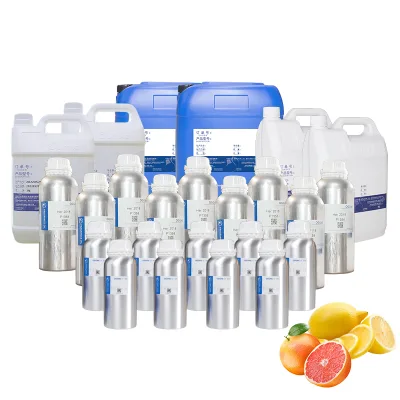
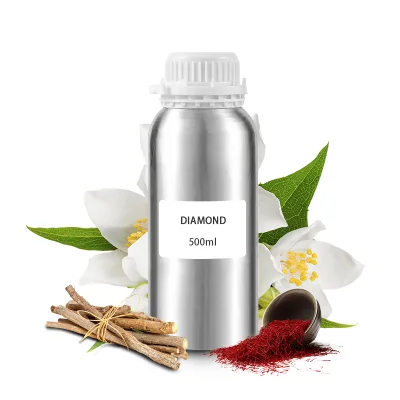
Containerization and packaging formats vary significantly based on the intended scale of use. For small-batch or sample testing, products are often supplied in "Glass Bottle" containers with capacities such as 100ml or 500ml. These are typically packaged in "Carton" boxes for protection. Conversely, industrial-scale procurement often involves "Plastic Drum" containers or bulk packaging options ranging from 2kg to 200kg. Specific model numbers, such as PF012, C008, and 606039, serve as unique identifiers for these variations. Buyers must verify the exact model number against their formulation requirements, as the chemical properties associated with each model may differ.
The functional application of these fixatives extends beyond simple scent retention. Some products are explicitly labeled with functions related to the "Metabolic System," suggesting potential dual-use applications in health and wellness sectors, though this requires careful verification. The usage categories are broad, encompassing "Cosmetic Raw Materials," "Detergent Raw Materials," "Hair Care Chemicals," and "Oral Care Chemicals." This versatility means that a single fixative product might be marketed for multiple industries, requiring the buyer to confirm the specific intended use case for their application.
Compliance, Certification, and Regulatory Standards
Regulatory compliance is the cornerstone of safe procurement in the fragrance industry. The market data highlights several critical certifications that serve as indicators of product safety and quality. The most frequently observed certification is the Material Safety Data Sheet (MSDS), often paired with a Certificate of Analysis (CoA). The presence of an MSDS is non-negotiable for any chemical shipment, as it details the hazards, handling procedures, and emergency measures associated with the product. Additionally, specific certification standards such as "MSDS/Coa" are listed, indicating that the supplier provides both safety documentation and analytical verification of the product's composition.
Chemical identification numbers are vital for regulatory tracking and customs clearance. Buyers should look for products that provide a CAS number (Chemical Abstracts Service), with observed values such as 20222, and an EINECS number (European Inventory of Existing Commercial Chemical Substances), such as 202207. These identifiers confirm the chemical's existence in regulatory databases and ensure it is not a prohibited substance. Furthermore, the FEMA number (Flavor and Extract Manufacturers Association), observed as 20005 in some listings, is crucial for products intended for food or oral care applications, as it verifies the substance is generally recognized as safe for such uses.
Purity levels are another key compliance metric. The data indicates a purity specification of 99%, which is a standard benchmark for high-quality fixatives. However, buyers must not assume this applies to all listings without verification. The "Grade" attribute, ranging from C to A, further influences compliance requirements. Higher grades often demand stricter adherence to international standards and may require additional testing documentation before importation.
Cost Drivers and Pricing Dynamics
The pricing structure for perfume fixatives is highly variable, influenced by grade, packaging, and order volume. The observed price range in the market spans from $0.02 to $420 per unit. This vast disparity is not indicative of a single product's fluctuation but rather reflects the difference between bulk raw materials and finished, branded products. For instance, a bulk plastic drum of 25 liters may have a significantly lower unit cost compared to a 100ml glass bottle of a branded fragrance oil.
Minimum Order Quantity (MOQ) is a primary driver of cost efficiency. The market data shows an MOQ range from 1 unit to 30,000 units. Small MOQs, such as 1 or 10 units, are typical for sample acquisition or prototyping, often commanding a higher per-unit price. Large MOQs, such as 200kg or 25kg drums, are associated with industrial pricing tiers. Buyers must balance their inventory needs against cash flow constraints. Ordering in bulk reduces the per-unit cost but increases storage and handling requirements.
Packaging costs also contribute to the final price. Products packaged in "Plastic Drum" or "Carton" formats may have different cost structures depending on the material and labor involved. Additionally, the "Transport Machine" specified as "Ordinary Goods Truck" suggests that standard logistics are used, but specialized transport for hazardous materials might incur additional fees not reflected in the base product price.
Typical Applications and Usage Scenarios
Perfume fixatives serve as the backbone of fragrance stability, ensuring that scent notes last longer on the skin or in a product. The observed usage categories confirm their versatility across multiple industries. In the cosmetic sector, they are used in perfumes, lotions, and body sprays, where the "Floral" flavor profile is a common preference. The "Female" gender designation in some product attributes suggests a marketing focus, but the chemical fixative itself is often unisex and functional.
Beyond cosmetics, these materials are integral to the detergent and cleaning product industries. The "Detergent Raw Materials" classification indicates that fixatives are used to impart a lasting scent to laundry detergents and surface cleaners. Similarly, the inclusion of "Hair Care Chemicals" and "Oral Care Chemicals" highlights their role in shampoos, conditioners, and mouthwashes. In these applications, the fixative must be compatible with other active ingredients and safe for mucous membranes.
The "Industrial Flavor" and "Daily Flavor" usage categories suggest applications in food and beverage processing, where the fixative helps maintain flavor consistency. However, this requires strict adherence to food-grade certifications, which may differ from cosmetic-grade standards. Buyers must ensure that the specific model number and grade they select are approved for their intended end-use, as a cosmetic-grade fixative may not be suitable for oral care or food applications.
Supplier Evaluation and Verification Protocols
Evaluating suppliers in the Perfume Fixative market requires a rigorous approach to verifying claims and capabilities. The data indicates that "Customization" and "OEM" (Original Equipment Manufacturer) services are available, allowing buyers to request specific formulations or branding. However, the presence of these services does not guarantee quality; it simply indicates the supplier's willingness to adapt. Buyers should request samples to test the fixative's performance in their specific formulation.
The "Samples Time" of about 3-7 days and the "Samples Way" via FedEx are standard logistics metrics that buyers can use to gauge supplier responsiveness. A delay in sample delivery may indicate logistical inefficiencies that could affect bulk orders. Additionally, the "prod_origin" is listed as "China," which is a major manufacturing hub for these materials. While this does not inherently imply lower quality, it necessitates a thorough vetting process to ensure the supplier adheres to international quality standards.
Buyers should verify the supplier's ability to provide the full range of certifications, including MSDS, CoA, and specific chemical identifiers like CAS and EINECS numbers. The "Grade" of the product should be explicitly confirmed in the contract, as "Perfume Grade C" and "Pure Essential Oil Grade A" represent different quality tiers. Finally, the "Function" attribute, such as "Metabolic System," should be cross-referenced with the supplier's technical data sheets to ensure the product meets the specific functional requirements of the buyer's application.
Quality Control and Long-Term Procurement Strategy
Implementing a robust quality control (QC) protocol is essential for maintaining product consistency. Buyers should establish a clear specification sheet that includes the required purity level (e.g., 99%), grade (e.g., Grade A), and physical state (Liquid). Regular testing of incoming shipments against these specifications is necessary to detect any deviations. The "Certificate of Analysis" (CoA) provided by the supplier should be the primary document for initial QC, but independent third-party testing may be required for high-volume or critical applications.
Long-term procurement strategies should focus on building relationships with suppliers who offer consistent quality and reliable logistics. The "Transport Machine" of "Ordinary Goods Truck" suggests that standard shipping is the norm, but buyers should discuss contingency plans for supply chain disruptions. The availability of different packaging sizes, from 2kg to 200kg, allows for flexible inventory management. Buyers should consider a tiered procurement strategy, utilizing smaller MOQs for new product development and larger MOQs for established product lines to optimize costs.
Furthermore, the "prod_packing" and "prod_standard" attributes should be monitored to ensure they align with the buyer's storage and handling capabilities. For example, "Plastic Drum" packaging may require different storage conditions than "Glass Bottle" packaging. By maintaining a disciplined approach to specification verification, certification checks, and supplier evaluation, buyers can secure a reliable supply of high-quality perfume fixatives that meet their technical and regulatory requirements.
Comparative Analysis of Product Attributes
To facilitate decision-making, the following table summarizes key product attributes observed in the market, highlighting the variations buyers must navigate.
| Attribute Category | Observed Variations | Procurement Consideration |
|---|---|---|
| Grade | Perfume Grade C, Pure Essential Oil Grade A | Verify grade matches end-use safety standards. |
| Packaging | Glass Bottle, Plastic Drum, Carton, 2kg-200kg | Select based on volume needs and storage capacity. |
| Certification | MSDS, CoA, MSDS/Coa | Ensure all required safety docs are provided. |
| Chemical ID | CAS 20222, EINECS 202207, FEMA 20005 | Cross-reference with regulatory databases. |
| Usage | Cosmetic, Detergent, Hair Care, Oral Care | Confirm approval for specific application sector. |
| Origin | China | Verify supplier compliance with export/import laws. |
| Sample Lead Time | 3-7 Days | Assess supplier responsiveness for prototyping. |
This comparative view underscores the importance of precise specification matching. A product suitable for a cosmetic application may not be appropriate for oral care, despite sharing similar base ingredients. By carefully analyzing these attributes, buyers can make informed decisions that align with their strategic sourcing goals.
FAQs
What grades of Perfume Fixative oil are available?
Available grades include Perfume Grade C and Pure Essential Oil Grade A. Buyers must verify the specific grade required for their formulation, as Grade A indicates higher purity suitable for premium cosmetic applications compared to standard commercial grades.
Can I customize the packaging for bulk orders?
Customization is available for various packaging formats including plastic drums and cartons. Options range from small 2kg packages to large 200kg drums, allowing buyers to select capacity that matches their storage and production scale.
What certifications are required for safe import?
Most products require an MSDS and often a Certificate of Analysis (CoA). These documents detail safety hazards and chemical composition, ensuring compliance with international regulations for transporting liquid raw materials across borders.
How long does it take to receive samples?
Sample delivery typically takes about 3 to 7 days via FedEx. This timeframe allows buyers to test product quality and purity levels before committing to larger minimum order quantities for industrial production.
Which chemical identifiers are provided for compliance?
Products list specific CAS numbers like 20222 and EINECS numbers such as 202207. These identifiers confirm the substance exists in regulatory databases, which is essential for customs clearance and verifying the chemical is not prohibited.
What is the minimum order quantity for testing?
Minimum order quantities range from 1 unit for samples up to 30,000 units for bulk. Small MOQs enable prototyping, while larger volumes reduce unit costs but require significant storage capacity for drums or bulk containers.