Source Phase Protection Voltage Regulator for Industrial, Mining, and Construction
Find 30 Phase Protection Voltage Regulator options for industrial, mining, and construction applications. Compare single and three-phase models with copper windings, LED/LCD displays, and various KVA ratings from 500VA to 60KVA to match your specific power stability needs; compare the available evidence and request quotations based on your requirements.
Updated
Key considerations
Products List


Reliable Three-Phase Voltage Regulator for Grid Voltage Stabilization
$8000.00 - $18000.00
MOQ: 1 Sets


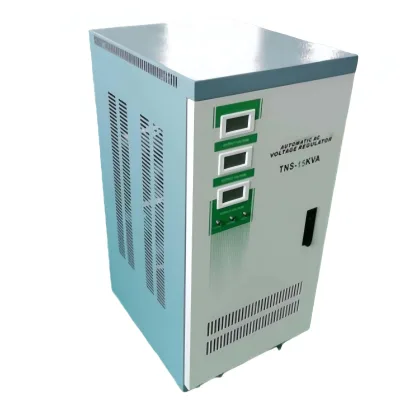
High-Efficiency Three-Phase Voltage Regulator for Reliable Power Distribution
$8000.00 - $18000.00
MOQ: 1 Sets

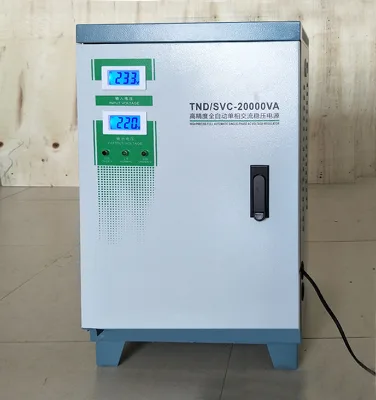
Durable Single-Phase Automatic Voltage Regulator for Stable Voltage Supply
$10000.00 - $80000.00
MOQ: 1 Sets
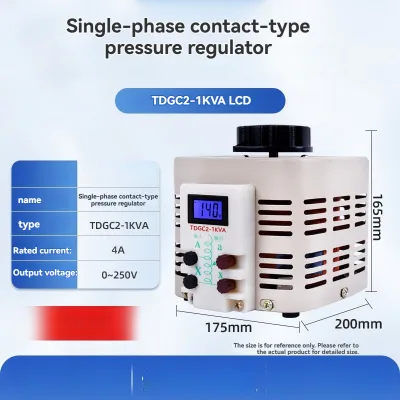
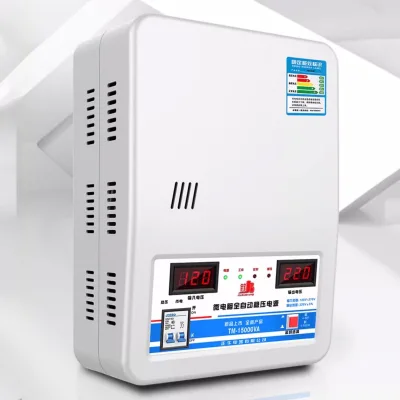
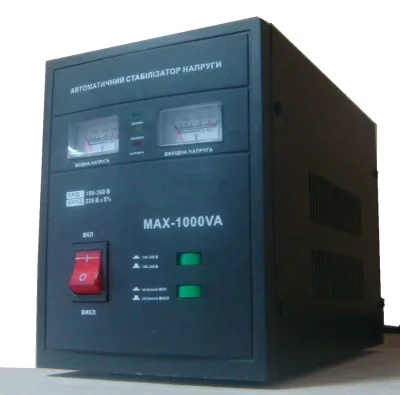
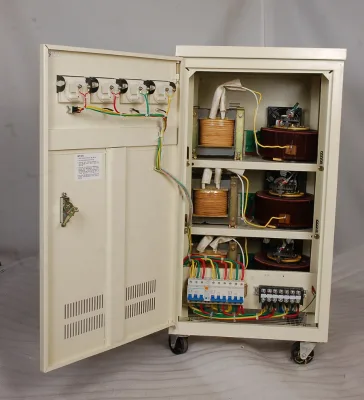
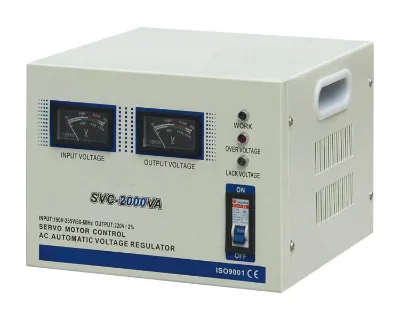
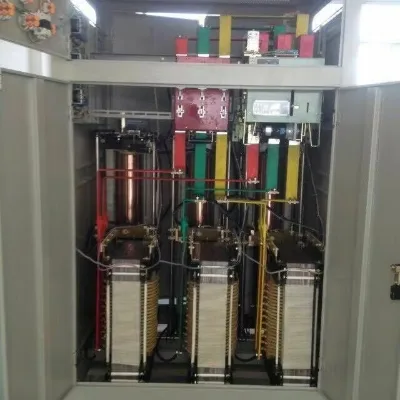
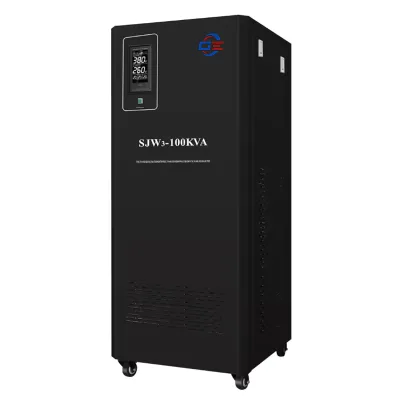
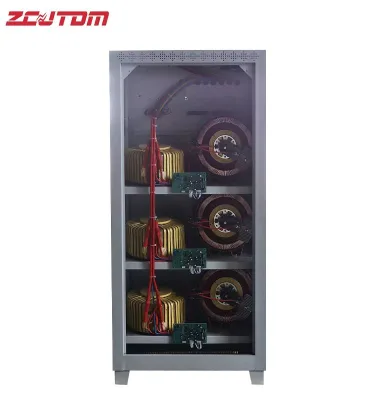

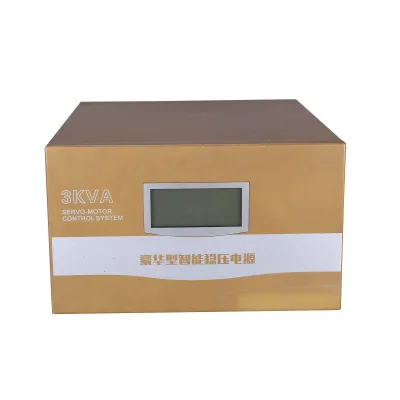
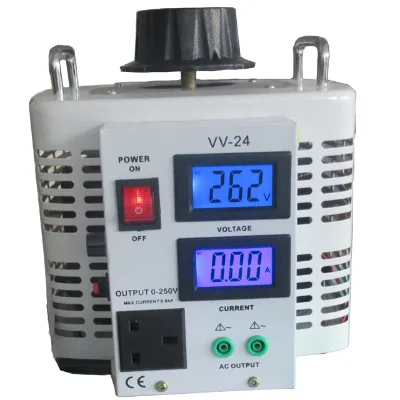
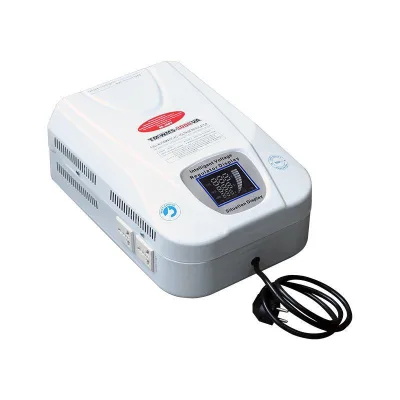
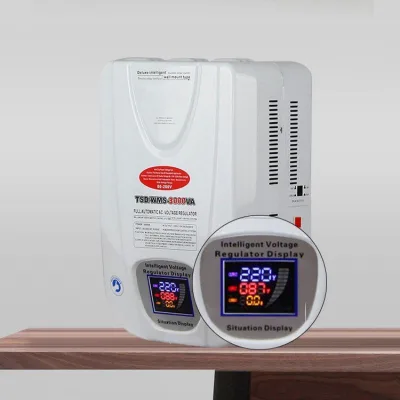
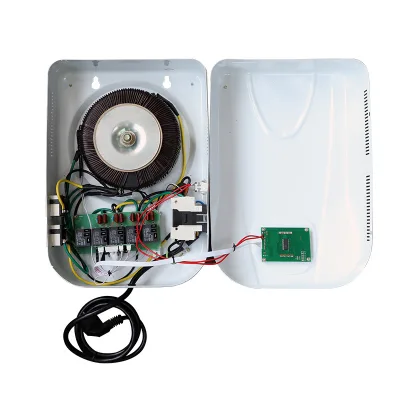
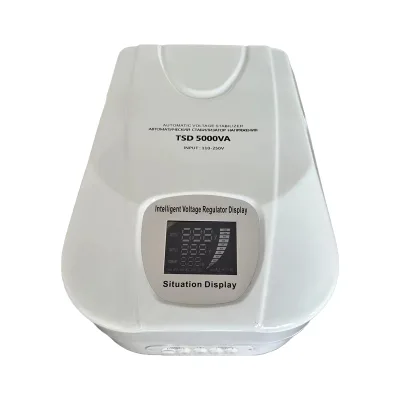
Efficient Single Phase Control Friendly Installation Automatic Voltage Regulator
$11.00 - $15.00
MOQ: 50 Pieces



Comprehensive Sourcing Guide
Phase Protection Voltage Regulator Sourcing Guide
Procuring phase protection voltage regulators requires a clear understanding of the diverse product landscape available in global markets. Buyers often encounter listings that span from small single-phase units to large three-phase industrial systems, each serving distinct operational needs. The observed market signals indicate a wide range of capacities, with models ranging from low-voltage SVC units to high-voltage distribution transformers. This diversity means that a one-size-fits-all approach to sourcing is ineffective. Instead, buyers must first define their specific power requirements, including voltage class and phase configuration, to filter through the extensive catalog of available options.
The presence of various iron core shapes, such as ring, EI, and C-cores, further complicates the selection process. These structural differences often correlate with specific performance characteristics and application suitability. For instance, ring cores may be associated with specific frequency characteristics, while EI cores are common in other transformer types. Understanding these physical attributes helps buyers align their technical specifications with the correct product category. It is crucial to verify that the selected regulator matches the intended application range, whether it be for industrial mining enterprises, construction sites, or general power distribution networks, to ensure optimal performance and longevity.
Product Scope and Observed Listing Signals
The current market for phase protection voltage regulators exhibits a broad spectrum of product models and specifications. Listings frequently feature models with capacities such as 6KVA, 9KVA, 15KVA, and up to 60KVA, alongside smaller SVC units rated at 500VA to 5000VA. These variations suggest that suppliers cater to both light commercial and heavy industrial demands. Buyers should note that the observed price range is extensive, reflecting the differences in material quality, capacity, and technological features. This wide variance underscores the importance of detailed specification matching rather than relying solely on price as a primary selection criterion.
Additionally, the observed listings highlight significant variations in packaging and origin. Products are typically packed in cartons or wooden boxes, with some larger units requiring wooden cases for safe transport. The origin of these products is often cited as Shanghai or broader China regions, indicating a concentrated manufacturing hub. Buyers should be aware that while these origins provide insight into supply chain logistics, they do not inherently guarantee quality or compliance. It is essential to cross-reference these listing signals with technical data sheets to ensure that the physical dimensions, such as medium or large sizes, align with the installation space and operational requirements of the procurement project.
Technical Specifications to Verify
When evaluating phase protection voltage regulators, verifying the phase configuration is a critical first step. The market offers both single-phase and three-phase options, with some units specifically designed for three-phase, three-wire star connections. Buyers must confirm the wiring mode, such as Ya0, to ensure compatibility with their existing electrical infrastructure. Furthermore, the power source type, whether linear regulated or other variants, significantly impacts the stability and efficiency of the voltage regulation. Misalignment in these fundamental electrical characteristics can lead to installation failures or suboptimal performance, making precise verification of these specs non-negotiable during the sourcing phase.
Other key technical attributes include the iron core shape, winding type, and regulating range. Options range from auto-transformers to core-type transformers, with regulating ranges that may vary, such as (-10%~+10%) or wider bands. The number of tap positions, often 7 or 9, also plays a vital role in the precision of voltage adjustment. Buyers should also check for features like LED and LCD displays, which provide real-time monitoring of voltage, current, and gear status. Additionally, communication interfaces like RS485 or RS232 are important for integration into automated control systems. Ensuring these technical details are explicitly stated in the product documentation prevents costly mismatches between the regulator and the application environment.
Compliance and Safety Documentation
Safety and regulatory compliance are paramount when sourcing electrical equipment like phase protection voltage regulators. Buyers should insist on documentation that verifies adherence to relevant national and international standards. For instance, some listings mention certifications such as CCC and ISO9001, which indicate a baseline level of quality management and product safety. However, buyers must verify the current validity of these certifications and ensure they cover the specific models being procured. Relying on generic certification claims without checking the scope can expose the buyer to compliance risks, especially in regulated industries like power distribution or mining.
In addition to certifications, understanding the cooling method and insulation class is essential for long-term reliability. Some transformers are oil-immersed, which requires specific handling and maintenance protocols, while others may use different cooling techniques. Buyers should also review the protective functions listed, such as overcurrent and under-pressure protection, to ensure they meet the safety requirements of the installation site. Documentation should clearly outline the mechanical and electrical life expectancy, providing insights into the expected maintenance intervals. Transparent and verifiable compliance documentation not only ensures safety but also facilitates smoother customs clearance and regulatory approval in the destination country.
Cost Drivers and Commercial Terms
The cost of phase protection voltage regulators is influenced by several factors, including capacity, material composition, and customization options. Listings show a wide price range, from affordable small units to high-cost industrial transformers. The use of copper windings, for example, typically commands a higher price due to material costs but offers superior conductivity and durability. Buyers should also consider the impact of customization, which is often available but may incur additional charges and longer lead times. Understanding these cost drivers helps in budgeting accurately and avoiding unexpected expenses during the procurement process.
Commercial terms such as MOQ and warranty are also critical components of the sourcing decision. Observed MOQs vary, allowing for flexibility in order sizes, but buyers should negotiate terms that align with their inventory management strategies. Warranty periods, such as the 18 months observed in some listings, provide a safety net against early failures. However, buyers should clarify what is covered under the warranty, including labor and shipping costs for replacements. Additionally, payment terms and delivery schedules should be clearly defined in the contract to mitigate financial and operational risks. A thorough review of these commercial terms ensures a fair and transparent transaction, protecting the buyer’s interests throughout the procurement lifecycle.
Supplier Qualification and Quality Control
Selecting a qualified supplier is essential for ensuring the reliability and performance of phase protection voltage regulators. Buyers should conduct due diligence on potential suppliers, verifying their manufacturing capabilities, quality control processes, and track record. Suppliers with established certifications and a history of supplying to industrial sectors are generally more reliable. It is also important to assess their ability to provide technical support and after-sales service, which can be crucial for troubleshooting and maintenance. A supplier’s commitment to quality control, including rigorous testing of each unit, significantly reduces the risk of receiving defective products.
Quality control measures should extend beyond the supplier’s internal checks to include third-party inspections if necessary. Buyers should request detailed test reports and performance data for the specific models they intend to purchase. This data should verify key parameters such as voltage regulation accuracy, efficiency, and thermal performance. Additionally, buyers should inquire about the supplier’s process for handling defects and returns. A robust quality control system, combined with a responsive supplier, ensures that any issues are addressed promptly, minimizing downtime and operational disruptions. Investing time in supplier qualification pays off in the long run by ensuring consistent product quality and service reliability.
Long-Term Procurement Checks
Long-term procurement success depends on continuous monitoring of product performance and supplier reliability. Buyers should establish a system for tracking the operational history of the installed voltage regulators, noting any issues related to voltage stability, overheating, or component failure. This data can inform future purchasing decisions and help identify patterns that may indicate quality issues with specific models or batches. Regular reviews of supplier performance, including delivery times and responsiveness to service requests, are also essential for maintaining a healthy supply chain. Proactive management of these factors ensures that the procurement process remains efficient and cost-effective over time.
Furthermore, staying informed about technological advancements and industry standards is crucial for long-term procurement strategies. As electrical systems evolve, the requirements for voltage regulation may change, necessitating upgrades or replacements. Buyers should maintain a relationship with their suppliers to stay updated on new product offerings and improvements. This engagement can provide access to better technologies and more competitive pricing. Additionally, periodic audits of the installed equipment against current safety and efficiency standards can help identify opportunities for optimization. By adopting a forward-looking approach to procurement, buyers can ensure that their electrical infrastructure remains reliable, safe, and efficient for years to come.
FAQs
What customization options are available for phase protection voltage regulators?
Customization is available for these phase protection voltage regulators to meet specific industrial needs. Buyers can select from various models ranging from 500VA to 60KVA. The units support single or three-phase configurations and feature copper windings with ring or EI core shapes for optimal performance in mining and construction sites.
How long is the warranty period for these voltage regulator units?
The warranty period for these phase protection voltage regulators is eighteen months from the date of purchase. This coverage applies to the standard industrial models available in Shanghai. Buyers should verify specific terms for custom orders, as the warranty ensures reliability for applications in power and electronic sectors.
Which certifications do the manufacturers hold for these products?
Manufacturers hold CCC and ISO9001 certifications for these phase protection voltage regulators. These standards ensure quality management and product safety for industrial use. The units are designed as oil-immersed type transformers, meeting rigorous safety requirements for distribution and power applications in global markets.
Can I find single phase models with LED display features?
Yes, single phase models with LED and LCD display features are available for these phase protection voltage regulators. These displays show voltage, current, gear position, and daily movement data. The units are suitable for construction sites and industrial enterprises requiring precise monitoring and control of power systems.
What is the mechanical life cycle of the regulating mechanism?
The mechanical life cycle exceeds 500,000 cycles for these phase protection voltage regulators. This durability supports frequent adjustments in industrial environments. The electrical life is rated above 50,000 cycles, ensuring long-term reliability for applications requiring stable voltage regulation in power and lighting sectors.
Where are these voltage regulators manufactured and shipped from?
These phase protection voltage regulators are manufactured in Shanghai Pudong and Shanghai, China. Products are packed in cartons or wooden boxes for safe transport. Buyers can source units directly from these origins, ensuring compliance with international shipping standards for industrial equipment delivery.
What communication interfaces are supported by the regulator units?
The units support standard RS485 or RS232 communication interfaces for remote monitoring. This feature allows integration into larger industrial control systems. Buyers can utilize these interfaces to track voltage, current, and gear status in real-time for efficient management of power distribution networks.