Source Pilates Yoga Wheel for Home, Commercial, and Universal Use
Compare 30 Pilates Yoga Wheel options from verified Chinese manufacturers. Buyers can evaluate TPE and ABS materials, varying sizes, and customization features for home, commercial, and universal applications.
Key considerations
Products List
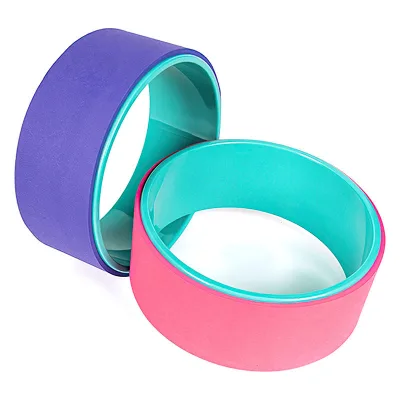
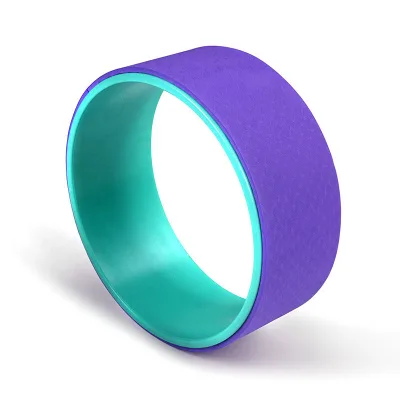
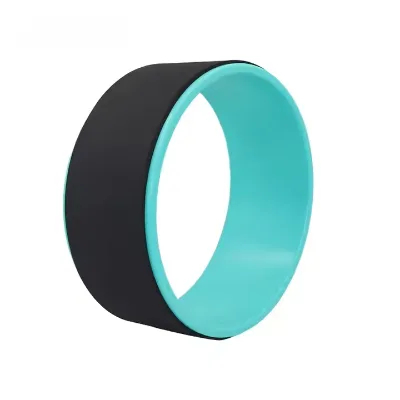
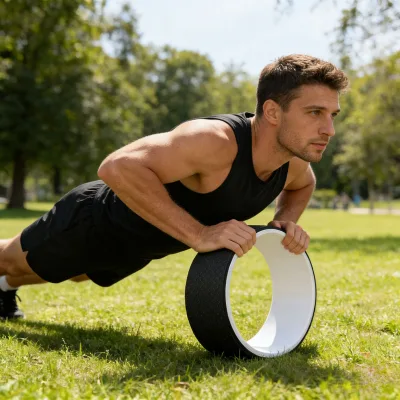


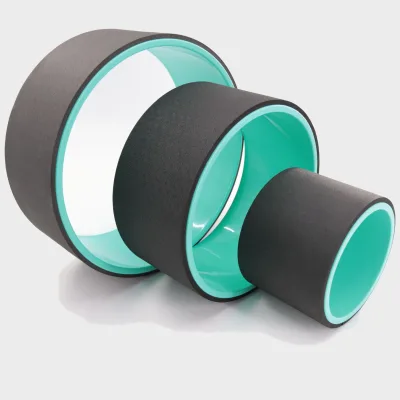

Eco-Friendly Workout Fitness Exercise Back Roller Yoga Gym Pilates Wheel
$1.99 - $11.50
MOQ: 300 Pieces

Hot Selling Double Color Fitness EVA PP Roller Anti-Slip Yoga Pilates Wheel
$1.99 - $11.50
MOQ: 300 Pieces

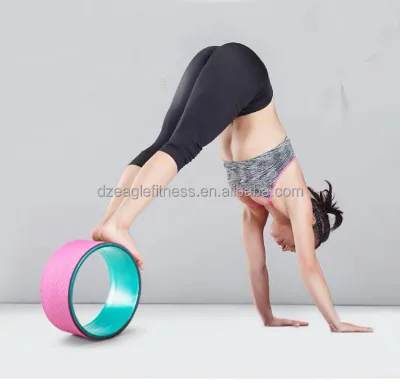
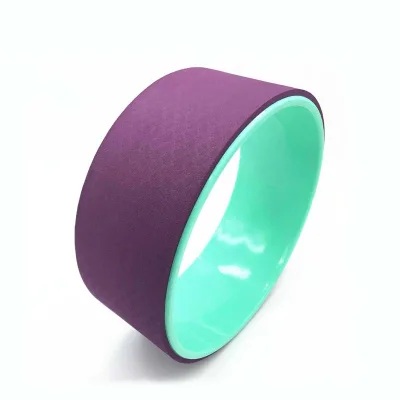

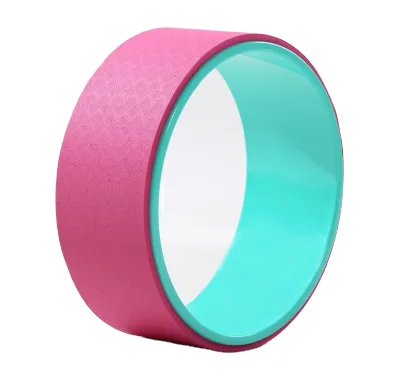


Comprehensive Sourcing Guide
Pilates Yoga Wheel Sourcing Guide
Sourcing pilates yoga wheels requires a disciplined approach to material verification and structural integrity, as these tools bear significant dynamic load during use. The market offers a variety of configurations, ranging from simple TPE constructions to complex ABS-reinforced frames, each serving different durability and weight-bearing needs. Buyers must distinguish between products designed for light home stretching and those engineered for commercial studio environments where high-frequency usage demands robust construction. Understanding the specific material composition is the first step in mitigating risk, as the interaction between the outer foam layer and the inner structural core determines the wheel’s lifespan and safety profile.
This guide focuses on evidence-based procurement strategies for pilates yoga wheels, leveraging observed market data and trusted category knowledge. It addresses the critical decision points involved in selecting suppliers, verifying technical specifications, and ensuring compliance with safety standards. By adhering to the structured verification steps outlined below, procurement professionals can minimize the risk of receiving substandard inventory and ensure that the final products meet the rigorous demands of both end-users and regulatory bodies. The following sections provide a comprehensive framework for evaluating suppliers and products without relying on unverified claims or speculative market data.
Product Scope and Observed Listing Signals
The current market landscape for pilates yoga wheels reveals a diverse range of product attributes, with observed price points ranging from $1.99 to $50 USD and minimum order quantities (MOQs) varying significantly from 1 to 5,000 pieces. This wide variance indicates a fragmented supply chain catering to both small-scale retailers seeking low-volume trials and large distributors requiring bulk inventory. High-confidence data points show that common model numbers include GP1423, GY317, and GP8221, with origins primarily reported in Jiangsu and Shanghai, China. Buyers should note that while some listings suggest an MOQ of 10 pieces, others indicate a baseline of 20 pieces, highlighting the need for direct negotiation to clarify volume commitments.
Product names and branding strategies also vary, with some suppliers offering generic "Yoga Wheel" descriptions while others promote branded items like "Get Power" or customizable options with logos. The observed color palette includes pink, purple, black, and green, with some suppliers offering fully customized color options to align with brand identity. Packaging is another key differentiator, with options ranging from standard OPP bags to custom packaging solutions, which can impact both product protection and retail appeal. Buyers must carefully review these listing signals to ensure that the product attributes align with their specific market positioning, whether that involves private labeling, specific color schemes, or particular packaging requirements.
Technical Specifications to Verify
Material composition is the most critical technical specification to verify, as it directly impacts the wheel’s durability and safety. Observed materials include TPE (Thermoplastic Elastomer), TPE with ABS (Acrylonitrile Butadiene Styrene), and combinations of TPE and PP (Polypropylene). The presence of ABS in the core structure, as seen in models like GY317 and YW001, typically indicates a higher load-bearing capacity compared to pure TPE constructions. Buyers should request detailed material breakdowns to understand the ratio of foam to structural core, ensuring that the product can withstand the dynamic pressure of yoga and pilates exercises without cracking or deforming.
Dimensional accuracy and weight are equally important for user experience and logistics planning. Observed sizes range from compact 28x12cm models to larger 33x13x6cm and 32x32x13cm variants, with single gross weights varying from approximately 1.0 kg to 2.0 kg. The diameter of the wheel, often cited as 32cm or 33cm, affects the range of motion and the depth of the stretch, so buyers must match these dimensions to their target demographic’s needs. Additionally, package dimensions, such as 34x14x14 cm or 35x35x14 cm, are essential for calculating shipping costs and storage requirements. Verifying these specifications against the supplier’s actual product samples is crucial to avoid discrepancies between marketing materials and the delivered goods.
Compliance and Safety Documentation
Safety certifications are non-negotiable for pilates yoga wheels, given the direct skin contact and physical stress involved in their use. Observed certifications include SGS, ROHS, 6P, and EN71, which indicate compliance with international standards for material safety and chemical restrictions. ROHS compliance ensures that the product is free from hazardous substances like lead and mercury, while EN71 certification is particularly relevant for products marketed in Europe, covering mechanical and physical safety. Buyers must request valid, up-to-date certification documents from suppliers and verify their authenticity through the issuing bodies, as counterfeit certificates are a known risk in the industry.
Beyond formal certifications, buyers should also inquire about specific test results related to load-bearing capacity and material durability. While exact test data is not provided in the observed listings, trusted category knowledge suggests that yoga wheels should undergo rigorous stress testing to ensure they can support the weight of an adult user during inversion or stretching exercises. Buyers should ask suppliers to provide test reports from accredited laboratories, focusing on parameters such as compression resistance, tear strength of the TPE layer, and the structural integrity of the ABS or PP core. This due diligence helps mitigate liability risks and ensures that the products meet the safety expectations of discerning consumers.
Cost Drivers and Commercial Terms
The cost of pilates yoga wheels is influenced by several key factors, including material quality, customization options, and order volume. Products with custom logos, colors, or packaging typically carry a premium due to the additional setup costs and lower production efficiency. The observed MOQ range of 1 to 5,000 pieces suggests that suppliers are flexible, but higher volumes often result in better unit pricing. Buyers should negotiate based on their projected annual requirements, seeking tiered pricing structures that reward larger commitments. It is also important to clarify whether the quoted price includes packaging, as custom packaging can significantly impact the total landed cost.
Shipping and logistics costs are another major component of the total procurement expense. The single package sizes and gross weights observed, such as 34x14x14 cm and 2.0 kg, indicate that these products are relatively bulky but lightweight, which can affect shipping rates depending on the mode of transport. Buyers should compare FOB (Free on Board) and CIF (Cost, Insurance, and Freight) quotes to understand the full cost implications. Additionally, lead times should be confirmed, as production schedules can vary based on the complexity of customization and the supplier’s current capacity. Clear communication regarding payment terms, such as deposits and balance payments, is essential to maintain a healthy cash flow and supplier relationship.
Supplier Qualification and Quality Control
Supplier qualification begins with a thorough assessment of their manufacturing capabilities and quality management systems. Buyers should verify the supplier’s place of origin, with Jiangsu and Shanghai being common hubs for yoga equipment manufacturing, and check for any relevant business licenses or export qualifications. Requesting factory audits or third-party inspection reports can provide valuable insights into the supplier’s production processes, workforce conditions, and quality control measures. Suppliers who are transparent about their operations and willing to accommodate inspections are generally more reliable partners.
Quality control protocols should be established before production begins, with clear acceptance criteria for material quality, dimensional accuracy, and cosmetic finish. Buyers should define acceptable tolerances for size variations and surface defects, and request pre-shipment inspections to ensure that the delivered goods meet these standards. Implementing a sampling process, where a random selection of units is tested for durability and safety, can help identify potential issues before the entire order is shipped. Establishing a clear communication channel for addressing quality disputes and defining remedies for non-conforming products is also crucial for maintaining long-term supplier relationships.
Long-Term Procurement Checks
Long-term procurement success depends on continuous monitoring of supplier performance and market trends. Buyers should regularly review supplier delivery times, product quality consistency, and responsiveness to issues, using this data to inform future ordering decisions. Keeping abreast of new material innovations and design improvements in the yoga wheel market can help buyers stay competitive and offer updated products to their customers. Engaging in periodic supplier reviews and feedback sessions can foster collaboration and drive continuous improvement in both product quality and service levels.
Additionally, buyers should maintain a diversified supplier base to mitigate risks associated with supply chain disruptions or quality failures. Building relationships with multiple suppliers in different regions can provide flexibility and bargaining power. Regularly updating product specifications and compliance requirements based on changing regulations and consumer preferences is also essential. By adopting a proactive and data-driven approach to procurement, buyers can ensure a steady supply of high-quality pilates yoga wheels that meet the evolving needs of their market.
FAQs
What materials are used for the yoga wheel?
The yoga wheel is constructed from TPE and ABS materials to ensure durability and safety. Some models also incorporate PP for added structural integrity. These materials provide a comfortable surface for various exercises while maintaining the wheel's shape under pressure.
Which certifications do the yoga wheels hold?
The products hold SGS, ROHS, 6P, and EN71 certifications to meet international safety standards. These certifications verify that the materials are non-toxic and safe for human use. Buyers can rely on these documented standards for quality assurance in their sourcing decisions.
Can I customize the logo on the yoga wheel?
Yes, customized logos are available through laser printing or debossing techniques. This allows brands to personalize the product for their specific needs. The customization options support various branding strategies for both commercial and home use applications.
What is the minimum order quantity for this product?
The minimum order quantity ranges from 10 to 20 pieces depending on the specific model selected. Some listings indicate a baseline of 10 pieces while others require 20 pieces. Buyers should verify the exact MOQ for their chosen model number before placing an order.
Where are these yoga wheels manufactured?
The products originate from manufacturing facilities in Jiangsu and Shanghai, China. These locations are known for producing high-quality fitness equipment. The specific place of origin may vary based on the model number and supplier selected.
How do I choose the right size for the wheel?
Available sizes include diameters of 28cm, 32cm, and 33cm to suit different user needs. The dimensions vary slightly between models like GP8221 and YW001. Selecting the correct size ensures proper support and effectiveness for yoga or pilates exercises.