Source Pilates Ladder Barrel with Jumpboard for Yoga, Fitness, and Core Training
Explore 30 listings for the Pilates Ladder Barrel with Jumpboard, featuring customizable options, CE and ISO certifications, and varying dimensions. Buyers can compare specifications like weight, packing size, and warranty terms to find suitable fitness equipment for studios and home use.
Key considerations
Products List


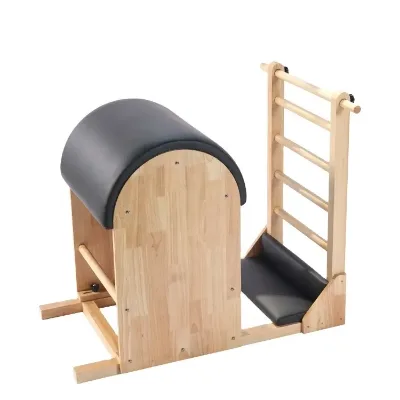

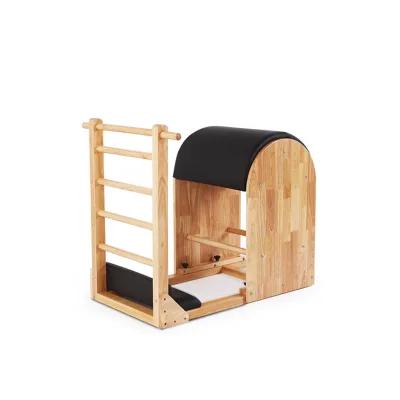


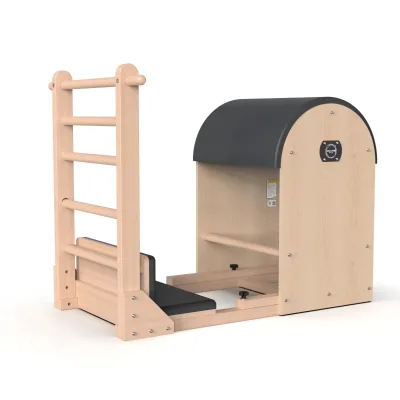
Gym Equipment Maple Wooden Adjustable Gym Fitness Yoga Pilates Ladder Barrel
$189.00 - $289.00
MOQ: 5 Pieces


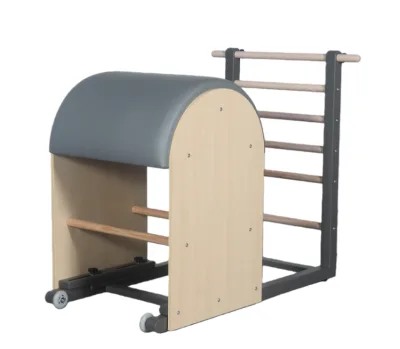
Home Gym Equipment Optional Wooden Adjustable Gym Fitness Pilates Ladder Barrel
$189.00 - $289.00
MOQ: 5 Pieces

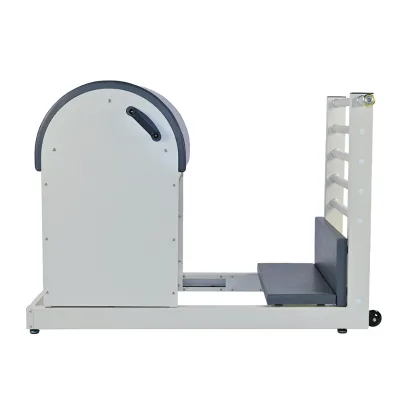
Premium Wood Oak or Maple Pilates Ladder Barrel for Home Fitness and Studio Use
$199.00 - $299.00
MOQ: 5 Pieces

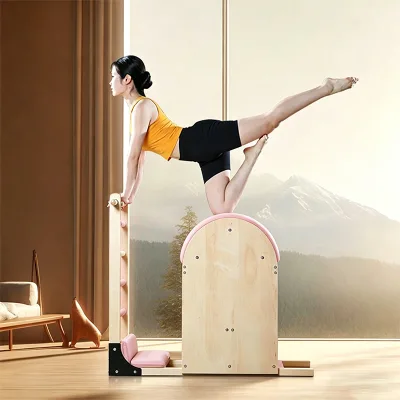
Multi-Functional Fitness Equipment Wooden Ladder Barrel for Pilates Workout
$189.00 - $289.00
MOQ: 5 Pieces

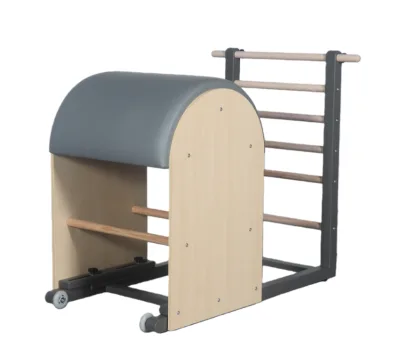
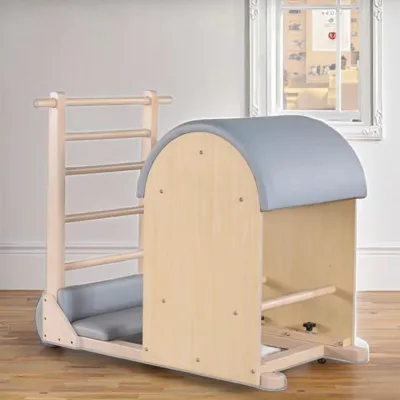
Comprehensive Sourcing Guide
Strategic Sourcing Guide for Pilates Ladder Barrels with Jumpboards
Understanding the Product Architecture and Core Specifications
The Pilates Ladder Barrel with Jumpboard represents a specialized piece of fitness equipment designed to enhance core strength, flexibility, and spinal articulation. Unlike standard reformers or mats, this apparatus combines a curved barrel structure with a ladder-like rungs system and an integrated jumpboard, allowing for a broader range of dynamic movements and resistance training. When evaluating the product architecture, buyers must distinguish between the structural frame, the padding density, and the mechanical integrity of the jumpboard mechanism.
Based on observed market data, the physical dimensions of these units vary significantly depending on the manufacturer and intended user base. Standard specifications often cite a product size of approximately 1200mm in length, 650mm in width, and 970mm in height, though some models extend to 1130mm by 1100mm by 690mm. The weight of the unit is a critical factor for both stability and logistics; observed weights range from 35kg to 73kg, with a common baseline around 45kg for standard commercial models. The jumpboard component is typically included as a standard part, often described as a "Long Box" or integrated platform, ensuring that the equipment is ready for immediate use upon assembly.
Material composition is another defining characteristic. High-quality units frequently utilize oak wood for the frame, prioritizing durability and a natural aesthetic that aligns with studio environments. The packaging dimensions are equally vital for procurement planning, with single package sizes ranging from 123cm x 68cm x 117.5cm to 110cm x 80cm x 98cm. Buyers should verify that the "Single Gross Weight" aligns with the net weight of the equipment to accurately calculate shipping costs, as the wooden packaging adds significant mass to the shipment.
Technical Compliance and Certification Verification
In the B2B fitness equipment sector, compliance with international safety and quality standards is non-negotiable. When sourcing a pilates ladder barrel, the primary certifications to verify are CE (Conformité Européenne) and ISO (International Organization for Standardization). These certifications indicate that the product meets specific safety, health, and environmental requirements. The presence of CE and ISO marks suggests that the manufacturer has undergone rigorous testing for structural integrity and material safety.
However, buyers must exercise caution regarding the specific application of these certifications. While the observed data confirms that CE and ISO are available for these products, the specific standard numbers (e.g., ISO 9001 for quality management or ISO 13485 for medical devices) are not explicitly detailed in general listings. Therefore, procurement teams should request the specific certificate documentation from the supplier to ensure the standards match the regulatory requirements of the target market. For instance, if the equipment is intended for commercial use in Europe, the CE marking must be accompanied by a Declaration of Conformity.
Additionally, the "prod_standard" field often references dimensional standards, such as 800mm x 730mm x 1360mm or 35kg weight standards. These figures should be treated as baseline observations rather than universal mandates. Buyers should verify if the supplier's specific model adheres to the dimensional tolerances required for their studio space. The origin of the product, often cited as Shandong or Zhejiang in China, provides context for the manufacturing ecosystem but does not guarantee a specific quality level without further due diligence.
Cost Drivers and Pricing Dynamics
The pricing of pilates ladder barrels with jumpboards is influenced by several distinct factors, primarily material quality, customization options, and logistics. The observed price range in the market spans from $86.63 to $500 USD. This wide variance indicates that the market offers products at different tiers of quality and feature sets. The lower end of the spectrum likely corresponds to basic models with standard padding and minimal customization, while the higher end reflects premium oak construction, enhanced jumpboard mechanisms, and extensive branding options.
Material costs are a significant driver of price. Units constructed from solid oak will inherently cost more than those using composite woods or lower-grade timber. Furthermore, the "Factory Directly Supply" attribute suggests that buyers may access more competitive pricing by bypassing intermediaries, provided they can manage the logistics and communication directly with the manufacturer. The inclusion of the jumpboard and long box as standard parts adds value, but the complexity of the jumpboard's spring tension system can also impact the final cost.
Customization is another major cost variable. The market supports both logo design and color customization. While the base price may be low, adding a custom logo or selecting a specific color (such as black or custom finishes) often incurs additional fees. Buyers should also consider the Minimum Order Quantity (MOQ), which ranges from 1 to 50 units. Purchasing a single unit for a small studio or testing phase will likely result in a higher per-unit cost compared to bulk orders that leverage economies of scale.
Typical Applications and Functional Versatility
The Pilates Ladder Barrel with Jumpboard is designed for a diverse range of applications, catering to both professional studios and individual fitness enthusiasts. The primary application is in Pilates studios, where it is used for advanced core strengthening, spinal decompression, and flexibility training. The equipment is particularly effective for strengthening the core muscles and improving body alignment, making it a staple in professional Pilates training environments.
Beyond dedicated Pilates studios, these units are increasingly utilized in general fitness centers, yoga studios, and rehabilitation clinics. The "Body Building" and "Exercise Training" features highlight its utility for strength conditioning. The jumpboard component allows for plyometric exercises and dynamic stretching, expanding the range of movements beyond traditional mat work. The equipment is suitable for adults, as indicated by the age specification, and is designed to support various skill levels from beginners to advanced practitioners.
The versatility of the product is further enhanced by its application in "Yoga Fitness Pilates Barre" settings. The combination of the ladder rungs and the jumpboard facilitates a wide array of exercises, including roll-overs, leg circles, and spring-loaded jumps. This multifunctionality makes it an attractive investment for facilities looking to maximize the utility of their floor space. The "Eco-friendly" feature noted in some listings also appeals to studios aiming to reduce their environmental footprint, provided the materials and manufacturing processes align with these claims.
Supplier Evaluation and Production Capabilities
Selecting the right supplier is critical for ensuring product quality and timely delivery. Key evaluation criteria include the supplier's production capacity, lead times, and commitment to quality control. The observed data indicates a production time of 3-5 work days for standard orders, which is relatively fast. However, this timeline may vary based on the complexity of customization requests, such as logo printing or color changes.
Buyers should prioritize suppliers who offer "Factory Directly Supply" to ensure transparency in the manufacturing process. This direct relationship often allows for better communication regarding quality control and faster resolution of any issues. The "Guarantee Time" of three years and "Warranty" of 10 years on parts are significant indicators of a supplier's confidence in their product. These warranty terms suggest that the manufacturer expects the equipment to withstand heavy commercial use, but buyers must clarify the specific terms and conditions of these warranties to avoid misunderstandings.
The origin of the product, typically from regions like Shandong or Zhejiang in China, provides insight into the manufacturing hub. These regions are known for their robust fitness equipment industries, but buyers should verify the specific factory's reputation and capacity. The availability of "Customization" and "Logo Design" services indicates that the supplier is flexible and capable of meeting specific branding needs. However, buyers should confirm the lead times for customized orders, as these may extend beyond the standard 3-5 day production window.
Quality Control and Long-Term Procurement Considerations
Quality control is paramount when sourcing heavy fitness equipment like the pilates ladder barrel. The structural integrity of the wooden frame, the tension of the jumpboard springs, and the durability of the padding are critical factors that determine the lifespan of the equipment. Buyers should request detailed quality control reports, including material test results and stress testing data, to ensure the product meets safety standards. The "Condition: New" attribute confirms that the equipment is not refurbished, but buyers should verify the packaging quality to prevent damage during transit.
Long-term procurement considerations include the availability of spare parts and the ease of maintenance. The "10 Years Parts" warranty suggests that the supplier is committed to supporting the product over an extended period. Buyers should inquire about the availability of replacement parts, such as springs, padding, or wooden components, and the lead times for these parts. The "Wooden Package" is designed to protect the equipment during shipping, but buyers should inspect the packaging upon receipt to ensure the product has not been compromised.
Additionally, the "Single Package Size" and "G.W/N.W" (Gross Weight/Net Weight) data are essential for logistics planning. Buyers should calculate the total shipping volume and weight to estimate freight costs accurately. The "Selling Units: Single item" attribute indicates that the equipment can be purchased individually, which is beneficial for small studios or pilot programs. However, for larger facilities, bulk purchasing may offer cost savings and ensure consistency across multiple units.
Comparative Analysis of Key Product Attributes
To facilitate a clearer understanding of the market landscape, the following table summarizes the key attributes observed in the sourcing data. This comparison highlights the variability in specifications and helps buyers identify the features that align with their specific needs.
| Attribute | Observed Range/Value | Relevance to Procurement |
|---|---|---|
| Product Name | Pilates Ladder Barrel | Confirms core identity and function. |
| Weight | 35kg - 73kg (Common: 45kg) | Impacts shipping costs and floor load requirements. |
| Dimensions | 1100x800x980mm to 1230x680x1175mm | Critical for studio space planning. |
| Material | Oak (Primary) | Determines durability and aesthetic appeal. |
| Certification | CE, ISO | Essential for market compliance and safety. |
| Warranty | 3 Years (General), 10 Years (Parts) | Indicates long-term reliability and supplier confidence. |
| MOQ | 1 - 50 Units | Affects initial investment and inventory strategy. |
| Lead Time | 3-5 Work Days | Influences project timelines and delivery schedules. |
| Customization | Logo, Color, Design | Adds value for branding but may increase cost/time. |
| Origin | Shandong, Zhejiang, China | Context for manufacturing capabilities and logistics. |
This comparative analysis underscores the importance of aligning specific product attributes with the buyer's operational requirements. By carefully evaluating these factors, procurement teams can make informed decisions that balance cost, quality, and functionality. The wide range of options available in the market allows for tailored solutions that meet the diverse needs of fitness facilities, from small boutique studios to large commercial gyms. Ultimately, successful sourcing of a pilates ladder barrel with a jumpboard requires a thorough understanding of these technical and commercial variables to ensure a seamless integration into the buyer's facility.
FAQs
What certifications do pilates ladder barrels with jumpboard have?
These units typically hold CE and ISO certifications to ensure safety and quality compliance. Buyers should verify specific certificate documents from the supplier to confirm they meet the regulatory standards of their target market before placing an order.
Can I customize the logo and color of this equipment?
Yes, the product supports both logo design and customized color options to match your studio branding. While customization is available, please note that these features may affect the production timeline and require confirmation of specific design details with the factory.
How long is the production time for a custom order?
The standard production time is 3 to 5 work days for most orders. This timeline may extend if you request specific customizations like logo printing or unique color finishes, so confirm the exact schedule with the manufacturer before finalizing the purchase.
What is the minimum order quantity for purchasing this barrel?
The minimum order quantity can be as low as 1 unit for single-item purchases. However, bulk orders ranging up to 50 units are also supported, often providing better pricing efficiency for larger studios or commercial facilities looking to equip multiple stations.
Which materials are used to construct the frame of this barrel?
High-quality units are frequently constructed using solid oak wood for durability and aesthetic appeal. This material choice ensures the frame can withstand heavy commercial use while maintaining a natural look suitable for professional yoga and Pilates studio environments.
What warranty coverage is provided for parts and the whole unit?
The product comes with a three-year guarantee time and a specific 10-year warranty on parts. This extensive coverage indicates the manufacturer's confidence in the equipment's longevity, though buyers should clarify the specific terms and conditions for any claims.
How does the weight of the unit affect shipping and stability?
The weight ranges from 35kg to 73kg depending on the specific model and packaging. This substantial weight ensures floor stability during intense exercises but also requires careful calculation of shipping costs based on the gross weight and wooden packaging dimensions.