Source Plastic Bucket for Chemical, Food, and Storage Needs
Explore 30 verified listings for Plastic Bucket options suitable for dye, lubricating oil, and edible packaging. Buyers can compare customization features, material types like PP and plastic, and dimensions ranging from small storage to large industrial barrels.
Key considerations
Products List

$2.66 - $2.90
MOQ: 1000 Pieces

$2.66 - $2.90
MOQ: 1000 Pieces


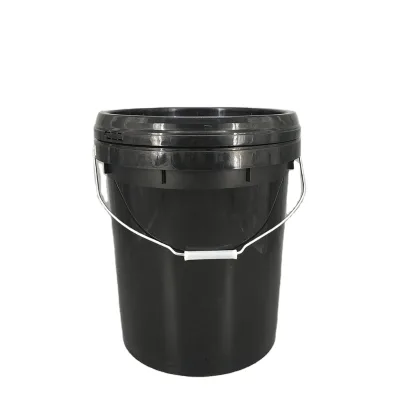


Comprehensive Sourcing Guide
Strategic Sourcing Guide for Plastic Bucket Procurement
Understanding Product Classification and Material Composition
The procurement of plastic buckets requires a precise understanding of product classification, as the term "Plastic Bucket" often encompasses a diverse range of industrial and consumer-grade containers. Based on current market data, the primary classification for these items is "Plastic Packaging Barrel," which serves as a versatile vessel for various liquid and semi-liquid substances. The material composition is a critical differentiator, with the most common base material identified as generic plastic, though specific high-performance variants utilize Polypropylene (PP). The selection between generic plastic and PP depends heavily on the intended chemical compatibility and thermal resistance required for the specific application.
Buyers must distinguish between buckets designed for heavy-duty industrial use and those intended for lighter storage tasks. The observed product attributes indicate that these containers are engineered for functions such as dye packaging, sealing, color printing, and the storage of aggressive chemicals like peracetic acid and hydrogen peroxide. Additionally, they are suitable for food-grade applications, including milk and edible packaging, as well as non-food uses like gasoline and water storage. The material choice directly influences the bucket's ability to withstand these diverse environments without degradation. While the general category is plastic, the specific mention of PP suggests a need for verification regarding the polymer grade to ensure it meets the chemical resistance standards required for the intended contents.
Technical Specifications and Dimensional Standards
Technical specifications for plastic buckets vary significantly based on the intended capacity and usage scenario. The market offers a wide range of dimensions, with specific models indicating precise measurements. For instance, one model, designated as Innopack-9, adheres to a standard dimension of 280195215mm. Another variant, the Innopack-20, measures 300275360mm, suggesting a larger capacity suitable for bulk storage. Smaller units, such as the Innopack-2 gallon, are recorded at 210185210mm, while other models like FY6215C are specified by volume, such as 14L, rather than external dimensions.
The diversity in dimensions implies that buyers cannot rely on a single standard size for all procurement needs. Some products are categorized by their shape, with "Round" being a common configuration, while others may be defined by their specific model numbers like AP1 or Innopack series. When evaluating suppliers, it is essential to verify that the physical dimensions match the logistical requirements of the supply chain, including palletization efficiency and storage space. The standard packaging for these items often involves PE bags for individual protection, though some bulk orders may be shipped in cartons or wrapped in non-woven fabric.
| Model Reference | Dimensions (mm) | Volume/Spec | Primary Material |
|---|---|---|---|
| Innopack-9 | 280195215 | Standard | Plastic |
| Innopack-20 | 300275360 | Standard | Plastic |
| Innopack-2 gallon | 210185210 | 2 Gallon | Plastic |
| FY6215C | N/A | 14L | Plastic |
| AP1 | 27B: 21H: 22.5cm | N/A | Plastic |
Compliance, Certification, and Safety Standards
Ensuring compliance with safety and quality standards is paramount when sourcing plastic buckets, particularly for applications involving food, chemicals, or outdoor use. While specific certification statuses vary by supplier, the presence of ISO certification is a recognized benchmark for quality management systems in the industry. Buyers should verify that the supplier holds valid ISO certification to ensure that their manufacturing processes adhere to international quality standards.
For products intended for outdoor applications, such as those used in gardens, patios, or hotels, weather resistance is a critical compliance factor. The market data indicates that certain products offer UV and rain resistance, which is essential for maintaining structural integrity under prolonged exposure to sunlight and moisture. Additionally, for metal components often integrated into bucket frames or lids, treatments such as galvanized metal are used to prevent corrosion. Buyers must confirm that any metal parts meet the necessary anti-corrosion standards for the specific environment of use.
When sourcing for food applications, such as milk or edible packaging, it is imperative to verify that the plastic material complies with food safety regulations. Although specific food-grade certifications are not explicitly listed in the general data, the classification of these buckets for "Edible Packaging" implies a requirement for non-toxic, food-safe materials. Procurement teams should request documentation confirming that the plastic resin used is approved for food contact in the target market, ensuring that no harmful substances leach into the contents.
Cost Drivers and Pricing Dynamics
The pricing of plastic buckets is influenced by several key factors, including material costs, production complexity, and order volume. The observed price range in the market spans from $0.40 to $40,000 USD, reflecting the vast difference between single-unit purchases and large-scale industrial orders. This wide range suggests that the unit price is highly dependent on the scale of the transaction and the specific customization required.
Minimum Order Quantity (MOQ) is a significant driver of cost efficiency. The market data shows an MOQ range from 1 to 5,000 units. Smaller orders, often suitable for prototyping or small businesses, may carry a higher per-unit cost due to setup and handling fees. Conversely, larger orders can leverage economies of scale to reduce the unit price. Buyers should carefully evaluate their inventory needs against the MOQ to optimize cash flow and storage costs.
Customization is another major cost factor. While customization is available for these products, the extent of customization—such as specific color printing, unique sealing mechanisms, or tailored dimensions—will impact the final price. Suppliers may charge additional fees for mold creation, specialized packaging, or unique finishing processes. Additionally, the origin of the product plays a role in pricing, with manufacturers in regions like Suzhou and Foshan, China, offering competitive rates due to established supply chains and manufacturing expertise. Buyers should request detailed quotes that break down material, labor, and customization costs to understand the true cost drivers.
Typical Applications and Usage Scenarios
Plastic buckets serve a multitude of applications across various industries, ranging from industrial chemical storage to consumer goods packaging. The functional versatility of these products is evident in their classification as suitable for dye packaging, sealing, color printing, and the storage of peracetic acid and hydrogen peroxide. This indicates a robust design capable of handling aggressive chemical environments without compromising structural integrity.
In the food and beverage sector, these buckets are utilized for packaging milk, beer, and other edible products. The material's ability to maintain hygiene and prevent contamination makes it ideal for food-grade applications. Furthermore, the buckets are used for storing gasoline and water, highlighting their utility in the automotive and utility sectors. The specific usage scenarios dictate the required features, such as leak-proof seals for liquids or robust handles for heavy lifting.
Beyond industrial and food applications, plastic buckets are also used in domestic and commercial settings. For instance, certain models are designed for bathroom storage, offering a compact solution for organizing sundries, tools, and tableware. The "Small" specification and "Classical Chinese Style" design elements suggest that some buckets are tailored for aesthetic integration into home environments. Additionally, outdoor applications include use in gardens, hotels, and restaurants, where weather resistance and durability are essential. The ability to fold or remain unfolded, as seen in certain metal-framed variants, adds to the versatility for storage and transport.
Supplier Evaluation and Quality Control
Evaluating suppliers requires a thorough assessment of their manufacturing capabilities, quality control processes, and logistical reliability. Key indicators of a reliable supplier include the ability to provide detailed product specifications, adherence to industry standards, and a track record of consistent quality. Buyers should verify the supplier's location, with major manufacturing hubs identified in Suzhou and Foshan, China, known for their expertise in plastic and metal packaging production.
Quality control is a critical aspect of the procurement process. Buyers should inquire about the supplier's testing protocols, particularly for chemical resistance, UV stability, and structural integrity. For products with metal components, verifying the galvanized treatment and welding quality is essential to prevent corrosion and ensure longevity. The warranty period, such as the 2-year warranty observed in some product listings, can serve as an indicator of the supplier's confidence in their product quality.
Logistical considerations, including lead times and packaging, are also vital. The production time for some items can be as fast as 15 days for a 40HQ container, indicating efficient manufacturing processes. However, buyers must confirm these timelines against their specific project schedules. Packaging methods, such as wrapping with non-woven fabric, covering with kraft paper, or carton packing, should be evaluated to ensure the products arrive in pristine condition. The ability to stack products with wheels or in bulk can also impact shipping efficiency and cost.
Long-Term Procurement Considerations
Sourcing plastic buckets is not merely a transactional activity but a strategic decision that impacts long-term operational efficiency and sustainability. Buyers should consider the environmental impact of the materials used, with "Eco-Friendly" being a notable feature in the market. Selecting suppliers who prioritize sustainable manufacturing practices and recyclable materials can enhance a company's corporate social responsibility profile.
The customization capabilities of suppliers offer a pathway to brand differentiation. By offering color printing and tailored designs, buyers can create branded packaging that enhances product visibility and customer loyalty. However, this requires a clear understanding of the customization process and the associated costs. Buyers should establish a long-term relationship with suppliers who can scale production as demand grows, ensuring a consistent supply of high-quality buckets.
Finally, the total cost of ownership should be evaluated, including factors such as durability, replacement frequency, and disposal costs. Buckets with superior weather resistance and structural integrity may have a higher initial cost but offer lower long-term expenses due to reduced replacement needs. By focusing on these long-term considerations, buyers can optimize their procurement strategy and achieve sustainable value from their Plastic Bucket investments.
FAQs
What materials are used for plastic buckets?
Plastic buckets are primarily made from generic plastic or Polypropylene (PP). Some variants also include metal frames treated with galvanized metal for added durability. The material choice depends on whether the bucket is intended for chemical storage or general food-grade applications like milk and water.
Which specifications are available for Plastic Bucket models?
Available models include Innopack-9 with dimensions of 280*195*215mm and Innopack-20 measuring 300*275*360mm. Smaller options like the Innopack-2 gallon are 210*185*210mm, while the FY6215C model is specified as 14L. Buyers should verify dimensions against their storage needs.
Can plastic buckets be customized for specific uses?
Yes, customization is available for these products to meet specific buyer requirements. Suppliers can accommodate needs for color printing, sealing, and specific packaging functions like dye or peracetic acid storage. Customization may affect lead times and unit pricing depending on the complexity of the request.
How are plastic buckets packaged for shipping?
Individual units are often packed in PE bags, while bulk orders may be shipped in cartons. Some metal-framed variants are wrapped in non-woven fabric and covered with kraft paper for protection. The packaging method depends on the specific product model and the shipping requirements of the order.
What is the lead time for Plastic Bucket orders?
Production time can be as fast as 15 days for a 40HQ container for certain items. The actual lead time varies based on the product model, customization level, and order volume. Buyers should confirm specific timelines with the manufacturer in Suzhou or Foshan, China.
Which certifications do Plastic Bucket suppliers hold?
Some suppliers hold ISO certification to ensure quality management standards are met. While not all products list specific food-grade or chemical resistance certifications, the ISO mark indicates adherence to international quality processes. Buyers should request documentation to verify compliance for specific applications like food or chemical storage.
What is the minimum order quantity for plastic buckets?
The minimum order quantity ranges from 1 to 5000 units depending on the supplier and product type. Smaller orders may incur higher per-unit costs, while larger volumes leverage economies of scale. Buyers should evaluate their inventory needs against these MOQ thresholds to optimize procurement costs.