Source plastic cloth decorative flowers for shoes bags and crafts
Find and compare 30 listings for plastic cloth decorative flowers for shoes, bags, and apparel embellishments. Options include woven polyester, embroidered lace, and 3D organza styles in various colors and sizes for daily use or wedding decoration.
Key considerations
Products List


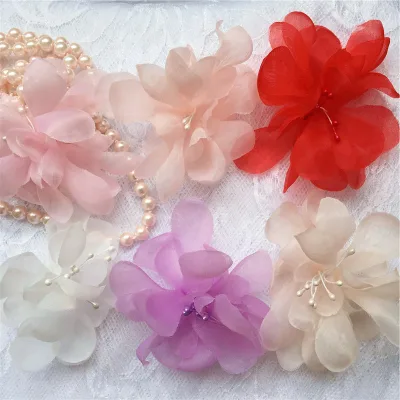


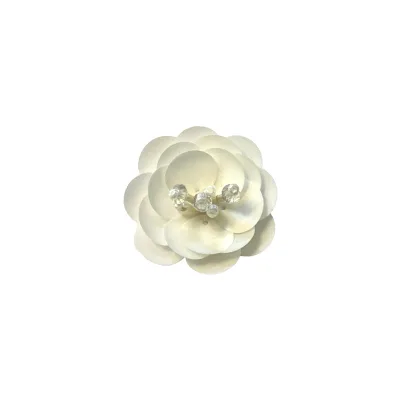
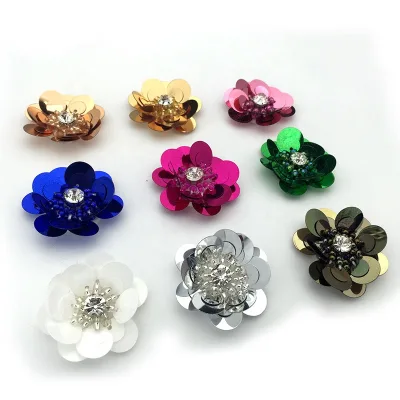
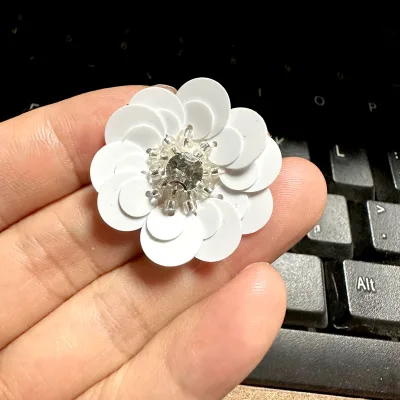

Artificial Flower, Rose Plastic Flowers. Plastic Flowers for Home Decoration
$4.36 - $5.00
MOQ: 2000 Sets
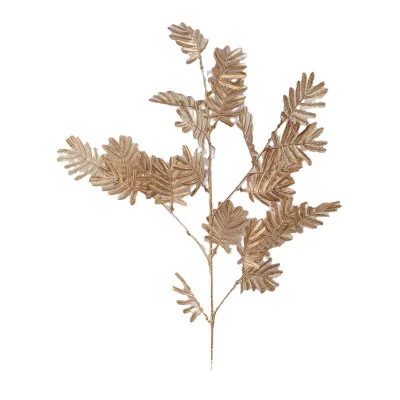
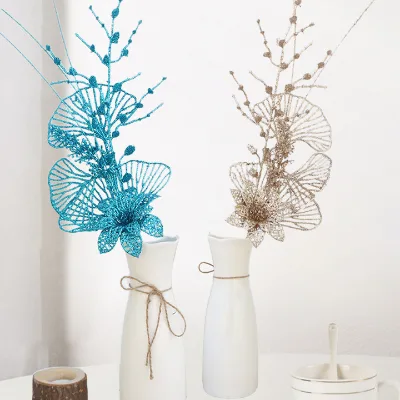
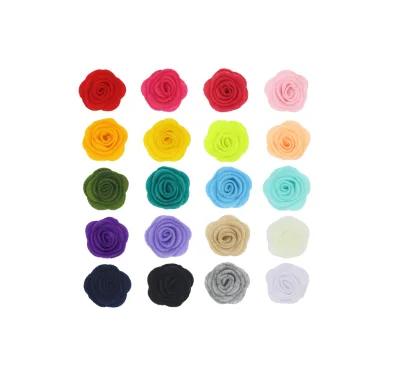
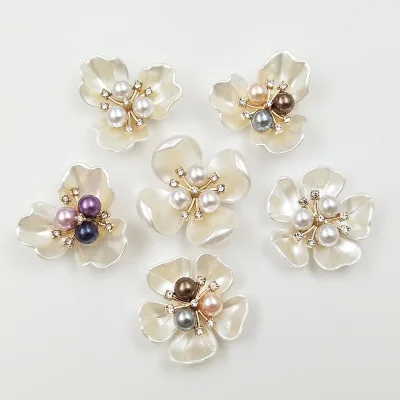
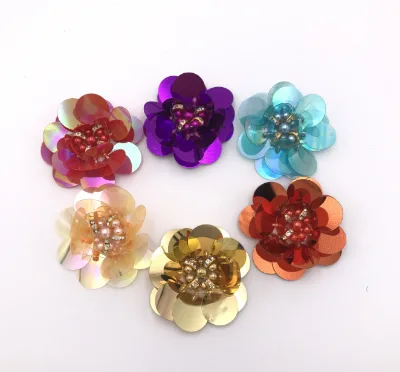
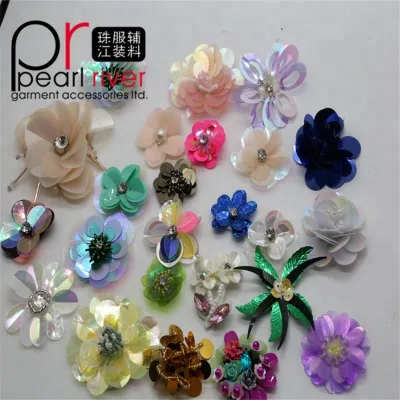


Background Fabric Orchid Flowers with Low Price for Ornamental Decoration
$0.12 - $0.35
MOQ: 100 Pieces


Chiffon Flower Ball Mesh Chiffon Red Artificial Flowers for Dress Fabric Decoration
$0.01 - $0.06
MOQ: 200 Pieces

Decorative Artificial Cloth Sunflower Flower Wedding Flower Cheap Wholesale
$0.38 - $0.48
MOQ: 2000 Pieces

Star Flowers Artificial Flower Synthetic Flower Plant Plastic Flower for Decoration
$0.65 - $0.66
MOQ: 1000 Pieces


Comprehensive Sourcing Guide
Plastic Cloth Decorative Flowers for Shoes and Bags Sourcing Guide
Sourcing decorative floral elements for footwear and apparel requires a nuanced understanding of material properties, aesthetic versatility, and supply chain reliability. The market for these accessories is diverse, ranging from rigid plastic hairpins to soft, woven polyester fabrics and delicate organza flowers. Buyers must navigate this variety by clearly defining their end-use requirements, whether for mass-market daily wear, high-end wedding accessories, or traditional apparel embellishments. The following guide provides a structured approach to evaluating suppliers, verifying technical specifications, and managing commercial risks associated with these decorative components.
Effective procurement begins with aligning product attributes with brand identity and target demographics. Observed listings indicate a strong preference for cute, animal-shaped, or abstract patterns in pink and purple hues, often targeting female consumers for daily use or special occasions. However, the supply base also includes industrial-grade polyester rolls and silk-based artificial flowers designed for home decoration or wedding handiwork. Understanding these distinctions is critical, as the manufacturing processes, quality control metrics, and cost structures for a single plastic hairpin differ significantly from those of a roll of embroidered lace or a bulk carton of organza blooms.
Product Scope and Observed Listing Signals
The current market landscape for plastic cloth decorative flowers exhibits a wide spectrum of material compositions and functional applications. Listings reveal products made from plastic, polyester, and silk, each serving distinct aesthetic and durability needs. For instance, plastic hairpins with animal shapes and cute styles are prevalent for daily use, particularly among younger demographics, while polyester-based 3D flowers and lace materials are often marketed for traditional apparel or DIY handmade projects. Buyers should recognize that "plastic cloth" is not a single standardized material but a category encompassing molded plastics, woven textiles, and non-woven fabrics, each requiring different inspection protocols.
Observed listing signals also highlight significant variations in packaging and customization options. Some suppliers offer small MOQs for single items like hairpins, while others provide bulk packaging such as 200 pieces per box or 200 meters per roll for fabric materials. Customization is widely available, allowing buyers to tailor colors, logos, and designs to specific brand requirements. However, the presence of "any size" standards or generic model numbers suggests that buyers must actively verify exact dimensions and tolerances rather than relying on generic catalog descriptions. This variability underscores the need for precise technical communication during the sourcing phase to avoid mismatches between ordered samples and final production runs.
Technical Specifications to Verify
Technical verification must focus on material composition, dimensional accuracy, and construction techniques. For plastic-based items, buyers should confirm the specific type of plastic used, its flexibility, and resistance to breakage, especially for items like hairpins that undergo mechanical stress. For textile-based flowers, verifying the fabric type—whether it is organza, polyester, or silk—is essential, as these materials differ in drape, sheen, and durability. Specifications such as width (e.g., 10CM for lace) and single package dimensions (e.g., 10X10X3 cm) provide baseline metrics, but buyers must request detailed technical drawings or physical samples to confirm that these dimensions align with their assembly processes.
Construction techniques also play a pivotal role in product quality and longevity. Listings mention techniques such as weaving, embroidery, and 3D molding, each offering different aesthetic outcomes and structural integrity. For example, embroidered flowers may offer higher detail but could be prone to thread unraveling if not properly secured, while woven fabrics might provide greater durability but less intricate design options. Buyers should verify the finishing processes, including edge sealing, colorfastness, and the stability of any attached components like pins or adhesives. Additionally, confirming the "single face" or "double face" nature of fabric materials is crucial for applications where the reverse side will be visible.
Compliance and Safety Documentation
Compliance and safety documentation are non-negotiable for decorative items intended for personal use, particularly those that come into contact with skin or hair. Buyers must ensure that all plastic components meet relevant chemical safety standards, such as restrictions on heavy metals, phthalates, and other hazardous substances. For textile-based flowers, verifying compliance with flammability standards and fiber content labeling is essential, especially if the products are marketed for children or used in regions with strict textile regulations. Although specific certification statuses are not universally listed, buyers should proactively request test reports from accredited laboratories to confirm that materials are free from harmful chemicals and allergens.
Safety considerations also extend to the physical design of the products. Items like hairpins must be free from sharp edges or points that could cause injury, and small components must be securely attached to prevent choking hazards, particularly for products targeted at younger users. Buyers should verify that suppliers adhere to general product safety guidelines, even if specific standards are not explicitly mentioned in listings. Additionally, for items marketed as "non-allergic" or "high quality," buyers should request evidence supporting these claims, such as dermatological testing results or material safety data sheets (MSDS), to mitigate liability risks and ensure consumer trust.
Cost Drivers and Commercial Terms
Cost structures for decorative flowers are influenced by material costs, production complexity, and order volume. Plastic items with simple molds may have lower unit costs but higher tooling expenses, while intricate embroidered or 3D flowers involve higher labor costs and longer production times. Buyers should analyze the relationship between MOQ and unit price, as smaller orders often incur higher per-unit costs due to setup and material waste. The observed MOQ range of 1 to 5000 pieces indicates flexibility, but buyers must negotiate terms that align with their inventory management strategies and cash flow constraints.
Commercial terms also include lead times, packaging requirements, and logistics arrangements. Sample order lead times, such as the 7-day support mentioned in some listings, are critical for rapid prototyping and quality validation. Buyers should clarify whether these lead times apply to standard or customized products, as customization often extends production schedules. Packaging details, such as carton packages or individual rolls, impact storage and shipping costs, so buyers should evaluate the efficiency of the supplier’s packaging solutions. Additionally, understanding the supplier’s policy on logo printing and customization fees is essential for accurate budgeting, as these services can significantly affect the final landed cost.
Supplier Qualification and Quality Control
Supplier qualification requires a thorough assessment of manufacturing capabilities, quality management systems, and past performance. Buyers should verify the supplier’s location, such as Zhejiang or Guangdong, as these regions are known for specific manufacturing strengths in plastics and textiles, respectively. However, geographic location alone does not guarantee quality, so buyers must conduct on-site audits or request third-party inspection reports to evaluate production facilities, equipment, and workforce training. Focus on suppliers who demonstrate consistent quality control processes, including in-line inspections and final random sampling, to ensure that products meet specified standards.
Quality control protocols should be established before production begins, with clear acceptance criteria for defects, color consistency, and dimensional accuracy. Buyers should define acceptable quality limits (AQL) for various defect types, such as broken pins, loose threads, or color mismatches, and communicate these standards to the supplier. Regular communication and sample approvals are essential to maintain quality throughout the production run. Additionally, buyers should assess the supplier’s responsiveness to issues and their ability to provide corrective actions when defects are identified, as this agility is crucial for maintaining supply chain continuity and minimizing disruptions.
Long-Term Procurement Checks
Long-term procurement success depends on continuous monitoring of supplier performance, market trends, and regulatory changes. Buyers should establish key performance indicators (KPIs) for delivery reliability, product quality, and customer service, reviewing these metrics regularly to identify areas for improvement. Staying informed about emerging materials, such as eco-friendly plastics or sustainable textiles, can provide competitive advantages and align with evolving consumer preferences. Buyers should also monitor regulatory updates in target markets to ensure ongoing compliance with safety and labeling requirements, adapting sourcing strategies as needed.
Building strong, collaborative relationships with suppliers is essential for securing favorable terms, priority production slots, and innovative product developments. Regular business reviews and open communication channels can foster trust and mutual growth, enabling both parties to address challenges proactively. Buyers should also diversify their supplier base to mitigate risks associated with single-source dependencies, ensuring resilience against supply chain disruptions. By maintaining a strategic approach to supplier management and market analysis, buyers can optimize their sourcing operations and achieve long-term value from their procurement of plastic cloth decorative flowers.
FAQs
What materials are used for these decorative flowers?
The products are primarily made from plastic and polyester materials. Some specific items feature 100% polyester or silk components. These materials ensure durability and a soft texture suitable for various applications.
Can I customize the design and color of the flowers?
Yes, customization is available for these decorative items. Buyers can select from colors like pink, purple, red, and yellow. The style can be adjusted to meet specific requirements for shoes or bags.
What is the minimum order quantity for these products?
The minimum order quantity varies by product, ranging from 1 to 5000 units. Some specific listings require a minimum of 288 pieces. Buyers should check individual product pages for exact MOQ requirements.
How long does it take to receive a sample order?
Sample orders can be supported with a lead time of 7 days. This allows buyers to verify quality before placing larger orders. The packaging for samples is typically compact to reduce shipping costs.
Where are these decorative flowers manufactured?
The products originate from manufacturing locations in Zhejiang and Guangdong, China. These regions are known for producing high-quality textile and plastic accessories. Buyers can expect reliable production capabilities from these areas.
What occasions are these flowers suitable for?
These flowers are suitable for daily use and decoration at weddings. They serve as handmade materials for traditional apparel and home decoration. The versatile design makes them appropriate for various seasonal needs.