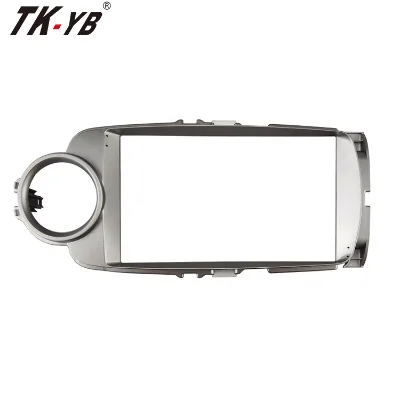
Source Plastic Car Radio Frame for Toyota Prius C, Digital Interface, and Speaker Grille
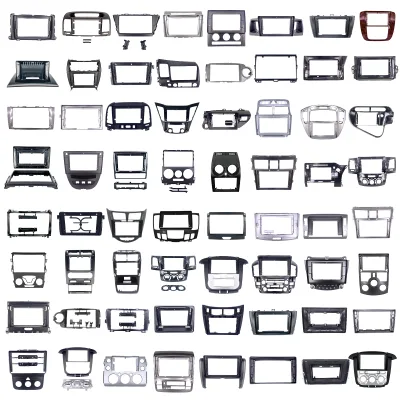
Compare 30 verified options for a Plastic Car Radio Frame designed for Toyota Prius C, digital interface installations, and speaker grilles. Buyers can evaluate specifications like resolution, connectivity, and fitment across multiple models from Guangdong and Zhejiang suppliers.
Key considerations
Products List
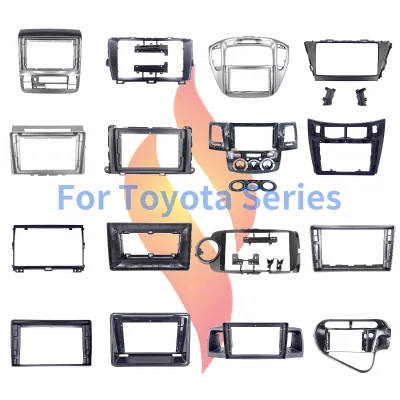


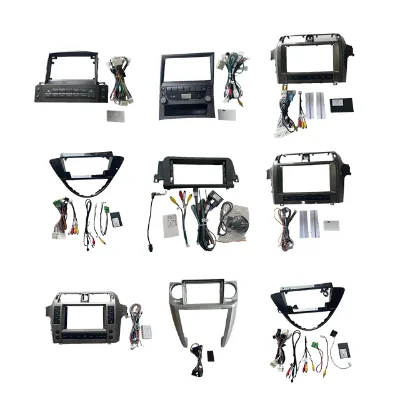
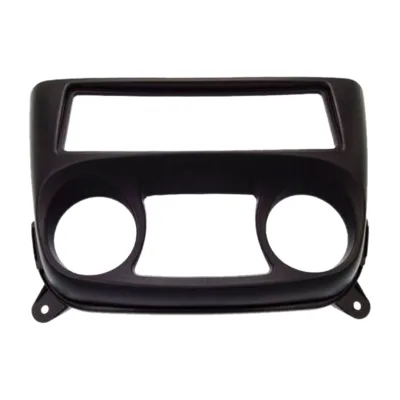


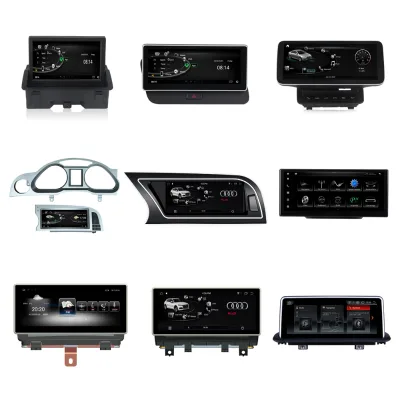
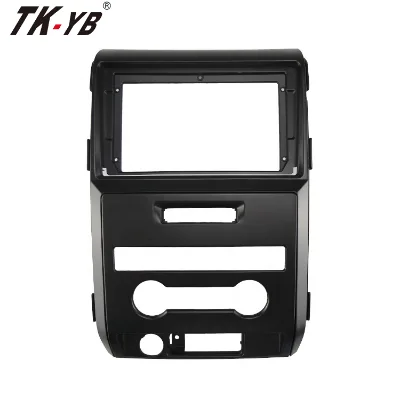
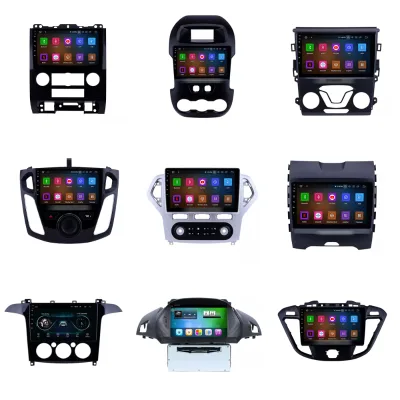
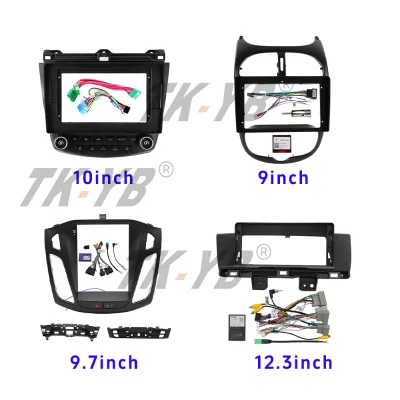


Comprehensive Sourcing Guide
Strategic Sourcing Guide for Plastic Car Radio Frames
Understanding Product Specifications and Functional Requirements
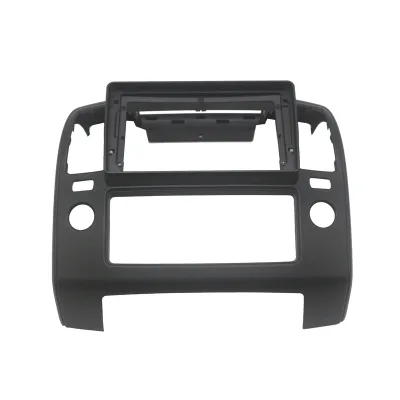
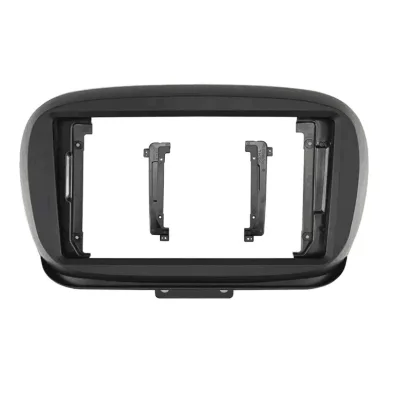
When sourcing plastic car radio frames, buyers must first distinguish between the structural housing and the electronic interface components often bundled in search results. The core product, a radio frame for digital interface installation, serves as the mounting infrastructure that secures the head unit within a vehicle's dashboard. Based on observed market data, these components are frequently engineered for specific vehicle fitments, with a notable concentration on Toyota models, including the Prius C. The structural integrity of the frame is paramount, as it must withstand vibration, temperature fluctuations, and the mechanical stress of daily vehicle operation.
The material composition is a primary differentiator in this category. While the search term specifies "plastic," the market data indicates a diverse range of materials, including high-grade plastics and, in some instances, iron-based components for reinforcement or specific grille applications. The plastic variants are often selected for their lightweight properties and ability to be molded into complex shapes that match the aerodynamic and aesthetic contours of modern dashboards. Key attributes to verify include the "Build-in 2DIN" form factor, which dictates the physical dimensions and mounting depth. The standard size for many units is observed around 40x30x20 cm for the single package, though the actual frame dimensions vary based on the specific vehicle model year, such as the 2012-2014 Toyota Prius C range.
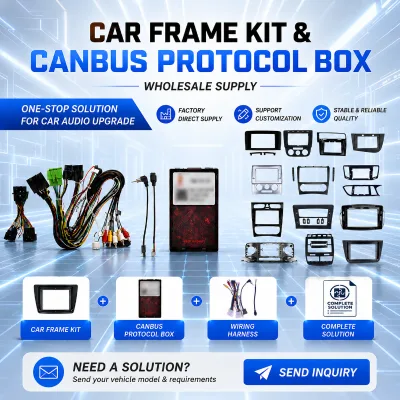
Buyers should also evaluate the accessory integration capabilities. A complete radio frame solution often includes a wire harness and a CANbus interface, which facilitates communication between the new head unit and the vehicle's existing electronic systems. The presence of a CANbus number, such as RP5-TY-101, suggests a specific compatibility layer that prevents error messages on the vehicle's dashboard. Furthermore, the frame must accommodate various display types, including OLED, LCD, TFT, and IPS screens, as well as capacitive touch screens. The frame design must ensure that the screen is flush with the dashboard or properly recessed, depending on the vehicle's original design intent.
Compliance, Certification, and Safety Standards
In the automotive aftermarket, compliance is not merely a regulatory formality but a critical factor in product liability and customer satisfaction. While specific certification names are not universally listed for every plastic frame in the general market, buyers must verify that the materials used meet automotive safety standards. The production origin, often cited as Guangdong or Zhejiang in China, implies a need for rigorous quality assurance, as these regions host a high volume of automotive component manufacturers.
Buyers should request documentation regarding the flammability and toxicity of the plastic materials used. Automotive interiors are subject to strict regulations regarding fire resistance, particularly in the event of an accident or electrical short circuit. The frame material should not emit toxic fumes when exposed to high heat. Additionally, the "Standard Export Packing" mentioned in supplier data suggests adherence to international shipping standards, but this does not automatically equate to automotive safety certification.
The "One Stop Shop Service" offered by some suppliers may include assistance with compliance documentation, but this should be treated as a value-added service rather than a guarantee of certification. Buyers must independently verify that the product meets the safety standards of the destination market, whether it be the European Union's E-mark requirements, the United States' FMVSS standards, or other regional regulations. The absence of a specific certification claim in the product description should prompt a direct inquiry to the supplier regarding the specific tests performed on the plastic resin and the final assembly.
Cost Drivers and Pricing Dynamics
The pricing of plastic car radio frames is influenced by a complex interplay of factors, including material costs, manufacturing complexity, and order volume. The observed price range in the market spans from $0.10 to $70.09 USD, a wide disparity that reflects the difference between basic mounting brackets and comprehensive kits with integrated electronics and CANbus interfaces. The lower end of the spectrum typically represents the raw plastic frame or a simple grille, while the higher end includes units with built-in features, custom branding, or specialized fitments for specific model years.
Volume is a significant cost driver. The Minimum Order Quantity (MOQ) ranges from 1 to 3000 units, indicating that suppliers are willing to accommodate both small-scale testing and large-scale distribution. However, the unit price is rarely linear; bulk orders often secure a lower per-unit cost due to economies of scale in molding and assembly. Buyers should note that "Small Orders" are accepted by many suppliers, which is beneficial for prototyping or testing new product lines before committing to large inventory.
Additional cost factors include the customization options available. The "Customization: Available" attribute suggests that buyers can request specific colors, logos, or structural modifications, which will inevitably increase the unit cost and potentially the lead time. The inclusion of accessories like wire harnesses and CANbus modules also adds to the final price. When evaluating cost, buyers must consider the total cost of ownership, including shipping, which is affected by the single gross weight of 0.500 kg per unit and the packaging volume. Efficient packaging, such as the use of bubble plastic bags and EPA foam, adds to the cost but is essential for preventing damage during transit.
Typical Applications and Vehicle Fitment
The primary application of plastic car radio frames is the replacement or upgrade of factory-installed head units in vehicles. The market data highlights a strong focus on Toyota vehicles, specifically the Prius C, with fitment years ranging from 2012 to 2014. This specificity underscores the importance of precise fitment in the automotive aftermarket. A frame that does not align perfectly with the dashboard cutout can lead to rattling, poor sound quality, and an unprofessional appearance.
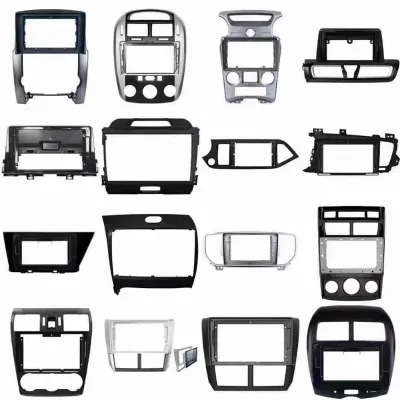
Beyond the specific Toyota models, the "Many Size Available" attribute indicates that suppliers cater to a wide variety of vehicle makes and models. The "Type: Speaker Grille" classification suggests that these frames often serve a dual purpose, acting as both a mounting bracket and a decorative element that integrates with the vehicle's speaker system. The "Cone: Plastic" attribute further supports the idea that these components are designed to work in conjunction with the vehicle's audio system, ensuring that sound waves are directed correctly without obstruction.
Buyers should also consider the "Style: Portable" aspect, which may apply to aftermarket solutions designed for temporary installation or mobile use cases. However, the "Build-in 2DIN" specification points to a more permanent installation method. The versatility of these frames allows them to be used in various contexts, from standard retail replacements to specialized installations in fleet vehicles or custom audio builds. The "Service: One Stop Shop Service" implies that suppliers may offer guidance on installation, which is crucial for buyers who may not have technical expertise in automotive electronics.
Supplier Evaluation and Verification Protocols
Evaluating a supplier for plastic car radio frames requires a multi-faceted approach that goes beyond simple price comparison. Buyers should prioritize suppliers who provide detailed product specifications, including the "Model Number" (e.g., TO 379N, FP-1371, AG-6910) and "Brand Name" (e.g., Simple Soft, fepe, CLS). These identifiers are essential for tracking product lineage and ensuring consistency in future orders.
The "Sample: 7 Days" lead time for samples is a critical metric for supplier reliability. A short sample turnaround indicates a responsive supply chain and a willingness to engage with potential buyers. Buyers should request samples to physically inspect the quality of the plastic, the precision of the molding, and the fitment accuracy. The "Delivery Time" of 25-35 days for bulk orders is another key indicator of production capacity and logistical efficiency.
Suppliers should be vetted for their ability to handle customization requests. The "Customization: Available" attribute suggests flexibility, but buyers must verify the supplier's capacity to execute these changes without compromising quality. Questions regarding the "prod_standard" and "prod_packing" should be addressed to ensure that the supplier adheres to consistent quality control measures. The "Standard Export Packing" mentioned in the data is a baseline, but buyers should inquire about the specific materials used for protection, such as the "Bubble plastic bag" and "EPA foam," to ensure that the frames arrive in perfect condition.
Quality Control and Inspection Procedures
Quality control is the backbone of a successful procurement strategy for automotive components. Given the critical nature of the radio frame in the vehicle's interior, buyers must implement rigorous inspection protocols. The "Single gross weight" of 0.500 kg per unit can be used as a baseline for verifying that the correct amount of material is used in each frame. Deviations from this weight could indicate material shortages or the inclusion of excess packaging.
Visual inspection is the first line of defense. Buyers should check for defects such as warping, uneven surfaces, or discoloration, which can indicate poor molding processes or the use of substandard plastic. The "Colur: Black etc" attribute suggests that color consistency is a potential issue, especially if the frames are intended to match specific vehicle interiors. Buyers should request color swatches or samples to verify that the black or other colors match the required standard.
Functional testing is also essential, particularly for frames that include integrated features like CANbus interfaces. The "CANbus No.: RP5-TY-101" should be verified against the vehicle's specifications to ensure compatibility. The "Noise: <95dB" specification, while likely referring to the audio system rather than the frame itself, highlights the importance of acoustic performance. Buyers should ensure that the frame design does not introduce rattling or resonance that could degrade the audio experience.
Long-Term Procurement and Supply Chain Resilience
Long-term procurement of plastic car radio frames requires a strategic approach to supply chain management. The "Lead Time" of 25-35 days for delivery indicates that buyers should plan their inventory levels carefully to avoid stockouts. The "Warranty: 1 Year" offered by some suppliers provides a safety net for defective products, but buyers should clarify the terms of this warranty, including the process for returns and replacements.
The "Year: 2012-2014" fitment data suggests that the product lifecycle is tied to specific vehicle models. As these vehicles age, the demand for replacement frames may fluctuate. Buyers should monitor market trends and adjust their inventory accordingly. The "Small Orders: Accepted" policy allows for flexibility in ordering, enabling buyers to adapt to changing demand without being locked into large, inflexible contracts.
Sustainability is an emerging consideration in the automotive industry. Buyers should inquire about the recyclability of the plastic materials used and the environmental impact of the manufacturing process. The "Standard Export Packing" should be evaluated for its environmental footprint, with a preference for recyclable or biodegradable packaging materials. By prioritizing suppliers who demonstrate a commitment to sustainability, buyers can future-proof their procurement strategy and align with evolving consumer expectations.
Conclusion
Sourcing plastic car radio frames requires a comprehensive understanding of technical specifications, compliance requirements, and supply chain dynamics. By focusing on the specific needs of the target vehicle market, such as the Toyota Prius C, and verifying the quality and reliability of suppliers, buyers can secure a steady supply of high-quality components. The wide range of prices, MOQs, and customization options available in the market offers flexibility, but it also demands careful evaluation to ensure that the selected products meet the necessary standards for safety, performance, and durability. Through rigorous quality control and strategic supplier relationships, buyers can build a resilient supply chain that supports their business objectives in the competitive automotive aftermarket.
FAQs
What is the typical fitment for this Plastic Car Radio Frame?
This frame is designed specifically for Toyota Prius C models from 2012 to 2014. It functions as a radio frame for digital interface installation to ensure a secure fit within the dashboard.
Which materials are used to construct the Plastic Car Radio Frame?
The primary material is plastic, though some components may include iron for reinforcement. The frame is molded to match vehicle contours and includes a plastic cone for speaker integration.
How long does it take to deliver bulk orders of this frame?
The standard delivery time ranges from 25 to 35 days for production and shipping. Buyers should plan their inventory accordingly to avoid stockouts during this lead time period.
Can I customize the color or design of the Plastic Car Radio Frame?
Yes, customization is available for specific colors and structural modifications. Buyers should note that custom requests may impact the unit cost and potentially extend the production timeline.
What accessories are included with the Plastic Car Radio Frame?
The set typically includes a wire harness, CANbus interface, and the frame itself. Specific CANbus numbers like RP5-TY-101 ensure compatibility with the vehicle's existing electronic systems.
What is the minimum order quantity for purchasing this frame?
The minimum order quantity ranges from 1 to 3000 units depending on the supplier. Small orders are accepted, making it feasible for testing new product lines before committing to large inventory.
Which display types are compatible with this Plastic Car Radio Frame?
The frame supports various display types including OLED, LCD, TFT, IPS, and capacitive touch screens. It is designed to accommodate 9-inch screens and other build-in 2DIN configurations.