Source Plastic Motorcycle Fuel Tank for bikes, scooters, and ATVs
Compare 30 listings for Plastic Motorcycle Fuel Tank options with capacities ranging from 6L to 13L. Buyers can evaluate customization, certifications, and lead times for various motorcycle applications.
Key considerations
Products List


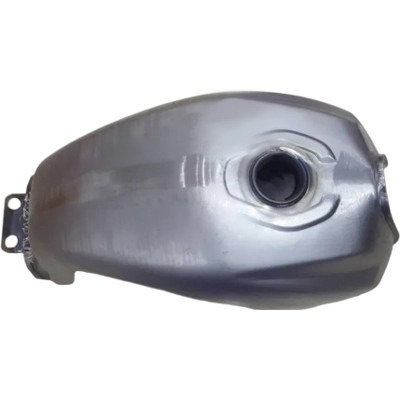
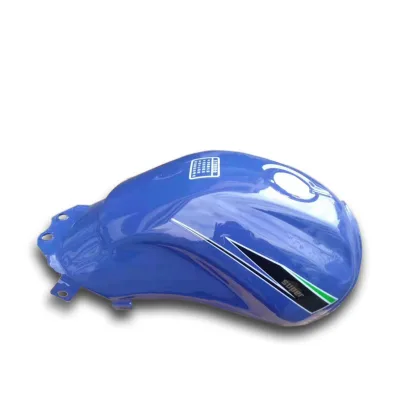
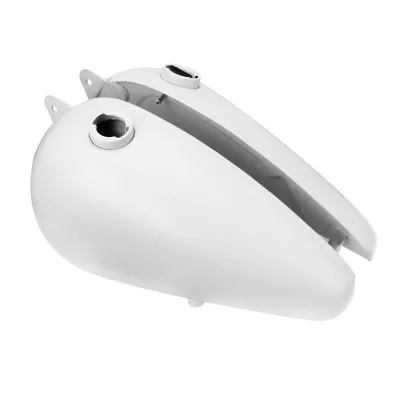
Fuel tank Motorcycle Fuel System Motorcycle Fuel Tank Moped Tanks for Haojue125
$9.90 - $13.98
MOQ: 100 pieces
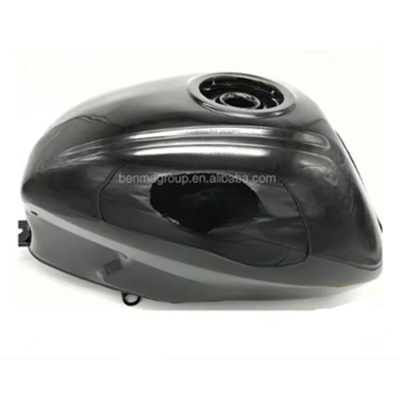

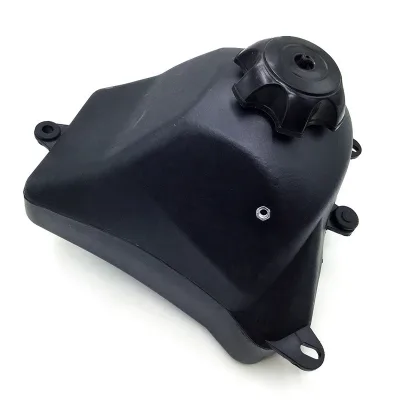
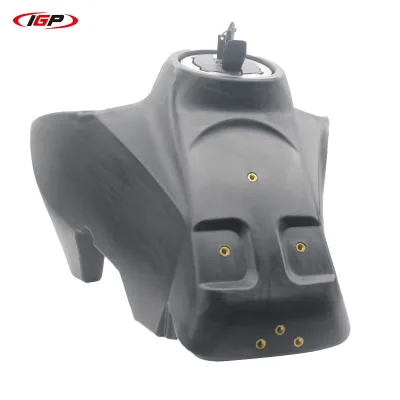
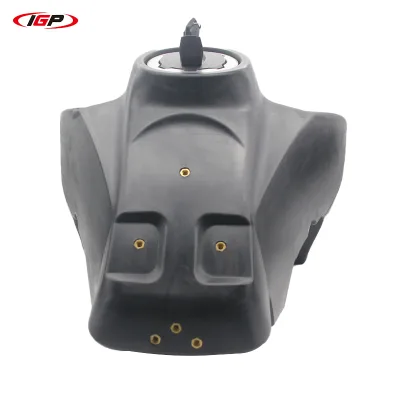
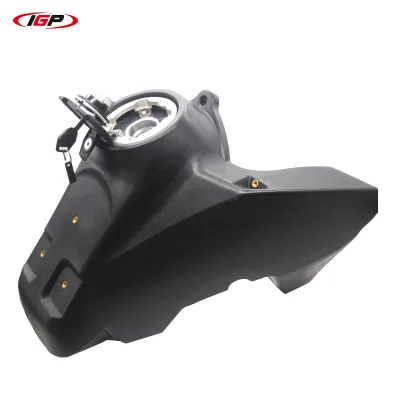
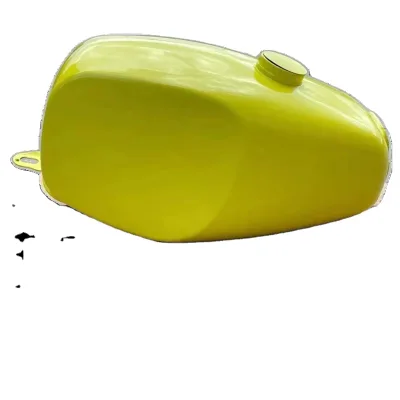
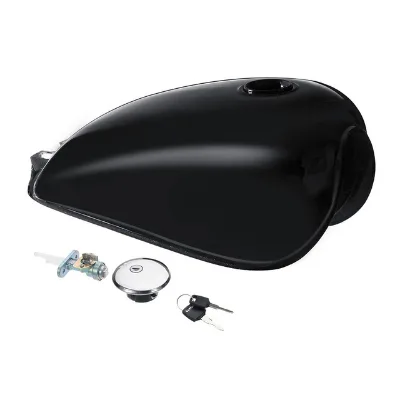

Plastic Motorcycle Fuel Tank/Oil Tank for 70cc 90cc 100cc 110cc Motorcycles Scooters
$8.00 - $10.00
MOQ: 100 Pieces

Comprehensive Sourcing Guide
Plastic Motorcycle Fuel Tank Sourcing Guide
Sourcing plastic motorcycle fuel tanks requires a careful balance of material science, regulatory compliance, and manufacturing precision. Unlike traditional metal tanks, plastic variants offer distinct advantages in weight reduction, corrosion resistance, and design flexibility, making them increasingly popular in modern motorcycle engineering. Buyers must navigate a complex landscape of material specifications, certification requirements, and production capabilities to ensure the final product meets both performance standards and aesthetic expectations. This guide provides a structured approach to evaluating suppliers and products, focusing on the critical factors that influence quality, cost, and delivery timelines.
The procurement process begins with a clear understanding of the product scope and the specific signals present in supplier listings. By analyzing observed data points such as material types, capacity ranges, and customization options, buyers can filter out irrelevant offerings and focus on suppliers who align with their technical requirements. This guide emphasizes evidence-based decision-making, relying on verified attributes and trusted industry knowledge to construct a robust sourcing strategy. The goal is to empower buyers with the insights needed to negotiate effectively, mitigate risks, and secure high-quality fuel tanks that enhance the overall performance and safety of their motorcycle models.
Product Scope and Observed Listing Signals
The market for plastic motorcycle fuel tanks exhibits a diverse range of product specifications, reflecting the varied needs of different motorcycle segments. Observed listings indicate a capacity range spanning from 6 liters to 13 liters, suggesting that suppliers cater to both compact commuter bikes and larger touring or off-road models. The primary materials identified in these listings are Polyethylene (PE) and Linear Low-Density Polyethylene (LLDPE), which are chosen for their durability, chemical resistance, and suitability for rotational molding processes. These materials are critical for ensuring that the tank can withstand the corrosive effects of ethanol-blended fuels while maintaining structural integrity under various operating conditions.
Customization is a prominent feature in the current market, with many suppliers offering tailored solutions for shape, color, and branding. Listings frequently highlight the ability to customize the tank's geometry to fit specific motorcycle frames, as well as the option to add logos and select colors such as silver. This flexibility is particularly valuable for original equipment manufacturers (OEMs) and aftermarket customizers who require unique designs to differentiate their products. Additionally, the presence of hidden installation types and electric start compatibility in some listings suggests that these tanks are designed for modern, integrated motorcycle systems where aesthetics and functionality must coexist seamlessly.
Technical Specifications to Verify
When evaluating plastic fuel tanks, verifying the technical specifications is paramount to ensuring compatibility and performance. Buyers should closely examine the dimensional standards provided by suppliers, such as the observed dimensions of 435.7223.8155mm and 452.5287.2261.6 mm, to ensure they match the spatial constraints of the target motorcycle chassis. It is essential to confirm that the tank's internal volume aligns with the required fuel capacity, as discrepancies can lead to range anxiety or packaging issues. Furthermore, the weight of the tank, observed at approximately 1.5 kg to 1.7 kg, is a critical factor in overall vehicle weight optimization, and buyers should verify that the material density and wall thickness meet their performance criteria.
The manufacturing process and finishing details also require rigorous verification. Suppliers often specify packaging methods such as film+carton or marine-grade carton, which are crucial for protecting the tank during transit, especially for international shipments. Buyers should inquire about the specific rotational molding techniques used, as these influence the uniformity of the wall thickness and the absence of weak points. Additionally, the availability of drawing formats like PDF and DXF is a significant indicator of a supplier's technical maturity, allowing for precise engineering integration and reducing the risk of fitment errors during assembly.
Compliance and Safety Documentation
Compliance with international safety and environmental standards is non-negotiable when sourcing plastic fuel tanks. Listings frequently mention certifications such as CE, RoHS, and ISO9001, which serve as indicators of a supplier's commitment to quality management and environmental responsibility. The CE mark, in particular, is essential for products intended for the European market, signifying that the tank meets strict health, safety, and environmental protection requirements. Buyers must verify the validity of these certifications and ensure that they are issued by recognized bodies, as counterfeit or outdated certificates can lead to significant legal and reputational risks.
Beyond certifications, buyers should request detailed documentation regarding the material's compatibility with various fuel types, including ethanol blends. It is crucial to confirm that the PE or LLDPE material used has been tested for permeability and chemical resistance to prevent fuel leakage and environmental contamination. Additionally, suppliers should provide evidence of compliance with relevant industry standards for fuel system components, such as those related to vapor recovery and pressure testing. This documentation not only ensures regulatory compliance but also provides peace of mind regarding the long-term reliability and safety of the fuel tank in real-world operating conditions.
Cost Drivers and Commercial Terms
The cost of plastic motorcycle fuel tanks is influenced by several key factors, including material prices, production volume, and customization complexity. Observed price ranges in the market vary significantly, reflecting differences in material quality, design intricacy, and order quantities. Buyers should be aware that higher customization levels, such as unique shapes or specific color matches, can increase production costs due to the need for specialized molds and additional processing steps. Understanding these cost drivers allows buyers to negotiate more effectively and allocate their budget efficiently across different product lines.
Commercial terms, including minimum order quantities (MOQ) and lead times, also play a crucial role in the procurement process. Listings indicate MOQs ranging from 50 to 1000 pieces, with lead times varying from 7 to 35 days depending on the order size and customization requirements. Buyers should align their order quantities with their production schedules and inventory management strategies to avoid stockouts or excess inventory. Additionally, payment terms such as a 50% deposit and 50% balance are common, and buyers should ensure that these terms are clearly defined in the contract to protect their financial interests and ensure smooth transaction processing.
Supplier Qualification and Quality Control
Selecting a reliable supplier is critical to the success of any sourcing project, and thorough qualification is essential. Buyers should assess suppliers based on their production capacity, quality control systems, and track record in the industry. The presence of ISO9001 certification is a strong indicator of a supplier's commitment to consistent quality, but buyers should also request evidence of internal quality control processes, such as in-process inspections and final product testing. Suppliers who offer OEM services and have experience with custom designs are often better equipped to handle complex requirements and provide tailored solutions.
Quality control should extend beyond the initial production phase to include ongoing monitoring and feedback mechanisms. Buyers should establish clear communication channels with suppliers to address any issues promptly and ensure that any deviations from specifications are corrected immediately. Additionally, implementing a robust inspection protocol, such as third-party inspections or sample approvals before mass production, can help mitigate the risk of receiving defective products. By prioritizing supplier qualification and rigorous quality control, buyers can build a resilient supply chain that delivers high-quality fuel tanks consistently.
Long-Term Procurement Checks
Long-term procurement success requires continuous monitoring and evaluation of supplier performance and market trends. Buyers should regularly review supplier metrics, such as on-time delivery rates, defect rates, and responsiveness to issues, to identify potential areas for improvement. Establishing key performance indicators (KPIs) and conducting periodic supplier audits can help maintain high standards and drive continuous improvement. Additionally, staying informed about advancements in materials and manufacturing technologies can provide opportunities to enhance product quality and reduce costs over time.
Building strong, collaborative relationships with suppliers is also essential for long-term success. By fostering open communication and mutual trust, buyers can work together with suppliers to solve challenges, innovate new products, and adapt to changing market conditions. This collaborative approach can lead to better pricing, improved service levels, and greater flexibility in meeting evolving customer demands. Ultimately, a strategic and proactive approach to supplier management ensures that the procurement of plastic motorcycle fuel tanks remains efficient, cost-effective, and aligned with the company's long-term business goals.
FAQs
What certifications do plastic motorcycle fuel tanks have?
Products typically hold CE, RoHS, and ISO9001 certifications. These standards ensure safety and quality compliance for manufacturing processes and material usage in the final assembly.
Can I customize the color and shape of the tank?
Yes, both color and shape can be customized to meet specific design requirements. This flexibility allows buyers to align the product appearance with their brand identity or vehicle specifications.
What is the minimum order quantity for these tanks?
The minimum order quantity varies between 50 and 200 pieces depending on the specific model and customization level. Buyers should verify the exact MOQ for their selected product configuration before placing an order.
How long does it take to receive the order?
Lead times range from 7 to 35 days based on order volume and customization needs. Standard orders may ship quickly, while complex custom requests require additional production time.
What materials are used to make these fuel tanks?
Manufacturers use high-density polyethylene (PE) and linear low-density polyethylene (LLDPE) for durability. These materials provide excellent resistance to fuel corrosion and impact for motorcycle applications.
What are the standard dimensions for these tanks?
Standard dimensions vary by model, with sizes like 435.7*223.8*155mm or 452.5*287.2*261.6mm available. Custom sizes can also be produced to fit specific motorcycle chassis requirements.
How are the tanks packaged for shipping?
Tanks are packed in cartons, often with film wrapping for protection. Some shipments use marine grade cartons or plywood cases to ensure safety during international transit.