Source Plc Control Film Covering Equipment for Laminating
Find 30 Plc Control Film Covering Equipment options for glass lamination, protective film application, and industrial coating. Compare specifications like PLC control, electric drive, and semi-automatic operation to select the right machinery for your production needs; compare the available evidence and request quotations based on your requirements.
Key considerations
Products List


Heavy Duty Automatic Film Covering Equipment for Glass Manufacturing
$29800.00 - $49800.00
MOQ: 1 Pieces

Easy Operation Film Covering Machine with User Friendly Control Interface
$29800.00 - $49800.00
MOQ: 1 Pieces

Full Automatic PLC Protective Film Covering Machine for Insulating Production Line
$28800.00 - $29800.00
MOQ: 1 Sets

Insulating Glass Vertical Film Covering Machine Adjustable Parameters Process Equipment.
$29800.00 - $49800.00
MOQ: 1 Pieces


High Performance Precisely Film Thickness Control Advanced Coating Equipment
$2300.00 - $35000.00
MOQ: 1 Sets

New Model Precisely Film Thickness Control Advanced Coating Equipment
$2300.00 - $35000.00
MOQ: 1 Sets


Good Quality Precisely Film Thickness Control Advanced Coating Equipment
$2300.00 - $35000.00
MOQ: 1 Sets

Widely Used Precisely Film Thickness Control Advanced Coating Equipment
$2300.00 - $35000.00
MOQ: 1 Sets
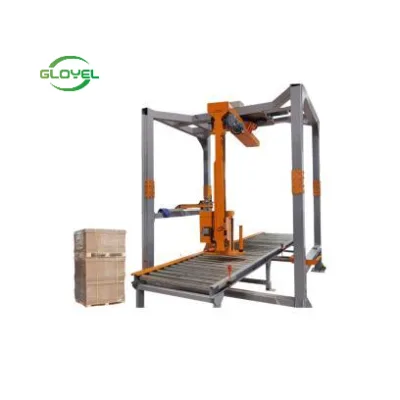


Advanced Automatic Film Production Equipment for Optimal Efficiency
$25000.00 - $28000.00
MOQ: 1 Pieces


Glass Film Wrapping Machine to Protect High Quality Insulating Glass Factory
$5500.00 - $7500.00
MOQ: 1 Pieces

Good Slitting Effect High Quality PLC Control Cutting and Slitting Machine for PP Film
$35000.00 - $36000.00
MOQ: 1 Pieces
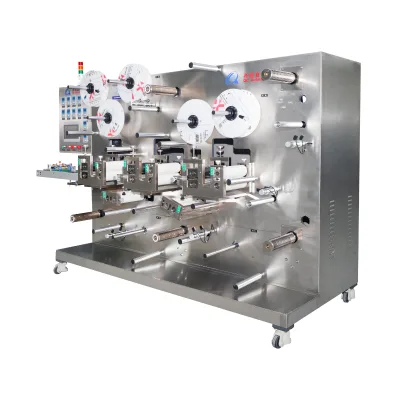
Comprehensive Sourcing Guide
Plc Control Film Covering Equipment Sourcing Guide
Selecting the right PLC-controlled film covering equipment requires a clear understanding of the specific operational demands of your production line. These machines, often classified as post-coating laminating systems, are designed to apply protective or decorative films to substrates such as glass or plastic materials. The integration of a Programmable Logic Controller (PLC) ensures precise automation, allowing for consistent speed control and reduced manual intervention. Buyers must evaluate whether the semi-automatic or fully automatic grade aligns with their throughput requirements and labor constraints.
The market offers a variety of configurations, ranging from hot laminating modes to specialized wire rod scraper integrated types. It is crucial to verify the driven type, which is typically electric, and ensure the power supply matches your facility’s infrastructure, such as 380V/50Hz or adjustable AC220V options. Understanding the distinction between different coating methods, such as touch screen-controlled versus manual control, helps in selecting equipment that balances precision with ease of use. This foundational knowledge prevents mismatches between machine capabilities and actual production needs.
Product Scope and Observed Listing Signals
Current market listings indicate a diverse range of models, including specific identifiers like CLY-910TMJ and BLFMJ-2050, which cater to different substrate dimensions and processing speeds. The observed price range spans from approximately $999 to $400,000, reflecting significant variations in machine capacity, automation level, and included features. Minimum Order Quantities (MOQ) are generally low, ranging from 1 to 4 units, which facilitates initial procurement for small to medium-sized enterprises without requiring large capital commitments upfront.
Observed specifications reveal that these machines often support substantial workpiece dimensions, with some models accommodating glass lengths up to 5000mm and heights up to 2000mm. However, other listings may specify smaller effective coating sizes, such as 400x300mm, indicating specialized applications for smaller components. Buyers should carefully cross-reference the max diameter of workpiece and mass scope, which can range from under 100kg to nearly 900kg, to ensure the selected equipment can handle their specific material volumes and physical constraints without bottlenecking production.
Technical Specifications to Verify
When evaluating technical parameters, the film covering speed is a critical metric, with observed ranges typically spanning from 4 to 20 meters per minute for laminating applications. For coating-specific equipment, speeds may vary significantly, with some models offering 5-200mm/s for precise wire rod scraper applications. Buyers must verify the accuracy grade, noting that some systems offer manual control while others provide high-precision adjustments, such as a scraper accuracy of 0.003mm, which is vital for thin-film applications requiring tight tolerances.
Power supply compatibility and air pressure requirements are essential verification points. Most electric-driven units operate on 380V/50Hz, but adjustable options exist for facilities with varying electrical standards. Additionally, the working air pressure, often cited between 0.5 and 0.8MPa, must be supported by your plant’s compressed air infrastructure. It is also important to check the machine weight and dimensions, as some units weigh up to 5000kg and require specific floor loading capacities, while others are more compact, fitting within standard shipping containers for easier global logistics.
Compliance and Safety Documentation
Safety and regulatory compliance are paramount when integrating industrial machinery into your facility. Buyers should request documentation confirming adherence to international standards such as ISO and CE certifications, which indicate that the equipment meets specific safety and quality benchmarks. These certifications are frequently listed for machines originating from China, providing a baseline assurance of manufacturing quality. However, buyers must verify if additional regional certifications, such as RoHS for hazardous substance restriction, are required for your specific market or end-use application.
Warranty terms and after-sales support structures are critical components of the compliance and risk management strategy. A standard one-year warranty is commonly observed, but buyers should clarify the scope of coverage, including whether it encompasses parts, labor, and on-site technical support. Training resources, such as video tutorials, are often provided to assist operators, but the availability of comprehensive manuals and responsive technical assistance should be explicitly negotiated. Ensuring that the supplier provides clear safety protocols and emergency stop mechanisms is essential for protecting personnel and maintaining operational continuity.
Cost Drivers and Commercial Terms
The total cost of ownership is influenced by several factors beyond the initial purchase price, including customization options and packing methods. Customized features, such as specific PLC programming or tailored clamping fixtures, can significantly increase the base cost. Buyers should also consider the packing method, whether it is a wooden box for robust protection or safe sea shipping packing for bulkier items, as improper packaging can lead to damage during transit, resulting in additional costs and delays.
Shipping and logistics costs are substantial due to the heavy nature of these machines, which can weigh up to 5000kg. Buyers must account for freight charges, insurance, and potential customs duties, which vary by destination. The loading method, often static load for heavy machinery, requires appropriate handling equipment at both the origin and destination facilities. Negotiating clear Incoterms and understanding the responsibility for unloading and installation will help avoid unexpected expenses and ensure a smoother procurement process from order placement to operational deployment.
Supplier Qualification and Quality Control
Verifying the supplier’s manufacturing capabilities and quality control processes is essential to mitigate procurement risks. Buyers should inquire about the supplier’s production history, specifically their experience with PLC-controlled systems and film covering technologies. Requesting references or case studies from previous clients can provide insight into the reliability and performance of the equipment in real-world scenarios. It is also advisable to confirm the supplier’s ability to provide customized solutions, as many listings indicate that customization is available to meet specific client requirements.
Quality control should extend beyond the final product inspection to include material verification and process validation. Buyers should ask for details on the materials used, such as stainless steel scrapers or specific membrane materials like matt film, to ensure durability and performance. Additionally, verifying the supplier’s adherence to their stated standards, such as the 250KG or specific dimensional standards, is crucial. Conducting a factory audit or requesting third-party inspection reports can provide objective evidence of the supplier’s commitment to quality and consistency, ensuring that the delivered equipment meets your operational expectations.
Long-Term Procurement Checks
Establishing a framework for long-term maintenance and support is vital for maximizing the lifespan and efficiency of your film covering equipment. Buyers should develop a preventive maintenance schedule that includes regular checks of the PLC system, hydraulic or pneumatic components, and the coating mechanism. Understanding the availability of spare parts, such as scrapers, sensors, and control modules, is crucial to minimizing downtime. Suppliers should provide a comprehensive list of recommended spare parts and estimated lead times for replacement components.
Continuous improvement and technology updates are also important considerations. As manufacturing processes evolve, the ability to upgrade the PLC software or add new features can extend the machine’s relevance. Buyers should inquire about the supplier’s policy on software updates and technical support for troubleshooting. Building a strong relationship with the supplier can facilitate better support during critical periods and ensure that any operational issues are resolved promptly. Regular performance reviews against initial specifications will help identify any deviations and allow for corrective actions to be taken early in the machine’s lifecycle.
FAQs
What is the classification of this film covering equipment?
This equipment is classified as a Post-Coating Laminating Machine designed for film material applications. It features a semi-automatic grade and utilizes electric driven types for efficient operation. The system supports hot laminating modes and includes anticorrosive performance characteristics for durability in industrial environments.
Can the machine be customized for specific production needs?
Yes, customization is available for this film covering equipment to meet unique production requirements. The system offers customized options and includes a PLC control system for precise operation. Buyers can also access video training resources to ensure proper setup and usage of the customized features.
What are the maximum glass dimensions supported by the machine?
The machine supports a maximum glass height of 2000mm and a maximum glass length of 5000mm. It also accommodates a minimum glass width of 300mm and a minimum glass length of 600mm. These specifications ensure versatility for various glass processing tasks within the defined operational limits.
How fast can the film covering speed operate on this unit?
The film covering speed ranges from 4 to 20 meters per minute depending on the specific model and settings. This speed range allows for flexible processing rates suitable for different production volumes. The system maintains consistent performance while ensuring high-quality film application across the workpiece.
What power supply requirements does the equipment need to function?
The equipment requires a 380V/50Hz power supply for standard operation. Some models feature an adjustable power supply configuration to accommodate different electrical standards. This ensures reliable performance in various industrial settings while maintaining safety and efficiency during the coating and laminating processes.
Which certifications are associated with this film covering equipment?
The equipment holds ISO and CE certifications, indicating compliance with international safety and quality standards. These certifications ensure the machine meets rigorous regulatory requirements for industrial machinery. Buyers can rely on these documented standards when evaluating the safety and reliability of the equipment for their facilities.
What is the warranty period provided for this machinery?
A 1-year warranty is provided for this film covering equipment to protect against manufacturing defects. This warranty covers essential components and ensures customer support during the initial operational period. Buyers should review the specific terms to understand the scope of coverage for maintenance and repairs.