Source PLC Controlled Metal Polishing Machine for Deburring, Surface Finishing, and Edge Smoothing
Compare 30 PLC controlled metal polishing machines from verified suppliers in China. These units feature digital displays, CE certification, and variable speed options for industrial deburring and surface finishing applications.
Key considerations
Products List
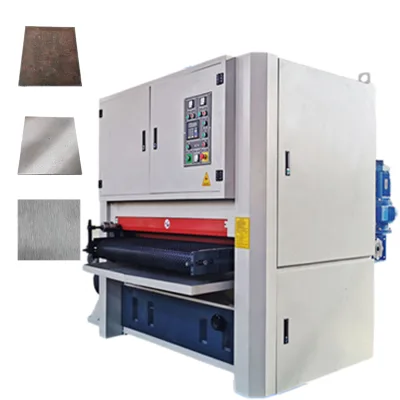


Automatic PLC Metal Polishing Machine for Effective Deburring Applications
$12000.00 - $15000.00
MOQ: 1 Pieces

Advanced Automatic PLC Heavy Metal Deburring and Polishing Machine
$12000.00 - $15000.00
MOQ: 1 Pieces

CNC Grinding Machine Metal Polishing Machine with Enhanced Deburring Features
$6000.00 - $14000.00
MOQ: 1 Pieces


Automatic Control Polishing Machine for High-Quality Metal Finishing
$64500.00 - $108000.00
MOQ: 1 Pieces

Automatic Polishing Machine for Efficient CNC Metal Buffing Solutions
$64500.00 - $108000.00
MOQ: 1 Pieces

Reliable Automatic Metal Polishing Machine for High-Quality Finishing
$64500.00 - $108000.00
MOQ: 1 Pieces


Automatic Polishing Machine for Metal Parts with Precision Control
$64500.00 - $108000.00
MOQ: 1 Pieces


CNC Polishing Machine with Brand Control System for Metal Casting
$104035.00 - $104680.00
MOQ: 1 Pieces


Intelligent PLC Control Metal Polisher Deburring Machine for Aluminum
$8000.00 - $25000.00
MOQ: 1 Sets


Advanced Automatic Metal Deburring and Polishing Machine with Smart Control
$8000.00 - $20000.00
MOQ: 1 Sets
Comprehensive Sourcing Guide
Strategic Sourcing Guide for PLC-Controlled Metal Polishing Machines
Understanding the Technical Architecture of Automated Polishing Systems
When sourcing a PLC-controlled metal polishing machine, buyers must first distinguish between general surface finishing equipment and systems specifically engineered for automated deburring and precision polishing. The core functionality of these machines relies heavily on the integration of programmable logic controllers (PLC) and high-torque motors to ensure consistent processing results. In the current market, a typical configuration for a robust deburring and sanding unit involves a total power consumption that can reach approximately 19.97KW, driven by a primary motor system capable of handling substantial industrial loads. However, it is critical to recognize that power specifications vary significantly based on the specific model and intended application. Some units may feature a rated power of 800W or a motor power of 550W, while others are designed for heavy-duty continuous operation with higher wattage requirements.
The mechanical processing capabilities define the machine's utility. Buyers should verify the processing width, which in advanced models can extend up to 630mm, allowing for the treatment of wide metal sheets or profiles. The thickness of the material being processed is another critical parameter; systems are often designed to handle a processing thickness range from 0 to 110mm. For long components, the minimum processing length is a vital constraint, with some units capable of handling lengths as short as 35mm without compromising stability. The speed of operation is equally important for achieving the desired surface finish. While some machines operate within a range of 10-200rpm, others offer a broader spectrum of 50-1000rpm, providing flexibility for different metal types and grit sizes. The direction of rotation is typically configurable, supporting both clockwise (Cw) and counter-clockwise (Ccw) operations to accommodate various deburring geometries.
Compliance Verification and Certification Standards
In the realm of industrial machinery, compliance with international safety and quality standards is non-negotiable. When evaluating a PLC-controlled metal polishing machine, the presence of valid certifications serves as a primary indicator of manufacturing quality and safety adherence. The CE mark is a frequently observed certification for machinery originating from China, indicating conformity with health, safety, and environmental protection standards for products sold within the European Economic Area. Buyers must ensure that the specific unit they are purchasing carries this certification and that the documentation provided is current and verifiable.
Beyond the CE mark, the availability of a machinery test report is a crucial document that buyers should request. This report provides empirical evidence of the machine's performance under controlled conditions, validating claims regarding power output, operational stability, and safety features. The warranty period is another essential compliance metric; a standard offering in this sector is often one year, which covers defects in materials and workmanship. However, the scope of this warranty should be clearly defined in the contract. Additionally, the electrical specifications must align with the buyer's local infrastructure. While some units are rated for 220V/50Hz, others may support dual voltage standards such as 110V/60Hz or 220V/50Hz, ensuring compatibility with different regional power grids. The maximum operating pressure for pneumatic components should also be verified, with typical limits observed at less than 0.3MPa.
Cost Drivers and Pricing Variables in Metal Finishing Equipment
The pricing of PLC-controlled metal polishing machines is influenced by a complex array of factors, resulting in a wide observed range from 1 USD to over 108,000 USD. This disparity is not merely a reflection of brand prestige but is driven by the specific technical capabilities, material construction, and level of automation. The total power consumption is a significant cost driver; machines with higher wattage motors and more complex PLC architectures generally command higher prices. Similarly, the physical dimensions and weight of the unit impact shipping and installation costs. A machine weighing 1300kg requires different logistical handling compared to a lighter unit weighing 35kg or falling within the 0-50kg range.
The level of customization available is another primary determinant of cost. While some models are sold as single items with standard configurations, others offer extensive customization options to meet specific production line requirements. The packaging method also contributes to the final price; units shipped in wooden cases or custom packaging incur higher material and labor costs compared to those in standard export packages. Buyers should be aware that the "Selling Units" may be listed as single items, but the actual transaction often involves negotiating the inclusion of spare parts, installation services, and training. The model number, such as SRPGJ-630 or OPT-380, often correlates with the feature set and price point, with higher-numbered models typically offering greater processing widths or advanced control interfaces.
Typical Applications and Operational Capabilities
PLC-controlled metal polishing machines are designed to address a variety of industrial needs, ranging from rough surface deburring to high-precision finishing. The primary application involves the removal of burrs, welds, and rough edges from metal components, a process essential for safety and aesthetic quality in manufacturing. The machine's ability to handle a processing width of 630mm makes it suitable for large-scale sheet metal operations, while the minimum processing length of 35mm allows for the treatment of smaller, intricate parts. The performance of these machines is often described as automatic, reducing the need for manual intervention and increasing throughput.
The surface finish quality is a critical metric for buyers. Advanced models claim a planeness of less than 0.002mm per 20x20mm, indicating a high degree of precision suitable for applications requiring tight tolerances. The digital display feature allows operators to monitor and adjust parameters in real-time, ensuring consistency across production batches. The environment in which the machine operates is typically normal pressure and temperature, but the robust construction ensures stability in demanding industrial settings. Whether used for general metal sanding or specialized polishing tasks, the versatility of these machines makes them a valuable asset for workshops and factories looking to automate their finishing processes.
Supplier Evaluation and Origin Verification
When selecting a supplier for a PLC-controlled metal polishing machine, the place of origin is a key factor in assessing reliability and logistics. The majority of these machines originate from China, with specific manufacturing hubs in Henan and Suzhou. Buyers should verify the specific location of the factory, as this can impact lead times and shipping costs. The brand name, such as SHARE, is a common identifier in the market, but buyers should not rely solely on brand recognition. Instead, they should evaluate the supplier's track record, the availability of after-sales support, and the transparency of their documentation.
The supplier's ability to provide a machinery test report and valid certifications is a strong indicator of their commitment to quality. Buyers should also inquire about the customization capabilities of the supplier. While some models are listed as non-customized, many suppliers offer tailored solutions to meet specific production needs. The packaging standards, such as the use of wooden cases or standard export packages, should be confirmed to ensure the machine arrives in pristine condition. Additionally, the weight of the machine, whether it is 1300kg or 35kg, will influence the shipping method and the infrastructure required at the buyer's facility.
Quality Control and Long-Term Procurement Considerations
Ensuring the long-term reliability of a PLC-controlled metal polishing machine requires a rigorous quality control process. Buyers should prioritize suppliers who provide detailed machinery test reports and adhere to strict manufacturing standards. The warranty period, typically one year, should be clearly outlined, including the scope of coverage for the PLC, motor, and other core components. Regular maintenance is essential to maintain the machine's performance, and buyers should verify the availability of spare parts and technical support.
The digital display and automatic performance features reduce the likelihood of human error, but the system's longevity depends on the quality of the components used. The motor power, whether 550W or higher, and the voltage/frequency compatibility must be matched to the buyer's operational environment. The planeness and speed specifications should be validated through trial runs before final acceptance. By focusing on these technical and operational details, buyers can make informed decisions that ensure the machine meets their production requirements and delivers consistent results over its lifespan. The ability to customize the machine and the availability of a comprehensive warranty package are also critical factors in securing a reliable long-term partnership with the supplier.
FAQs
What core components drive the PLC-controlled metal polishing machine?
The machine integrates PLC and Motor as core components for automated operation. This configuration ensures consistent processing results for deburring and sanding tasks on metal surfaces.
Which certifications are available for this metal polishing equipment?
The product carries CE certification indicating conformity with safety standards. Buyers should verify the machinery test report is provided to validate performance claims before purchase.
How does the processing width affect the machine capacity?
The processing width reaches 630mm, allowing treatment of wide metal sheets. This dimension supports large-scale sheet metal operations while maintaining stability for various profiles.
Can the machine handle materials with specific thickness ranges?
Yes, the system processes thickness ranging from 0 to 110mm effectively. This capability accommodates both thin sheets and thicker metal components without compromising the finishing quality.
What is the warranty period for the PLC and motor?
The standard warranty period is 1 Year covering defects in materials and workmanship. This coverage applies to the core components including the PLC and motor systems.
Where is the place of origin for these metal sanding machines?
The place of origin is Henan, China, with some models originating from Suzhou. Buyers should verify the specific factory location to assess logistics and lead times accurately.