Source Plush Unisex Fur Slippers for Home, Hotel, and Spa
Explore 30 listings of Plush Unisex Fur Slippers with varying materials like oxford and EVA, seasonal options, and customization features. Buyers can compare specifications, pricing, and MOQs to find suitable indoor footwear for diverse needs; compare the available evidence and request quotations based on your requirements.
Key considerations
Products List
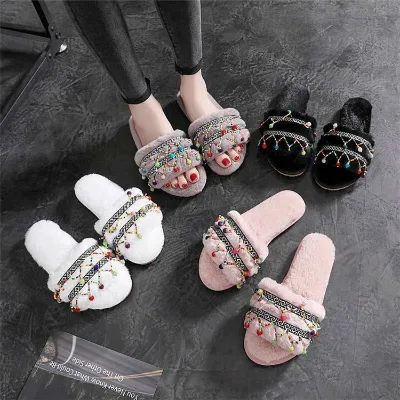


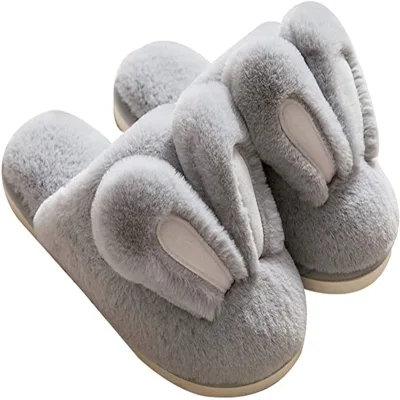
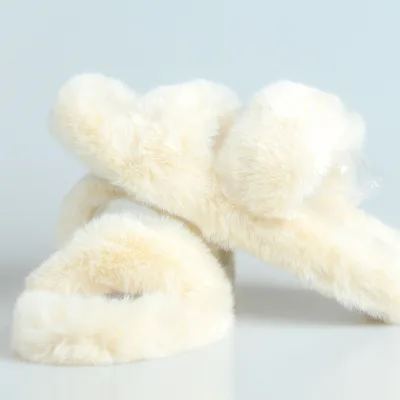
Comprehensive Sourcing Guide
Plush Unisex Fur Slippers Sourcing Guide
Sourcing Plush Unisex Fur Slippers requires a nuanced understanding of material composition, seasonal versatility, and manufacturing flexibility. These footwear items are primarily designed for indoor use, offering comfort and warmth during cooler months such as autumn, spring, and winter. The market presents a diverse range of options, from hand-made plush varieties to more durable EVA and PVC constructions. Buyers must navigate a landscape where customization is readily available, allowing for brand-specific logos and packaging solutions. This guide provides a structured approach to evaluating suppliers, verifying technical specifications, and ensuring commercial viability for bulk procurement.
The procurement process involves balancing aesthetic appeal with functional durability. Observed listings indicate a wide price range, reflecting variations in material quality, such as the use of oxford, TPR, or EVA outsoles. Suppliers often offer multiple model numbers, suggesting a catalog of distinct designs rather than a single product line. Understanding the specific attributes of each model, including upper materials like plush or suede fabric, is critical for meeting end-user expectations. This guide outlines the essential steps for validating supplier claims, assessing quality control measures, and establishing long-term supply chain stability for Plush Unisex Fur Slippers.
Product Scope and Observed Listing Signals
The current market for Plush Unisex Fur Slippers exhibits significant diversity in design and material composition. Listings frequently highlight features such as anti-slippery properties, which are essential for indoor safety. The upper materials vary, with plush being a dominant choice for warmth and comfort, while other options include EVA for lighter, water-resistant variants. Colors typically range from neutral tones like black, white, and grey to softer hues such as pink, catering to a broad demographic. The gender classification is often listed as unisex, though some models may target female consumers specifically, indicating a need for careful product selection based on target audience preferences.
Seasonal versatility is a key selling point, with many products marketed for autumn, spring, and winter use. This broad seasonal applicability suggests that the slippers are designed for transitional weather or indoor heating environments. The observed price range is substantial, indicating that buyers can find options at various price points depending on material quality and customization levels. Minimum order quantities (MOQs) also vary widely, allowing both small businesses and large retailers to source these items. Understanding these signals helps buyers align their procurement strategy with their specific market needs, ensuring they select products that match their customer base's expectations for comfort, style, and functionality.
Technical Specifications to Verify
Verifying technical specifications is crucial for ensuring product consistency and quality. Buyers should confirm the exact materials used in the upper and outsole, as these directly impact durability and comfort. Common materials include plush for the upper and TPR or PVC for the outsole, with some models featuring oxford or EVA components. The single gross weight is typically around 0.600 kg, which is important for calculating shipping costs and logistics planning. Additionally, the single package size is often listed as 35x25x6.5 cm, providing a baseline for storage and distribution requirements. These specifications must be validated against supplier samples to ensure they match the final product.
Model numbers and customization options are also critical technical aspects to verify. Suppliers often provide multiple model numbers, such as LB-1009 or SP-1034, each representing a distinct design or material combination. Buyers should inquire about the availability of custom branding, including logo placement and packaging design, as many suppliers offer these services. The production standard, such as carton dimensions of 43x34x29 cm, should be confirmed to optimize shipping efficiency. Furthermore, the distinction between hand-made and machine-made products can affect quality and lead times, so buyers must clarify this with their supplier to manage expectations and ensure alignment with their quality standards.
Compliance and Safety Documentation
Compliance and safety documentation are essential for mitigating risks in the footwear industry. Buyers must ensure that suppliers provide relevant safety data sheets and material compliance certificates, particularly for chemicals used in plush and synthetic materials. While specific certification statuses are not always listed, buyers should request evidence of adherence to international safety standards for footwear, such as restrictions on harmful substances. This is particularly important for products intended for children or sensitive skin, as plush materials can sometimes harbor allergens or require specific treatments for flame resistance.
Documentation should also cover the manufacturing process and quality control measures. Buyers should ask for details on how the anti-slippery feature is tested and verified, as this is a key safety attribute for indoor slippers. Additionally, suppliers should provide information on the durability of the outsole material, ensuring it meets expected wear patterns. While specific test results are not always available upfront, buyers should establish a protocol for third-party testing upon receipt of goods. This proactive approach ensures that any potential safety issues are identified early, protecting the brand's reputation and ensuring consumer safety.
Cost Drivers and Commercial Terms
Cost drivers for Plush Unisex Fur Slippers include material selection, customization levels, and order volume. The use of premium materials like cashmere or suede fabric can significantly increase the unit price, while standard plush and PVC outsoles offer more cost-effective options. Customization, such as private labeling and unique packaging, adds to the overall cost but can enhance brand value. Buyers should negotiate based on volume discounts, as MOQs can range from 2 to 2000 pairs, allowing for flexibility in order sizing. Understanding these cost drivers helps in budgeting and forecasting for procurement projects.
Commercial terms, including payment methods and lead times, are also critical factors. Sample times typically range from 7 to 15 working days, which buyers should account for in their planning. Lead times for bulk production can vary, so it is essential to establish clear timelines with suppliers. Payment terms should be negotiated to balance risk and cash flow, with options such as partial upfront payments or letters of credit. Additionally, buyers should clarify shipping terms, such as FOB or CIF, to understand who bears the cost and risk of transportation. These commercial terms directly impact the total cost of ownership and should be carefully evaluated during supplier selection.
Supplier Qualification and Quality Control
Supplier qualification is a critical step in ensuring a reliable supply chain for Plush Unisex Fur Slippers. Buyers should assess suppliers based on their production capacity, quality control processes, and past performance. It is important to verify that the supplier has experience in manufacturing footwear, particularly with plush and synthetic materials. Requesting references or case studies from previous clients can provide insights into the supplier's reliability and consistency. Additionally, buyers should conduct factory audits, either in person or through third-party agencies, to evaluate the working conditions and manufacturing capabilities.
Quality control measures should be clearly defined and agreed upon with the supplier. This includes establishing acceptance criteria for materials, workmanship, and packaging. Buyers should request pre-shipment inspections to ensure that the products meet the specified standards before they are dispatched. It is also important to have a clear process for handling defects or non-conforming goods, including return policies and compensation mechanisms. By implementing robust quality control measures, buyers can minimize the risk of receiving substandard products and maintain high customer satisfaction levels.
Long-Term Procurement Checks
Long-term procurement checks involve continuous monitoring and evaluation of supplier performance. Buyers should establish key performance indicators (KPIs) to track metrics such as on-time delivery, product quality, and responsiveness to issues. Regular communication with suppliers is essential to address any emerging challenges and to foster a collaborative relationship. Buyers should also stay informed about market trends and material innovations, as these can impact product design and cost. By maintaining a proactive approach to supplier management, buyers can ensure a stable and efficient supply chain for Plush Unisex Fur Slippers.
Additionally, buyers should periodically review their supplier base to identify opportunities for improvement or diversification. This may involve onboarding new suppliers to reduce dependency on a single source or negotiating better terms with existing partners. It is also important to stay updated on regulatory changes and industry standards that may affect product compliance. By continuously evaluating and optimizing their procurement strategy, buyers can enhance their competitive advantage and ensure long-term success in the footwear market. This ongoing diligence helps mitigate risks and supports sustainable business growth.
FAQs
What materials are used for the upper and lining?
The upper and lining are made of plush material, providing warmth and comfort for indoor use. Some models feature EVA uppers with PVC outsoles for durability. Other options include suede fabric, PU, or cashmere blends for varied textures. These materials ensure the slippers remain soft while offering anti-slippery properties on indoor floors.
Can I customize the brand and logo on these slippers?
Yes, customization is available for both brand names and logos. Buyers can request custom branding to align with their specific business needs. The products support ODM services, allowing for tailored designs. This flexibility ensures that your unique identity is reflected in the final product, enhancing brand recognition in your target market.
What are the standard packaging details for bulk orders?
Standard packaging typically includes one pair per polybag, with twelve pairs packed into a carton. Alternative packing methods use OPP bags or direct carton packing depending on the model. Carton dimensions vary, such as 43x34x29 cm or 60x40x50 cm, to optimize shipping efficiency. These details ensure safe transport and easy inventory management for buyers.
What sizes are available for these unisex slippers?
Sizes generally range from EUR 35 to 45, covering most adult foot sizes. Specific models list sizes 35 through 42, while others offer a broader EUR 35-45 range. Customizable sizing options are also available for specialized orders. This wide range ensures a suitable fit for various customers, supporting diverse demographic needs in the global market.
How long does it take to produce a sample?
Sample production typically takes 7 to 15 working days. This timeframe allows for quality checks and customization adjustments before bulk manufacturing begins. Buyers should plan their sourcing timeline accordingly to ensure timely delivery. The sample process ensures that the final product meets your specific requirements for material, design, and quality standards.
Are these slippers suitable for all seasons?
Yes, these slippers are designed for use in autumn, spring, summer, and winter. The plush lining provides warmth in colder months, while lighter materials like EVA are suitable for warmer seasons. This versatility makes them a practical choice for year-round indoor use. Buyers can select specific models based on the intended seasonal demand in their target regions.