Source Anti-Slip PU Baby Shoes for walking, running, and play
Find 30 Anti-Slip PU Baby Shoes with varied designs including solid colors and cartoons. Buyers can compare features like upper materials, closure types, and seasonal suitability to find the right options for their needs.
Key considerations
Products List


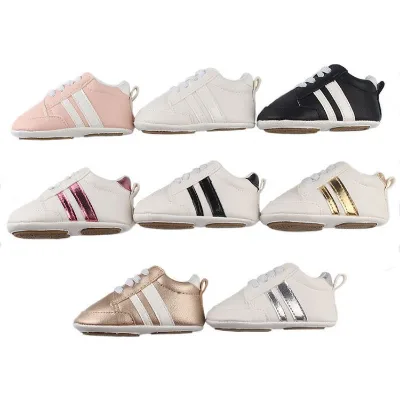


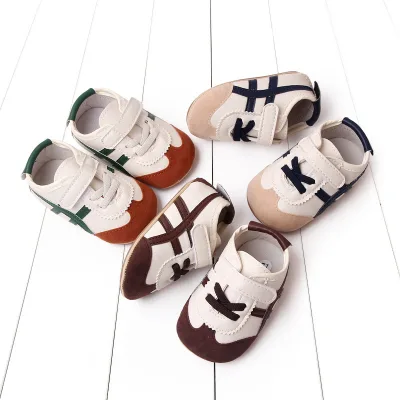
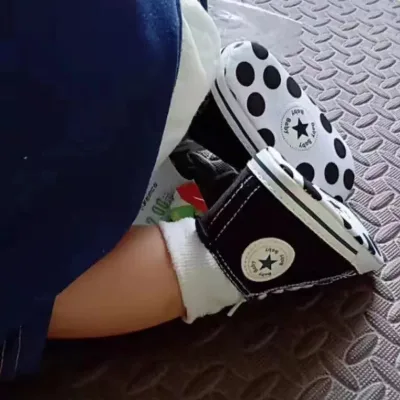
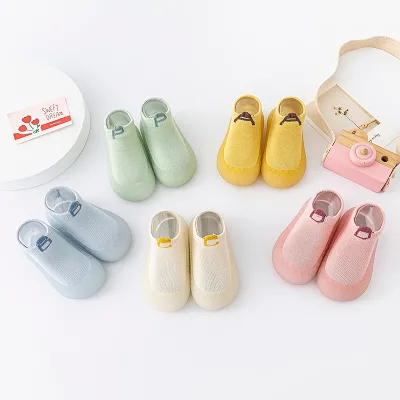
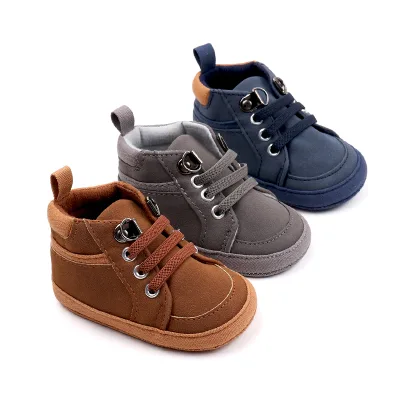
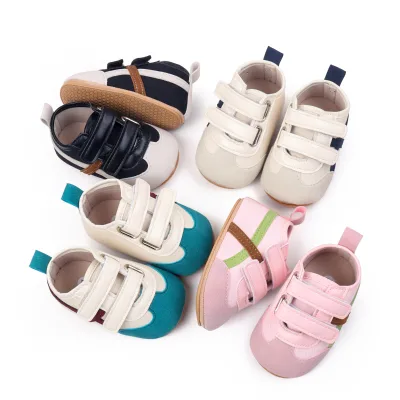
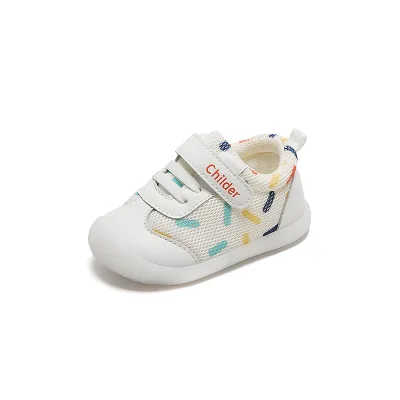
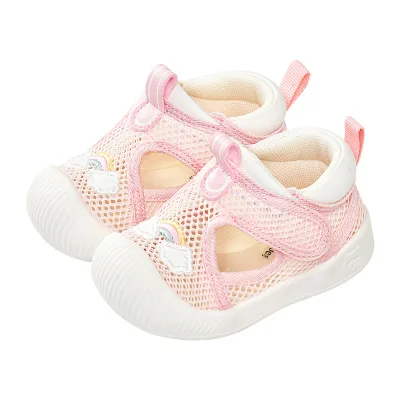
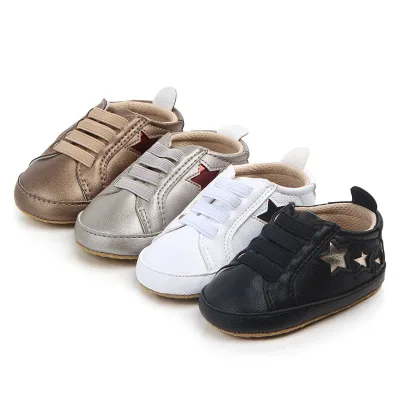


Baby Shoes for Newborns Soft Sole Non-Slip Warm Cartoon Cute First Steps
$5.00 - $15.00
MOQ: 500 Pieces
Comprehensive Sourcing Guide
Strategic Sourcing Guide for Anti-Slip PU Baby Shoes
Understanding Product Specifications and Material Composition
When sourcing anti-slip PU baby shoes, buyers must first establish a clear understanding of the technical specifications that define the product category. The core material for the upper is frequently Polyurethane (PU), which offers a balance of durability, flexibility, and ease of cleaning essential for infant footwear. In the observed market data, PU is listed alongside other materials such as leather, cotton fabric, and mesh, indicating that PU is a primary but not exclusive option for this segment. The upper material selection directly influences the shoe's breathability and water resistance. While some listings specify PU as the primary upper, others note a lining composed of PU, leather, mesh, or fabric, which affects the internal comfort and moisture management of the shoe.
The outsole material is a critical determinant of the "anti-slip" claim. The supplied facts indicate that TPR (Thermoplastic Rubber) and Rubber are the standard materials observed for the outsole. Rubber outsoles generally provide superior traction on various surfaces, while TPR offers a lighter weight and good flexibility. For baby shoes, the heel height is typically low, ensuring stability and preventing tripping hazards for non-ambulatory or newly walking infants. The closed form of the shoe varies; some models utilize a hook and loop closure (often referred to as Magic Tape), while others may feature shoelaces or be slip-on designs without laces. The color palette is extensive, ranging from solid colors like red, pink, blue, and grey to multi-color options and cartoon patterns, allowing for customization based on target demographics.
| Attribute | Common Observation | Sourcing Implication |
|---|---|---|
| Upper Material | PU, Leather, Cotton Fabric | PU offers water resistance; Leather offers breathability. |
| Outsole Material | TPR, Rubber | Rubber provides better grip; TPR is lighter. |
| Closure Type | Hook & Loop, Shoelace, Without Shoelace | Hook & Loop is preferred for ease of use by parents. |
| Pattern | Solid Color, Cartoon | Cartoon patterns appeal to specific age groups. |
| Season | Spring/Autumn, Winter | Material thickness must match the seasonal requirement. |
Compliance and Certification Verification Protocols
For baby footwear, particularly those marketed for infants aged 0-2 years, compliance with safety standards is non-negotiable. The sourcing process must prioritize verifying that the manufacturer adheres to relevant physical and chemical testing standards. The provided data explicitly mentions "Physical & Chemical" testing as a standard attribute for these products. Buyers should not assume that a product is compliant based on the listing alone; instead, they must request specific test reports that align with the target market's regulations, such as ASTM F963 in the United States or EN71 in Europe.
The "prod_standard" attribute observed in the data specifies an age range of 0-2 years old, which implies that the product must meet strict safety criteria regarding choking hazards, flammability, and chemical content. Buyers must verify that the supplier conducts rigorous physical testing to ensure the shoe does not have small detachable parts that could pose a choking risk. Chemical testing is equally critical to ensure that the PU material, dyes, and adhesives used do not contain harmful substances like phthalates, lead, or formaldehyde. While the data mentions "OEM: Yes," this indicates the supplier's capability for customization, but it does not automatically confer certification status. Buyers must explicitly request third-party laboratory reports confirming that the specific batch of shoes meets the chemical limits for children's products.
Furthermore, the "prod_standard" being listed as "customized" suggests that some suppliers may tailor their compliance to specific buyer requirements. In such cases, the buyer must define the exact standard required in the purchase order. It is essential to note that the observed data does not list specific certification bodies (e.g., SGS, Intertek) or specific standard numbers beyond the general age range. Therefore, the procurement strategy must include a clause requiring the supplier to provide valid, recent test certificates before mass production begins.
Cost Drivers and Pricing Dynamics
The pricing of anti-slip PU baby shoes is influenced by several interconnected factors, including material costs, order volume, and customization requirements. The observed price range in the market spans from $0.35 to $15.00 USD. This wide variance indicates that the final price is highly dependent on the complexity of the design, the quality of the PU and rubber materials, and the order quantity. Lower-priced items in this range often correspond to basic designs with minimal customization, standard colors, and lower MOQs. Conversely, the higher end of the price spectrum likely reflects premium materials, complex cartoon patterns, rhinestone embellishments, or specialized anti-slip technologies.
Order Volume is a significant cost driver. The data shows a wide range of Minimum Order Quantities (MOQ), from as low as 2 pairs to as high as 10,000 pairs. A specific observation notes an MOQ of 30 pairs per size for certain models, while another listing indicates an MOQ of 10,000. Suppliers typically offer tiered pricing structures where the unit cost decreases as the order volume increases. Buyers should be aware that ordering below the standard MOQ may result in a significant price premium or may not be feasible for custom designs. Additionally, the "Samples Leadtime" of 10 days suggests that the initial sampling phase adds to the overall timeline and cost, especially if multiple iterations are required to perfect the anti-slip performance or fit.
Customization is another major cost factor. The availability of customization allows for unique patterns, colors, and packaging, but each element adds to the production cost. For instance, adding rhinestones or specific cartoon prints requires additional tooling and labor. The "prod_packing" specification, which ranges from simple polybags to polybag plus carton, also impacts the final cost. Buyers must balance the desire for attractive packaging and branding against the budget constraints, understanding that enhanced packaging and custom branding will increase the per-unit cost.
Typical Applications and Market Segmentation
Anti-slip PU baby shoes serve a diverse range of applications, primarily driven by the developmental stage of the child and the environmental conditions. The observed data highlights specific applications for different seasons and genders. For the "Spring/Autumn" season, shoes with PU uppers and TPR or rubber outsoles are ideal for mild weather, offering protection from light rain while maintaining breathability. In contrast, "Winter" applications require shoes with higher insulation, often utilizing cotton fabric or thicker PU linings, though the data notes that some models are "Not Waterproof," which is a critical distinction for winter use.
The gender-specific segmentation is also evident, with products tailored for "Baby Girl" and "Baby Boy" demographics. Baby Girl shoes often feature pink, red, or multi-color options with cartoon patterns, while Baby Boy shoes may lean towards blue, grey, or black with similar patterns. The "Fashion Trend" and "Light Weight" features observed in the data suggest that these shoes are also designed for everyday casual wear, prioritizing comfort and style for active infants. The "Closed Toe" style is standard, providing protection for the toes as babies begin to crawl and walk.
| Application Context | Key Features Required | Typical Material Combination |
|---|---|---|
| Indoor Walking | Soft sole, Anti-slip, Lightweight | PU Upper, TPR Outsole |
| Outdoor Casual | Durable, Weather-resistant, Breathable | Leather/PU Upper, Rubber Outsole |
| Winter Wear | Warmth, Non-slip on ice | Cotton/PU Upper, Thick Rubber Outsole |
| Fashion/Events | Decorative elements, Unique colors | PU Upper, Rhinestone accents |
Supplier Evaluation and Operational Capabilities
Evaluating suppliers for anti-slip PU baby shoes requires a deep dive into their operational capabilities, specifically regarding production lead times and logistics. The observed data indicates a "Mass Production Lead Time" of 30-45 days, which is a standard timeframe for footwear manufacturing. However, buyers must verify if this timeline includes the sampling phase or if it begins only after sample approval. The "Samples Leadtime" of 10 days is a separate metric that should be factored into the total project timeline.
Logistics capabilities are another critical evaluation point. The data lists "Sea & Air & Train" as available shipment methods. For large orders, sea freight is the most cost-effective option, while air freight may be necessary for urgent replenishments or smaller batches. The "prod_origin" is listed as China, which is a major manufacturing hub for footwear, offering a wide range of suppliers but also requiring careful vetting to ensure quality consistency. Buyers should assess the supplier's capacity to handle different order sizes, as the MOQ ranges from very small (2 pairs) to very large (10,000 pairs).
When evaluating a supplier, buyers should also consider their flexibility regarding customization. The "OEM: Yes" attribute confirms that suppliers are willing to produce under the buyer's brand. However, the ability to customize the "prod_standard" to specific age groups or safety requirements is a key differentiator. A reliable supplier will have a dedicated quality control team that can manage the "Physical & Chemical" testing process and provide transparent documentation. Buyers should request references or case studies from other clients to verify the supplier's track record in delivering compliant and high-quality baby shoes.
Quality Control and Long-Term Procurement Strategies
Implementing a robust quality control (QC) strategy is essential for maintaining the integrity of anti-slip PU baby shoes. Given the safety-critical nature of the product, QC should begin at the raw material stage. Buyers must verify the quality of the PU and rubber materials before they enter the production line. During production, in-line inspections should focus on the stitching quality, the adhesion of the outsole to the upper, and the consistency of the anti-slip pattern on the sole. The "Anti-Slip" feature must be validated through practical testing, ensuring that the shoe provides adequate traction on various surfaces, not just theoretical claims.
For long-term procurement, building a strategic partnership with the supplier is more beneficial than transactional relationships. This involves clear communication of quality expectations, regular audits, and collaborative problem-solving. Buyers should establish a clear protocol for handling defects, including the percentage of acceptable quality level (AQL) and the process for returns or replacements. The "prod_packing" specification, such as "Each Packed in a Polybag," should be strictly enforced to prevent damage during transit.
Long-term success also depends on the supplier's ability to adapt to market trends. The "Fashion Trend" attribute suggests that styles change rapidly. A supplier with a flexible production line can quickly adjust to new color trends or pattern requests, ensuring the buyer remains competitive. Additionally, the "Customization" availability allows buyers to differentiate their product line, but this requires a supplier who can manage complex production runs without compromising quality or lead times. By focusing on these strategic elements, buyers can secure a reliable supply chain for anti-slip PU baby shoes that meets both safety standards and market demands.
FAQs
What materials are used for the upper of Anti-Slip PU Baby Shoes?
The upper material is typically PU, though some models use leather or cotton fabric. Buyers should verify the specific lining, which may be PU, leather, mesh, or fabric, to ensure comfort and breathability for the infant.
Which closure types are available for these baby shoes?
Available closure types include hook and loop, shoelace, and slip-on designs without laces. The specific model determines the closure, with some featuring magic tape for easy adjustment by parents.
Can these shoes be customized for specific brands?
Yes, customization is available for patterns, colors, and packaging. Suppliers support OEM services, allowing buyers to specify unique designs like cartoon patterns or solid colors while adhering to safety standards.
What is the typical lead time for mass production?
The mass production lead time ranges from 30 to 45 days. This timeline begins after sample approval, which typically takes 10 days, and varies based on order volume and customization requirements.
How are the shoes tested for safety and quality?
Products undergo physical and chemical testing to ensure compliance with safety standards. This verification is critical for baby footwear to guarantee the absence of harmful substances and ensure structural integrity for infants.
What is the minimum order quantity for these shoes?
MOQs vary significantly, ranging from 2 pairs to 10,000 pairs depending on the supplier and model. Some specific models require a minimum of 30 pairs per size, while others may have higher thresholds.
Which shipping methods are supported for these products?
Suppliers support sea, air, and train shipment methods to accommodate different logistics needs. The choice of shipping depends on the order urgency, volume, and the destination market requirements.