Source Soft Sole Barefoot Baby Shoes for Walking, Crawling, and Indoor Play
Find 30 listings for Soft Sole Barefoot Baby Shoes designed for infant mobility. Compare features like non-slip bottoms, cotton uppers, and PU outsoles across various models including S060 and BYS-31. Evaluate options for spring and autumn seasons with unisex suitability and medium elasticity.
Key considerations
Products List


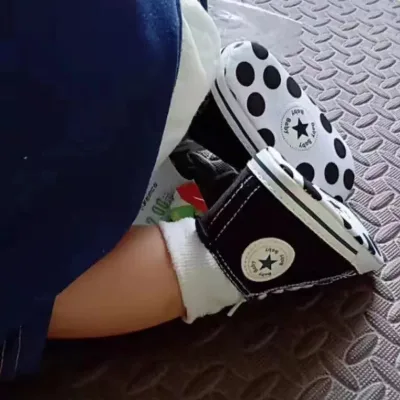
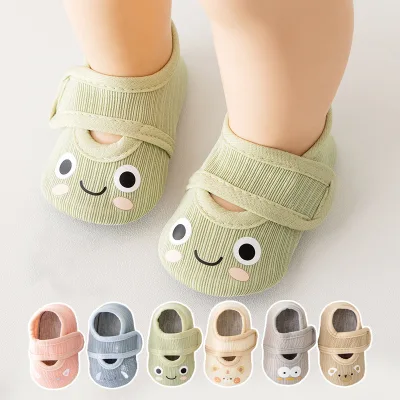


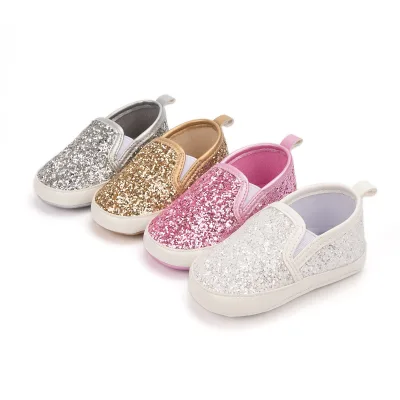
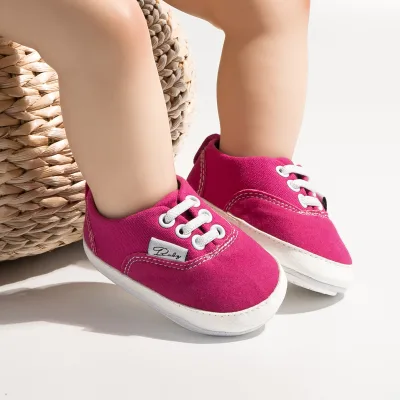
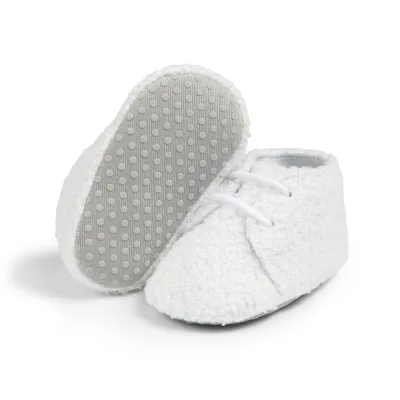
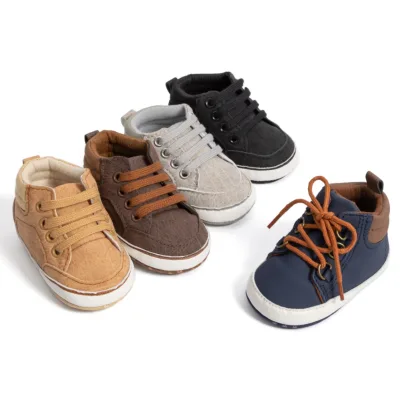
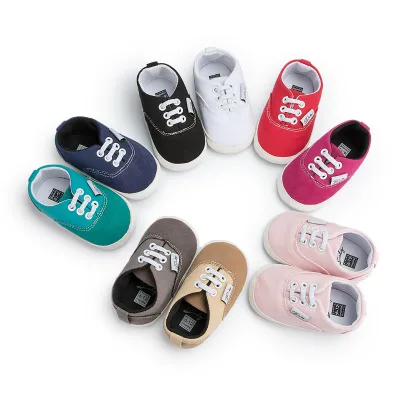
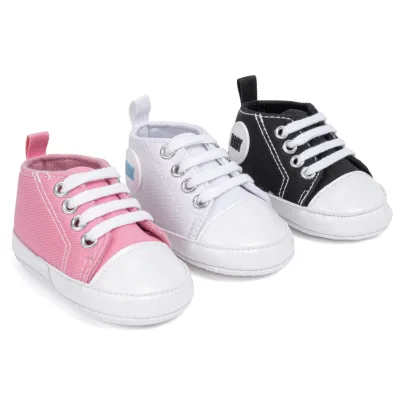


Comprehensive Sourcing Guide
Soft Sole Barefoot Baby Shoes Sourcing Guide
Sourcing Soft Sole Barefoot Baby Shoes requires a nuanced understanding of infant foot development and the specific material properties that support natural movement. These shoes are designed to mimic the sensation of walking barefoot while providing a protective barrier against rough surfaces, cold, and minor debris. The primary objective for buyers is to identify products that offer maximum flexibility and minimal interference with the baby’s proprioception, which is critical for developing balance and coordination. Unlike structured footwear, these items prioritize a thin, pliable outsole and a breathable upper that allows the foot to splay naturally. Buyers must distinguish between true barefoot designs and conventional soft shoes that may still possess rigid shanks or thick, cushioned midsoles that hinder sensory feedback.
The procurement landscape for this category is diverse, ranging from simple cotton booties to more structured PU or TPR-soled options. Suppliers often market these products with terms like "anti-slip," "soft," and "non-slip bottom," which are critical safety features for early walkers who are still mastering stability. However, marketing language can be ambiguous, so buyers must rely on tangible specifications such as outsole material composition, closure types, and elasticity ratings. The goal is to secure inventory that meets the functional requirements of infant mobility while adhering to strict safety standards regarding chemical content and physical durability. This guide outlines the key verification steps, commercial considerations, and quality control measures necessary to build a reliable supply chain for this sensitive product category.
Product Scope and Observed Listing Signals
The observed market signals indicate a wide variance in product configurations, with listed prices ranging from $0.35 to $8.00 USD and minimum order quantities (MOQs) spanning from 2 to 900 units. This broad range suggests that buyers can access both low-volume trial orders and bulk commercial shipments, but it also highlights the need for careful filtering to avoid mismatched expectations. Products with lower price points and minimal MOQs often represent in-stock items or basic designs, such as solid color cotton booties, which are suitable for quick replenishment or promotional use. Conversely, higher-priced items with stricter MOQs may involve more complex manufacturing processes, custom branding, or specialized materials like leather linings or advanced PU outsoles. Buyers should align their order volume with the supplier’s supply ability, which is observed at 5,000 sets per week, ensuring that demand does not outpace production capacity.
Key product attributes observed in listings include a focus on spring and autumn seasons, unisex gender suitability, and specific closure mechanisms such as hook and loop or laceless designs. The presence of "medium elasticity" and "non-slip bottom" features are critical indicators of fit and safety, particularly for babies who are beginning to stand or take their first steps. Materials vary significantly, with some products utilizing 100% cotton standards for the upper, while others employ PU or TPR for the outsole to provide durability and traction. Buyers must verify that the "good quality" and "nice designs" claims are substantiated by physical samples, as these are subjective marketing terms. Additionally, packaging details such as OPP bags or polybag plus carton combinations affect storage efficiency and retail presentation, requiring buyers to specify their preferred packaging format during the negotiation phase.
Technical Specifications to Verify
Verifying the technical specifications of soft sole barefoot shoes is paramount to ensuring they meet the developmental needs of infants. The outsole material is a critical differentiator; while some products use PU for flexibility and others use TPR for enhanced grip, buyers must confirm that the sole remains thin and flexible enough to allow natural foot bending. The upper material should be breathable and soft, with options including cotton fabric, mesh, or leather linings to accommodate different climate conditions and skin sensitivities. Buyers should request detailed material breakdowns to ensure that the lining does not cause irritation and that the outer fabric is durable enough to withstand frequent washing. The closure type, whether hook and loop, shoelace, or slip-on, must be evaluated for ease of use by parents and security on the baby’s foot, preventing the shoe from falling off during movement.
Model numbers such as S060, B047, S015, and BYS-31 indicate a variety of designs available from suppliers, each potentially having distinct structural characteristics. Buyers must verify the toe style, with closed toes being a common safety feature to protect the baby’s feet from stubbing, and ensure that the waterproof status aligns with the intended use case, as most barefoot shoes are not waterproof. The elasticity of the shoe, described as medium in some listings, should be tested to ensure it provides a snug fit without constricting blood flow or movement. Additionally, the absence of shoelaces in certain models reduces the risk of tripping or choking hazards, making them preferable for younger infants. Buyers should create a specification sheet that includes these technical parameters and require suppliers to confirm compliance with each point before placing bulk orders.
Compliance and Safety Documentation
Safety is the foremost concern when sourcing footwear for infants, as their skin is more permeable and their bodies are more susceptible to chemical exposure. Buyers must insist on comprehensive testing documentation that covers both physical and chemical safety standards. Physical testing should assess the durability of the sole, the strength of the closure mechanisms, and the absence of small parts that could pose a choking hazard. Chemical testing is equally critical, focusing on the absence of harmful substances such as lead, phthalates, and formaldehyde in the materials used for the upper, lining, and outsole. Buyers should request test reports from accredited laboratories that verify compliance with relevant international safety standards for children’s footwear, ensuring that the products are safe for prolonged skin contact.
While specific certification statuses like ISO 27001 are mentioned in background data, buyers should focus on product-specific safety certifications rather than general management system certifications. The sourcing guide emphasizes the need for physical and chemical testing results, which are more directly relevant to product safety. Buyers should verify that the supplier has a robust quality control process that includes regular sampling and testing of raw materials and finished goods. It is also important to ensure that the products are labeled correctly with age recommendations, such as 0-2 years old, and care instructions to maintain their safety and integrity over time. By prioritizing verified safety documentation, buyers can mitigate the risk of product recalls and build trust with their customers.
Cost Drivers and Commercial Terms
The cost of Soft Sole Barefoot Baby Shoes is influenced by several factors, including material selection, production complexity, and order volume. Materials such as 100% cotton and PU or TPR outsoles have different cost structures, with natural fibers often being more expensive than synthetic alternatives. The complexity of the design, including the type of closure and the presence of additional features like anti-slip patterns, also impacts manufacturing costs. Buyers should negotiate based on the total cost of ownership, which includes not only the unit price but also shipping, packaging, and potential customs duties. Understanding the supplier’s supply ability of 5,000 sets per week can help buyers plan their inventory levels and avoid stockouts, which can be costly in terms of lost sales.
Commercial terms such as MOQ, lead times, and payment conditions are critical components of the procurement strategy. Observed MOQs range from 30 pairs per size for some models to 300 pairs per size for others, allowing buyers to choose suppliers that align with their inventory capacity. Sample order lead times are typically around 7-10 days, while mass production lead times can extend to 30-45 days, requiring buyers to plan their orders well in advance. Buyers should clarify the shipment options, which may include sea, air, or train transport, and negotiate terms that minimize transit time and cost. Additionally, buyers should inquire about the availability of customization services, as this can add value to their product offering but may also increase costs and lead times.
Supplier Qualification and Quality Control
Qualifying suppliers for Soft Sole Barefoot Baby Shoes requires a thorough assessment of their manufacturing capabilities, quality control processes, and business stability. Buyers should verify the supplier’s origin, with many products originating from Shanghai, China, a hub for footwear manufacturing. It is important to assess the supplier’s experience in producing infant footwear, as this specialized knowledge can impact the quality and safety of the final product. Buyers should request references or case studies from other clients to gauge the supplier’s reliability and consistency. Additionally, buyers should evaluate the supplier’s ability to handle customization requests, such as private labeling or custom packaging, which can be a key differentiator in the market.
Quality control measures should be integrated into the procurement process from the initial sample stage to final shipment. Buyers should conduct pre-production samples to verify that the materials and construction meet their specifications. During mass production, buyers should consider hiring third-party inspection services to perform random checks on the production line and final goods. These inspections should focus on critical quality attributes such as stitching quality, material consistency, and packaging accuracy. Buyers should also establish a clear communication channel with the supplier to address any issues promptly and ensure that corrective actions are taken. By implementing rigorous quality control measures, buyers can minimize the risk of defects and ensure that their customers receive high-quality products.
Long-Term Procurement Checks
Building a long-term procurement relationship for Soft Sole Barefoot Baby Shoes involves continuous monitoring of supplier performance and market trends. Buyers should regularly review supplier metrics such as on-time delivery rates, defect rates, and responsiveness to issues. This data can help identify potential risks and opportunities for improvement in the supply chain. Buyers should also stay informed about changes in safety regulations and consumer preferences, which can impact the demand for specific product features. For example, there may be a growing preference for eco-friendly materials or sustainable manufacturing practices, which buyers can incorporate into their sourcing strategy.
Regular audits and re-qualification of suppliers are essential to maintaining high standards of quality and safety. Buyers should schedule periodic audits to assess the supplier’s compliance with safety standards and their ability to maintain consistent quality. These audits should cover both the manufacturing facility and the quality control processes. Additionally, buyers should foster open communication with their suppliers to discuss future product developments and potential collaborations. By maintaining a proactive approach to supplier management, buyers can ensure a stable and reliable supply of Soft Sole Barefoot Baby Shoes that meets the evolving needs of their customers. This long-term perspective helps to build a resilient supply chain that can adapt to market changes and continue to deliver value.
FAQs
What customization options are available for these shoes?
Customization is available for these casual shoes to meet specific buyer needs. The products feature nice designs and good quality while maintaining a cheaper price point for bulk orders.
How long does it take to receive a sample order?
A sample order lead time of 7 days is supported for these items. Additionally, the general samples lead time is noted as 10 days depending on the specific production requirements and model selected.
Which materials are used for the upper and outsole?
The upper material is cotton fabric, and the outsole is made of either PU or TPR. These materials ensure the shoes are soft and suitable for barefoot baby use with non-slip bottoms.
Can I order these shoes with a low minimum quantity?
Yes, the minimum order quantity varies by size, typically starting at 30 pairs or 300 pairs depending on the specific model. Some listings also indicate a general minimum order of 2 units for testing purposes.
What is the production lead time for mass orders?
The mass production lead time ranges from 30 to 45 days for these items. The supply ability is 5000 sets per week, ensuring steady availability for large volume requirements.
Are these shoes suitable for both boys and girls?
Yes, the shoes are designed as unisex casual footwear suitable for both genders. They come in various colors like blue, brown, and white with solid color patterns and closed forms.
How are the shoes packaged for shipment?
Packaging details include 1 set per OPP bag or 1 lot per OPP bag. Some models also use polybag plus carton packaging to ensure safety during sea, air, or train shipment.