Source PMMA Plastic Serum Bottle for Cosmetics, Medicine, and Personal Care
Compare 30 listings for PMMA Plastic Serum Bottle options from Chinese manufacturers. Buyers can evaluate customization, sealing types, and certifications like ISO and FDA for medical and cosmetic packaging needs.
Key considerations
Products List


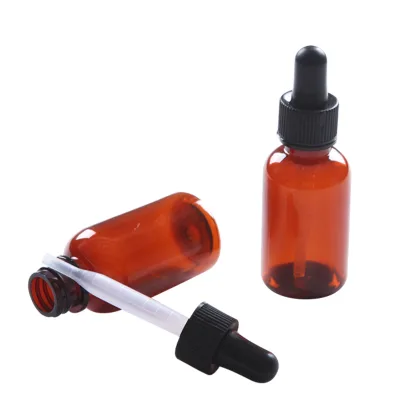


Drs Plastic Cosmetic Packaging Serum Oil Bottle Skin Care Essense Bottle
$0.60 - $0.63
MOQ: 10000 Pieces


Eco-Friendly 15ml 30ml 50ml Plastic PP Airless Serum Bottle for Cosmetic Packaging
$0.33 - $0.35
MOQ: 10000 Pieces

Somewang as Airless Bottles for Serum Skincare Serum Foundation Packaging Plastic
$0.78 - $0.80
MOQ: 10000 Pieces


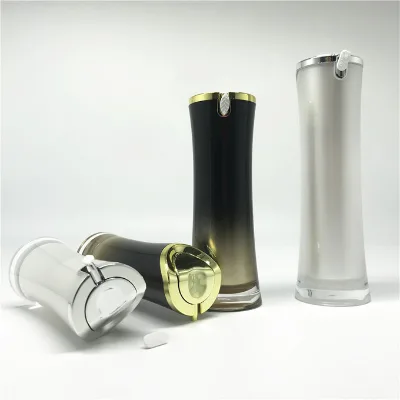

200ml 6.6oz Airless Pump Bottle Plastic PP Serum Airless Bottle for Cosmetics
$0.50 - $0.80
MOQ: 5000 Pieces


Color Customized 30ml Acrylic Repair Serum Lotion Bottle Face Cream Bottle
$0.85 - $1.20
MOQ: 10000 Pieces
Comprehensive Sourcing Guide
PMMA Plastic Serum Bottle Sourcing Guide
Sourcing high-quality packaging for cosmetic serums requires a nuanced understanding of material properties, regulatory compliance, and supplier capabilities. While the core keyword focuses on PMMA (Polymethyl Methacrylate) plastic serum bottles, the current market landscape for cosmetic packaging is diverse, with materials such as PET, PP, PCR, and glass combinations frequently appearing in supplier listings. Buyers must carefully distinguish between the specific optical and chemical properties of PMMA and the more common alternatives to ensure the selected packaging aligns with product stability and brand positioning. This guide provides evidence-based procurement strategies to navigate these complexities, focusing on verification steps, compliance documentation, and commercial terms that protect the buyer’s interests.
The procurement process for serum bottles involves evaluating not just the container itself, but the entire supply chain ecosystem, including customization options, sealing mechanisms, and environmental considerations. Suppliers often offer a wide range of neck sizes, closure types, and surface handling techniques, which can complicate the selection process if not properly scoped. By establishing clear technical requirements and verifying supplier qualifications early in the sourcing journey, buyers can mitigate risks associated with material incompatibility, regulatory non-compliance, and supply chain disruptions. This guide aims to equip procurement professionals with the knowledge to make informed decisions that balance cost, quality, and sustainability.
Product Scope and Observed Listing Signals
The observed product listings reveal a significant diversity in materials and specifications, indicating that the market for serum packaging is not monolithic. While PMMA is a specific request, many suppliers offer bottles made from PET, PP, PCR, or combinations like PETG + PP + Glass. These materials vary in clarity, weight, and chemical resistance, which directly impacts the suitability for different serum formulations. Buyers should note that "Plastic Type: PET" and "Material: PP, PCR" are common attributes, suggesting that PMMA may be a specialized or less frequently listed option compared to these standard plastics. Understanding these material distinctions is crucial for ensuring that the packaging does not interact negatively with the serum’s active ingredients.
Listing signals also highlight the importance of customization and branding in the serum bottle market. Attributes such as "Customization: Available," "Logo printing: Acceptable," and "Surface Handling: Screen Printing" indicate that suppliers are equipped to handle bespoke orders. However, the presence of "Model Number: DB-2" and "prod_model: TY00401010005" suggests that many suppliers operate with standardized base models that can be modified. Buyers should verify whether the desired PMMA specifications are available as standard items or require custom tooling, as this will significantly impact lead times and minimum order quantities (MOQs). The observed price range of $0.01-1.2 USD and MOQs ranging from 10 to 20,000 units further underscore the variability in supplier offerings, necessitating careful comparison.
Technical Specifications to Verify
Verifying technical specifications is paramount to ensuring that the serum bottles meet functional and aesthetic requirements. Key attributes to confirm include the neck size, sealing type, and volume capacity. For instance, observed listings mention "Necksize: 18 mm" and "Necksize: 18mm," which are critical for compatibility with droppers, pumps, or sprayers. The sealing type, whether "Crown Cap," "Pump Sprayer," or "Lotion Pump," must align with the product’s dispensing needs. Additionally, the volume, listed as "60ML" or "30 ml" in some contexts, should be precisely defined to avoid discrepancies in product labeling and consumer expectations. Buyers should request detailed technical drawings or samples to verify these dimensions before placing large orders.
Material composition and environmental features are also critical technical considerations. While PMMA is known for its high clarity and durability, other materials like "PETG + PP + Glass Bottle" or "PP, PCR" offer different benefits, such as recyclability or cost-effectiveness. The attribute "Environment-Friendly: Replaceable Airless Bottle" suggests a growing trend towards sustainable packaging solutions. Buyers should verify the specific plastic type and any recycled content claims, as these can impact both the product’s shelf life and the brand’s sustainability messaging. Furthermore, the "Shape: Cylinder Shape" and "Color: Amber" attributes indicate that aesthetic customization is possible, but buyers should confirm the availability of these options for PMMA specifically, as amber coloring is more commonly associated with glass or specific plastic formulations.
Compliance and Safety Documentation
Compliance with international standards is non-negotiable for cosmetic packaging, especially when dealing with products that come into direct contact with the skin. Observed certifications include "ISO, CE," "ISO, Reach, California 65, Us FDA," which are critical for market access in various regions. Buyers must verify that the supplier holds valid and current certifications for the specific materials used, particularly if the serum contains active ingredients that could interact with the packaging. The presence of "Reach" and "California 65" certifications indicates adherence to strict chemical safety regulations, which is essential for avoiding legal liabilities and ensuring consumer safety.
In addition to certifications, buyers should request documentation related to material safety and migration testing. This includes verifying that the plastic does not leach harmful substances into the serum, which could compromise product efficacy or safety. The "Industrial Use: Medicine" and "Usage: Cosmetics, Personal Care Product" attributes suggest that the packaging is intended for sensitive applications, making rigorous testing even more critical. Buyers should also inquire about the supplier’s quality management systems and whether they conduct regular internal audits to maintain compliance. Ensuring that all documentation is up-to-date and verifiable is a key step in mitigating regulatory risks.
Cost Drivers and Commercial Terms
Understanding the cost drivers for serum bottles is essential for effective budgeting and negotiation. Factors such as material type, customization level, and order volume significantly influence the final price. The observed price range of $0.01-1.2 USD reflects this variability, with lower costs associated with standard, high-volume orders and higher costs for customized, low-volume runs. Buyers should note that "MOQ: 10000 PCS" is a common requirement, which can impact cash flow and inventory management. Negotiating flexible MOQs or tiered pricing structures can help optimize costs, especially for new product launches or seasonal campaigns.
Commercial terms, including payment methods and shipping options, also play a crucial role in the total cost of ownership. Observed terms such as "Payment: T/T" and "Shipping: Sea/Air/Truck/Express, etc" indicate the flexibility suppliers may offer. Buyers should evaluate the total landed cost, including freight, insurance, and customs duties, rather than focusing solely on the unit price. The "prod_packing: Carton" and "prod_packing: Carton Paper Box" attributes suggest that packaging for shipping is included, but buyers should confirm the durability of the packaging to prevent damage during transit. Establishing clear terms for returns, warranties, and dispute resolution is also advisable to protect against potential supply chain issues.
Supplier Qualification and Quality Control
Supplier qualification is a critical step in ensuring a reliable and consistent supply of serum bottles. Buyers should conduct thorough due diligence, including verifying the supplier’s business license, production capacity, and quality control processes. The "Place of Origin: Zhejiang, China" and "prod_origin: China" attributes indicate that many suppliers are based in China, a major hub for plastic packaging manufacturing. Buyers should assess the supplier’s experience in producing cosmetic packaging and their ability to meet specific technical requirements. Requesting references or case studies from previous clients can provide valuable insights into the supplier’s reliability and performance.
Quality control measures should be clearly defined and agreed upon before production begins. This includes specifying inspection criteria, sampling plans, and acceptance standards. Buyers should consider implementing third-party inspections or audits to verify that the products meet the agreed-upon specifications. The "Customizable: Customized" and "OEM/ODM: Highly Welcomed" attributes suggest that suppliers are capable of handling complex orders, but this also increases the risk of quality variations. Establishing a robust quality assurance protocol, including regular communication and feedback loops, is essential to maintaining product consistency and addressing any issues promptly.
Long-Term Procurement Checks
Long-term procurement success depends on continuous monitoring and evaluation of supplier performance. Buyers should establish key performance indicators (KPIs) to track metrics such as on-time delivery, product quality, and responsiveness to issues. Regular reviews of these metrics can help identify potential problems early and facilitate corrective actions. The "Customization: Available" and "Logo printing: Acceptable" attributes indicate that suppliers are capable of ongoing customization, which can be leveraged for brand evolution and product line extensions. However, buyers should ensure that any changes in design or material are thoroughly tested and approved before implementation.
Sustainability and regulatory changes are also important considerations for long-term procurement. The "Environment-Friendly: Replaceable" and "Feature: Recyclable Material" attributes suggest a growing emphasis on sustainable packaging solutions. Buyers should stay informed about evolving regulations and consumer preferences regarding sustainability, and work with suppliers to develop strategies that align with these trends. Additionally, maintaining a diversified supplier base can mitigate risks associated with supply chain disruptions or geopolitical issues. By fostering strong, collaborative relationships with suppliers, buyers can ensure a stable and competitive supply of high-quality serum bottles for the long term.
FAQs
Can I customize the size and logo on these serum bottles?
Yes, customization is available for both size and logo printing. The product accepts custom sizes and supports logo printing via screen printing or hot stamping. This allows brands to tailor the packaging to specific volume needs and visual identity requirements for medical or cosmetic applications.
What certifications do these plastic serum bottles hold?
These bottles hold ISO, CE, Reach, California 65, and US FDA certifications. These credentials ensure compliance with international safety and quality standards for medical and cosmetic packaging. Buyers can verify these documents to meet regulatory requirements in various global markets for personal care products.
What materials are used for the serum bottle construction?
The bottles are constructed from PET, PP, PCR, and PETG materials, often combined with glass components. These materials offer durability and recyclability. The specific combination ensures chemical resistance for serums and lotions while maintaining an eco-friendly profile through the use of replaceable and recyclable elements.
What is the minimum order quantity for these bottles?
The minimum order quantity varies, with observed ranges from 10 to 20,000 pieces. Specific models may have higher MOQs, such as 10,000 pieces for certain customized designs. Buyers should confirm the exact MOQ with the supplier based on their chosen customization level and volume requirements.
Where are these serum bottles manufactured?
These bottles are manufactured in Zhejiang, China. The origin is clearly stated as China, with specific production in the Zhejiang province. This location is a major hub for plastic packaging manufacturing, offering efficient supply chains for global buyers seeking cost-effective and high-volume packaging solutions.
What sealing types are available for these serum bottles?
Available sealing types include crown caps, pump sprayers, and lotion pumps. Some models feature dropper caps for precise application. The choice of closure depends on the product viscosity and usage, ensuring secure sealing for serums, essential oils, and other personal care liquids during storage and transport.