Source USB Power Adapter for Laptops, Phones, and Displays
Explore 30 options for the USB Power Adapter, featuring single output types with 1-50W power and up to 55W max output. Compare models with full-range input voltage, various connector types, and certifications like CE and RoHS for reliable power solutions.
Key considerations
Products List


Comprehensive Sourcing Guide
USB Power Adapter Sourcing Guide
Sourcing USB power adapters requires a disciplined approach to align technical specifications with end-user device requirements. Buyers must first define the precise output parameters, such as voltage, current, and connector type, to ensure compatibility with target electronics. The market offers a wide variety of form factors, from wall-mount units to desktop chargers, each serving distinct usage scenarios. Understanding these variations is critical for selecting the right product for specific applications, whether for consumer electronics, industrial equipment, or specialized digital devices.
Procurement teams should also evaluate the customization options available from suppliers to meet unique branding or functional needs. Many manufacturers offer tailored solutions, including custom packaging, color options, and specific input voltage ranges. This flexibility allows businesses to create cohesive product lines that resonate with their brand identity. However, customization often introduces additional complexity in the supply chain, requiring careful planning to manage lead times and ensure consistent quality across different production batches.
Product Scope and Observed Listing Signals
The current market landscape for USB power adapters reveals a diverse range of products with varying price points and minimum order quantities. Listings indicate a price range from $0.03 to $35, reflecting differences in power output, build quality, and included features. Minimum order quantities typically span from one unit to 5,000, catering to both small-scale prototyping and large-volume manufacturing needs. Buyers should analyze these signals to determine the most cost-effective sourcing strategy for their specific volume requirements and budget constraints.
Observed product attributes highlight key differentiators such as output power, which generally ranges from 1 to 50 watts, with some models supporting up to 55 watts. Input voltage is often listed as full-range, providing versatility for global deployment. Additionally, features like over-current protection and IC chips are common in higher-quality units, ensuring device safety and efficient power delivery. These technical details serve as essential indicators of product reliability and performance, helping buyers make informed decisions based on their specific operational needs.
Technical Specifications to Verify
Verifying technical specifications is paramount to ensuring that the selected USB Power Adapter meets the electrical requirements of the connected devices. Buyers should confirm the output type, which is typically single-output for standard adapters, and check the maximum output power to avoid underperformance. The input voltage range must be compatible with the local power grid, and the connection mode, such as series switching, should be understood to assess efficiency and heat generation. These parameters directly impact the adapter's ability to deliver stable power under varying load conditions.
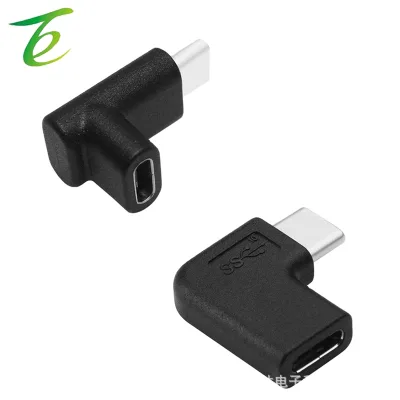
Connector type and physical design are also critical technical considerations. Adapters may feature barrel plugs, stereo plugs, or USB connectors, including Type-C and USB 3.0 variants. The gender of the connector, often male-female, must match the device's input port. Additionally, the presence of a display or quick-charging function can enhance user experience but may increase cost. Buyers should request detailed datasheets to verify these specifications, ensuring that the physical and electrical characteristics align perfectly with their product design and user expectations.
Compliance and Safety Documentation
Compliance with international safety and electromagnetic compatibility standards is non-negotiable for USB power adapters sold in regulated markets. Buyers must verify that products carry recognized certifications such as CE, FCC, RoHS, UL, and TUV. These certifications indicate that the adapter has undergone rigorous testing for electrical safety, radiation emissions, and hazardous substance restrictions. Documentation should be obtained from the supplier and cross-referenced with official certification bodies to ensure authenticity and validity, protecting the buyer from legal liabilities and product recalls.
Beyond certifications, buyers should inquire about the specific safety features integrated into the adapter, such as over-current protection and short-circuit prevention. These features are crucial for safeguarding both the power adapter and the connected device from damage due to electrical faults. Additionally, understanding the quality standards employed by the manufacturer, such as high-quality material selection and robust construction, provides insight into the product's durability and long-term reliability. Ensuring compliance and safety is a foundational step in building trust with end-users and maintaining brand reputation.
Cost Drivers and Commercial Terms
Several factors influence the total cost of ownership for USB power adapters, including material costs, manufacturing complexity, and volume discounts. Higher output power and advanced features like quick charging or specific connector types can increase production costs. Buyers should negotiate clear commercial terms, including pricing tiers based on order quantity, to optimize their procurement budget. Understanding the cost structure helps in identifying potential areas for savings, such as standardizing connector types or reducing customization requirements.
Payment terms and lead times are also significant commercial considerations. Suppliers may offer flexible payment options, but buyers should assess the financial implications of different terms. Lead times can vary based on customization levels and production capacity, so establishing realistic timelines is essential for inventory management. Additionally, warranty periods, typically around two years for many adapters, provide a safety net against defects. Buyers should clarify warranty coverage and return policies to mitigate risks associated with product failures and ensure long-term value from their procurement investments.
Supplier Qualification and Quality Control
Evaluating supplier qualifications is crucial for ensuring a reliable and consistent supply of USB power adapters. Buyers should assess the manufacturer's production capabilities, quality management systems, and track record in the industry. Factories with established quality control processes, such as incoming material inspection and final product testing, are more likely to deliver consistent quality. Additionally, suppliers' origins, often in regions like Guangdong, China, can provide insights into their manufacturing expertise and supply chain efficiency.
Quality control measures should extend beyond the supplier's internal processes to include third-party inspections and audits. Buyers can engage independent inspection agencies to verify product quality before shipment, ensuring that items meet specified standards and specifications. Regular audits of the supplier's facility can also help identify potential risks and areas for improvement. By maintaining a rigorous qualification and quality control process, buyers can minimize the risk of receiving defective products and ensure that their supply chain remains robust and reliable.
Long-Term Procurement Checks
Long-term procurement success depends on continuous monitoring of supplier performance and product quality. Buyers should establish key performance indicators, such as defect rates, delivery timeliness, and responsiveness to issues, to evaluate suppliers regularly. Regular feedback loops with suppliers can help address emerging issues and foster a collaborative relationship focused on continuous improvement. Additionally, staying updated on regulatory changes and market trends ensures that the sourced products remain compliant and competitive in the evolving landscape.
Product lifecycle management is another critical aspect of long-term procurement. Buyers should plan for end-of-life strategies, including sourcing alternative components or transitioning to newer technologies as needed. This proactive approach helps mitigate risks associated with product obsolescence and ensures that the supply chain remains agile. By maintaining a strategic focus on supplier relationships, quality assurance, and market adaptability, buyers can secure a sustainable and efficient supply of USB power adapters that meet their evolving business needs.
FAQs
What certifications do the USB power adapters have?
The products hold multiple certifications including RoHS, ISO, CE, FCC, CB, UL, SAA, GS, and TUV. These standards ensure safety and compliance for international markets. Buyers can verify specific documentation for each model to confirm regulatory adherence before placing orders.
Can I customize the USB Power Adapter specifications?
Yes, customization is available for these USB power adapters. Buyers can request specific output types, colors like black or white, and packaging options such as white boxes or bags. This flexibility allows businesses to tailor products to their unique brand requirements and market needs.
What is the output power range for these adapters?
The output power ranges from 1 to 50W, with some models reaching a maximum of 55W. These units support single output types and are designed for various devices like laptops, phones, and cameras. The full range input voltage ensures compatibility across different electrical environments.
How long is the warranty period for the product?
A standard two-year warranty is provided for these USB power adapters. This coverage applies to manufacturing defects and ensures reliability for business users. The warranty terms help protect investments in high-quality switching power supplies used in digital cameras, game players, and mobile phones.
Which connectors are supported by these USB adapters?
Supported connectors include barrel plugs, stereo plugs, and USB plugs. The interface type is USB, and some models feature Type C connectors with 3.0 A capabilities. These options allow versatile connections for laptops, HDTVs, projectors, and home appliances requiring stable power transmission.
Where are these USB power adapters manufactured?
These products originate from Guangdong, China, and are made in China. The manufacturing location supports efficient production and distribution for global buyers. Factories in this region adhere to high-quality standards and provide various certifications to meet international safety and performance requirements.
Do these adapters include over-current protection features?
Yes, the adapters come equipped with over-current protection to ensure device safety. This feature prevents damage from power surges and maintains stable operation for connected electronics. Combined with IC chips and fixed plug designs, they offer reliable performance for desktop and wall-mounted applications.