Source Hot Dip Galvanized Socket and Ball for Power Lines
Compare 30 listings for Hot Dip Galvanized Socket and Ball fittings used in power lines, substations, and metal recycling applications. These steel components feature hot-dip galvanization and are available in various models like yn-7-16 and Ball Clevis; compare the available evidence and request quotations based on your requirements.
Key considerations
Products List


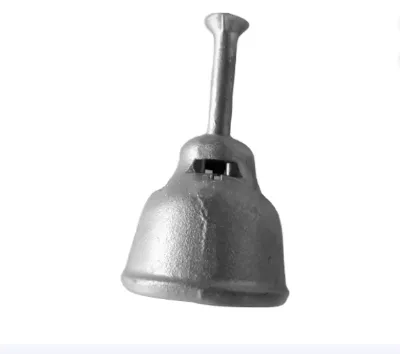
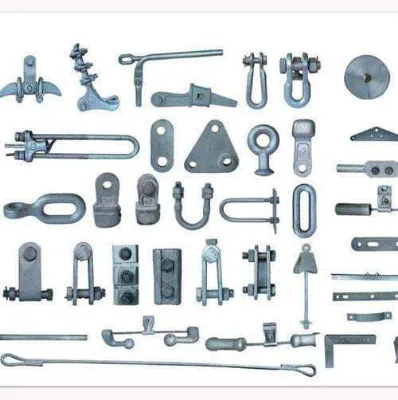


Hot DIP Galvanized Steel 40kN 70kN Socket and Ball Insulator Metal End Fittings
$10.00 - $50.00
MOQ: 1000 Pieces


Y1-7-16 Hot DIP Galvanized Socket Clevis
$0.16 - $0.28
MOQ: 1000 Pieces
Songguang (Hebei) Electric Power Equipment Manufacturing Co., Ltd

Hot Dipping Galvanized Electric Power Fitting Socket Insulator Ball Clevis
$0.75 - $7.50
MOQ: 1000 Pieces

Comprehensive Sourcing Guide
Hot Dip Galvanized Socket and Ball Sourcing Guide
Procuring Hot Dip Galvanized Socket and Ball fittings requires a disciplined approach to verifying material integrity and surface treatment consistency. These components serve as critical linkages in power transmission and substation infrastructure, where mechanical failure is not an option. Buyers must prioritize suppliers who demonstrate rigorous control over the galvanizing process, ensuring uniform zinc coating thickness that resists corrosion in harsh environmental conditions. The observed market signals indicate a wide range of customization options, from standard models to OEM specifications, necessitating clear technical communication to avoid mismatches in load-bearing capacity or dimensional tolerances.
The sourcing landscape includes manufacturers originating from key industrial hubs in China, particularly Hebei province, which is known for its robust hardware production capabilities. While many listings advertise ISO and CE certifications, buyers must independently verify the validity of these credentials through official databases rather than relying solely on supplier claims. The presence of "Non-GB" standard indicators suggests that some products may not adhere to strict national guidelines, requiring additional due diligence to ensure compatibility with local regulatory frameworks. Understanding these nuances is essential for mitigating supply chain risks and ensuring long-term operational reliability.
Product Scope and Observed Listing Signals
The current market offers a diverse array of link fittings, including ball clevises and casting sockets, primarily designed for line and substation applications. Listings frequently highlight features such as hot-dipped galvanization, which provides superior corrosion resistance compared to electro-galvanized alternatives. Buyers should note that while many products are described as "new" and "firm," the actual condition and quality can vary significantly between suppliers. The observed price range of zero to fifty USD suggests a broad spectrum of product tiers, from basic hardware to high-specification engineered components, requiring careful evaluation of value versus performance requirements.
Customization is a prevalent attribute, with many suppliers offering OEM and ODM services to meet specific project needs. However, the term "non-customized" also appears, indicating that standard off-the-shelf items are readily available for immediate deployment. Packaging methods vary, with options including cartons, plywood cases, wooden boxes, and pallets, which impacts logistics costs and product protection during transit. Buyers must clarify packaging requirements early in the negotiation process to prevent damage and ensure efficient handling. The availability of single-item selling units also caters to small-scale procurement needs, offering flexibility for maintenance and repair operations.
Technical Specifications to Verify
Technical verification must begin with the confirmation of material composition, typically steel, and the specific grade used in manufacturing. Industrial-grade materials are preferred for their durability and load-bearing capabilities, but buyers should request material test reports to confirm compliance with specified strength standards. The surface treatment process, specifically hot-dipped galvanization, is critical for longevity. Buyers should verify the coating thickness and uniformity, as inadequate galvanization can lead to premature rusting and structural failure. The model numbers, such as yn-7-16 or Ball Clevis, serve as reference points but do not guarantee performance without supporting technical data sheets.
Dimensional accuracy and mechanical properties are equally important, especially for fittings used in high-tension applications. The handle shape, often straight, and the socket type, which may be categorized as "other" or specific ball configurations, must align with the existing infrastructure. Buyers should insist on detailed drawings and tolerance specifications to ensure seamless integration with other tower hardware. Additionally, the welding techniques employed in manufacturing should be inspected for quality, as poor welds can compromise the structural integrity of the fitting. Clear communication of these technical requirements is essential to avoid costly rework or installation delays.
Compliance and Safety Documentation
Compliance with international and local safety standards is non-negotiable for power industry components. Buyers must verify that suppliers hold valid ISO and CE certifications, which indicate adherence to quality management and safety directives. However, the presence of these certificates on a product page does not automatically guarantee compliance for every batch. Independent verification through accredited testing laboratories is recommended to ensure that the fittings meet the required safety margins. The "Safe" attribute listed in many descriptions is a marketing claim that must be substantiated by third-party test results and compliance documentation.
Environmental protection attributes, such as recyclability, are increasingly important for sustainable procurement strategies. Buyers should inquire about the environmental impact of the galvanizing process and the disposal methods for any hazardous byproducts. While the products are described as recyclable, the actual recyclability depends on the specific materials and coatings used. Additionally, buyers should ensure that the suppliers follow proper waste management practices during production. Documentation regarding environmental compliance can enhance the buyer's corporate social responsibility profile and meet the requirements of environmentally conscious stakeholders.
Cost Drivers and Commercial Terms
Cost structures for hot dip galvanized fittings are influenced by raw material prices, particularly steel and zinc, as well as the complexity of the manufacturing process. The observed MOQ range of one to 7500 units indicates significant flexibility, allowing buyers to scale orders based on project requirements. However, lower MOQs may come with higher per-unit costs due to setup and production inefficiencies. Buyers should negotiate volume discounts for larger orders while ensuring that quality control measures are not compromised to meet cost targets. The warranty period, often cited as three years, provides a baseline for expected product lifespan but should be clearly defined in the contract.
Commercial terms, including payment methods and delivery schedules, vary among suppliers. Buyers should clarify the lead times for both standard and customized orders, as production delays can impact project timelines. The origin of the products, primarily from China, may involve additional logistics costs and import duties, which should be factored into the total cost of ownership. Packaging options, such as wooden cases or pallets, also affect shipping costs and should be optimized for efficiency. Clear communication of these commercial terms is essential to avoid unexpected expenses and ensure smooth transaction processing.
Supplier Qualification and Quality Control
Supplier qualification involves a thorough assessment of manufacturing capabilities, quality management systems, and past performance. Buyers should prioritize suppliers with established track records in producing tower hardware and power fittings. Factory audits, either physical or virtual, can provide insights into production processes and quality control measures. The brand name "chencheng" is one example of a supplier in the market, but buyers should evaluate multiple options to find the best fit for their needs. Verification of the supplier's ability to meet specific technical requirements and delivery schedules is crucial for successful procurement.
Quality control procedures should include incoming material inspections, in-process checks, and final product testing. Buyers should request quality assurance plans that detail the testing methods and acceptance criteria for each production stage. The use of standardized testing equipment and trained personnel ensures consistent product quality. Additionally, buyers should establish clear communication channels for addressing any quality issues that arise during production or after delivery. A robust quality control system minimizes the risk of defects and ensures that the fittings meet the required performance standards.
Long-Term Procurement Checks
Long-term procurement success depends on continuous monitoring of supplier performance and product reliability. Buyers should establish key performance indicators, such as on-time delivery rates, defect rates, and responsiveness to issues, to evaluate supplier effectiveness. Regular reviews of these metrics help identify potential problems early and facilitate corrective actions. The warranty period provides a window for assessing product durability, but buyers should also monitor field performance to detect any emerging issues. Maintaining a diverse supplier base can mitigate risks associated with single-source dependencies and ensure supply chain resilience.
Feedback loops between procurement, engineering, and field operations are essential for continuous improvement. Buyers should share field data and performance observations with suppliers to drive product enhancements and process optimizations. Collaborative relationships with suppliers can lead to better pricing, improved quality, and innovative solutions. Additionally, staying informed about industry trends and technological advancements ensures that procurement strategies remain competitive and aligned with evolving market demands. Proactive engagement with suppliers fosters a partnership approach that benefits both parties and supports long-term business objectives.
FAQs
What is the standard surface treatment for these fittings?
The standard surface treatment is hot dipped galvanized. This process ensures the steel components are protected against corrosion and rust. The fittings are designed for use in power substations and line applications. This finish provides long-term durability in outdoor environments. The material grade is industrial, ensuring structural integrity under load.
Can these products be customized for specific projects?
Yes, customization is available for these link fittings. Buyers can request specific models or specifications to match their requirements. The production supports ODM and OEM requests. This flexibility allows for tailored solutions in power infrastructure. The manufacturer accommodates various design needs while maintaining quality standards.
Which certifications do these metal fittings hold?
These fittings hold ISOCE and CE certifications. These credentials verify compliance with international quality and safety standards. The products are manufactured in China with strict quality control. The certifications ensure reliability for global power grid applications. Buyers can trust the documented quality of the steel components.
How are the ball clevises used in assembly?
Ball clevises are used to attach ball components securely. This design facilitates easy connection in substation fittings. The hot dipped galvanized socket ensures a robust joint. The welding process adds strength to the structural integrity. This configuration is ideal for line fittings in power systems.
What packaging methods are used for shipment?
Products are packed in cartons, plywood cases, or wooden boxes. Some items may also use bags or pallets for stability. The packaging is complete to protect fittings during transit. This method ensures the galvanized finish remains undamaged. Secure packaging is standard for industrial metal hardware shipments.
What is the warranty period for these fittings?
The warranty period is three years for these fittings. This coverage applies to the structural integrity of the steel components. The hot dipped galvanized finish is protected against premature failure. Buyers receive assurance for long-term performance in power applications. The warranty reflects the manufacturer's confidence in product quality.