Source Polyurethane Foam Silicone Oil for Textile, Rubber, and Paper
Find and compare 30 Polyurethane Foam Silicone Oil products from Chinese suppliers. Evaluate industrial grade options including release agents and surfactants for textile auxiliaries, rubber processing, and paper chemicals. Review specifications like density, viscosity, and packaging to select cost-effective solutions for your manufacturing needs.
Key considerations
Products List




Comprehensive Sourcing Guide
Polyurethane Foam Silicone Oil Sourcing Guide
Sourcing Polyurethane Foam Silicone Oil requires a nuanced understanding of the intersection between polymer chemistry and industrial surfactant applications. This category encompasses specialized additives designed to modify the physical properties of polyurethane systems, primarily focusing on foam stability, cell structure, and surface finish. Buyers must navigate a complex landscape where the chemical composition of the silicone oil directly influences the performance of the final PU product, whether it is flexible foam for furniture, rigid foam for insulation, or elastomers for automotive parts. The procurement process is not merely about purchasing a commodity chemical but about securing a technical partner who can provide consistent performance across varying production conditions.
The market for these materials is characterized by a wide range of product specifications, from basic release agents to high-performance catalysts and stabilizers. Procurement teams often encounter listings that vary significantly in terms of viscosity, hydroxyl value, and acid value, which are critical indicators of the oil’s reactivity and compatibility with polyether or polyester polyols. Understanding these technical distinctions is essential for aligning the purchased material with specific manufacturing processes, such as spray foam application or continuous slabstock production. Failure to verify these parameters can lead to production inefficiencies, including poor foam rise, collapse, or inconsistent density, which ultimately impacts the quality of the end product and the cost-effectiveness of the manufacturing line.
Product Scope and Observed Listing Signals
The observed market signals indicate a diverse array of product forms, ranging from oily liquids to white or transparent substances, which suggests a broad spectrum of chemical functionalities available to buyers. Listings frequently highlight attributes such as "Industrial Grade" and "Organic Acids" as sources, pointing towards the foundational chemistry used in these additives. The presence of models like JC-7858 and LP-120, alongside packaging options like iron drums and barrels, reflects the industrial nature of these purchases, where bulk handling and storage stability are paramount. Buyers should interpret these signals as indicators of the product's readiness for large-scale industrial integration rather than small-scale or laboratory use.
Furthermore, the observed usage categories provide a clear map of where these silicone oils are applied, including water treatment, textile auxiliaries, and various plastic and rubber auxiliary agents. This versatility suggests that the same base chemistry might be adapted for different end-uses, requiring buyers to specify their exact application context when sourcing. The mention of "Release Agent" as a glue type and "Blow Molding" as a plastic forming method highlights the specific roles these oils play in facilitating manufacturing processes. Procurement specialists must cross-reference these observed signals with their internal technical requirements to ensure that the listed product attributes, such as density ranges or color, align with their specific production needs.
Technical Specifications to Verify
Verifying the technical specifications of Polyurethane Foam Silicone Oil is the most critical step in the sourcing process, as minor deviations can significantly impact foam quality. Key parameters to verify include viscosity, which was observed in some listings to range from 6000-9000 GPS at 25°C, indicating the flow characteristics of the oil under standard conditions. Buyers must also confirm the hydroxyl value, with observed ranges of 160-200 mgKOH/g, as this determines the reactivity of the silicone with other components in the polyurethane mix. Additionally, the acid value, noted as less than or equal to 2 mgKOH/g in some contexts, is crucial for ensuring the stability of the final foam and preventing degradation over time.
Another essential specification is the density, which was observed to range from 1.03-1.08 g/cm³ in certain product listings, affecting how the oil disperses within the polyol blend. Buyers should also verify the shelf life, with observed values of 12 months, to ensure inventory management aligns with production schedules. The physical appearance, whether transparent, white, or yellow, can serve as a quick visual check for consistency but should not replace laboratory testing. It is imperative to request detailed technical data sheets (TDS) that confirm these numerical values, as variations in these specs can indicate different formulations suited for flexible foam, rigid foam, or other specialized applications.
Compliance and Safety Documentation
Compliance and safety documentation are non-negotiable elements in the procurement of chemical additives, ensuring that the materials meet regulatory standards and workplace safety requirements. Buyers must verify that suppliers provide Safety Data Sheets (SDS) that comply with international standards, such as GHS, detailing the handling, storage, and emergency measures for the silicone oil. The observed mention of ISO certification suggests that some suppliers adhere to quality management systems, which can be a proxy for consistent documentation practices. However, buyers should not assume that ISO certification covers all regulatory requirements, particularly those related to environmental impact or specific industry bans on certain chemical components.
Storage conditions are another critical aspect of compliance, with observed recommendations for storage under room temperature to maintain product integrity. Buyers must ensure that their storage facilities meet these requirements to prevent degradation or separation of the oil, which could lead to non-compliant batches. Additionally, the expiry date, observed as one year in some listings, must be clearly marked on all packaging to facilitate proper inventory rotation. Procurement teams should also verify that the supplier provides certificates of analysis (COA) for each batch, confirming that the product meets the specified technical parameters and is free from contaminants that could compromise safety or performance.
Cost Drivers and Commercial Terms
The cost of Polyurethane Foam Silicone Oil is influenced by several factors, including the complexity of the chemical synthesis, the purity of the raw materials, and the volume of the purchase. Observed price ranges vary widely, from $0.4 to $5300, reflecting the difference between basic additives and specialized, high-performance formulations. Buyers should understand that lower prices may correlate with lower purity or less consistent performance, while higher prices often reflect advanced technology and stricter quality control. The minimum order quantity (MOQ), observed to range from 1 to 5000 units, also plays a significant role in pricing, with larger volumes typically securing better rates due to economies of scale.
Commercial terms such as payment methods, observed as T/T and LC, and delivery times, noted as 7-15 days, are standard in this industry but can vary based on supplier location and stock availability. Buyers should negotiate terms that align with their cash flow and production schedules, considering the lead time for production and shipping. The origin of the product, observed as China, is a common source for these chemicals, but buyers should also consider logistics costs and potential tariffs when evaluating the total cost of ownership. It is advisable to request detailed quotations that break down the cost per unit, including packaging and shipping, to ensure a transparent comparison between suppliers.
Supplier Qualification and Quality Control
Supplier qualification is a rigorous process that goes beyond checking certifications, requiring a deep dive into the supplier’s manufacturing capabilities and quality control systems. Buyers should assess the supplier’s ability to provide consistent product quality, which is often indicated by their adherence to standards such as JC-7858 or 200kg/drum packaging specifications. The observed customization availability suggests that some suppliers can tailor products to specific buyer needs, which is a valuable attribute for companies with unique production requirements. However, buyers must verify the supplier’s track record in delivering customized products without compromising quality or consistency.
Quality control measures should include regular audits of the supplier’s production facilities and testing protocols. Buyers should request samples for independent laboratory testing to verify key parameters such as viscosity, hydroxyl value, and acid value before placing large orders. The observed feature of being "Cost Effective" should be balanced against the risk of quality issues, as cheaper products may lead to higher waste rates or production downtime. Establishing a long-term relationship with a qualified supplier involves continuous monitoring of product performance and feedback loops to address any issues promptly, ensuring that the supply chain remains robust and reliable.
Long-Term Procurement Checks
Long-term procurement checks are essential for maintaining the integrity of the supply chain and ensuring that the purchased materials continue to meet evolving production needs. Buyers should conduct periodic reviews of supplier performance, focusing on metrics such as on-time delivery, product consistency, and responsiveness to technical queries. The observed shelf life of 12 months requires careful inventory management to prevent waste, and buyers should implement systems to track batch numbers and expiry dates effectively. Regular communication with the supplier can help anticipate market changes, such as raw material shortages or regulatory updates, allowing for proactive adjustments to procurement strategies.
Additionally, buyers should stay informed about advancements in polyurethane technology and silicone oil formulations, as new products may offer improved performance or cost savings. Engaging with technical experts from the supplier can provide insights into best practices for usage and storage, enhancing the overall efficiency of the production process. By maintaining a proactive approach to supplier management and quality assurance, buyers can mitigate risks and ensure a steady supply of high-quality Polyurethane Foam Silicone Oil, supporting the long-term success of their manufacturing operations.
FAQs
What is the appearance of Polyurethane Foam Silicone Oil?
The product appears as an oily liquid that is transparent in color. This physical state allows for easy integration into various chemical processes. Buyers should note that while some listings mention white or yellow variants, the primary observation is a transparent oily liquid suitable for industrial applications.
Can I customize the Polyurethane Foam Silicone Oil specifications?
Yes, customization is available for this product line. Suppliers offer various models such as JC-7858 and LP-120 to meet specific industrial needs. This flexibility allows buyers to tailor the chemical properties to their exact production requirements, ensuring compatibility with their existing manufacturing workflows and auxiliary agent systems.
What is the lead time for delivery?
The standard delivery time is 7-15 days. This timeframe applies to most orders placed with verified suppliers. Buyers should plan their inventory accordingly to ensure continuous production. The efficient turnaround supports just-in-time manufacturing strategies for industries requiring textile auxiliaries, water treatment chemicals, or rubber additives.
What certifications are available for these products?
ISO certification is available for select product models. This indicates adherence to international quality management standards. Buyers seeking verified suppliers can filter for ISO-certified manufacturers to ensure consistent product quality. This certification is particularly relevant for electronics chemicals and coating auxiliary agents where strict quality control is essential.
How is the product packed and shipped?
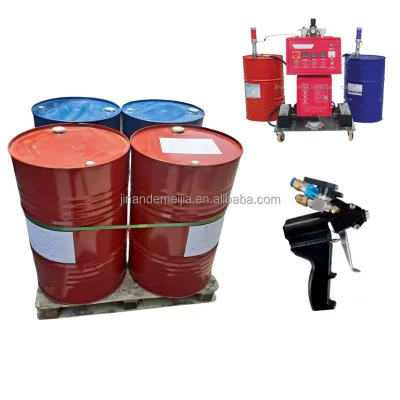
The product is typically packed in iron drums or standard drums. Common packaging sizes include 200kg per drum or 25kg per drum. Some listings also mention barrel packaging or palletized drums. This robust packaging ensures safe transport and storage under room temperature conditions, preserving the chemical integrity of the silicone oil.
What are the primary usage applications?
The product serves as a release agent and is used in water treatment, textiles, surfactants, and rubber auxiliaries. It is also applied in plastic and paper chemicals. The versatile nature of this Polyurethane Foam Silicone Oil makes it suitable for diverse industrial sectors, including electronics and oil drilling auxiliary agents.