Source Polyurethane Insulated Plastic Cooler Box for Medical, Food, and Outdoor Use
Find and compare 30 Polyurethane Insulated Plastic Cooler Box options tailored for pharmaceutical transport, frozen food delivery, and outdoor camping. These units feature vacuum or foam insulation, waterproof designs, and customizable colors to meet diverse logistical and recreational needs.
Key considerations
Products List




Comprehensive Sourcing Guide
Polyurethane Insulated Plastic Cooler Box Sourcing Guide
Sourcing polyurethane insulated plastic cooler boxes requires a nuanced understanding of material science, thermal performance, and supply chain logistics. These containers are engineered to maintain internal temperatures for pharmaceuticals, medical supplies, frozen foods, and general outdoor use. The core value proposition lies in the balance between lightweight durability and high-efficiency thermal retention, making them critical for cold chain integrity in both industrial and consumer contexts. Buyers must navigate a market where product attributes vary significantly based on the specific application, whether it is a high-volume medical cryostat or a portable picnic cooler.
This guide provides evidence-based procurement strategies for sourcing these units. It focuses on verifying technical specifications, ensuring compliance with safety standards, and managing commercial terms effectively. By adhering to the observed data and trusted industry knowledge, buyers can mitigate risks associated with inconsistent insulation performance, material degradation, and logistical delays. The following sections detail the critical decision points for establishing a reliable supply of polyurethane insulated plastic cooler boxes.
Product Scope and Observed Listing Signals
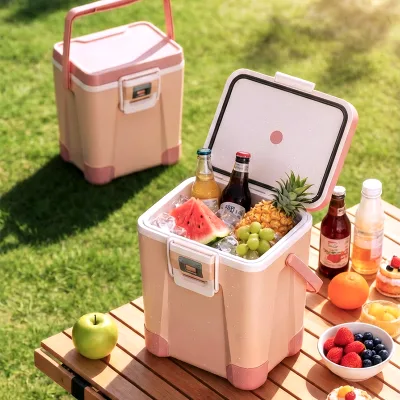
The market for polyurethane insulated plastic cooler boxes spans diverse applications, ranging from pharmaceutical transport to outdoor recreation. Observed listings indicate usage scenarios including medical supplies transport, frozen food transport, food delivery, beach trips, camping, hiking, and fishing. This broad scope suggests that buyers must clearly define their end-use case early in the sourcing process, as a unit optimized for medical cryostats may lack the portability features required for outdoor picnics. The presence of customizable patterns and colors such as red, purple, pink, orange, green, gray, blue, and black indicates that branding and visual identification are common procurement requirements.
Technical observations reveal a mix of insulation technologies, primarily vacuum insulation and foam insulation, with polyurethane serving as a key material component. Some products feature internal linings made of polypropylene (PP) and external materials of polyethylene, which contribute to durability and chemical resistance. Carrying options typically include handles, and lid types are often removable for ease of access. Buyers should note that while some listings highlight features like waterproofing and keep-fresh capabilities, others focus on specific temperature ranges, such as -20℃ to 10℃, which is critical for certain medical or food preservation needs.
Technical Specifications to Verify
Insulation thickness and type are primary determinants of thermal performance. Buyers should verify whether the cooler utilizes vacuum insulation or foam insulation, as each offers different trade-offs in weight, cost, and retention time. For high-performance applications, insulation thickness of ≥40mm is a relevant benchmark to ensure adequate thermal barrier properties. Additionally, the molecular structure of the insulation material, such as heterochain polymers, can influence long-term stability and resistance to degradation. It is essential to confirm that the polyurethane foam or vacuum panels are fully encapsulated to prevent moisture ingress, which can compromise insulation efficiency over time.
Capacity and physical dimensions must align with the intended load and storage constraints. Standardized volumes observed in the market include 5L, 6L, 8L, 10L, 12L, 16L, 18L, 20L, 24L, 30L, 40L, and 50L, catering to everything from small medical samples to large food deliveries. Weight specifications are also critical; for instance, empty weights may range from 1.95kg to 4kg, while fully loaded weights can reach 6.6kg. Buyers should verify the number and type of coolant packs included, such as water-packs, and ensure that the cooler’s structural integrity can support the specified load without deformation.
Compliance and Safety Documentation
Certification status is a non-negotiable aspect of procurement, particularly for medical and food-related applications. CE certification is a key indicator of compliance with European health, safety, and environmental protection standards. Buyers must request valid certification documents and verify their authenticity with the issuing body. While other certifications like RoHS and REACH are mentioned in background contexts, their applicability depends on the specific material composition and destination market. For products intended for the European Union, ensuring full compliance with REACH regulations regarding chemical substances is essential to avoid customs delays or legal liabilities.
Safety features such as over-temperature alarms are critical for high-value cargo like pharmaceuticals. Buyers should verify if the cooler includes integrated alarm functions that trigger when internal temperatures exceed safe thresholds. This feature is particularly relevant for medical cryostats and temperature-sensitive medical supplies. Additionally, the material safety of the internal lining, often polypropylene, should be confirmed to ensure it is food-grade or medical-grade as required. Documentation should also include material safety data sheets (MSDS) for any chemical components, ensuring that the cooler does not leach harmful substances into the stored items.
Cost Drivers and Commercial Terms
Pricing for polyurethane insulated plastic cooler boxes varies widely, with observed ranges from $1.38 to $4000 USD, reflecting differences in size, insulation technology, and customization level. The cost is heavily influenced by the volume capacity, with larger units like 50L boxes commanding higher prices. Customization options, such as specific colors, patterns, or branding, can also impact the unit cost. Buyers should request detailed quotes that break down costs for materials, insulation, labor, and customization to understand the value proposition of each supplier.
Minimum Order Quantities (MOQ) and lead times are significant commercial factors. Observed MOQs range from 1 to 1000 units, with some suppliers requiring a minimum of 50 pieces. Lead times can extend up to 20 days, depending on the order size and customization requirements. Packaging methods, such as PE bags combined with carton boxes or drums for bulk chemical components, affect shipping costs and handling efficiency. Buyers should negotiate clear terms regarding packaging standards to prevent damage during transit and ensure that the carton dimensions, such as 61.544.542cm, are optimized for container loading.
Supplier Qualification and Quality Control
Supplier qualification begins with verifying their manufacturing capabilities and quality management systems. Buyers should assess whether the supplier offers customized processing services, as this indicates flexibility in meeting specific design or functional requirements. The origin of the products, often China, should be confirmed, and buyers should evaluate the supplier’s track record in exporting to their target market. Requesting samples is a critical step to physically inspect the build quality, insulation integrity, and material finish before committing to a larger order.
Quality control protocols should include rigorous testing of thermal performance and durability. Buyers should inquire about the supplier’s testing procedures for insulation thickness, waterproofing, and load-bearing capacity. For medical applications, additional checks for material purity and sterilization compatibility may be necessary. Establishing a clear quality assurance agreement that defines acceptable defect rates and remediation processes is essential. Buyers should also verify the supplier’s ability to provide consistent batch-to-batch quality, particularly when ordering large volumes such as 80 drums per 20-foot container load.
Long-Term Procurement Checks
Long-term success in sourcing polyurethane insulated plastic cooler boxes depends on establishing a sustainable supply chain relationship. Buyers should monitor supplier performance metrics, including on-time delivery rates, product consistency, and responsiveness to issues. Regular audits or third-party inspections can help ensure that quality standards are maintained over time. Additionally, staying informed about changes in material science, such as new insulation technologies or eco-friendly polyurethane formulations, can provide opportunities for cost savings or performance improvements.
Regulatory compliance is an ongoing requirement, especially as international trade regulations evolve. Buyers must stay updated on changes in certification requirements, such as CE, RoHS, or REACH, and ensure that their suppliers remain compliant. Building a diversified supplier base can mitigate risks associated with geopolitical disruptions or production bottlenecks. Finally, feedback loops from end-users, whether they are medical professionals or outdoor enthusiasts, should be integrated into the procurement process to drive continuous improvement in product design and functionality.
FAQs
What customization options are available for the cooler box?
Customization is available for the pattern type and processing of the cooler box. Buyers can request specific designs or modifications to the product features to meet unique requirements while maintaining the core polyurethane insulation material.
Which insulation types are used in these cooler boxes?
The product page lists both vacuum insulation and foam insulation types for different models. These options ensure effective temperature control for various scenarios ranging from pharmaceutical transport to outdoor camping and beach trips.
Can the cooler box be used for medical supplies transport?
Yes, the cooler box is explicitly designed for pharmaceutical transport and medical supplies transport. It features an over-temperature alarm function and can maintain temperatures between -20℃ to 10℃ depending on the specific model configuration.
What is the minimum order quantity for purchasing these boxes?
The minimum order quantity ranges from 1 to 1000 units depending on the specific product configuration. Some listings indicate an MOQ of 50 pieces, while others allow for smaller trial orders starting at a single unit.
How long does delivery take for these insulated containers?
The standard delivery time is 20 days for the listed products. This lead time applies to the manufacturing and shipping process from the origin in China to the destination market for the specified order volume.
What certifications do these polyurethane cooler boxes hold?
The products are documented with CE certification. This indicates compliance with specific safety and quality standards required for selling in certain markets, ensuring the materials and construction meet regulatory requirements for the intended usage.
Which colors are available for the cooler box exterior?
The cooler boxes are available in red, purple, pink, orange, green, gray, blue, and black. Buyers can select from this wide range of colors to match branding or personal preferences for outdoor and transport applications.