Source Polyurethane Liquid Spray Nozzle for Wood, Plastic, and Hardware
Explore 30 verified listings for the Polyurethane Liquid Spray Nozzle suitable for wood, porcelain, and plastic spraying equipment. Buyers can compare specifications like pressure capacity, hose length, and power sources to find the right fit for their hardware applications.
Key considerations
Products List


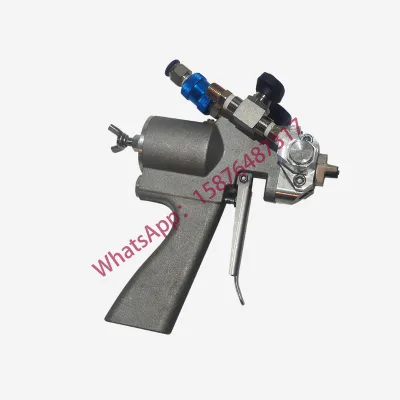
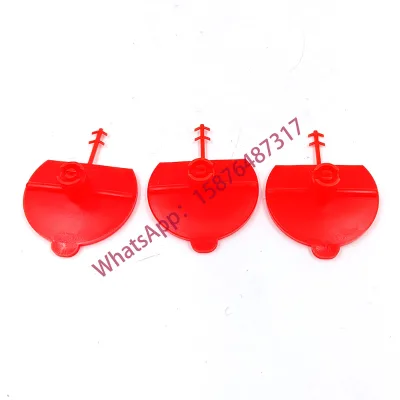

Performance Polyurethane Nozzle Wet Spraying Machine Polyurethane Spraying Machine
$2700.00 - $2750.00
MOQ: 1 Pieces


$5.00 - $8.00
MOQ: 100 Sets
Comprehensive Sourcing Guide
Strategic Sourcing Guide for Polyurethane Liquid Spray Nozzles
Procuring industrial spray nozzles for polyurethane liquid applications requires a disciplined approach that balances technical precision with supply chain reliability. Polyurethane coatings are distinct from standard paints due to their viscosity, chemical reactivity, and the specific pressure requirements needed for atomization. Buyers must navigate a market where product attributes vary significantly between high-pressure airless systems and pneumatic manual units. This guide synthesizes available market data to help procurement professionals evaluate suppliers, verify specifications, and mitigate risks associated with sourcing these critical fluid delivery components.
Technical Specifications and Operational Parameters
The core of any successful procurement for polyurethane spray nozzles lies in matching the equipment's technical specifications to the chemical properties of the coating. Polyurethane liquids often demand high-pressure environments to achieve the fine atomization necessary for a smooth finish. Market observations indicate that high-pressure airless spray equipment is a primary category for these applications, with specific models designed to handle maximum fluid working pressures up to 24 MPa. This pressure range is critical; insufficient pressure leads to poor atomization and orange peel textures, while excessive pressure can cause equipment failure or safety hazards.
In addition to pressure, the power source and method of operation define the nozzle's suitability for a given production line. Buyers will encounter both pneumatic and electric power options. Pneumatic models, often labeled as "PNEUMATIC" in product listings, rely on compressed air, typically requiring an inlet pressure between 0.4 and 0.8 MPa. These are common in manual application scenarios where portability and immediate control are prioritized. Conversely, electric models offer automated consistency for larger batches. The method type is another crucial variable; "Manual" operation is frequently cited for smaller workshops or touch-up work, whereas automated systems are preferred for continuous industrial lines.
Physical dimensions and flow rates also dictate performance. Specifications for industrial units often cite output capacities around 10 kg/min, ensuring that the nozzle can keep pace with production demands without clogging. The hose length is another observable specification, with 30-foot hoses being a standard offering to provide operator flexibility. Material composition is equally vital; while some nozzles are constructed from plastic for lighter duty or specific chemical resistance, others may utilize hardened metals to withstand the abrasive nature of certain polyurethane formulations. Buyers must verify the specific material grade against the chemical compatibility of their polyurethane liquid to prevent degradation or contamination.
Compliance, Certification, and Standard Verification
Navigating the certification landscape is essential for ensuring that purchased nozzles meet international safety and quality benchmarks. While specific certification statuses can vary by supplier, the market frequently references ISO 9001 and CE marks as indicators of compliance. For polyurethane applications, which often involve hazardous chemicals and high-pressure operations, adherence to standards such as EN 1504-2 (regarding concrete protection systems) or similar industry-specific norms is a strong signal of quality. However, buyers should treat these certifications as observations rather than universal guarantees; each supplier must provide valid documentation for the specific model being purchased.
Standardization in manufacturing is another area requiring careful attention. Product standards often appear as "Customized" or specific dimensional codes like 8007001150mm, indicating that the equipment may be tailored to specific facility layouts or process requirements. The origin of the product, often listed as China or specific provinces like Shandong and Guangdong, can influence the regulatory framework applied. Chinese manufacturers frequently align with GB standards, which may differ slightly from European or American norms. Therefore, verification of the "prod_standard" field is necessary to ensure the nozzle meets the local regulatory environment of the buyer's facility.
When evaluating compliance, buyers should look for explicit mentions of certifications like ISO 9001:Standard:GB or CE, ISO. These are not merely marketing terms but indicators that the supplier has undergone quality management system audits. For polyurethane spraying, which involves flammable solvents and high pressures, the presence of CE certification is particularly relevant for safety compliance in many global markets. However, the absence of a specific certification in a listing does not necessarily imply non-compliance; it may simply mean the supplier has not uploaded the certificate to the public listing. Procurement teams must request these documents directly during the negotiation phase to validate the claims.
Cost Drivers and Pricing Dynamics
The pricing of polyurethane spray nozzles is influenced by a complex interplay of factors, including material costs, manufacturing complexity, and customization levels. The observed price range in the market is vast, spanning from 0.1 USD for basic components to 4500 USD for complete high-pressure airless spray systems. This disparity highlights the difference between purchasing a single nozzle tip versus acquiring a full integrated spraying unit. Buyers must clearly define their scope of purchase to avoid confusion between component costs and system costs.
Minimum Order Quantity (MOQ) is a significant cost driver in this sector. The market shows an MOQ range from 1 piece to 1000 pieces. For small workshops or prototyping phases, suppliers offering an MOQ of 1 piece are invaluable, allowing for low-risk testing of new equipment. Conversely, large-scale industrial procurement can leverage higher volume orders to negotiate better unit economics, though the standard MOQ often sits at 1 piece for individual items like nozzles. The "Selling Units" are typically listed as "Single item," which simplifies the purchasing process for one-off acquisitions but may increase the per-unit cost compared to bulk orders.
Additional cost factors include packaging and shipping. Products may be packed in cartons, pallets, or wooden cases depending on the size and fragility of the unit. Wooden cases are often used for heavier industrial equipment to prevent damage during transit, adding to the overall cost. Furthermore, the availability of free samples can reduce the initial cost of evaluation, allowing buyers to test performance without a full financial commitment. However, the lead time for delivery, which can be as short as 7 days, may impact the total cost of ownership if expedited shipping is required to meet production deadlines. Buyers should calculate the total landed cost, including freight and potential customs duties, rather than focusing solely on the base product price.
Typical Applications and Industry Use Cases
Polyurethane spray nozzles serve a diverse array of industries, each with unique requirements for finish quality and durability. The primary applications identified in the market include wood spraying, porcelain spraying, plastic spraying, and hardware spraying. In the wood industry, nozzles must deliver a consistent coat that enhances grain visibility while providing protection against moisture and wear. For porcelain and plastic applications, the focus shifts to chemical resistance and the ability to coat complex geometries without runs or sags.
Hardware spraying represents another critical sector, where metal components require a durable, corrosion-resistant coating. The "Wearable" attribute of some nozzles suggests they are designed for handheld applications, which is common in hardware finishing where manual control is necessary to reach intricate parts. The specific model numbers, such as ZHONGHENG-06 or CNMC-A25, often correspond to specialized configurations for these applications. For instance, a foam nozzle might be used for specific insulation applications, while a standard spray gun is optimized for liquid polyurethane coatings.
The versatility of these nozzles is further demonstrated by their ability to handle various power sources and pressure settings. A single model might be adaptable for both manual and automated setups, depending on the pressure control mechanism. Adjustable pressure features allow operators to fine-tune the spray pattern for different substrates, ensuring optimal coverage. Whether the application involves large-scale furniture manufacturing or small-batch hardware production, the correct nozzle selection is pivotal to achieving the desired aesthetic and functional results.
Supplier Evaluation and Quality Assurance
Evaluating suppliers for polyurethane spray nozzles requires a rigorous assessment of their capabilities, reliability, and after-sales support. A key indicator of supplier maturity is the provision of after-sales service, with a standard offering of 1 year of support being a common benchmark. This warranty period is crucial for high-pressure equipment, where component wear and tear are inevitable. Buyers should verify the terms of this warranty, including what is covered (e.g., manufacturing defects vs. wear and tear) and the process for claiming service.
Quality control measures should be a central part of the supplier evaluation. The "Condition" of the product is typically listed as "New," but buyers must ensure that the manufacturing process includes strict quality checks to prevent defects. The "Customization" attribute being available suggests that suppliers are capable of tailoring products to specific needs, which is a positive sign of flexibility and technical competence. However, customization also introduces complexity; buyers must provide clear specifications to avoid misalignment between the delivered product and the intended application.
Supplier location and origin play a role in logistics and communication. With origins listed in China, specifically provinces like Shandong and Guangdong, buyers should be aware of potential time zone differences and language barriers. These regions are known for their manufacturing hubs, but the distance can impact lead times and shipping costs. The "Single package size" and "Single gross weight" are useful metrics for logistics planning, with sizes ranging from 10x8x5 cm for small nozzles to larger dimensions for full systems. Buyers should request detailed packing lists to ensure that the shipping method (Sea or Air) aligns with their urgency and budget constraints.
Long-Term Procurement and Maintenance Considerations
Sourcing polyurethane spray nozzles is not a one-time transaction but an ongoing relationship that impacts long-term operational efficiency. The "After-sales Service" and "Warranty" terms are critical for long-term planning. A 6-month to 1-year warranty is standard, but buyers should consider the availability of spare parts and the ease of maintenance. The "Material" of the nozzle, whether plastic or metal, affects its lifespan and resistance to chemical degradation. Polyurethane liquids can be aggressive, so selecting a nozzle with high chemical resistance is essential to minimize downtime and replacement costs.
Maintenance protocols should be established early in the procurement process. The "Connect hole" specification, such as 6.5mm±0.2mm, indicates the precision required for fittings and connections. Deviations from these tolerances can lead to leaks or pressure drops, affecting the quality of the spray. Buyers should verify that the supplier provides clear maintenance guidelines and that the nozzle design allows for easy cleaning and part replacement. The "Hose Length" of 30 feet is a standard that offers flexibility, but buyers should assess whether this length is sufficient for their specific workflow or if extension hoses are needed.
Finally, the "Delivery Time" of within 7 days is a significant advantage for maintaining production schedules. However, buyers should plan for potential delays due to supply chain disruptions or customization requirements. The "Sample" availability allows for pre-purchase testing, which is a valuable risk mitigation strategy. By testing the nozzle with the actual polyurethane liquid before committing to a large order, buyers can verify performance, pressure stability, and finish quality. This proactive approach ensures that the long-term procurement strategy is built on verified data rather than assumptions, leading to more reliable operations and reduced total cost of ownership.
FAQs
Can I get a free sample for Polyurethane Liquid Spray Nozzle testing?
Yes, free samples are available for this product to help you evaluate quality before bulk ordering. This option allows you to verify the nozzle's performance and specifications without financial risk, though standard shipping terms may apply depending on the supplier.
What is the typical delivery time for these spray nozzles?
The delivery time is typically within 7 days for most orders of this product. This fast turnaround supports urgent production needs, but actual arrival dates may vary based on your specific location and the chosen shipping method between sea or air transport.
Which certification standards do these spray nozzles meet?
These nozzles meet ISO 9001:Standard:GB and CE, ISO certification standards. These certifications indicate compliance with international quality management systems and safety norms, ensuring the equipment is suitable for industrial applications like wood, porcelain, and hardware spraying.
How does the maximum fluid working pressure affect nozzle selection?
The maximum fluid working pressure can reach up to 24 MPa for high-pressure airless spray equipment. Selecting a nozzle with adequate pressure capacity is critical for polyurethane liquids to ensure proper atomization and prevent equipment failure during high-volume spraying operations.
What is the minimum order quantity for purchasing these nozzles?
The minimum order quantity is 1 piece, allowing for single-item purchases. This low MOQ is ideal for small workshops or prototyping phases, enabling buyers to test the product's suitability for wood, plastic, or hardware spraying without committing to large inventory volumes.
Can these nozzles be customized for specific industrial applications?
Yes, customization is available to tailor the nozzle to specific industrial needs. Suppliers can adjust specifications such as hose length or pressure settings to match requirements for wood, porcelain, or plastic spraying equipment, ensuring optimal performance for your unique production line.
What is the warranty period for the polyurethane spray nozzle?
The warranty period is typically 6 months for the product. This coverage protects against manufacturing defects, and buyers should also verify if the supplier offers an additional 1-year after-sales service for ongoing maintenance and support of the spraying equipment.