Source Portable Air Cooler Motor Bracket for HVAC, Manufacturing, and Commercial Use
Explore 30 listings for the Portable Air Cooler Motor Bracket, featuring metal construction and CE certification. Compare options for refrigeration, air conditioning, and industrial machinery applications to find the right fit for your needs; compare the available evidence and request quotations based on your requirements.
Key considerations
Products List


$220.00 - $240.00
MOQ: 2 Pieces

$110.00 - $130.00
MOQ: 1 Pieces


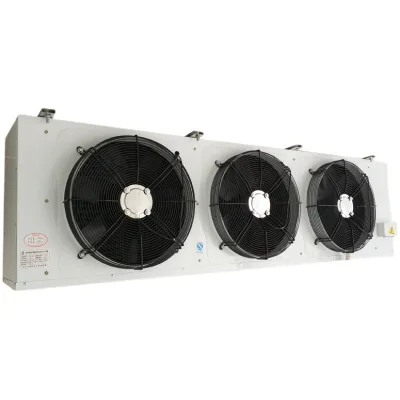


Comprehensive Sourcing Guide
Portable Air Cooler Motor Bracket Sourcing Guide
Procuring a Portable Air Cooler Motor Bracket requires distinguishing between generic mounting hardware and components engineered for specific cooling systems. The observed market data indicates a diverse range of options, from single-side brackets designed for mechanical engineering applications to units compatible with direct cooling methods. Buyers must carefully align their selection with the intended usage, whether for refrigeration, air conditioning, or general manufacturing environments, to ensure structural integrity under operational stress.
The product landscape includes variations in material composition, with options ranging from iron and general metal to plastic air tube integrations. While some listings highlight a "New Classical" style or metallic finishes, the functional priority remains on the bracket's ability to support the motor within a floor-standing or specific mounting configuration. Understanding these physical distinctions is the first step in filtering the 30 available product entries to identify components that match the specific mechanical and aesthetic requirements of your cooling unit assembly.
Product Scope and Observed Listing Signals
Market listings for these components reveal a wide spectrum of customization capabilities, ranging from non-customized standard units to fully tailored solutions. The observed data shows that some products are explicitly marked as "Customized" while others are "Non-Customized," indicating that buyers must verify if the supplier can adapt the bracket's dimensions or structure to fit unique chassis designs. This variability is critical, as a standard single-side bracket may not suffice for complex industrial setups requiring specific mounting angles or reinforced structures.
Pricing and minimum order quantities (MOQ) fluctuate significantly, with observed ranges spanning from $0.01 to $500 and MOQs from 1 to 10,000 units. This disparity suggests that the market includes both low-volume prototype components and bulk industrial supplies. Buyers should note that while some items are packaged in simple cartons, others utilize wooden crates for heavy-duty protection, which directly impacts logistics costs and handling requirements during the initial procurement phase.
Technical Specifications to Verify
When evaluating technical specifications, the material composition is a primary determinant of durability and performance. The available data highlights products constructed from iron and general metal, with some featuring plastic air tube materials. It is essential to verify that the chosen material offers sufficient corrosion durability, as some listings claim "ultrahigh" resistance, which is vital for units operating in humid or chemically aggressive environments typical of industrial cooling applications.
Structural and operational parameters must also be rigorously checked against your system requirements. Specifications such as "Common" size, "Unfolded" status, and "Single-side Bracket" structures define the physical footprint and assembly method. Additionally, compatibility with operating voltages like 230 VAC and noise levels ranging from "Low" to "Ultra Low" ensures the bracket supports the motor without introducing vibration or acoustic interference that could compromise the efficiency of the cooling system.
Compliance and Safety Documentation
Certification status is a non-negotiable aspect of sourcing, particularly for equipment intended for commercial or industrial use. The observed product data frequently cites CE certification, with some entries also listing SGS approval. Buyers must confirm that the specific batch of motor brackets they intend to purchase carries these valid certifications, as they serve as proof that the components meet essential safety and electromagnetic compatibility standards required for market entry in many regions.
Beyond general certifications, adherence to specific energy and manufacturing standards is crucial for long-term compliance. Some listings reference the China Energy Efficiency Standard Level 2, which implies a certain level of operational efficiency for the integrated system. Procurement teams should request documentation verifying that the brackets are manufactured in facilities adhering to these standards, ensuring that the final assembled air cooler meets regulatory requirements for energy consumption and environmental safety.
Cost Drivers and Commercial Terms
The total cost of ownership for motor brackets is influenced heavily by material selection and packaging requirements. While the base price of a metal bracket may be low, the inclusion of specialized packaging like wooden crates or the use of premium materials such as iron can significantly increase the unit cost. Buyers must analyze whether the added expense of robust packaging is justified by the fragility of the components and the distance of the shipping route to the destination.
Commercial terms regarding customization and lead times also play a pivotal role in budgeting. The availability of customized options often introduces variable costs and extended production schedules compared to standard "New" condition items. Furthermore, the observed MOQ ranges suggest that economies of scale are achievable, but buyers must balance the cost savings of larger orders against the risk of inventory holding costs and the potential need for rapid replacement parts in the future.
Supplier Qualification and Quality Control
Supplier qualification should focus on the manufacturing location and the consistency of their production output. The data indicates a concentration of suppliers in Zhejiang Province, specifically Taizhou, a region known for its manufacturing capabilities. Buyers should verify the specific factory location to ensure it aligns with their supply chain strategy and to assess the logistical feasibility of conducting on-site audits or quality inspections before mass production begins.
Quality control processes must be validated through the supplier's ability to maintain consistent product attributes. With variations in color, such as off-white, metallic, or colorful finishes, and differences in weight, like the 2.5kg specification noted, it is vital to establish clear acceptance criteria. Buyers should require pre-shipment samples that match the exact specifications of the ordered batch to ensure that the final product meets the required structural and aesthetic standards before committing to a large volume order.
Long-Term Procurement Checks
Long-term procurement success depends on verifying the expected lifetime and maintenance requirements of the motor brackets. Some product listings specify a service life of 5 to 10 years, which is a critical metric for calculating the total cost of ownership and planning for future replacements. Buyers should demand evidence or warranty terms that support these longevity claims to ensure that the components will not require premature replacement due to material fatigue or structural failure.
Finally, ongoing performance monitoring is essential to maintain the reliability of the cooling systems. Attributes such as the presence of timers, remote controls, and specific cooling methods like direct cooling must remain consistent over time. Procurement teams should establish a feedback loop with suppliers to monitor any changes in manufacturing arts or material sources, ensuring that the quality and performance of the motor brackets remain stable throughout the product's operational lifecycle.
FAQs
What certifications are available for portable air cooler motor brackets?
CE certification is available for these motor brackets. Some listings also include SGS certification. These standards ensure compliance with safety and quality requirements for industrial and commercial applications. Buyers should verify specific documentation with suppliers to confirm the exact certification scope for their region.
Can I customize the Portable Air Cooler Motor Bracket design?
Customization is available for these motor brackets. Suppliers offer both customized and non-customized options depending on production needs. The brackets are typically made from metal or iron, allowing for structural adjustments. Buyers should specify their requirements clearly to ensure the final product meets their engineering specifications.
What is the typical packaging for these motor brackets?
Products are packed in cartons, wooden crates, or a combination of both. This packaging ensures safe transport for industrial components. The choice between carton and wooden packaging often depends on the order volume and shipping method. Buyers should confirm packaging details with the supplier to prevent damage during transit.
Where are these motor brackets manufactured?
These motor brackets originate from Zhejiang Province, China, specifically Taizhou. This region is known for its manufacturing capabilities in mechanical components. Buyers sourcing from this location can expect established supply chains. It is advisable to verify the exact factory location and production capacity with the supplier before placing orders.
What materials are used for these motor brackets?
The brackets are primarily made from metal and iron. Some related components may use plastics for air tubes. The metal construction provides durability for mechanical engineering applications. Buyers should check the specific material grade with the supplier to ensure it meets their corrosion durability and structural strength requirements.
What is the expected lifetime of these motor brackets?
The expected lifetime is typically between 5 to 10 years. This duration depends on usage conditions and maintenance. The brackets are designed for industrial and commercial applications with low noise levels. Buyers should consider operational environments when estimating the actual service life of the components in their specific setup.