Source Portable Cordless Ionic Hair Straightener for salon, hotel, and travel
Find 30 Portable Cordless Ionic Hair Straightener options from verified Chinese manufacturers. Compare models like KS-306 and BZ-0747 featuring negative ion technology, PTC heating, and multi-temperature settings for commercial and household use.
Key considerations
Products List
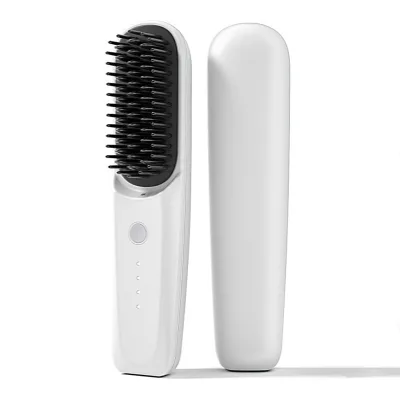
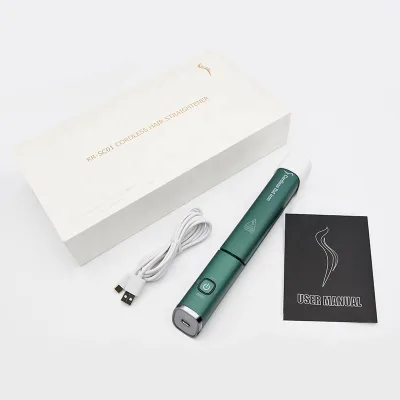
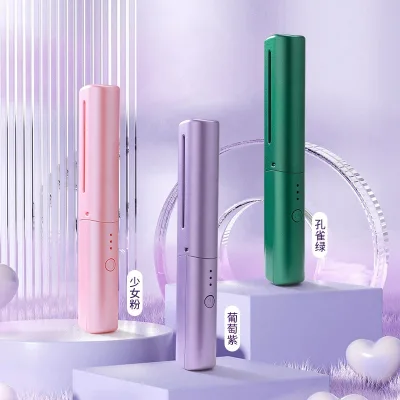
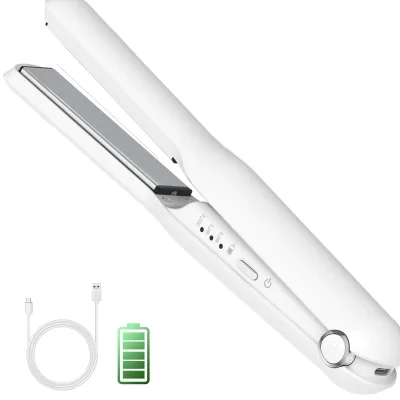
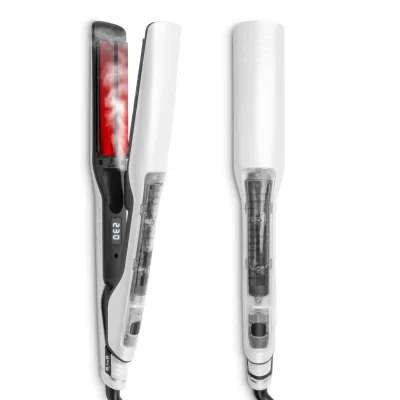
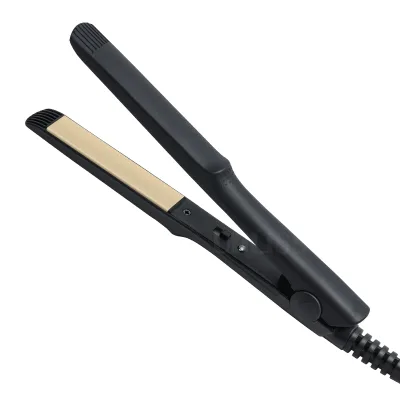
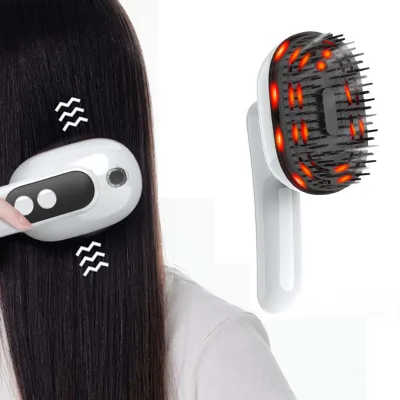
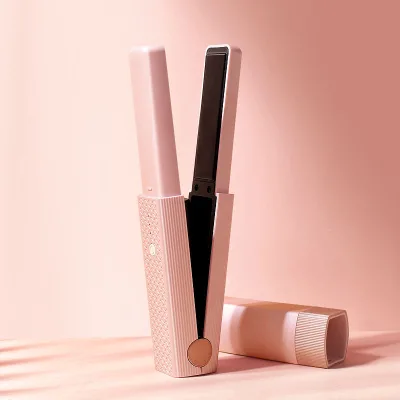
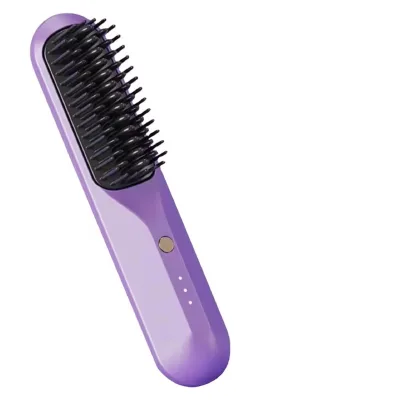
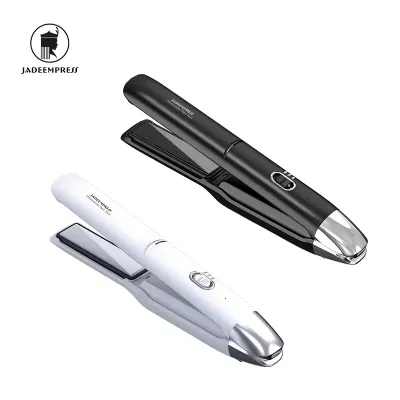
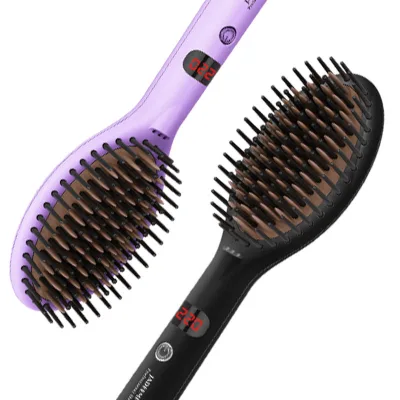
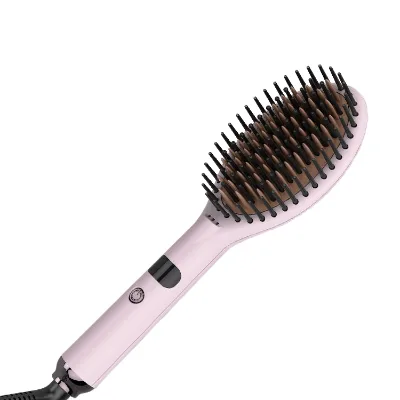
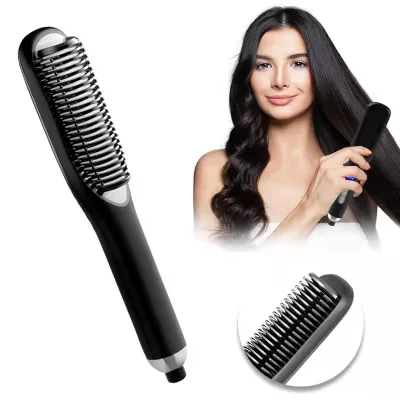
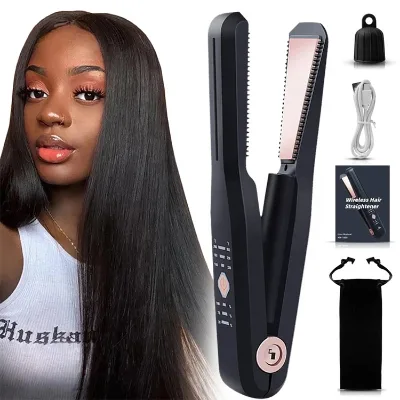
Comprehensive Sourcing Guide
Sourcing Guide for Portable Cordless Ionic Hair Straighteners
The global market for personal care appliances has witnessed a significant shift toward portable, cordless solutions that do not compromise on performance. For B2B buyers, the core keyword "Portable Cordless Ionic Hair Straightener" represents a specific intersection of mobility, advanced styling technology, and battery integration. This guide provides a structured approach to sourcing these devices, focusing on the technical realities, supply chain dynamics, and quality assurance protocols observed in the current manufacturing landscape. The analysis relies on verified product attributes and established industry practices to ensure that procurement decisions are grounded in factual data rather than marketing speculation.
Technical Architecture and Functional Specifications
Understanding the technical architecture is the first step in defining product requirements. The observed market data indicates that these devices typically utilize a PTC (Positive Temperature Coefficient) heating element or HCM fast heating technology. This choice of heater type is critical because PTC elements provide self-regulating temperature control, reducing the risk of overheating and ensuring a stable heat output without the need for complex external thermostats. The heating plates are often coated to facilitate the Negative Ion function, a feature explicitly listed in multiple product specifications. This technology works by emitting negative ions to neutralize static electricity and seal the hair cuticle, resulting in a smoother finish and reduced frizz.
Power delivery is a defining characteristic of the "cordless" segment. The supply chain data reveals a reliance on Battery power sources, with specific observations noting a voltage requirement of 5V / 2A for charging via USB cable. This suggests that many portable units are designed for lower wattage operation compared to mains-powered counterparts, often capped around 35W. Battery capacity is a variable that directly impacts performance; one observed specification lists a capacity of 3200 mAh, though buyers must verify this metric for each specific model as it varies by manufacturer. The integration of a Temperature display and Multi-temperature degree settings allows users to select from specific ranges, such as 160 - 180 - 200 degrees Celsius, or other discrete levels like 3 levels of heat settings.
The physical form factor is equally important. The term "Mini" appears frequently in product attributes, indicating a compact design intended for travel. Some models are described as Hot air hair brush hybrids, while others are strictly Hair straightener iron or Comb styles. The Plate type is generally consistent with flat iron designs, but the Single package size can vary significantly, with observed dimensions around 24x10x8 cm. Buyers must distinguish between devices that offer Dual wet and dry functionality and those restricted to dry use, as this impacts the internal safety mechanisms and waterproofing requirements.
Compliance, Certification, and Safety Standards
In the realm of electrical appliances, compliance is non-negotiable. While specific certification statuses for individual suppliers cannot be asserted without direct verification, the general market expectation for products originating from China and destined for international markets includes adherence to safety standards such as CE. Buyers should treat certification as a verification step rather than an assumption. The presence of Auto power off protection is a standard safety feature observed in the data, which is essential for cordless devices to prevent battery drain and fire hazards if the device is left on accidentally.
Voltage compatibility is a critical compliance and safety factor. The supply data shows a mix of 220–240 V for mains operation and 5V for USB charging. This distinction is vital for B2B buyers targeting different regions. A device rated for 220–240 V may not be suitable for markets with 110-120 V standards unless it includes a universal power supply or a specific transformer. Furthermore, the Plug type is listed as USB cable, which simplifies global compatibility for charging, but the internal battery management system must still comply with regional safety regulations regarding lithium-ion battery transport and usage.
Buyers must verify that the Private mold status is clearly defined. The data indicates that Yes is a common attribute, meaning many manufacturers offer custom tooling. This allows for unique safety features or design elements but requires a thorough review of the mold's safety compliance. The Warranty period, observed as 1 Year in some listings, serves as a proxy for the manufacturer's confidence in their safety and quality control processes. A lack of warranty or an ambiguous warranty period should trigger a deeper investigation into the product's safety testing records.
Cost Drivers and Pricing Dynamics
The pricing of portable cordless ionic hair straighteners is influenced by several tangible factors. The observed price range in the market spans from 1.54 USD to 50 USD, a wide variance that reflects differences in battery capacity, build quality, and brand positioning. The Material composition, specifically Ceramic plates, is a primary cost driver. Ceramic provides even heat distribution and is generally more expensive to manufacture than metal or plastic alternatives. The inclusion of Negative Ion technology adds to the cost, as it requires specific coatings or generators within the device.
Battery capacity is another significant variable. A device with a 3200 mAh battery will inherently cost more than one with a smaller capacity due to the price of the cells and the associated battery management system (BMS). The Power Source being battery-based also introduces costs related to charging circuitry and safety features like Auto power off protection. Additionally, the Single gross weight of 2.000 kg for some units suggests substantial internal components, which impacts shipping costs and, consequently, the landed cost for the buyer.
The MOQ (Minimum Order Quantity) range of 1 to 3000 offers flexibility but also affects unit economics. Lower MOQs, such as 1, are often available for small orders or samples but may come with a higher per-unit price. Conversely, larger orders can leverage economies of scale. The Customize Service options, including OEM, ODM, and LOGO customization, will add to the base cost. Buyers should note that Small Orders are accepted by many suppliers, which is beneficial for testing the market, but the cost per unit may be higher than bulk procurement.
Typical Applications and Market Segmentation
The versatility of these devices is evident in their listed applications. The data shows a broad range of use cases including Commercial, Hair salon, Hotel, Household, Professional, Travel, and Outdoor settings. This diversity suggests that the product is not limited to a single niche. For Hair salons and Professional users, the Multi-temperature degree settings and Negative ion function are critical for achieving high-quality results on various hair types. The Hot air hair brush variant, with models like KS-306, caters to users seeking a multi-functional tool for styling and straightening simultaneously.
The Travel and Outdoor applications highlight the importance of the Cordless and Rechargable features. These devices are designed to be used in environments where access to a power outlet is limited, such as in hotels, during transit, or in outdoor events. The Mini form factor supports this use case, making the device easy to pack. For Household users, the Auto power off protection and Temperature display provide convenience and safety, ensuring the device is easy to use without constant monitoring.
The Application list also includes Car usage, which implies that the device must be robust enough to handle the vibrations and temperature fluctuations associated with vehicle travel. This requires a durable build and a secure battery connection. The Dual wet and dry functionality, observed in some models, expands the application to include styling damp hair, a feature highly valued in Professional and Salon settings.
Supplier Evaluation and Operational Capabilities
When evaluating suppliers, buyers should look for evidence of Private mold capabilities and Customize Service offerings. The presence of OEM, ODM, and LOGO services indicates a supplier's ability to tailor products to specific brand requirements. The Brand Name field shows a mix of established names like Apalus and Binzim, alongside others like kames, suggesting a competitive market with various levels of brand maturity.
The After-sales service provided is a key metric for supplier reliability. The observation of Return and Replacement services indicates that suppliers are willing to stand behind their products. This is crucial for B2B buyers who need to manage inventory and customer satisfaction. The Warranty period of 1 Year is a standard benchmark; buyers should verify if this warranty covers battery degradation or only manufacturing defects.
The Place of origin is consistently listed as Guangdong, China, a major hub for electronics manufacturing. This concentration of suppliers can be advantageous for logistics and communication but requires careful vetting to ensure quality consistency. The Small Orders: Accepted attribute suggests that suppliers are flexible, which is beneficial for startups or buyers testing new product lines. However, buyers should be aware that flexibility in order size does not always correlate with flexibility in lead times or quality control standards.
Quality Control and Long-Term Procurement Strategy
Quality control for cordless ionic hair straighteners must focus on the integration of the battery, heating element, and safety features. The Technology combination of Negative Ion + PTC Heating is a standard that buyers should verify in every batch. Consistency in the Temperature Control range (e.g., 160 - 180 - 200) is essential to ensure that the device performs as advertised. Buyers should request test reports that verify the Auto power off protection functions correctly under various conditions.
The Single package size and Single gross weight are important for logistics planning. A weight of 2.000 kg per unit is relatively heavy for a portable device, which may indicate a large battery or robust casing. This impacts shipping costs and storage requirements. Buyers should ensure that the packaging is designed to protect the device during transit, especially given the sensitive nature of the battery and heating elements.
For long-term procurement, buyers should consider the Battery capacity and its longevity. A 3200 mAh battery is a strong specification, but the actual lifespan depends on the quality of the cells and the BMS. Buyers should establish a relationship with suppliers who provide clear information on battery cycle life and replacement policies. The Customize Service options allow for long-term brand building, but buyers must ensure that the Private mold is protected and that the supplier has the capacity to maintain consistent quality over time.
Conclusion
Sourcing portable cordless ionic hair straighteners requires a meticulous approach that balances technical specifications, safety compliance, and supply chain reliability. The market offers a wide range of options, from Mini travel devices to Professional salon tools, each with unique features like Negative Ion technology and PTC heating. Buyers must verify critical attributes such as Battery capacity, Voltage, and Warranty to ensure the product meets their specific needs. By focusing on verified data and avoiding unconfirmed claims, B2B buyers can build a robust supply chain that delivers high-quality, safe, and effective hair styling solutions to their customers. The diversity of applications, from Hair salons to Outdoor use, underscores the versatility of these devices, making them a valuable addition to any personal care product portfolio.
FAQs
What heating technology is used in these straighteners?
These devices typically use PTC heating elements or HCM fast heating technology. This ensures self-regulating temperature control to prevent overheating while delivering stable heat output for consistent styling results.
Can I find models with negative ion functionality?
Yes, many models explicitly feature negative ion technology to neutralize static and seal hair cuticles. This function is often combined with PTC heating to reduce frizz and improve hair smoothness during use.
What is the typical battery capacity for cordless units?
Observed specifications list battery capacities such as 3200 mAh for certain models. Buyers should verify this metric for each specific unit as capacity varies by manufacturer and impacts runtime performance.
How many temperature settings are available on these devices?
Units often provide multi-temperature degree settings with specific ranges like 160, 180, and 200 degrees Celsius. Some models offer discrete options such as three distinct heat levels for different hair types.
Are these devices suitable for travel and outdoor use?
Yes, the cordless and rechargeable design makes them ideal for travel, hotels, and outdoor applications. Their mini form factor and battery power source allow for styling without access to a wall outlet.
What is the minimum order quantity for these products?
The observed MOQ range spans from 1 to 3000 units depending on the supplier. Small orders are accepted, allowing buyers to test the market before committing to larger bulk procurement volumes.
Do suppliers offer customization services for branding?
Yes, many manufacturers provide OEM, ODM, and logo customization services. Buyers can request private mold options to tailor the product design and branding to their specific business requirements.