Source Microprocessor Controlled Medical Freezer for Labs
Find and compare 30 Microprocessor Controlled Medical Freezer options for laboratory storage, clinical sample preservation, and vaccine refrigeration. Evaluate specifications such as temperature ranges, capacity, and certifications to select the right unit for your facility.
Key considerations
Products List


-86 Degree Ultra Low Temperature Medical Lab Freezer for Hospital
$5900.00 - $7800.00
MOQ: 1 Pieces
Zhejiang Heerxin Refrigeration Appliance Technology Co., Ltd.


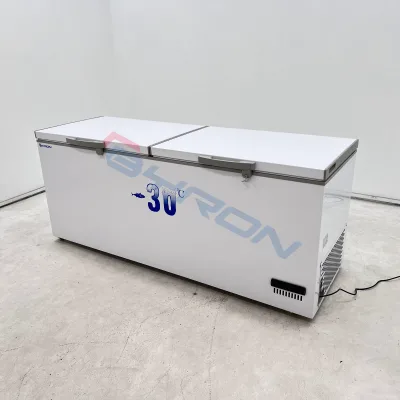
Ultra Low Temperature Freezer -86 Degree Adjustable for Ult Freezer Medical Freezer
$276.13 - $2229.46
MOQ: 1 Minimum


Medical Combined Refrigerator and Freezer, Lab Dual-Temperature Cabinet
$225.00 - $600.00
MOQ: 1 Pieces


Comprehensive Sourcing Guide
Microprocessor Controlled Medical Freezer Sourcing Guide
Procuring a microprocessor-controlled medical freezer requires a rigorous evaluation of thermal stability, regulatory compliance, and operational reliability. These units are critical for preserving temperature-sensitive biological materials, including vaccines, blood products, and tissue samples, where even minor deviations can compromise integrity. The core value proposition lies in the precision of the microprocessor, which actively monitors and adjusts cooling cycles to maintain strict temperature bands, often ranging from -86°C for ultra-low storage to +5°C for refrigerated applications. Buyers must prioritize devices that offer redundant safety features, such as over-temperature alarms and dual-compressor systems, to ensure continuous protection of high-value inventory against power failures or mechanical faults.
The market presents a diverse array of configurations, from compact benchtop models to large-capacity upright freezers, each serving distinct logistical needs. Observed listings indicate a wide spectrum of capacities, ranging from small 48-liter units suitable for laboratory benches to massive 340-liter vertical freezers designed for hospital storage rooms. This variability necessitates a clear definition of space constraints and sample volume requirements before engaging with suppliers. Furthermore, the presence of features like sliding doors, frost-free defrosting, and wide voltage bands suggests that modern units are engineered for environments with fluctuating power conditions, making electrical compatibility and physical footprint key decision factors during the initial sourcing phase.
Product Scope and Observed Listing Signals
The current market landscape for medical freezers is characterized by significant variation in scale, capacity, and intended climate zone. Listings reveal products categorized by both small and large scales, with capacities spanning from 48 liters to 340 liters, and some units noted with a generic 300-liter designation. This disparity highlights the importance of matching the unit’s internal volume to the specific storage density required by the facility. For instance, a 48-liter unit with dimensions of 452x452x575 mm is likely intended for precise, small-batch storage in confined spaces, whereas a 340-liter unit measuring 1070x880x1910 mm is built for high-volume institutional use. Buyers should carefully assess whether the external dimensions fit their designated installation area, accounting for necessary clearance for ventilation and door swing.
Temperature ranges and control mechanisms further differentiate these products, with observed models supporting everything from standard refrigeration at 2-8°C to ultra-low temperatures down to -86°C. The presence of microprocessor controls is a critical differentiator, offering digital precision compared to mechanical thermostats. Some units feature single-temperature control with computer thermostats, while others may offer more complex zoning or dual-compressor setups for redundancy. The observation of "Vertical" and "Upright" shapes indicates that floor-standing models dominate the large-capacity segment, optimizing floor space usage. Additionally, the inclusion of over-temperature alarms, whether present or absent in specific listings, serves as a vital indicator of the unit’s safety profile, with alarm-equipped models being preferable for critical care applications where immediate intervention is required.
Technical Specifications to Verify
When evaluating technical specifications, the compressor configuration and power requirements are paramount for ensuring long-term reliability and energy efficiency. Dual-compressor systems, as observed in certain large-capacity models, provide a layer of redundancy; if one compressor fails, the other can maintain the internal temperature, preventing sample loss. Buyers should verify the power rating, which varies significantly from 60W for small benchtop units to 750W for large upright freezers, to ensure the facility’s electrical infrastructure can support the load. Additionally, the voltage band is a crucial technical detail, with some units supporting a wide voltage range of 187-242V to accommodate unstable power grids, while others may require strict 220V/50Hz stability. Confirming these electrical parameters prevents operational disruptions and potential damage to the unit’s sensitive electronic components.
Thermal performance metrics, including temperature uniformity and sensor placement, must be rigorously verified to ensure sample safety. Units equipped with multiple temperature sensors, such as the four sensors noted in some 300-liter models, provide more accurate monitoring of internal conditions and help identify hot or cold spots within the chamber. The defrost type is another critical specification; frost-free models reduce manual maintenance and prevent ice buildup that can obstruct airflow, but buyers should confirm whether the defrost cycle introduces any temperature fluctuations that could affect sensitive samples. Furthermore, the external size and internal capacity must be cross-referenced to understand the storage efficiency. A unit with a 300-liter capacity and dimensions of 850x950x1950 mm offers a different storage density than a 48-liter unit with dimensions of 452x452x575 mm, impacting how samples are organized and accessed.
Compliance and Safety Documentation
Regulatory compliance is non-negotiable in the medical freezer sector, with certifications serving as the primary evidence of quality and safety. Buyers must verify that the supplier provides valid documentation for certifications such as CE, ISO, and FDA, which indicate adherence to international safety, quality management, and regulatory standards. The presence of SGS certification in some listings further suggests third-party verification of product performance and safety. It is essential to request copies of these certificates and check their validity dates, as expired certifications may indicate a lapse in quality control processes. Additionally, while ISO 13485 is a relevant standard for medical device quality management, buyers should confirm if the manufacturer holds this specific certification, as it demonstrates a commitment to quality systems tailored to medical equipment manufacturing.
Safety features and alarm systems are critical components of the documentation package, ensuring that users are alerted to any deviations from set parameters. Units with over-temperature alarms provide an immediate notification mechanism, which is vital for preventing sample loss in unattended environments. Buyers should verify the type of alarm system, including whether it includes visual and audible alerts, and if it can be integrated with remote monitoring systems for 24/7 oversight. The warning indicators, such as the "Yes" noted for alarm functions in some models, should be clearly documented in the user manual. Furthermore, the climate classification of the unit, whether designed for subtropical or normal environments, must be confirmed to ensure the freezer can operate effectively in the specific geographic location of the facility, preventing performance degradation due to ambient temperature extremes.
Cost Drivers and Commercial Terms
The cost of a microprocessor-controlled medical freezer is influenced by several key factors, including capacity, temperature range, and advanced features. Large-capacity units with dual compressors and ultra-low temperature capabilities, such as those reaching -86°C, command higher prices due to the complexity of their engineering and the robustness of their components. Conversely, smaller, single-compressor units with standard refrigeration ranges are more cost-effective but may lack the redundancy required for critical applications. Buyers should also consider the power consumption of the unit, as higher wattage models may incur greater operational costs over time. Understanding these cost drivers allows for a more accurate total cost of ownership analysis, balancing initial purchase price with long-term energy and maintenance expenses.
Commercial terms, including minimum order quantities (MOQ) and packaging standards, play a significant role in the procurement process. Observed MOQs ranging from 1 to 10 units suggest flexibility for both single-unit purchases and small bulk orders, catering to diverse buyer needs. Standard packaging is typically provided to ensure safe transit, but buyers should verify if additional protective measures are available for international shipping, especially for fragile electronic components. The net weight of the units, ranging from 14.8 kg for small models to 230 kg for large freezers, impacts shipping costs and handling requirements. Buyers must account for these logistical factors when budgeting for the procurement, as heavy units may require specialized freight services and additional labor for installation.
Supplier Qualification and Quality Control
Supplier qualification is a critical step in ensuring the reliability and longevity of the medical freezer. Buyers should assess the manufacturer’s production capabilities, including their facility size and quality control processes. The observation that products originate from China indicates a significant portion of the market is supplied by manufacturers in this region, known for their manufacturing scale and competitive pricing. However, buyers must verify the supplier’s track record in producing medical-grade equipment, requesting references or case studies from existing clients. It is also important to confirm the supplier’s ability to provide customization, as some listings indicate that customization is available, allowing for tailored solutions to specific facility requirements.
Quality control measures should be transparent and rigorous, with suppliers providing detailed inspection reports and test results. Buyers should inquire about the testing procedures used to validate temperature uniformity, alarm functionality, and compressor performance before shipment. The presence of certifications like ISO and CE suggests that the supplier adheres to established quality management systems, but buyers should verify the scope of these certifications to ensure they cover the specific products being purchased. Additionally, the supplier’s after-sales support, including warranty terms and availability of spare parts, is crucial for maintaining the freezer’s performance over time. Establishing a clear communication channel with the supplier for technical support and troubleshooting can prevent minor issues from escalating into major operational disruptions.
Long-Term Procurement Checks
Long-term procurement success depends on establishing a robust maintenance and monitoring strategy for the medical freezer. Regular calibration of temperature sensors and verification of alarm systems are essential to ensure continued accuracy and reliability. Buyers should develop a preventive maintenance schedule that includes cleaning the condenser coils, checking door seals, and inspecting electrical connections. The availability of replacement parts, such as compressors and control boards, should be confirmed with the supplier to minimize downtime in case of failure. Additionally, training staff on proper operation and emergency procedures is vital for maximizing the lifespan of the unit and protecting the stored samples.
Continuous evaluation of the supplier’s performance and product quality is necessary to adapt to changing needs and technological advancements. Buyers should periodically review the freezer’s performance data, including temperature logs and energy consumption, to identify any trends that may indicate impending issues. Engaging with the supplier for firmware updates or software enhancements can also improve the unit’s functionality and security. Furthermore, staying informed about industry standards and regulatory changes ensures that the procurement strategy remains compliant and effective. By maintaining a proactive approach to supplier management and equipment maintenance, buyers can ensure the long-term reliability and safety of their medical freezer investments.
FAQs
What certifications do these medical freezers hold?
These units typically hold ISO, FDA, CE, and SGS certifications. Such credentials ensure compliance with international medical standards for safety and quality. Buyers should verify specific documentation for their region. The presence of these marks indicates rigorous testing and adherence to regulatory requirements for medical equipment manufacturing.
What temperature ranges are available for these freezers?
Available temperature ranges vary by model, including -40 to -86 degrees Celsius for ultra-low storage and 2 to 8 degrees Celsius for refrigeration. Some units offer single-temperature control for specific cold storage needs. Selecting the correct range depends on the biological samples or pharmaceuticals being preserved for optimal stability.
Can these freezers be customized for specific laboratory needs?
Yes, customization is available for many models to suit specific laboratory requirements. Features like door types, internal configurations, and alarm functions can often be tailored. This flexibility allows institutions to integrate the equipment seamlessly into existing workflows while maintaining precise environmental controls for sensitive medical materials.
What is the typical capacity of upright medical freezers?
Capacities range from small units around 48 liters to large vertical models exceeding 300 liters. Specific models offer 340 liters or 300 liters of storage space. Choosing the right capacity ensures adequate room for samples while fitting within the designated laboratory footprint, balancing storage volume with operational efficiency.
Do these units include over-temperature alarm functions?
Some models include over-temperature alarm functions to alert users of potential failures, while others may lack this feature. It is crucial to check the specific product specifications for alarm availability. This safety mechanism helps protect valuable medical samples by providing immediate notification of temperature deviations from the set range.
What are the external dimensions of large capacity models?
Large capacity models often have external dimensions around 1070 by 880 by 1910 millimeters. Smaller units may measure approximately 452 by 452 by 575 millimeters. These dimensions help planners determine if the freezer fits through doorways and within the allocated laboratory space without obstructing workflow or safety exits.