Source Portable Diesel Concrete Mixer for Construction Sites
Find 30 Portable Diesel Concrete Mixer options with varying capacities and power sources. Compare specifications like mixing drum size, engine type, and certifications to select the right equipment for your project needs.
Key considerations
Products List
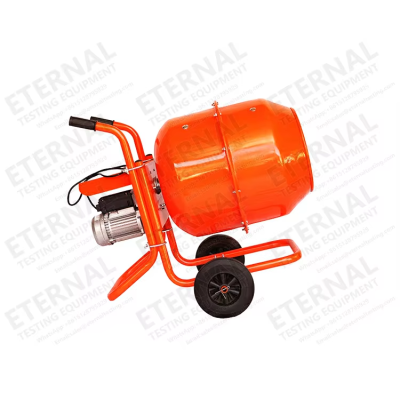


$980.00 - $1000.00
MOQ: 1 Pieces


Comprehensive Sourcing Guide
Portable Diesel Concrete Mixer Sourcing Guide
Sourcing a Portable Diesel Concrete Mixer requires a careful balance between mobility, mixing efficiency, and operational safety. These machines are designed for construction sites where access to grid power is limited or where the equipment needs to be moved frequently between locations. The core value proposition lies in the self-contained power unit, which eliminates the need for external electrical infrastructure, allowing for continuous operation in remote or rugged environments. Buyers must prioritize models that offer a robust frame and reliable engine performance to ensure consistent output under varying load conditions.
The procurement process involves evaluating multiple technical parameters, from mixing capacity to drum geometry, to match the specific demands of the project. While many suppliers offer similar-looking units, the internal construction quality, material thickness, and engine type can vary significantly. This guide provides a structured approach to verifying these critical attributes, ensuring that the selected mixer meets the required productivity standards and complies with relevant safety and environmental regulations. By focusing on evidence-based verification steps, buyers can mitigate risks associated with equipment failure and ensure long-term operational reliability.
Product Scope and Observed Listing Signals
The market for portable concrete mixers presents a wide range of options, with observed listing prices spanning from $1 to $100,000 USD. This broad range reflects differences in capacity, engine power, build quality, and brand positioning. Minimum Order Quantities (MOQ) typically range from 1 to 10 units, indicating that most suppliers cater to both individual contractors and small-scale distributors. Buyers should be aware that lower price points may correspond to smaller drum capacities or less durable materials, while higher prices often reflect larger mixing volumes and premium engine brands. Understanding this spectrum helps in setting realistic budget expectations and identifying suppliers that align with specific project scales.
Observed product attributes indicate a strong emphasis on customization and brand identity, with many listings highlighting OEM, ODM, and OBM support. The brand "ETERNAL" appears frequently, suggesting a common manufacturer or distributor in the Chinese market. Listings often specify a "New" condition and a 12-month warranty, which serves as a baseline expectation for new equipment. However, buyers should verify the specific terms of the warranty, including coverage for parts and labor, as well as the availability of spare parts. The presence of customization options allows buyers to tailor the mixer to specific site requirements, such as color schemes or minor structural modifications, but these should be confirmed in writing before placing an order.
Technical Specifications to Verify
The mixing capacity and drum dimensions are critical factors that determine the mixer's productivity and suitability for specific tasks. Observed data indicates mixing capacities ranging from 120L to 999L, with some listings specifying a drum capacity of 120L or 200L. The drum mouth diameter is often listed around 450mm, with a maximum diameter of 700mm and a height of 687mm. These dimensions directly impact the volume of concrete that can be mixed in a single batch and the ease of loading and unloading materials. Buyers should verify the actual usable capacity, as nominal capacities may differ from practical output due to material density and mixing time requirements.
The power source and engine type are equally important, with diesel engines being the most common choice for portable units. Some listings mention options for gasoline or electric engines, but diesel remains the standard for heavy-duty applications due to its torque and fuel efficiency. The motor power is often specified around 2500W for electric variants, while diesel engines vary in horsepower. The stirring type is typically forced, ensuring thorough mixing of viscous fluids and concrete aggregates. Buyers should also check the drum rotation speed, which is often listed between 20-28 RPM, as this affects the mixing quality and cycle time. Verifying these specifications against the supplier's datasheet is essential to ensure the mixer meets the project's throughput requirements.
Compliance and Safety Documentation
Compliance with international standards is a key requirement for importing and operating construction equipment in many regions. Observed listings frequently mention certifications such as ISO and CE, indicating that the manufacturer claims adherence to European safety and quality standards. ISO 9001 certification suggests a quality management system is in place, but buyers should request valid certificates from accredited bodies to verify their authenticity. The CE mark is particularly important for markets in Europe and other regions that recognize it, as it signifies that the product meets health, safety, and environmental protection standards. Buyers must ensure that the provided documentation is up-to-date and covers the specific model being purchased.
Safety features are another critical aspect of compliance, with anti-slip feet often listed as a standard feature to prevent movement during operation. The structural design, including the rotor type and horizontal layout, should be evaluated for stability and ease of maintenance. Buyers should also verify that the equipment includes necessary safety guards and emergency stop mechanisms, which are not always explicitly listed in product descriptions. Additionally, noise and emission levels should be considered, especially for urban or environmentally sensitive sites. Requesting test reports or compliance certificates for noise and emissions can help ensure that the mixer meets local regulatory requirements and avoids potential fines or operational restrictions.
Cost Drivers and Commercial Terms
The total cost of ownership for a Portable Diesel Concrete Mixer includes not only the purchase price but also shipping, insurance, and potential customs duties. Observed packing methods include wooden case packages and bubble wrap protection, which can impact shipping costs and the risk of damage during transit. The gross weight and net weight, often listed around 49kg and 44kg respectively for smaller units, are crucial for calculating freight charges. Buyers should request detailed shipping quotes from multiple logistics providers to compare costs and delivery times. Understanding the Incoterms used by the supplier, such as FOB or CIF, is essential for determining who bears the risk and cost during transportation.
Commercial terms such as payment methods, lead times, and after-sales support significantly influence the procurement decision. While specific lead times are not provided in the observed data, buyers should inquire about production schedules and availability to avoid delays. Payment terms often involve a deposit followed by balance payment before shipment, but buyers should negotiate for secure payment methods, such as letters of credit, for larger orders. After-sales support, including the availability of spare parts and technical assistance, is a key cost driver that can reduce downtime and maintenance expenses. Buyers should verify the supplier's commitment to providing timely support and the cost of replacement parts to ensure long-term operational efficiency.
Supplier Qualification and Quality Control
Supplier qualification is a vital step in mitigating procurement risks, especially when sourcing from international markets. Buyers should verify the supplier's business license, manufacturing capabilities, and export experience. The place of origin is often listed as China, with some specific locations like Jang Su mentioned. While this provides a general idea of the supply chain, buyers should conduct due diligence to confirm the supplier's legitimacy and reputation. Requesting references from previous clients or visiting the factory, if possible, can provide valuable insights into the supplier's production processes and quality control measures.
Quality control procedures should be clearly defined and agreed upon before production begins. Buyers should specify inspection criteria, such as material thickness, weld quality, and engine performance, and request third-party inspection reports if necessary. The observed specifications, such as lower drum thickness of 4mm and upper drum thickness of 3mm, should be verified during the inspection process. Buyers should also ensure that the supplier provides a comprehensive quality assurance plan, including pre-shipment inspections and testing of the final product. Establishing a clear communication channel for addressing quality issues and defining remedies for non-conforming products is essential for maintaining a successful supplier relationship.
Long-Term Procurement Checks
Long-term procurement success depends on establishing a reliable supply chain and maintaining ongoing performance monitoring. Buyers should regularly review supplier performance metrics, such as on-time delivery, product quality, and responsiveness to issues. Building a relationship with a trusted supplier can lead to better pricing, priority production, and improved support. However, buyers should also maintain a diversified supplier base to mitigate risks associated with single-source dependency. Regularly evaluating alternative suppliers and staying informed about market trends can help identify new opportunities and potential improvements in equipment technology.
Continuous improvement in procurement processes is essential for adapting to changing project requirements and market conditions. Buyers should document lessons learned from each procurement cycle and update their sourcing strategies accordingly. This includes refining technical specifications, negotiating better commercial terms, and enhancing quality control procedures. Additionally, staying updated on regulatory changes and industry standards ensures that the procured equipment remains compliant and competitive. By adopting a proactive and evidence-based approach to procurement, buyers can optimize their investment in portable diesel concrete mixers and achieve sustained operational efficiency.
FAQs
What is the warranty period for this portable concrete mixer?
The warranty period is 12 months or 1 year for this unit. This coverage applies to the ETERNAL brand portable concrete mixer manufactured in China, ensuring protection against defects during the specified timeframe.
Which certifications does the Portable Diesel Concrete Mixer hold?
The mixer holds ISO and CE certifications, including ISO9001. These standards confirm the product meets international quality and safety requirements for the forced stirring type concrete mixer with carbon steel construction.
Can the portable concrete mixer be customized for specific needs?
Yes, customization is available for OEM, ODM, and OBM support. Buyers can request specific modifications to the mixing capacity or power source, which ranges from diesel to gasoline or electric options.
What is the mixing capacity of the portable concrete mixer?
The mixing capacity ranges from 500 to 999 liters for larger models, while specific units offer 120L or 200L drums. This variation allows selection based on the required volume for viscous fluid applications.
How is the portable concrete mixer powered and what is the motor power?
The mixer operates using a diesel, gasoline, or electric power source with a motor power of 2500W. It features a forced stirring type mechanism suitable for continuous operating conditions in various environments.
What are the dimensions of the mixing drum on this unit?
The drum has a maximum diameter of 700mm, a height of 687mm, and a mouth opening of 450mm. The upper drum thickness is 3mm while the lower section is reinforced to 4mm for durability.
What is the minimum order quantity for this portable concrete mixer?
The minimum order quantity ranges from 1 to 10 units depending on the specific configuration. This flexible MOQ allows buyers to purchase single items or small batches for immediate project needs.