Source eco-friendly sleeveless low neck jumpsuit for Gym Yoga Boxing
Find 30 verified options for the eco-friendly sleeveless low neck jumpsuit suitable for gym, yoga, and martial arts. Compare specifications, prices, and customization features from multiple suppliers in one place.
Key considerations
Products List


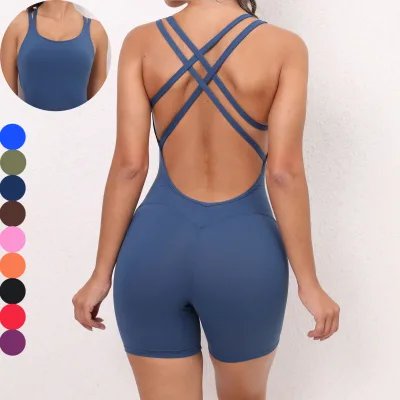


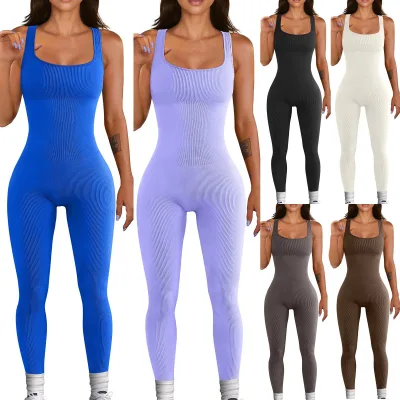
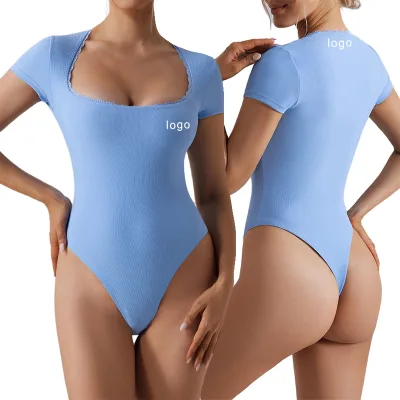


Comprehensive Sourcing Guide
Eco-Friendly Sleeveless Low Neck Jumpsuit Sourcing Guide
Sourcing eco-friendly sleeveless low neck jumpsuits requires a nuanced understanding of both material science and supply chain transparency. The term "eco-friendly" is often used loosely in global trade, so buyers must distinguish between recycled content, organic fibers, and sustainable manufacturing processes. In the context of jumpsuits, which are typically one-piece garments used for athletic or casual wear, the focus often shifts toward performance fabrics that offer durability and comfort. The observed market data indicates a strong presence of products made from synthetic blends, specifically Spandex and Nylon, which provide the necessary elasticity and "nude feeling" texture desired in modern activewear. Buyers should prioritize suppliers who can provide clear documentation on the source of these materials, whether they are post-consumer recycled (PCR) nylon or virgin fibers, as this distinction significantly impacts the environmental footprint of the final product.
The design specifications for these garments, such as the sleeveless cut and low necklines (including V-neck and round neck options), demand precise pattern making to ensure fit and modesty without compromising the aesthetic. The observed listings highlight a variety of styles, including wide-leg jumpsuits and standard fits, catering to different body types and usage scenarios. For instance, the "Wide Leg" fit type observed in some models suggests a focus on comfort and breathability, which aligns well with the "Breathable" feature noted in several product attributes. Buyers need to verify that the low neck design does not compromise the structural integrity of the garment during movement, especially given the high-stretch nature of the materials. This balance between aesthetic appeal and functional performance is critical for maintaining customer satisfaction and reducing return rates.
Product Scope and Observed Listing Signals
The current market landscape for jumpsuits shows a diverse range of models, with specific identifiers such as SK0717, SK0716, and various 2025YJ series codes indicating a high volume of active listings. These models often feature specific attributes like "Sleeveless" and "V-neck" or "Round Neck," which are key differentiators for buyers looking for summer or activewear collections. The observed price range of $3.34 to $16.90 USD suggests a competitive market with options for both budget-conscious and premium buyers. However, price alone is not an indicator of quality or sustainability; buyers must correlate price points with material composition and production methods. The presence of "In-Stock Items" and "Customization Available" attributes indicates that suppliers are flexible, offering both immediate fulfillment and tailored solutions for brands seeking unique designs.
Packaging and logistics details provide further insight into the operational capabilities of suppliers. Observed packing methods vary from single-piece boxes to bulk carton packing, with dimensions such as 30x20x5 cm and 50x40x5 cm reflecting the volume of the product. The single package size of 25x10x2 cm for certain models suggests a compact design, which can reduce shipping costs and carbon emissions associated with transportation. Additionally, the availability of "Small Order Logo Print" and "Heat-Transfer Printing" methods allows for branding flexibility, enabling buyers to create custom products without large minimum order quantities. These logistical signals help buyers assess the scalability and adaptability of potential suppliers, ensuring that the chosen partner can meet both immediate and long-term procurement needs.
Technical Specifications to Verify
When evaluating jumpsuits, verifying the material composition is paramount, especially for eco-friendly claims. The observed material "Spandex / Nylon" is common in activewear due to its durability and stretch properties, but buyers should confirm the percentage of recycled content if sustainability is a core requirement. The "Nude Feeling" technology mentioned in some listings refers to a specific fabric finish that enhances comfort and skin contact, which is a valuable feature for jumpsuits worn close to the body. Buyers should request fabric swatches to assess the hand feel, opacity, and stretch recovery of the material. Additionally, the "FOUR-WAY STRETCH" feature is critical for ensuring that the garment moves with the body, particularly in sleeveless and low-neck designs where freedom of movement is essential.
Fit and sizing specifications must be rigorously checked to avoid discrepancies in production. The observed size range of S, M, and L indicates a standard sizing approach, but buyers should verify if the supplier offers extended sizing or custom sizing options. The "Wide Leg" fit type observed in some models requires specific pattern adjustments to ensure the garment hangs correctly and does not restrict movement. Neckline variations, such as V-neck and round neck, also impact the fit and should be evaluated for consistency across different sizes. Buyers should request detailed size charts and fit samples to ensure that the final product meets their brand's standards. Furthermore, the "Short Sleeve" and "Long Sleeve" options observed in other models highlight the importance of clearly defining sleeve length requirements to avoid confusion during the ordering process.
Compliance and Safety Documentation
Compliance with international safety and environmental standards is non-negotiable for eco-friendly apparel. While the observed data mentions "GOTS" (Global Organic Textile Standard) as a low-confidence background fact, buyers must verify the actual certification status of their suppliers. GOTS certification ensures that the textile is made from at least 70% organic natural fibers and that the entire supply chain meets strict environmental and social criteria. For synthetic blends like Spandex and Nylon, buyers should look for certifications such as OEKO-TEX Standard 100, which tests for harmful substances, or recycled content certifications like Global Recycled Standard (GRS). These certifications provide tangible proof of the product's eco-friendly claims and help mitigate the risk of greenwashing.
Labor compliance is equally important, as sustainable sourcing extends beyond materials to include fair labor practices. Buyers should require suppliers to provide evidence of compliance with local labor laws and international standards such as those set by the Fair Labor Association (FLA) or Sedex. This includes verifying working hours, wages, and safety conditions in the manufacturing facilities. The observed origin of products in Hangzhou, Zhejiang, China, indicates a specific manufacturing hub, and buyers should be aware of the local regulatory environment. Requesting audit reports or third-party verification of labor practices ensures that the jumpsuits are produced ethically, aligning with the broader goals of sustainable procurement.
Cost Drivers and Commercial Terms
The cost of eco-friendly jumpsuits is influenced by several factors, including material sourcing, production complexity, and order volume. The observed MOQ range of 1 to 1000 pieces indicates flexibility, allowing buyers to start with small orders for testing or market validation. However, lower MOQs often come with higher unit prices, as seen in the price range of $3.34 to $16.90 USD. Buyers should negotiate based on volume commitments, seeking discounts for larger orders while maintaining the quality and sustainability standards required. The availability of "7 days sample order lead time" is a significant advantage, enabling rapid prototyping and faster time-to-market.
Payment terms and shipping costs also play a crucial role in the overall cost structure. Buyers should clarify whether prices are FOB (Free on Board) or EXW (Ex Works) to understand who bears the responsibility for shipping and insurance. The observed packing dimensions and weights, such as a single gross weight of 0.370 kg, help in calculating freight costs accurately. Additionally, the "Customization Available" attribute suggests that design changes may incur additional costs, so buyers should budget for these potential expenses. Clear communication regarding commercial terms, including payment methods and delivery schedules, helps prevent misunderstandings and ensures a smooth procurement process.
Supplier Qualification and Quality Control
Selecting the right supplier involves assessing their production capabilities, quality control processes, and responsiveness. Buyers should verify the supplier's experience in manufacturing jumpsuits, particularly those with specific features like "Wide Leg" fits or "Four-Way Stretch" fabrics. Requesting references or case studies from previous clients can provide insight into the supplier's reliability and consistency. The observed "Available Quantity: 999" for some models suggests that suppliers may have limited stock for certain items, so buyers should confirm inventory levels and production capacity to avoid delays.
Quality control measures should be established before production begins. Buyers should define clear quality standards, including stitching, fabric integrity, and color fastness, and request pre-production samples for approval. The "Heat-Transfer Printing" method observed in some listings requires careful quality checks to ensure that the print adheres properly and does not crack or fade after washing. Implementing a third-party inspection service during production or before shipment can help identify and rectify any defects early. Regular communication with the supplier regarding quality issues and feedback helps build a strong partnership and ensures that the final product meets the buyer's expectations.
Long-Term Procurement Checks
Sustainable sourcing is an ongoing process that requires regular review and improvement. Buyers should periodically audit their suppliers to ensure continued compliance with environmental and labor standards. This includes verifying that the suppliers are maintaining their certifications and implementing new sustainability initiatives as they become available. The dynamic nature of the apparel industry means that materials and technologies evolve, so buyers should stay informed about new eco-friendly fabrics and production methods. Engaging in long-term partnerships with suppliers who share the same sustainability goals can lead to continuous improvement and innovation.
Feedback from end-users is a valuable tool for assessing the performance and durability of the jumpsuits. Buyers should monitor customer reviews and return rates to identify any recurring issues with fit, comfort, or quality. This feedback can be used to refine product designs and specifications for future orders. Additionally, tracking the environmental impact of the supply chain, such as carbon emissions from transportation, can help buyers make more informed decisions. By continuously evaluating and optimizing their procurement strategies, buyers can ensure that their eco-friendly jumpsuits meet both market demands and sustainability objectives.
FAQs
What sleeve lengths are available for these jumpsuits?
The product line includes sleeveless, short sleeve, and long sleeve options to suit various preferences. Specific models like 2025YJ0419 feature short sleeves while 2025YJ0421 offers long sleeves. Buyers can select the style that best fits their intended use for gym or yoga activities.
Can I customize the fabric and logo for small orders?
Yes, customization is available for both fabric and logo printing on small orders. The fabric can be customized, and small order logo printing is supported with a minimum order quantity of just one piece. This allows buyers to create unique designs without high volume commitments.
What is the minimum order quantity for these items?
The minimum order quantity is one piece per item, allowing for very small trial orders. Some packaging configurations list twenty pieces per carton, but individual units can be ordered. This flexible MOQ supports buyers testing new designs or fulfilling small batch needs.
Which materials are used to make these jumpsuits?
The jumpsuits are constructed from a blend of Spandex and Nylon for durability and stretch. This material composition provides a nude feeling and four-way stretch, making them suitable for active uses like martial arts and dancing. The fabric ensures breathability during intense physical activities.
How long does it take to receive a sample order?
A sample order can be processed with a lead time of seven days. This quick turnaround supports buyers who need to verify quality or design before placing larger orders. The system supports sample orders to facilitate faster decision-making for potential bulk purchases.
What packaging dimensions are used for shipping these products?
Packaging dimensions vary by model, with some items packed at 30x20x5 cm and others at 50x40x5 cm. Individual packages may measure 25x10x2 cm with a gross weight of 0.370 kg. Bulk cartons can contain twenty pieces, optimizing logistics for different order sizes.
Are these jumpsuits suitable for adult women?
Yes, the products are explicitly designed for adult women and feature a wide leg fit. They are available in various colors including black, pink, and blue to match different style preferences. The age group is confirmed as adults, ensuring the sizing and cut meet the target demographic needs.