Source Portable Disposable Throw Blanket for Travel Military Home
Compare 30 Portable Disposable Throw Blanket options from verified suppliers. These items feature various materials and sizes suitable for travel, military, and home applications, with customization available for specific needs.
Key considerations
Products List


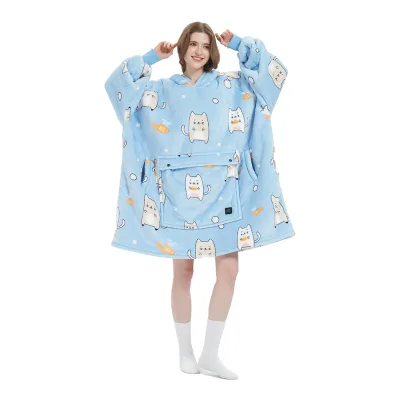


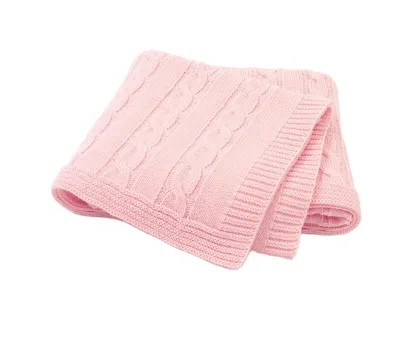


Quilted Blanket Waterproof Wearable Outdoor Travel Camping Puffy Blanket Throw
$10.29 - $10.69
MOQ: 100 Pieces
Comprehensive Sourcing Guide
Strategic Sourcing Guide for Portable Disposable Throw Blankets
The global demand for portable disposable throw blankets has surged, driven by the need for lightweight, hygienic, and versatile thermal solutions across travel, emergency, and medical sectors. For procurement professionals, navigating this category requires a disciplined approach that distinguishes between reusable textile products and single-use emergency or medical-grade disposables. The market offers a wide spectrum of options, from machine-woven acrylic throws designed for home use to specialized chemical fiber blankets engineered for outdoor rescue scenarios. This guide provides a comprehensive framework for evaluating suppliers, verifying technical specifications, and ensuring compliance without relying on unverified claims.
Technical Specifications and Material Composition
The first step in sourcing portable disposable throw blankets is a rigorous analysis of material composition and physical dimensions. The market is segmented into distinct product categories based on their intended lifecycle and material properties. One prevalent category involves blankets constructed from 100% acrylic fibers, often utilizing a machine-weaving method to create durable, reusable textiles. These products frequently feature design elements such as stripes, twill, plain weaves, or check patterns, with color options ranging from jacquard weaves capable of eight colors to printing techniques supporting up to twelve colors. Specifications for these reusable units often include dimensions around 130x170cm with fringe details and a grammage of approximately 220gsm.
In contrast, the true "disposable" segment of the market focuses on emergency and medical applications. These products are typically classified as chemical fiber blankets or nonwoven surgical supplies. A critical distinction lies in the construction: some disposable units are designed for single use with a grammage as low as 30gsm, often appearing in white or blue variants suitable for patient care. Others are engineered for outdoor survival, featuring reflective surfaces in silver, gold, or orange to retain body heat. These emergency blankets may adhere to specific thickness standards, such as 12μm, and come in various sizes including 160x210cm, 140x210cm, or 130x210cm.
When evaluating technical data, buyers must verify the specific product model and standard. For instance, certain models are defined by precise dimensions like 90x150cm or 150cm in length with a 90cm width. It is essential to cross-reference the listed standard against the actual product description, as some listings may conflate reusable winter blankets with disposable emergency gear. The "Type" attribute is a primary filter; while some products are labeled as "Chemical Fibre Blanket" for general use, others are explicitly categorized as "Surgical Supplies Materials" or "Disposable Outdoor Emergency Rescue Blanket." Understanding these technical divergences prevents the procurement of the wrong product class for a specific operational need.
Compliance, Certification, and Safety Standards
Compliance is a non-negotiable aspect of sourcing, particularly when the blankets are intended for medical use or emergency rescue. Buyers must scrutinize the certification status of potential suppliers. In the current market landscape, certain products have been observed to carry CE and ISO certifications, which indicate adherence to specific European and international quality management standards. However, the presence of these certifications must be verified on a per-supplier basis, as they are not universal across all blanket types.
Safety and sterilization are paramount for medical-grade disposables. Procurement teams should explicitly confirm the sterilization method used. Some products are manufactured without Ethylene Oxide Sterilization, which is a critical detail for facilities that require specific sterilization protocols or wish to avoid chemical residues. For outdoor emergency blankets, the focus shifts to material safety and environmental resistance. Features such as waterproof and windproof capabilities are often highlighted, but these must be validated through test data rather than assumed from marketing descriptions.
While background knowledge suggests standards like OEKO-TEX or GOTS are relevant to textile safety, these specific certifications should not be assumed to apply to every product listed. Buyers must request current, valid certification documents for each specific batch or model. The "Quality Guarantee Period" is another metric to consider; some suppliers offer a two-year guarantee, which implies a higher confidence in product durability, though this is more relevant for reusable items than single-use disposables. Always verify that the supplier can provide proof of compliance with the specific standards required by the destination market, rather than relying on general assertions.
Cost Drivers and Pricing Dynamics
Understanding the cost structure of portable disposable throw blankets is essential for budgeting and negotiation. The observed price range in the market spans from $0.20 to $20.00 USD, a variance that reflects the significant differences in material quality, production complexity, and intended application. The lower end of the spectrum typically corresponds to lightweight, single-use emergency blankets or basic nonwoven surgical supplies with minimal packaging. These products often utilize cost-effective chemical fibers and simple printing or weaving techniques.
Conversely, the higher price points are associated with reusable, machine-woven acrylic blankets that offer enhanced features such as custom patterns, jacquard coloring, and higher grammage. The cost drivers for these premium items include the complexity of the knitting method, the number of colors used in the design, and the inclusion of additional features like fringe detailing. Packaging also plays a role in the final cost; products packed individually in zipper bags or PP bags with specific carton configurations (e.g., 200 pieces per carton versus 6 pieces per carton) will have different logistics and handling costs.
Minimum Order Quantity (MOQ) is another critical factor influencing the unit price. The market exhibits an MOQ range from 20 to 5,000 units. Suppliers with lower MOQs may charge a premium per unit due to the setup costs associated with smaller production runs. For buyers seeking to minimize upfront capital expenditure, targeting suppliers with lower MOQs might be necessary, even if the per-unit cost is slightly higher. Conversely, large-volume buyers can leverage the lower end of the price range by committing to higher order volumes. It is vital to note that specific prices and MOQs are subject to change based on raw material costs and production capacity, so real-time quotes are essential.
Typical Applications and Use Cases
The versatility of portable throw blankets allows them to serve a wide array of applications, ranging from personal travel to critical medical and military operations. Identifying the correct use case is the first step in selecting the appropriate product specification.
| Application Sector | Recommended Product Attributes | Key Features to Verify |
|---|---|---|
| Travel & Leisure | 100% Acrylic, Machine Weaved, Reusable | Pattern (Check/Stripe), Color options, Size (130x170cm) |
| Emergency Rescue | Chemical Fibre, Disposable, Waterproof/Windproof | Reflective Color (Silver/Gold/Orange), Thickness (12μm) |
| Medical Facilities | Nonwoven, Surgical Supplies, Single Use | Sterilization status, Grammage (30GSM), Color (White/Blue) |
| Military & Outdoor | Heavy Duty, Windproof, Portable | Usage Field (Land), Customization options, Durability |
| Hospitality | Reusable, Customizable, High Grammage | Logo Printing (OEM), Packing style, Quality Guarantee |
For the travel and hospitality sectors, reusable blankets made from 100% acrylic are ideal. These products are designed for repeated use in airplanes, hotels, and picnics, offering comfort and style through various patterns and colors. In the medical field, the focus is on hygiene and disposability. Surgical supplies materials, often white or blue, are used for patient comfort and must meet strict sanitary standards. Emergency rescue blankets are specialized tools for outdoor use, designed to be lightweight and highly visible. These are often used in military operations or disaster relief, where windproof and waterproof properties are critical. The "Using Field" attribute should be verified to ensure the product is suitable for the intended environment, whether it be land-based operations or general outdoor use.
Supplier Evaluation and Sourcing Channels
Evaluating suppliers requires a multi-faceted approach that goes beyond price comparison. Buyers should prioritize suppliers who demonstrate transparency in their product attributes and manufacturing processes. The origin of the product is a significant indicator of supply chain stability. Many suppliers in this category are located in regions such as Weihai, China, or Jiangsu, China. While these locations are known for textile manufacturing, buyers should verify the specific factory capabilities and capacity to ensure they can meet demand fluctuations.
Customization is a key differentiator in the market. Many suppliers offer OEM services, allowing buyers to request specific logo printing, custom packaging, or tailored dimensions. However, the availability of logo printing varies; some products are listed as "Without Logo Printing," while others explicitly state "OEM: Yes." Buyers must confirm the customization capabilities early in the negotiation process to avoid delays. Additionally, the "Style" of the yarn, such as "Fancy Yarn," can be a unique selling point for premium reusable blankets, adding value to the final product.
When assessing supplier reliability, look for evidence of consistent quality control and adherence to the stated standards. Suppliers who provide detailed specifications, including exact dimensions, grammage, and packing details, are generally more reliable. The presence of certifications like CE and ISO is a positive signal, but it must be backed by valid documentation. Buyers should also consider the supplier's experience in the specific niche, whether it is medical disposables or outdoor emergency gear, as expertise in one area does not always translate to the other.
Quality Control and Long-Term Procurement Considerations
Implementing a robust quality control (QC) protocol is essential for mitigating risks associated with sourcing portable disposable throw blankets. QC should begin at the design stage, where specifications such as dimensions (e.g., 130x170cm + 10cm fringe) and grammage (e.g., 220gsm or 350gsm) are clearly defined and agreed upon. During production, random sampling should be conducted to verify the material composition, ensuring that acrylic blankets are indeed 100% acrylic and that disposable units meet the required thickness and strength standards.
For medical and emergency products, testing for specific features like waterproofing and windproofing is crucial. Buyers should request test reports or data sheets that validate these claims. In the case of reusable blankets, checking the durability of the machine weaving and the colorfastness of the jacquard or printing is necessary to ensure the product maintains its quality over multiple uses. The packing method, whether it is individual bags, zipper bags, or bulk cartons, should also be inspected to ensure it protects the product during transit and storage.
Long-term procurement considerations involve building a sustainable supply chain. Buyers should evaluate the supplier's ability to scale production and maintain consistent quality over time. The "Quality Guarantee Period" of two years for some products suggests a commitment to longevity, which is beneficial for long-term contracts. Additionally, buyers should monitor the market for changes in raw material costs, as fluctuations in acrylic or chemical fiber prices can impact the final cost. Establishing a clear communication channel with the supplier regarding lead times and production schedules will help in managing inventory levels and avoiding stockouts. By focusing on these strategic elements, buyers can secure a reliable supply of high-quality portable disposable throw blankets that meet their specific operational needs.
FAQs
What materials are used for portable disposable throw blankets?
Materials include 100% acrylic for reusable units and chemical fibers for disposables. Acrylic blankets feature machine weaving, while surgical supplies use nonwoven materials with 30gsm grammage.
Which certifications do Portable Disposable Throw Blanket suppliers offer?
Some suppliers provide CE and ISO certifications for their products. Buyers must verify these documents per batch, as not all items carry these specific marks.
How are portable disposable throw blankets packed for shipment?
Packing varies by product type, ranging from 1 PP bag per piece to 200 pieces per carton. Emergency blankets often use zipper bags, while acrylic throws use standard cartons.
Can I customize the design of portable disposable throw blankets?
Customization is available for many products, including logo printing and specific color options. However, some items are listed without logo printing, so verify OEM capabilities.
What are the standard dimensions for portable disposable throw blankets?
Standard sizes include 130x170cm with fringe, 90x150cm, and 160x210cm for emergency gear. Specific models define exact lengths and widths, such as 150cm by 90cm.
Are portable disposable throw blankets suitable for outdoor emergency use?
Yes, specific models are designed as outdoor emergency rescue blankets with waterproof and windproof features. These items often come in reflective colors like silver or gold.
What is the minimum order quantity for portable disposable throw blankets?
The minimum order quantity ranges from 20 to 5000 units depending on the supplier. Lower MOQs may result in higher per-unit costs compared to bulk orders.