Source Portable Durable Mini Shin Pads with Carry Bag for soccer, cycling, and daily training
Find 30 listings for Portable Durable Mini Shin Pads with Carry Bag from verified suppliers. Compare specifications including material, size, and protection class to select the right gear for soccer, cycling, and daily activities.
Key considerations
Products List
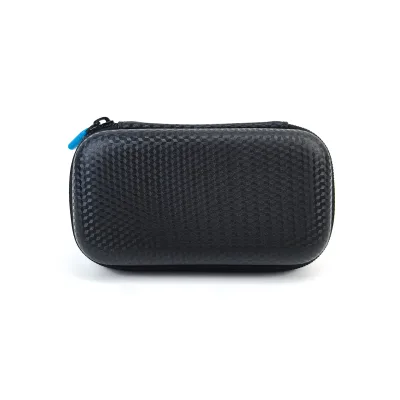
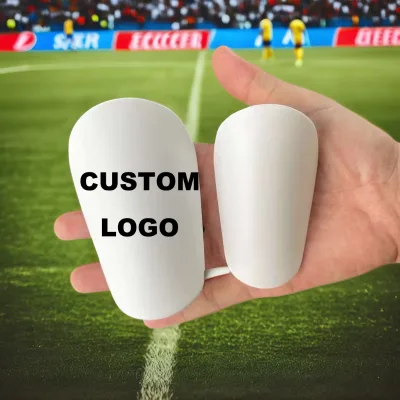
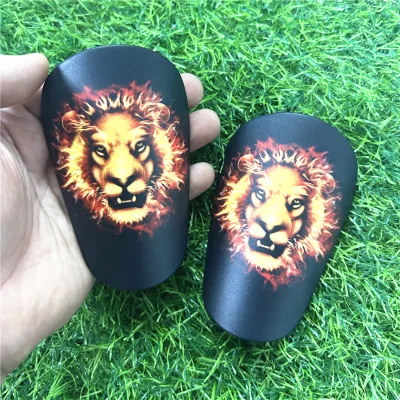


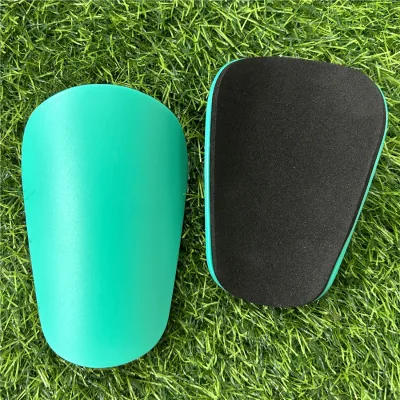
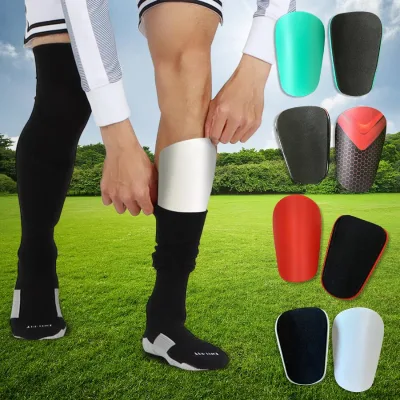
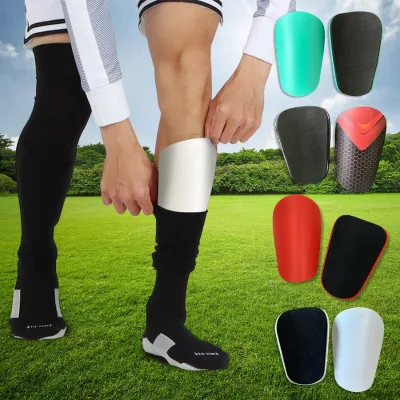

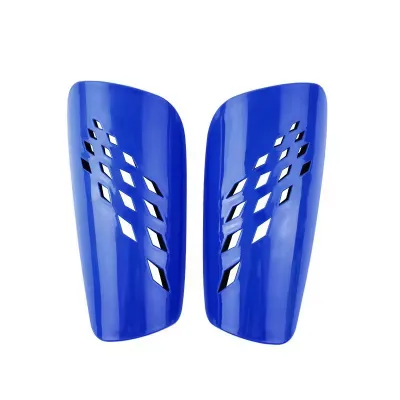
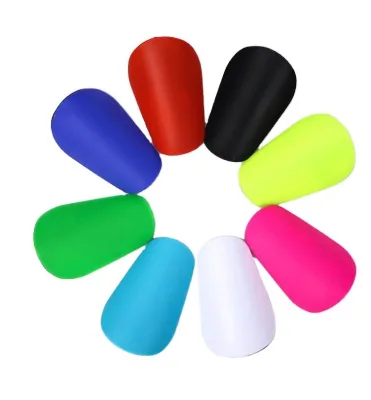
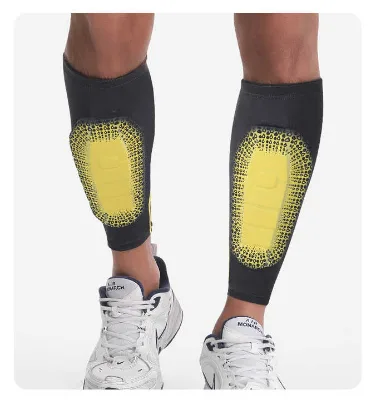
Factory Price Shin Guards Custom Logo Standard Style Soccer Leg Protective Pads
$0.90 - $1.10
MOQ: 1000 pairs

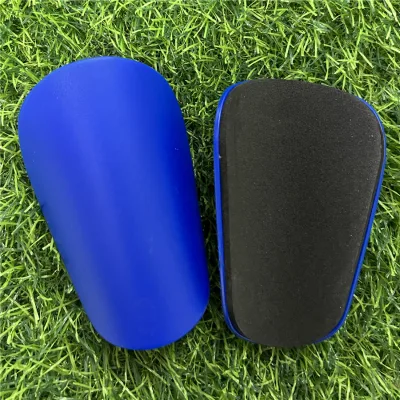

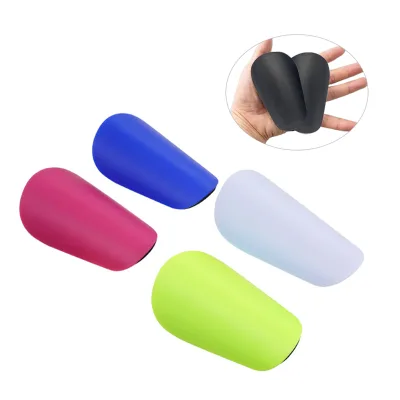


$4.10 - $5.10
MOQ: 1000 Pairs

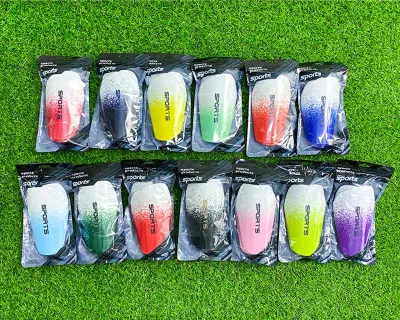

Comprehensive Sourcing Guide
Strategic Sourcing Guide for Portable Durable Mini Shin Pads with Carry Bag
Understanding Product Specifications and Material Composition
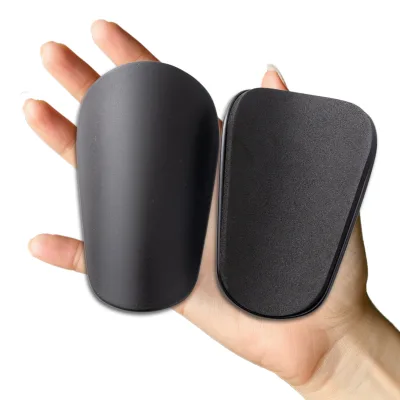
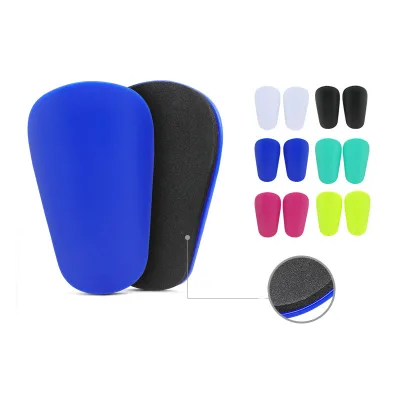
When sourcing portable durable mini shin pads with a carry bag, the primary objective is to identify products that balance protective integrity with logistical convenience. The core of this product category lies in the material composition, which directly dictates durability and weight. Based on available market data, high-performance shin pads frequently utilize a composite of PBT (Polybutylene Terephthalate) and EVA (Ethylene Vinyl Acetate). This combination is critical because PBT offers a rigid structural shell that absorbs and disperses impact energy, while EVA provides a flexible, shock-absorbing foam layer that ensures comfort during movement.
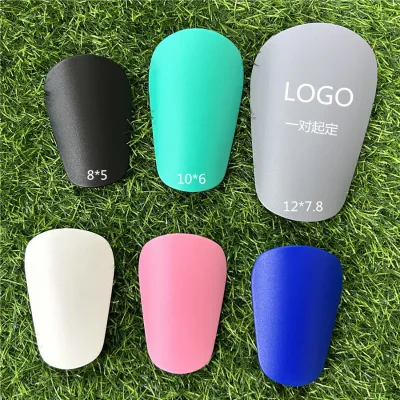
The physical dimensions of these units are a defining characteristic for the "mini" classification. Standard specifications for portable variants often include compact sizes such as 8x5 cm, 10x6 cm, or 12x8 cm. These dimensions are designed to fit securely within a carry bag or pouch, ensuring the product remains organized and protected when not in use. The weight of individual units is typically minimal, with single gross weights observed around 0.5 kg for larger sets or significantly lower for individual pairs, facilitating easy transport for athletes or medical personnel.
The closure mechanism is another vital specification. While some protective gear utilizes straps or Velcro, the "pull-on" style is a common configuration for mini shin pads, allowing for rapid application and removal. This design feature is particularly relevant for sports requiring quick transitions. Furthermore, the aesthetic and functional design often includes a carry bag, which may be integrated into the packaging or sold as a separate accessory. The presence of a carry bag enhances the "portable" attribute, making the product suitable for travel, outdoor activities, and daily storage where organization is paramount.
Compliance, Certification, and Safety Standards
In the B2B procurement of protective sports equipment, verifying compliance with international standards is non-negotiable. Buyers must ensure that suppliers adhere to rigorous quality management and environmental regulations. The supply chain for durable shin pads often references a suite of certifications that validate the manufacturer's commitment to safety and sustainability. Key certifications to verify include ISO9001 for quality management systems, BSCI for social compliance, and ROHS for restricting hazardous substances.
Additionally, environmental regulations such as EPR (Extended Producer Responsibility) and REACH (Registration, Evaluation, Authorization, and Restriction of Chemicals) are increasingly critical for products destined for European and North American markets. These standards ensure that the materials used, such as the PBT and EVA composites, do not contain prohibited levels of heavy metals or toxic chemicals. The presence of these certifications on a supplier's documentation serves as a proxy for their ability to maintain consistent quality and adhere to legal requirements.
Buyers should also investigate the specific "Protection class" of the product. While some products offer "Basic Protection," which is suitable for recreational use, others may be engineered for higher-impact scenarios. The distinction between basic and advanced protection classes often correlates with the density of the EVA foam and the tensile strength of the PBT shell. It is essential to request test reports or certification documents that explicitly state the protection class and the specific standards against which the product was tested. Without this documentation, the claim of "durable" protection remains an unverified observation rather than a guaranteed specification.
Cost Drivers and Pricing Dynamics
The pricing structure for portable mini shin pads is influenced by several variable factors, including material costs, customization levels, and order volume. The observed market price range for such items can vary significantly, typically spanning from $0.44 to $10.90 per unit depending on the configuration. This wide range reflects the diversity in product quality, from basic models to those featuring luxury finishes, custom branding, and advanced shockproof technologies.
Material costs constitute a significant portion of the final price. The use of high-grade EVA and PBT, which offer superior shock absorption and durability, generally commands a higher price point compared to lower-density alternatives. Additionally, the inclusion of a carry bag or specialized packaging adds to the unit cost. Customization is another major cost driver. Suppliers that offer OEM (Original Equipment Manufacturer) and ODM (Original Design Manufacturer) services, including custom logos, colors, and designs, will typically charge a premium. The ability to accept customized colors, such as specific brand palettes or thematic designs like "Dragon and tiger" or "Hello Kitty," requires additional setup and production runs, impacting the overall cost structure.
Order volume plays a pivotal role in pricing. The Minimum Order Quantity (MOQ) is a critical factor in procurement planning. While some suppliers may offer low MOQs starting at 12 pairs for trial orders, larger commercial orders often require a commitment of 500 pieces or more to achieve optimal pricing. Buyers must balance the need for inventory flexibility with the cost benefits of bulk purchasing. Furthermore, the complexity of the design and the specific application—whether for soccer, cycling, or medical use—can influence the final quote. A product designed for "heavy duty" or "medical products" application may incur higher costs due to stricter quality control requirements.
Typical Applications and Usage Scenarios
The versatility of portable mini shin pads with carry bags makes them suitable for a wide array of applications beyond traditional sports. The primary application is in sports such as soccer and football, where the product serves to avoid injuries during high-impact games. The "universal" season designation indicates that these products are designed for year-round use, regardless of weather conditions, provided they are stored correctly.
Beyond competitive sports, these pads are increasingly utilized in outdoor activities and cycling. The "portable tool storage" and "carry storage case" attributes suggest that the design philosophy extends to general utility, where protection and organization are key. The "multi-functional" nature of the product allows it to be used for storing medical products, tools, or other small items, making it a valuable asset for field workers, emergency responders, and outdoor enthusiasts.
The "daily life" application is also significant. The lightweight and durable nature of the product makes it suitable for everyday carry, providing protection during commutes or recreational activities. The "waterproof" and "shockproof" attributes ensure that the contents remain safe in various environmental conditions, from rain to rough handling. This adaptability is a key selling point for buyers looking for products that offer value across multiple use cases. The inclusion of a carry bag further enhances this utility, allowing users to transport the pads securely without the risk of damage or loss.
Supplier Evaluation and Operational Capabilities
Selecting the right supplier requires a thorough evaluation of their operational capabilities, including production capacity, lead times, and service levels. A reliable supplier should demonstrate a clear understanding of the product specifications and the ability to meet specific buyer requirements. Key indicators of supplier reliability include the availability of OEM/ODM services, the flexibility of design options, and the responsiveness of their customer service.
Lead time is a critical operational metric. Standard delivery times for these products typically range from 30 to 45 days, with sample times of 7 to 10 working days. Buyers must factor these timelines into their inventory planning to avoid stockouts. The "place of origin" is also a relevant factor, with many suppliers located in Guangdong, China, a region known for its manufacturing expertise in sports equipment and protective gear.
Service quality is another essential consideration. Suppliers offering "24 Hours Online" support demonstrate a commitment to customer satisfaction and rapid issue resolution. The ability to accept customized logos and designs indicates a supplier's flexibility and willingness to collaborate with buyers on branding. Additionally, the "packing" options, such as OPP bags or customized packaging, should be evaluated to ensure they meet the buyer's logistical and aesthetic requirements.
Quality Control and Long-Term Procurement Considerations
Maintaining product quality over time is essential for long-term procurement success. Buyers should implement a robust quality control (QC) process that includes pre-production sampling, in-process inspections, and final random inspections. The "Quality: 100% High" claim found in some product listings should be verified through third-party testing or on-site audits.
Long-term procurement considerations also involve the stability of the supply chain. Buyers should assess the supplier's ability to maintain consistent material quality and production capacity over time. The "Eco-Friendly" and "Recyclable" attributes of the product suggest a growing trend towards sustainability, which should be a key factor in supplier selection. Ensuring that the supplier adheres to environmental standards like EPR and REACH is crucial for maintaining brand reputation and compliance.
Finally, the "Design: Customerized Designs" and "Logo: Accept Customized Logo" features highlight the importance of branding in the procurement process. Buyers should work closely with suppliers to ensure that the final product aligns with their brand identity and meets the specific needs of their target market. By focusing on these long-term considerations, buyers can build a sustainable and reliable supply chain for portable durable mini shin pads with carry bags.
Comparative Analysis of Product Attributes
To facilitate informed decision-making, the following table compares key attributes observed in the market for portable mini shin pads with carry bags. This comparison highlights the variability in specifications and helps buyers identify products that best match their requirements.
| Attribute | Observation A | Observation B | Observation C |
|---|---|---|---|
| Material | EVA | PBT + EVA | EVA |
| Size | 15 * 8 * 5 CM | S, M, XS | 85cm, 106cm, 12*8cm |
| Closure Type | Zipper | Pull On | Pull On |
| Protection Class | Waterproof Shockproof | Basic Protection | Basic Protection |
| MOQ | 500 pcs | 12 Pairs | 500 pcs |
| Certifications | ISO9001, BSCI, ROHS | Not Specified | ISO9001, BSCI, ROHS |
| Application | Travel, Outdoor, Tool Storage | Sports, Soccer, Daily Life | Sports, Daily Life, Medical |
| Color Options | Black | White, Black rose, Blue, Violet | Customized Color |
| Brand Name | BRN / Custom | Xinjianli | Custom |
| Weight | 0.5 kg | 0.500 kg | 0.0 kg (Note: Likely error) |
This table illustrates the diversity in product offerings. Buyers must carefully review the specific attributes of each potential supplier to ensure alignment with their procurement goals. The variation in MOQ, material composition, and certification status underscores the importance of due diligence in the sourcing process. By leveraging these insights, buyers can navigate the complex market landscape and secure high-quality products that meet their specific needs.
FAQs
What materials are used for Portable Durable Mini Shin Pads with Carry Bag?
These shin pads are constructed from a composite of PBT and EVA materials. PBT provides a rigid structural shell for impact absorption, while EVA offers a flexible foam layer for comfort and shockproof protection during sports or daily use.
Can buyers request customized logos and designs for these shin pads?
Yes, suppliers warmly welcome OEM and ODM services including customized logos and designs. Buyers can specify colors like black, white, or themed options such as Hello Kitty, provided they meet the minimum order quantity requirements for production.
Which certifications validate the safety and quality of these protective pads?
Products typically hold ISO9001, BSCI, ROHS, EPR, and REACH certifications to ensure safety and compliance. These standards verify that materials like PBT and EVA do not contain hazardous substances and meet international quality management requirements.
How long does it take to receive samples and full orders?
Sample preparation requires 7 to 10 working days before shipment. Full order delivery generally takes 30 to 45 days from the place of origin in Guangdong, China, depending on the specific order volume and customization needs.
What is the minimum order quantity for purchasing these shin pads?
Minimum order quantities vary by supplier, with some listing 12 pairs while others require 500 pieces. Buyers should verify the specific MOQ for their chosen model, as bulk orders often secure better pricing and customization options.
Are these mini shin pads suitable for various sports and applications?
Yes, they are designed for soccer, football, cycling, and general daily life protection. The portable design with a carry bag makes them ideal for medical storage, tool packing, and outdoor activities requiring shockproof and waterproof protection.