Source Portable Extrusion Electric PVC Welder for Auto Parts, Decoration, and Garden Supplies
Explore 30 listings of the Portable Extrusion Electric PVC Welder designed for auto parts, commodity repair, and decoration tasks. Buyers can compare specifications like total power, voltage, and suitable materials including PE, PP, and PVC across various models.
Key considerations
Products List


Plastic Welding Machine PE/PP/PVC Plastic Hand Extruder Plastic Extrusion Welder
$780.00 - $1500.00
MOQ: 1 Pieces


Handheld PE Plastic Extruder Welder Portable Polyethylene Welding Extruder
$1200.00 - $1500.00
MOQ: 1 SET


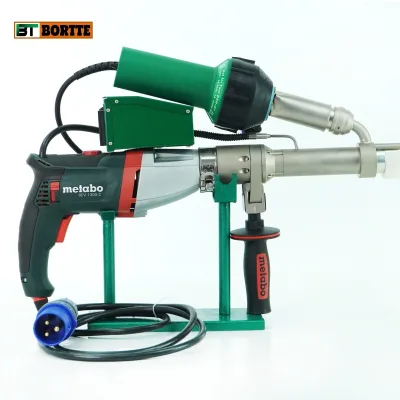
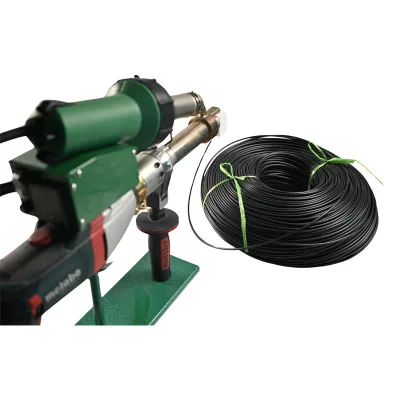
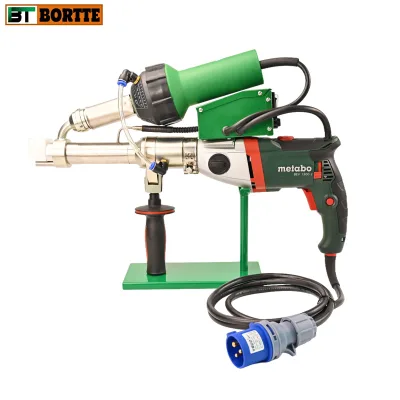
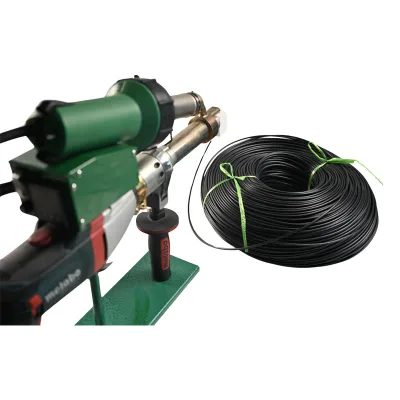

Weldy Plastic Extrusion Welder Plastic Hand Extruder Plastic Extrusion Welding
$1350.00 - $1450.00
MOQ: 1 Pieces


Hot Sale Weldy 3400W Extrusion Welder with Steady Quality 1-Year Warranty
$1100.00 - $1200.00
MOQ: 1 Pieces
Comprehensive Sourcing Guide
Sourcing Guide for Portable Extrusion Electric PVC Welders
Understanding Portable Extrusion Technology and Core Specifications
When sourcing a Portable Extrusion Electric PVC Welder, buyers must first distinguish between the specific operational mechanisms available in the current market. The core keyword implies a device that combines portability with extrusion capabilities, often used for repairing or joining plastic sheets and plates. Based on available product data, these units are frequently categorized as plastic welders with a handheld or portable style. The operational control can vary significantly between semi-automatic and manual systems, requiring the buyer to align the control mechanism with their production volume and operator skill level.
Power consumption is a critical specification that directly impacts the feasibility of using these tools in various environments. The observed total power ratings for such units range widely, with specific models listing figures such as 4500W or 4700W. These high wattage requirements necessitate a robust power supply, typically operating on alternating current (AC) at standard voltages like 220V or 230V with a frequency of 50Hz. It is essential to verify that the local electrical infrastructure can support these loads without voltage drops that could affect welding consistency.
The heating mechanism is another defining characteristic. Many units utilize air cooling to manage the temperature of the motor and heating elements during extended operation. The heating power itself may be distinct from the total power, with some configurations specifying a heating power of 3400W and a motor power of 1300W. This separation indicates a dedicated heating element and a separate motor for the extrusion process. The suitability of the machine for specific materials is paramount; the supplied data confirms compatibility with PE, PP, and PVC materials. Buyers should verify that the specific model they select is rated for the exact polymer grade they intend to weld, as the thermal properties of these plastics vary.
Technical Parameters and Operational Compatibility
Selecting the correct technical parameters ensures the welder can handle the specific thickness and geometry of the workpiece. A key specification for extrusion welders is the welding rod size, which determines the width of the bead that can be deposited. The observed data indicates a standard welding rod size range of 3mm to 5mm, with some specific models noting a wire diameter of 3.5mm to 4.0mm. This range is suitable for medium-thickness repairs and seams but may not be adequate for heavy industrial structural welding without specific attachments.
The compression ratio of the extruder mechanism is another technical factor that influences the quality of the extruded rod. A compression ratio of 2.5:1 is observed in certain models, which suggests a moderate level of material compaction before extrusion. This ratio affects the density and strength of the weld bead. Additionally, the motor quality is a significant indicator of performance longevity. Some listings reference high-quality components, such as motors from recognized manufacturers like Metabo Germany, which can be a proxy for reliability, though buyers must verify the authenticity of such claims on a per-unit basis.
The physical characteristics of the unit also play a role in its portability. Descriptions often highlight a compact design and light weight, with specific models weighing around 10kg. This weight class makes the tool manageable for one-person operation in field conditions, such as on-site repairs for auto parts or garden supplies. However, the weight must be balanced against the power requirements; a lighter unit may have a smaller battery or require a more frequent connection to a power source if not designed for cordless operation. The application scope is broad, covering auto parts, commodities, decoration, garden supplies, and household appliances, indicating that the tool is versatile but requires the correct nozzle and rod configuration for each specific use case.
Compliance, Certification, and Standard Verification
Navigating the compliance landscape for industrial welding equipment requires a rigorous verification process. The supplied data presents a mix of international and specific industry standards that buyers should use as a checklist rather than a guarantee. Commonly cited standards include ISO9001, with some references to the 2000 version and others to the general ISO9001 framework. While ISO9001 certification indicates that the manufacturer has a quality management system in place, it does not certify the product itself. Buyers must request the specific certificate number and verify its validity with the issuing body.
For plastic welding applications, material-specific standards are often more relevant than general quality management standards. The data references standards such as EN253, EN448, EN728, ISO1133, and ISO8501-1. EN253 and EN448 are particularly relevant for welding procedures and the qualification of welding personnel, while ISO1133 relates to the determination of melt flow rates of plastics. ISO8501-1 is a standard for the preparation of steel substrates before application of paints and related products, which may be relevant if the welding involves metal-plastic composites or surface preparation.
Certification claims also appear in the form of patent certificates, with some listings mentioning a "Nation Patent Certificate." This suggests that the design or mechanism of the welder may have unique intellectual property protections. However, the presence of a patent does not equate to safety certification. Buyers should be wary of unverified claims regarding CE marking or other safety certifications, as these are often listed in low-confidence background data. The primary verification step should be to demand test reports that demonstrate compliance with the specific EN or ISO standards listed in the product specifications. If a supplier cannot provide documentation linking the product to these standards, the buyer should treat the compliance status as unverified.
Cost Drivers and Procurement Economics
The cost of a Portable Extrusion Electric PVC Welder is influenced by several variables, including power output, motor quality, and the complexity of the control system. The observed price range in the market spans from approximately $15.90 to $8800. This vast disparity suggests that the lower end of the spectrum may represent basic manual units or accessories, while the higher end likely includes fully automated or semi-automatic systems with advanced features and high-power motors. Buyers must be cautious when comparing prices across this range, as a unit priced at $15.90 is unlikely to possess the 4700W total power or the specific motor specifications found in the higher-tier models.
Minimum Order Quantity (MOQ) is another significant economic factor. The data indicates an MOQ range of 1 to 100 units, with specific listings showing an MOQ of 1 set. This flexibility allows small businesses or individual contractors to purchase a single unit for immediate use without the financial burden of bulk buying. However, for larger procurement needs, negotiating a lower unit price based on volume is a standard practice. Payment terms also vary, with common options including Telegraphic Transfer (TT) and Western Union. Buyers should prioritize secure payment methods that offer protection against non-delivery, especially when dealing with international suppliers from regions like Qingdao, China.
Packaging and logistics costs are often overlooked but can impact the total landed cost. The observed packaging methods include aluminum boxes with paper bags outside, standard packages, or aluminum boxes alone. Robust packaging is essential for protecting the delicate electronic components and the extrusion nozzle during transit. The origin of the product, typically China, implies that shipping costs and import duties will be significant variables in the final cost calculation. Buyers should factor in the lead time associated with international shipping, which can vary based on the supplier's location and the chosen freight method.
Typical Applications and Industry Use Cases
Portable extrusion electric PVC welders are designed for a diverse array of applications, making them versatile tools for various industries. The primary use case is the welding of plastic sheets and plates, which is critical in the fabrication of tanks, liners, and containment structures. The ability to weld PE, PP, and PVC materials allows these tools to be used in the chemical processing industry, where corrosion resistance is paramount. In the automotive sector, these welders are employed for repairing body panels, bumpers, and interior components, particularly those made from thermoplastics.
Beyond heavy industry, the tool finds significant use in commercial and retail settings. Applications include the repair of commodities, decorative items, and garden supplies. For instance, a damaged plastic chair or a cracked garden planter can be effectively repaired using an extrusion welder, extending the product's lifecycle and reducing waste. The versatility extends to household appliances, where internal plastic components may require repair or modification. The compact design and handheld nature of the tool make it ideal for on-site repairs where moving a large workpiece to a fixed welding station is impractical.
The specific application also dictates the required rod size and welding technique. For thin sheets, a smaller rod diameter within the 3-5mm range is preferred to prevent overheating and warping. For thicker plates, a larger rod size ensures sufficient material deposition to fill the gap. The ability to customize the welding rod, often available as a product feature, allows operators to match the color and material properties of the base plastic, ensuring a seamless and aesthetically pleasing repair. This customization capability is particularly valuable in the decoration and commodity sectors, where the visual appearance of the repair is as important as the structural integrity.
Supplier Evaluation and Quality Control Protocols
Evaluating a supplier for portable extrusion electric PVC welders requires a multi-faceted approach that goes beyond simple price comparison. The first step is to verify the supplier's location and origin. Many of the observed products originate from China, with specific mentions of Qingdao as a manufacturing hub. While this indicates a concentration of manufacturing capability, buyers should conduct due diligence to ensure the supplier is a legitimate manufacturer or an authorized distributor rather than a trading company with limited technical support.
Quality control should be a central component of the supplier evaluation. Buyers should request evidence of the claimed standards, such as ISO9001 certification, and verify the specific test results for the models they are interested in. The presence of a patent certificate can be a positive indicator of innovation, but it should be cross-referenced with the actual product design. Additionally, the supplier's ability to provide detailed technical documentation, including wiring diagrams, maintenance manuals, and safety guidelines, is a strong indicator of professionalism.
The customization availability is another key factor in supplier selection. The data confirms that customization is available for these products, which may include modifications to the power cord, voltage, or nozzle configuration. A supplier that offers flexible customization options demonstrates a deeper understanding of customer needs and a commitment to delivering a tailored solution. However, buyers must clarify the lead time and cost implications of any customizations before placing an order.
Finally, the supplier's after-sales support and warranty terms are critical for long-term procurement success. Given the technical nature of the equipment, access to spare parts and technical assistance is essential. Buyers should inquire about the availability of replacement motors, heating elements, and nozzles. A supplier that provides a comprehensive warranty and a responsive support team will minimize downtime and ensure the longevity of the investment.
Long-Term Procurement and Operational Sustainability
Sourcing portable extrusion electric PVC welders is not merely a transactional purchase but a strategic decision that impacts long-term operational efficiency. The durability of the equipment, particularly the motor and heating elements, determines the total cost of ownership. Units with high-quality motors, such as those sourced from reputable manufacturers, are likely to offer a longer service life and reduced maintenance costs. Buyers should prioritize models that have a proven track record of reliability in similar applications.
The sustainability aspect of procurement also involves the energy efficiency of the welder. With total power ratings ranging up to 4700W, the energy consumption can be significant. Selecting a unit with efficient power management and air cooling systems can reduce operational costs and minimize the environmental footprint. Furthermore, the ability to repair plastic components using these welders contributes to waste reduction and circular economy principles, aligning with modern sustainability goals.
As technology evolves, buyers should remain open to new features and improvements in extrusion welding technology. The availability of semi-automatic controls and advanced customization options suggests that the market is moving towards more user-friendly and efficient solutions. By staying informed about these developments and maintaining a relationship with a reliable supplier, buyers can ensure that their procurement strategy remains competitive and aligned with industry best practices. Regular training for operators on the correct use of the equipment and adherence to safety standards will further enhance the long-term value of the investment.
FAQs
Can this welder operate on standard AC power?
Yes, the device operates on alternating current at 220V or 230V with a 50Hz frequency. This ensures compatibility with standard industrial electrical infrastructure without requiring special converters.
What materials are suitable for this portable welder?
The unit is designed to weld PE, PP, and PVC materials effectively. It is specifically suitable for repairing plastic sheets, plates, and various components made from these thermoplastics.
Which control type is available for this welding tool?
Available control types include semi-automatic and manual systems. Buyers should select the specific control mechanism based on their required production volume and operator skill level.
What is the minimum order quantity for these units?
The minimum order quantity can be as low as one set for immediate purchase. Some listings may require higher volumes, but single-unit procurement is supported by the current market data.
How is the product packaged for safe shipping?
Products are typically packed in an aluminum box with a paper bag outside or in a standard package. This robust packaging protects the electronic components and extrusion nozzle during transit.
What welding rod size does this machine support?
The machine supports welding rods with a diameter ranging from 3mm to 5mm. Some specific models may also accommodate wire diameters between 3.5mm and 4.0mm for precise repairs.
Which certifications are claimed for this equipment?
Some models claim compliance with ISO9001 and various EN standards like EN253 and EN448. Buyers must verify specific certificate numbers and test reports to confirm actual compliance status.