Source Portable Fire Extinguisher Valve for Industrial, Commercial, and Home Use
Find 30 Portable Fire Extinguisher Valve options from verified Chinese manufacturers. Compare specifications like thread types, materials, and certifications to select the right component for Class F fires or general dry powder systems.
Key considerations
Products List


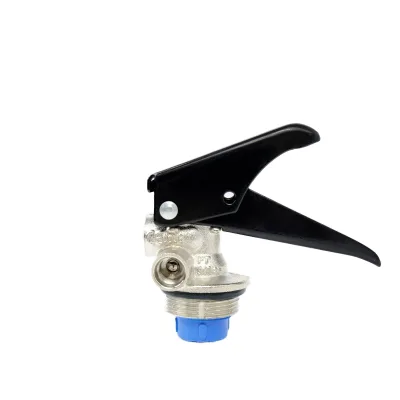
Factory Price High Quality Inverted Valve for Portable Fire Extinguisher
$0.13 - $0.18
MOQ: 5000 Pieces



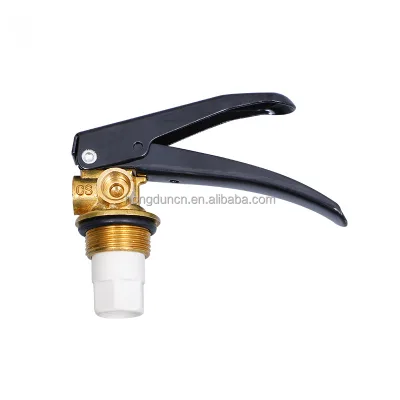
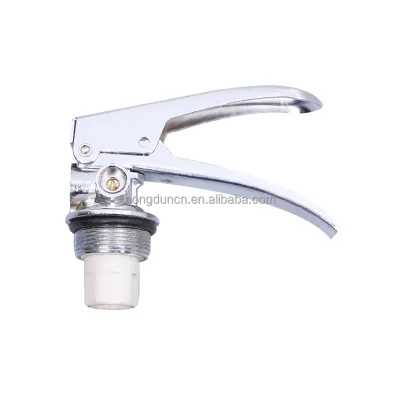
Portable Fire Extinguisher Valve for CO2 Fire Extinguisher Factory Price with a High Quality
$0.60 - $0.70
MOQ: 500 Pieces




Comprehensive Sourcing Guide
Strategic Sourcing Guide for Portable Fire Extinguisher Valves
Procuring portable fire extinguisher valves requires a rigorous understanding of technical compatibility, regulatory compliance, and supply chain reliability. The market for these critical safety components is characterized by a wide variance in specifications, ranging from standard thread connections to specialized pressure ratings. Buyers must navigate a landscape where a single valve model may serve multiple fire classes or require specific certifications depending on the target market. This guide outlines the essential factors for sourcing portable fire extinguisher valves, focusing on the intersection of technical attributes, regulatory standards, and supplier evaluation based on observed industry data.
Technical Specifications and Compatibility
The primary challenge in sourcing portable fire extinguisher valves lies in matching the valve's mechanical specifications to the extinguisher's cylinder and agent type. Observed product data indicates a diverse range of thread standards, which are non-negotiable for proper installation. Common inlet threads identified in the market include M30X1.5, Pz27.8, and M10X1-12.5 for gauge connections. Outlet threads vary significantly, with W21.8-14 and M16X1.5 being prevalent configurations. Selecting a valve with an incorrect thread standard will render the component unusable, regardless of its pressure rating or material quality.
Material composition is another critical technical factor. The majority of high-performance valves utilize brass for their construction, offering a balance of corrosion resistance and durability. However, the internal structure often involves spring mechanisms designed to maintain pressure integrity. Buyers must verify the "Closed" status of the valve mechanism and ensure it aligns with the specific pressure requirements of the extinguisher, whether it is a non-adjustable system or one requiring precise pressure control. The media compatibility is also paramount; while many valves are designed for dry powder agents, specific models are engineered for water-based systems. The distinction between ordinary dry powder and other agent types dictates the internal sealing requirements and flow characteristics of the valve.
Furthermore, the effective range of the extinguisher, often cited as 5 meters in standard configurations, is directly influenced by the valve's flow rate and nozzle design. The valve must be capable of sustaining the pressure necessary to project the agent to the required distance. Models such as the SF-M-F-S series demonstrate specific standardizations for different weights, such as 4kg, 6kg, and 9kg, indicating that the valve's internal volume and pressure relief mechanisms are calibrated to the specific mass of the extinguishing agent.
Compliance and Certification Verification
In the fire safety industry, certification is not merely a formality but a legal and operational necessity. The market data reveals a complex matrix of certifications that suppliers may claim, including CE, CCC, CCCF, GS, UL, and ISO. The presence of GB8013-2005 and GB8013-CCCF standards suggests a strong alignment with Chinese national standards, which are often required for domestic sales and export to specific regions. Buyers must understand that the presence of a certification mark does not guarantee universal acceptance; the specific standard must match the regulatory requirements of the destination country.
For instance, the CE mark indicates conformity with European health, safety, and environmental protection standards, while UL certification is essential for the North American market. The CCC and CCCF marks are specific to the Chinese market, with CCCF often relating to fire product mandatory certification. When evaluating a supplier, buyers should request valid, current certificates that correspond to the specific valve model, not just the company's general portfolio. The data shows that some models are associated with multiple certifications, such as CE, UL, CCC, and CCCF, while others may only carry CE and ISO. This variance suggests that certification is often model-specific rather than a blanket attribute of the manufacturer.
Additionally, the retirement life of the extinguisher, typically observed as 5 years, is a critical compliance metric. The valve must be designed to maintain its integrity and sealing capability throughout this lifespan. Buyers should verify that the valve's material and spring mechanism are rated to withstand the expected operational cycles without degradation that could compromise safety before the 5-year mark.
Cost Drivers and Pricing Dynamics
The pricing of portable fire extinguisher valves is influenced by a combination of material costs, certification expenses, and production volume. The observed price range in the market spans from $0.13 to $99, a variance that reflects the difference between basic components and high-specification, certified units. The lower end of the spectrum likely corresponds to standard, non-certified, or bulk-order components, while the higher end may include valves with complex threading, specialized materials, or full international certification suites.
Minimum Order Quantity (MOQ) is a significant cost driver, with observed ranges from 1 to 5000 units. Suppliers offering low MOQs, such as 1 or 10 units, often charge a premium per unit to cover setup and handling costs. Conversely, buyers committing to high volumes, such as 5000 units, can leverage economies of scale to reduce the unit price significantly. The packaging method also impacts cost; options like "Export Cartoon" or "Carton/Pallet" suggest different logistics requirements that can influence the final landed cost.
Customization is a key factor in pricing. The availability of OEM services allows buyers to tailor valves to specific brand or technical requirements, but this typically incurs additional tooling and setup fees. The "Customized" attribute indicates that suppliers are willing to modify thread sizes, materials, or pressure ratings, but buyers should anticipate a higher price point and potentially longer lead times for these bespoke solutions.
Typical Applications and Fire Class Compatibility
Portable fire extinguisher valves are primarily designed for Class F fires, which involve cooking oils and fats, as well as Class A and B fires involving ordinary combustibles and flammable liquids. The specific agent type, such as ordinary dry powder, dictates the valve's application. Dry powder extinguishers are versatile and commonly used in industrial, commercial, and residential settings. The valve must be compatible with the specific dry powder agent to prevent clogging or chemical reaction.
The data indicates that some valves are specifically designed for "Class F Fires," suggesting specialized nozzles or pressure settings for grease fires. Other models are labeled as "Portable Dry Powder Fire Extinguishers," indicating a broader application scope. The effective range of 5 meters is a standard performance metric for these applications, ensuring that the operator can safely engage the fire from a moderate distance.
In addition to fire class, the application environment influences valve selection. For example, valves designed for "Low Temperature" environments must maintain their mechanical properties in cold conditions, preventing the spring mechanism from seizing or the material from becoming brittle. The "Non-Ajustable" pressure rating suggests that these valves are intended for fixed-pressure systems where the cylinder is pre-charged, which is common in portable units.
Supplier Evaluation and Origin Analysis
When evaluating potential suppliers, the origin of the product is a critical data point. The observed supply chain includes manufacturers from Shanghai, Jiangsu, and other regions in China. These regions are known for their manufacturing clusters, but buyers should verify the specific factory capabilities rather than relying solely on the general origin. The "prod_origin" field provides a starting point, but detailed due diligence is required to ensure the supplier has the necessary infrastructure for quality control and certification.
Supplier evaluation should also focus on the consistency of their product models. The data shows a variety of model numbers, such as 6.3, DZ, AC, NA, and the SF-M-F-S series. A supplier with a diverse and well-documented model range is likely more capable of meeting specific customization needs. Buyers should request technical datasheets for each model to verify the thread specifications, material composition, and pressure ratings.
The "Export Cartoon" and "Carton/Pallet" packaging options indicate that the supplier is experienced in international logistics. However, buyers should confirm that the packaging meets the specific requirements of their destination to prevent damage during transit. The "Customization: Available" attribute suggests that the supplier is flexible, but buyers should assess their track record for delivering customized orders on time and to specification.
Quality Control and Long-Term Procurement
Quality control is paramount in the fire safety industry. Buyers must implement a robust inspection regime that includes verifying thread dimensions, material composition, and pressure testing. The "Spring" structure and "Closed" status of the valve must be inspected to ensure they function correctly under pressure. Regular sampling and testing of incoming valves can prevent the deployment of defective components that could fail during an emergency.
Long-term procurement considerations involve establishing a relationship with a supplier who can provide consistent quality and support. The "Retirement Life" of 5 years implies that the valve must be durable and reliable over an extended period. Buyers should consider the availability of spare parts and the supplier's ability to provide technical support in case of issues. The "OEM" capability allows for branding and specific technical requirements, which can be beneficial for long-term contracts.
Finally, buyers should monitor changes in standards and certifications. The regulatory landscape for fire safety equipment is dynamic, and suppliers must stay current with updates to GB8013, CE, and other standards. A proactive approach to procurement, involving regular audits and communication with suppliers, ensures that the sourced valves remain compliant and effective throughout their lifecycle. By focusing on these technical, regulatory, and operational factors, buyers can secure a reliable supply of portable fire extinguisher valves that meet the highest safety standards.
FAQs
What certifications are required for portable fire extinguisher valves?
Common certifications include CE, CCC, CCCF, GS, UL, and ISO. Specific models may require GB8013-2005 compliance, and buyers must verify that the certification matches the target market regulations before purchasing.
Which thread standards are available for these valves?
Available inlet threads include M30X1.5, Pz27.8, and M10X1-12.5 for gauges. Outlet threads typically feature W21.8-14 or M16X1.5 configurations, ensuring compatibility with various cylinder types.
Can these valves be customized for specific brands?
Yes, OEM customization is available for specific brand or technical requirements. Buyers should anticipate potential adjustments to thread sizes, materials, or pressure ratings, which may affect pricing and lead times.
What is the typical retirement life of the extinguisher?
The standard retirement life is five years. The valve must maintain integrity and sealing capability throughout this period, requiring durable materials like brass and robust spring mechanisms.
Where are these valves typically manufactured?
Manufacturing origins include Shanghai, Jiangsu, and other regions in China. Buyers should verify specific factory capabilities and quality control measures rather than relying solely on the general origin location.
What is the effective range of the extinguisher using these valves?
The effective range is typically five meters for standard configurations. This distance is influenced by the valve's flow rate and the pressure required to project the dry powder agent effectively.