Source Portable Face and Body Cavitation RF Machine for Salon, Home, and Clinic
Find and compare 30 Portable Face and Body Cavitation RF Machine options from verified suppliers. Evaluate models like C800 and TH67-B based on features such as 8.4-inch LCD screens, multi-function capabilities, and medical certifications to find the right fit for your business needs.
Key considerations
Products List


Body Slimming Vacuum Cavitation RF Machine for Face Lifting Wrinkle Removal
$1000.00 - $3000.00
MOQ: 1 set


Portable RF Vacuum 80kHz Ultrasonic Cavitation Machine for Body Slimming
$360.00 - $430.00
MOQ: 1 Pieces


Professional Cavitation RF Bio Vacuum Machine Beauty Device for Body and Face
$280.00 - $320.00
MOQ: 1 Pieces
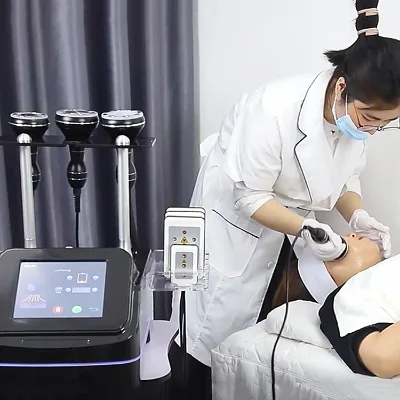


RF Skin Firming Cavitation Skin Rejuvenation Cavitation Vacuum Machine
$430.00 - $480.00
MOQ: 1 Pieces


4handles Body Slimming, Face Lifting Machine with Vacuum, Cavitation, RF and Light Therapy
$3000.00 - $3500.00
MOQ: 1 Pieces


Comprehensive Sourcing Guide
Portable Face and Body Cavitation RF Machine Sourcing Guide
Sourcing a Portable Face and Body Cavitation RF Machine requires a disciplined approach to verifying technical specifications, compliance documentation, and supplier capabilities. These devices combine ultrasonic cavitation, radio frequency (RF) energy, and vacuum suction to target fat reduction, skin tightening, and body contouring. Buyers must navigate a market where product names often overlap, making it essential to distinguish between true multi-functional systems and single-mode devices. The following guide provides evidence-based procurement strategies to ensure you acquire equipment that meets clinical standards, operational reliability, and regulatory requirements for your specific market.
The core keyword "Portable Face and Body Cavitation RF Machine" refers to integrated aesthetic systems designed for both salon and home use. Observed listings indicate a wide price range from $1 to $10,000 USD, reflecting significant variations in power output, component quality, and certification status. Minimum Order Quantities (MOQ) vary from 1 set to 1,700 units, suggesting that suppliers cater to both individual clinics and large-scale distributors. Understanding these market signals is the first step in defining your procurement strategy, as the lowest price often correlates with lower power stability, fewer safety features, or incomplete regulatory documentation.
Product Scope and Observed Listing Signals
Buyers should first define the functional scope of the device, as "cavitation RF" machines often bundle multiple technologies. Observed product attributes indicate that high-end models typically integrate Cavitation, RF, and Vacuum systems into a single unit. For instance, specific models like the US307 and TH252-B are described as multi-functional beauty equipment with distinct power outputs and frequencies. It is critical to verify whether the device offers true simultaneous treatment or if it switches between modes, as this impacts treatment efficiency and client satisfaction. Devices claiming "Body Shapping & Slimming" alongside "Skin Rejuvenation" must demonstrate adequate power delivery for both fat cell disruption and collagen stimulation.
Screen interface and portability are key differentiators in the observed market. Many listed units feature an 8.4-inch true color LCD touch screen with multi-language support, which enhances user experience for international clients. However, "portable" does not always mean lightweight; standard dimensions observed range from compact facial devices to larger body units measuring up to 54.531.528 cm. Buyers must assess the physical weight and packaging, such as aluminum cases or flight cases, to determine if the device fits their transportation and storage constraints. A device that is technically portable but requires complex assembly or fragile packaging may incur hidden logistical costs and increase the risk of damage during transit.
Technical Specifications to Verify
Technical verification must begin with the ultrasonic and RF parameters, which are the core drivers of treatment efficacy. For cavitation, the ultrasonic frequency is typically 40kHz, but buyers must verify the power density, often measured in W/cm², to ensure it is sufficient for effective fat blasting without causing tissue damage. Similarly, RF frequency and energy levels, such as 6MHz with 1-50J output, must be confirmed against clinical requirements. Low-power devices may fail to deliver visible results, leading to customer complaints and returns. Buyers should request detailed technical datasheets that specify the actual output power at the handpiece, not just the input power, to ensure accurate performance claims.
The cooling system and working modes are equally critical for safety and operational flexibility. Observed specifications highlight air cooling systems, which are standard for maintaining handpiece temperature during continuous use. Buyers must verify if the device supports continuous, interval, or pulse working modes, as this affects treatment comfort and efficacy. Additionally, the display screen should provide real-time feedback on power levels and treatment time. Devices with vague or non-specific display information may lack the precision needed for professional treatments. Confirming the vacuum pressure, such as 400kpa, is also essential for ensuring the device can effectively lift and treat skin layers.
Compliance and Safety Documentation
Regulatory compliance is non-negotiable for aesthetic devices, particularly those involving energy delivery to the human body. Buyers must verify that the supplier provides valid Medical CE certification and ISO 13485 certification, which indicates adherence to quality management systems for medical devices. Some observed listings also mention TUV and Sfda certifications, which are valuable for specific regional markets. However, buyers should not rely solely on the presence of a certification logo; they must request copies of the certificates and verify their validity with the issuing body. Counterfeit or expired certifications are a common risk in the beauty equipment industry.
Beyond certifications, buyers must ensure the device meets local electrical and safety standards in their target market. This includes verifying the power supply voltage and frequency compatibility, as well as checking for relevant safety marks like UL or GS if applicable. The device should also come with comprehensive user manuals in multiple languages, detailing safety warnings, contraindications, and operating procedures. Buyers should assess the clarity and completeness of these documents, as poor documentation can lead to misuse, injury, and liability issues. Ensuring that the device is labeled with all necessary regulatory information is a basic but critical step in risk mitigation.
Cost Drivers and Commercial Terms
Pricing for portable cavitation RF machines is influenced by several factors, including component quality, certification scope, and customization options. Observed price ranges are broad, reflecting differences in power output, screen quality, and included accessories. Buyers should avoid focusing solely on the unit price; instead, they should evaluate the total cost of ownership, which includes shipping, import duties, and potential maintenance costs. Devices with higher initial costs may offer better long-term value through superior durability, lower energy consumption, and more reliable performance. Customization options, such as OEM logo, color, and cover, can also impact pricing, so buyers should clarify these costs upfront.
Commercial terms, including MOQ and lead time, vary significantly among suppliers. Observed MOQs range from 1 set to 1,700 units, allowing flexibility for small clinics and large distributors. Lead times are typically reported as 3-7 working days, but buyers must confirm if this refers to production time or shipping time. Payment terms, warranty conditions, and after-sales support are also critical components of the commercial agreement. Buyers should negotiate clear terms for warranty claims, including who bears the cost of shipping for repairs or replacements. A supplier offering a 1-year warranty with lifetime technical support is preferable to one with a shorter warranty period and limited support.
Supplier Qualification and Quality Control
Supplier qualification involves assessing the manufacturer's production capabilities, quality control processes, and after-sales service infrastructure. Buyers should verify the supplier's business license, factory audit reports, and production capacity. Suppliers located in industrial hubs like Shandong, China, often have established supply chains for electronic components, but buyers must still assess the quality of these components. Requesting video tours of the production line and quality control checkpoints can provide valuable insights into the manufacturing standards. Buyers should also inquire about the supplier's experience in exporting to their specific region, as this indicates familiarity with local regulatory and logistical requirements.
Quality control should extend beyond the final product to include incoming material inspection and in-process testing. Buyers should ask for details on the supplier's QC procedures, such as how they test the ultrasonic and RF outputs before shipment. A robust QC process will include burn-in tests to identify early failures and performance tests to ensure consistency across units. Buyers should also assess the supplier's response time and technical support capabilities, as these are crucial for resolving issues post-purchase. Suppliers offering 24-hour online support and comprehensive training materials demonstrate a commitment to customer success and long-term partnership.
Long-Term Procurement Checks
Long-term procurement success depends on the supplier's ability to provide ongoing support, updates, and spare parts. Buyers should establish a clear communication channel with the supplier for technical inquiries and order management. Regular check-ins can help identify potential issues early and ensure that the supplier remains responsive to changing needs. Buyers should also monitor the supplier's product development roadmap to stay informed about new features and technologies that may enhance their service offerings. A supplier that invests in R&D and regularly updates its product line is more likely to remain competitive and provide long-term value.
Finally, buyers should maintain a detailed record of all procurement activities, including contracts, invoices, certifications, and communication logs. This documentation is essential for resolving disputes, managing warranties, and ensuring compliance with local regulations. Buyers should also periodically review their supplier's performance against key metrics, such as delivery times, product quality, and support responsiveness. Continuous evaluation helps identify areas for improvement and ensures that the procurement strategy remains aligned with business goals. By maintaining a disciplined and evidence-based approach, buyers can mitigate risks and secure a reliable supply of high-quality portable cavitation RF machines.
FAQs
What certifications does the Portable Face and Body Cavitation RF Machine have?
The device holds Medical CE, ISO13485, TUV, and Sfda certifications. These credentials ensure compliance with international medical device standards. Buyers can verify these documents to confirm regulatory readiness for salon or clinical use in various regions.
How much power does the ultrasonic cavitation system deliver?
The system delivers a power supply output of 1200W. It operates with an ultrasonic frequency of 40kHz and ultrasonic power ranging from 1-50W/Cm2. This configuration supports effective fat blasting and body shaping treatments for clients.
Can the machine be customized for specific branding needs?
Yes, customization is available for software, logo, color, and cover. Buyers can tailor the device to match their brand identity. This flexibility allows salons and clinics to maintain consistent branding across their equipment inventory.
What is the warranty and technical support policy?
The warranty covers 12 months with technical support available for life. Buyers receive one year of coverage for hardware issues. Long-term technical assistance ensures operational continuity and minimizes downtime for professional beauty equipment users.
What is the typical delivery time for orders?
The delivery time is 3-7 working days. This lead time applies to standard orders. Buyers should account for this duration when planning inventory restocking or scheduling new equipment installations for their business operations.
What display screen is included in the device?
The device features an 8.4-inch true color LCD touch screen. This display supports multi-language interfaces for ease of use. The intuitive interface allows operators to quickly adjust settings for different treatment protocols.