Source Portable Folding Camping Chair with Plastic Armrest for Fishing, Beach, Picnic
Compare 30 listings of a Portable Folding Camping Chair with Plastic Armrest designed for outdoor activities. Buyers can evaluate options featuring metal or fabric materials, various dimensions, and customization capabilities for fishing, beach, and picnic use.
Key considerations
Products List


Easy Carry Outdoor Folding Beach Chair Camping Picnic Chair with Armrest
$3.00 - $6.00
MOQ: 500 Pieces


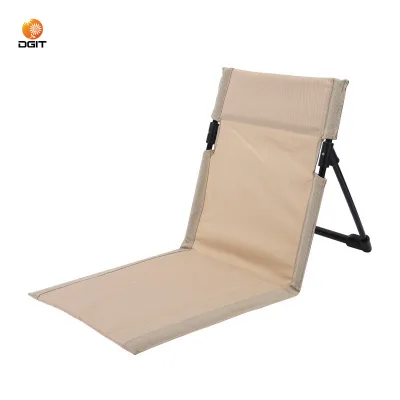


Comfortable Outdoor Folding Camping Chair with Adjustable Backrest and Footrest
$17.50 - $18.00
MOQ: 100 Pieces


Portable White Folding Chair Plastic Folding Camping Chair for Lawn Events
$6.50 - $9.00
MOQ: 2 Pieces


Black Folding Chair Resin Folding Camping Chair Stackable Furniture Chairs
$13.50 - $14.50
MOQ: 50 Pieces


Comprehensive Sourcing Guide
Portable Folding Camping Chair with Plastic Armrest Sourcing Guide
Sourcing portable folding camping chairs with plastic armrests requires a careful balance between structural durability, weight efficiency, and cost management. These chairs are ubiquitous in outdoor recreation, serving as essential gear for fishing, camping, picnics, and beach outings. The inclusion of plastic armrests adds a layer of comfort and structural rigidity that fabric-only designs often lack, but it also introduces specific engineering challenges regarding joint strength and material fatigue. Buyers must navigate a market where "portable" implies a folded state that is both compact and robust enough to withstand repeated deployment cycles. The observed product landscape indicates a wide variance in specifications, from simple styles to more modern designs, necessitating a rigorous verification process to ensure the final product meets the intended use case without compromising on safety or longevity.
The procurement strategy for this category hinges on understanding the interplay between the frame material and the plastic components. While many listings highlight metal frames for their strength, the plastic armrests and seat materials introduce variables related to temperature sensitivity and impact resistance. Buyers should recognize that "lightweight" and "small" are key selling points, but these attributes must not come at the expense of the chair’s load-bearing capacity. The decision to source chairs with plastic armrests often targets a mid-range market segment that values comfort over the absolute minimal weight of ultralight hiking gear. Consequently, the sourcing guide must emphasize the verification of connection points between the plastic armrests and the metal frame, as these are common failure points in lower-quality manufacturing.
Product Scope and Observed Listing Signals
The current market for portable folding camping chairs exhibits a diverse range of product attributes, with significant variation in materials, styles, and intended applications. Observed listings reveal that while metal is a common frame material, fabric is frequently used for the seating surface, creating a hybrid construction that balances durability with breathability. Some products are explicitly marketed for fishing, camping, picnics, and beach use, highlighting their versatility across different outdoor environments. The presence of armrests is a distinct feature in many of these listings, often paired with a "simple" or "modern" style, indicating that aesthetic preferences play a role in buyer selection. Additionally, the availability of customization options, such as printed logos and designed patterns, suggests that many suppliers cater to bulk orders for promotional or branded purposes, which is a critical consideration for corporate buyers or large retailers.
Price and minimum order quantity (MOQ) ranges observed in the market provide insight into the scalability of sourcing these items. Prices typically range from low-cost entry-level models to higher-priced options with enhanced features, reflecting differences in material quality and manufacturing complexity. MOQs vary widely, from single items for sample testing to thousands of units for large-scale distribution, allowing buyers to tailor their procurement strategy to their specific volume needs. The observation of "folded" chairs with specific dimensions, such as 6060102cm or 558498cm, underscores the importance of verifying packed size for logistics planning. Buyers should note that while some products offer optional colors and patterns, the core structural integrity is determined by the frame and joint design, which must be evaluated independently of cosmetic customizations.
Technical Specifications to Verify
Verifying the technical specifications of portable folding camping chairs with plastic armrests is critical to ensuring product performance and user safety. The frame material, often metal, must be assessed for corrosion resistance and tensile strength, particularly if the chair is intended for beach or coastal use where saltwater exposure is a factor. The plastic armrests themselves require evaluation for impact resistance and flexibility; brittle plastics may crack under stress, while overly flexible ones may fail to provide adequate support. Buyers should request detailed specifications on the thickness and grade of the plastic used, as well as the type of metal alloy employed in the frame. Additionally, the folding mechanism must be tested for smooth operation and stability, ensuring that the chair locks securely in both the open and closed positions to prevent accidental collapse during use.
Weight and dimensions are key technical factors that influence both user experience and logistics costs. The observed weight of some models, such as 0.9 kg, highlights the potential for ultra-lightweight designs, but buyers must verify if this weight includes all components, including the armrests and any carrying bags. The packed dimensions, often listed in centimeters, are essential for calculating shipping volume and storage requirements. Buyers should also pay attention to the maximum load capacity, which is not always explicitly stated in general listings but is a critical safety parameter. Furthermore, the type of fabric used for the seat, if applicable, should be checked for tear resistance and water repellency, especially for chairs marketed for beach or fishing applications where exposure to elements is common.
Compliance and Safety Documentation
Compliance and safety documentation are non-negotiable aspects of sourcing portable camping chairs, particularly those with plastic components that may be subject to chemical regulations. Buyers must ensure that suppliers provide machinery test reports and other relevant safety certifications to verify that the chairs meet international safety standards. These documents should confirm that the plastic armrests and other components are free from harmful substances such as phthalates or heavy metals, which is especially important for products intended for use by children or in close contact with skin. The warranty period, often listed as one year, serves as a baseline indicator of supplier confidence in product durability, but buyers should clarify the terms and conditions of the warranty to understand what defects are covered and the process for claims.
In addition to chemical compliance, structural safety testing is essential to prevent injuries related to chair failure. Buyers should request evidence of load testing and stability testing, which demonstrate that the chair can withstand typical usage stresses without collapsing or breaking. The presence of a "machinery test report" in some listings suggests that suppliers may have access to third-party testing facilities, which adds credibility to their safety claims. However, buyers should not rely solely on these reports; they should also consider conducting their own sample testing to verify the chair’s performance in real-world conditions. Ensuring that the chair meets relevant regional safety standards, such as those in the EU or US, is crucial for avoiding legal liabilities and ensuring customer satisfaction.
Cost Drivers and Commercial Terms
The cost of portable folding camping chairs with plastic armrests is influenced by several key drivers, including material costs, manufacturing complexity, and customization requirements. The use of metal frames and high-quality plastics can increase production costs, but these materials offer greater durability and user comfort, which can justify a higher price point. Customization options, such as printed logos and custom patterns, add to the cost due to the additional setup and printing processes involved. Buyers should also consider the impact of packaging on cost; while some products are packed in cartons, others may use simpler bags, which can affect both protection during shipping and overall packaging expenses. Understanding these cost drivers allows buyers to negotiate more effectively and make informed decisions about which features are worth the additional investment.
Commercial terms, including payment terms, shipping methods, and lead times, play a significant role in the overall procurement strategy. Buyers should negotiate favorable payment terms, such as partial upfront payments and balance upon shipment, to mitigate financial risk. Shipping costs can vary widely depending on the weight and dimensions of the packed chairs, so optimizing packaging design can lead to significant savings. Lead times are another critical factor, especially for seasonal products like camping chairs; buyers should establish clear timelines with suppliers to ensure timely delivery before peak seasons. Additionally, buyers should clarify the terms for handling defects or damages during transit, ensuring that there is a clear process for replacements or refunds to minimize disruption to their supply chain.
Supplier Qualification and Quality Control
Supplier qualification is a critical step in ensuring the reliability and consistency of portable folding camping chair supplies. Buyers should conduct thorough due diligence on potential suppliers, verifying their business licenses, manufacturing capabilities, and past performance. Suppliers with a strong track record in outdoor gear or furniture manufacturing are often more reliable, as they have the expertise to produce high-quality products. Buyers should also assess the supplier’s quality control processes, including in-line inspections and final random inspections, to ensure that defects are identified and corrected before shipment. Requesting references from previous clients can provide additional insights into the supplier’s reliability and customer service.
Quality control measures should be implemented throughout the production process to maintain product consistency and meet buyer specifications. Buyers should establish clear quality standards, including acceptable limits for defects in materials, workmanship, and functionality. Regular communication with the supplier during production can help identify and address potential issues early, reducing the risk of large-scale defects. Buyers should also consider hiring third-party inspection agencies to conduct independent quality checks, providing an objective assessment of the product’s compliance with agreed-upon standards. By implementing robust quality control measures, buyers can minimize the risk of receiving substandard products and protect their brand reputation.
Long-Term Procurement Checks
Long-term procurement checks are essential for maintaining a sustainable and efficient supply chain for portable folding camping chairs. Buyers should regularly review supplier performance metrics, including on-time delivery rates, product quality, and responsiveness to issues. Establishing a scorecard system can help track these metrics over time, providing a data-driven basis for supplier evaluations and contract renewals. Buyers should also stay informed about industry trends and technological advancements, such as new materials or manufacturing techniques, that could impact product quality or cost. By staying proactive, buyers can identify opportunities for improvement and adapt to changes in the market.
Continuous improvement initiatives should be encouraged through regular feedback loops with suppliers. Buyers should share customer feedback and market insights with suppliers to help them refine their products and processes. Collaborative problem-solving sessions can address recurring issues and identify areas for innovation. Additionally, buyers should consider diversifying their supplier base to mitigate risks associated with single-source dependencies. By fostering strong, collaborative relationships with suppliers and implementing continuous improvement practices, buyers can ensure a resilient and competitive supply chain for portable folding camping chairs with plastic armrests.
FAQs
Can I get a customized logo on the camping chair?
Yes, the logo can be printed on the chair. This customization is available for the metal and fabric models listed, allowing you to add your brand design to the product surface for marketing purposes.
What are the standard dimensions for these folding chairs?
Standard dimensions vary by model, with sizes like 60 by 60 by 102 cm or 55 by 84 by 98 cm available. Specific measurements depend on the selected model number, such as YS-KT418 or YS-MJ5584.
How much does a single portable camping chair weigh?
One observed model weighs 0.9 kg, making it light and easy to carry. This weight supports the advantage of being small and portable for activities like fishing, camping, and picnics.
Which materials are used to construct these chairs?
The chairs are constructed from metal and fabric materials. Some specific listings also indicate plastic components, ensuring durability while maintaining a lightweight profile for outdoor use.
What is the warranty period for the fishing chair?
A 1-year warranty is provided for the fishing chair. This coverage applies to the product to ensure quality and reliability for buyers sourcing from the listed manufacturers in China.
Can the chair be folded for easy transport?
Yes, the chair is designed to be folded for easy transport. This feature aligns with its usage for beach, mountain, and garden applications where portability is a key requirement.
What is the minimum order quantity for these chairs?
The minimum order quantity ranges from 1 to 1000 units depending on the supplier. Buyers can find options for single items or bulk orders based on their specific sourcing needs.