Source Portable Folding Camping Table for Park Beach School
Compare 30 Portable Folding Camping Table options from Anhui, China, featuring aluminum alloy construction and customizable designs. Buyers can evaluate specifications like weight, packing size, and load capacity for outdoor, park, and school applications.
Key considerations
Products List


Foldable Folding Tables Aluminum Picnic Camping Table Lightweight Table
$10.99 - $11.99
MOQ: 100 Pieces


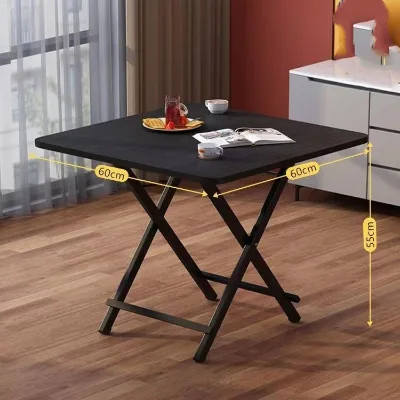
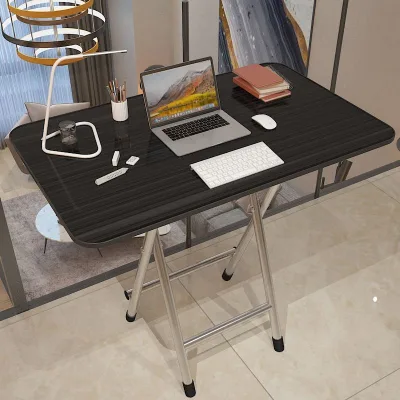


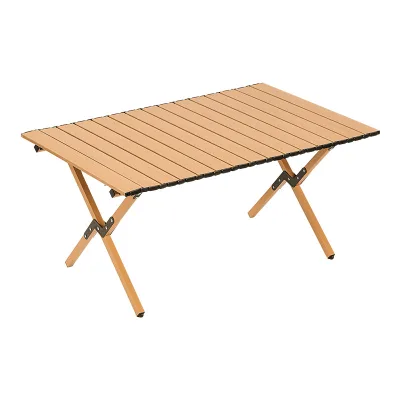

Comprehensive Sourcing Guide
Strategic Sourcing Guide for Portable Folding Camping Tables
Understanding the Product Category and Core Specifications
The Portable Folding Camping Table represents a critical segment within the broader outdoor furniture market, designed specifically for mobility, durability, and rapid deployment in variable environments. Based on current market observations, these products are predominantly constructed from metal, with aluminum and aluminum alloy serving as the primary material choices due to their favorable strength-to-weight ratios. The core functionality of these units relies on a folding mechanism that allows the table to transition from a functional surface to a compact, transportable form.
Technical specifications for these tables vary significantly, reflecting the diverse needs of different user profiles. Observed dimensions for the assembled state typically range from approximately 403529 cm to 684640 cm, accommodating everything from compact personal use to larger group gatherings. When folded, the footprint reduces dramatically, with reported folded sizes as small as 426.532 cm or 55303 cm, facilitating easy storage in vehicle trunks or backpacks. Weight is a primary differentiator in this category, with observed product weights ranging from 700g to 1020g. A specific observation notes a weight of 0.91kg for certain models, while others list a maximum loading bearing capacity of 15kg, which is a crucial metric for buyers assessing suitability for heavy cookware or equipment.
The design styles observed in the market include modern and Japanese aesthetics, suggesting a trend toward minimalist, space-saving engineering. The surface style is often described as panel wood, which may refer to the tabletop material or finish, while the frame construction frequently utilizes iron or aluminum alloy. These structural elements are engineered to withstand outdoor conditions while maintaining a lightweight profile. The "Easy Carrying" feature is a standard attribute, often achieved through integrated handles or the compact folding geometry itself.
Technical Compliance and Material Verification
When sourcing portable folding camping tables, verifying material composition and structural integrity is paramount. While the market data indicates a prevalence of aluminum and aluminum alloy, buyers must confirm the specific alloy grade to ensure resistance to corrosion, particularly for models intended for beach or mountain environments where salt and moisture are prevalent. The presence of iron frames in some listings requires scrutiny regarding rust-proofing treatments, as iron is susceptible to oxidation without proper coating.
Compliance in this sector often revolves around safety standards related to load-bearing capacity and stability. The observed loading bearing of 15kg serves as a benchmark, but buyers should not assume all units meet this threshold without verification. It is essential to request third-party test reports that validate the maximum static and dynamic load limits. Furthermore, the "Condition: New" attribute observed in listings implies that buyers should verify the manufacturing date and ensure the product has not been subjected to prolonged storage that could degrade materials or finishes.
Regarding packaging standards, the data shows a variety of methods, including single bags, brown boxes, and color boxes. Some listings specify "1PCS/Carton" while others indicate "10PCS/Carton," which impacts shipping efficiency and protection. The "Mail Packing: Y" attribute suggests that certain models are optimized for direct-to-consumer shipping, requiring robust packaging to prevent damage during transit. Buyers should verify that the packing size, such as 476841 cm or 34.54030.5 cm, aligns with their logistics requirements to optimize container utilization and reduce freight costs.
Cost Drivers and Pricing Dynamics
The pricing for portable folding camping tables in the current market spans a wide range, observed between 3 USD and 72 USD. This significant variance is driven by several key factors, including material quality, design complexity, and brand positioning. The lower end of the price spectrum likely corresponds to basic models with simpler folding mechanisms and standard aluminum or iron construction. In contrast, the higher price points may reflect premium alloys, specialized finishes, or more complex engineering that enhances stability and portability.
Material costs are a primary driver, with aluminum alloy generally commanding a higher price than standard aluminum or iron due to its superior properties. The inclusion of customization options, such as "Customized Logo" or specific dimensions, can also influence the unit cost. Additionally, the "Sample Time: 3days" observation indicates a supply chain capable of rapid prototyping, which may carry a premium for expedited service but offers flexibility for buyers testing new designs.
Volume plays a critical role in cost optimization. The observed Minimum Order Quantity (MOQ) ranges from 1 to 500 units, allowing buyers to scale their orders based on demand. Smaller MOQs are ideal for testing the market or fulfilling niche orders, while larger volumes typically unlock better per-unit pricing. Buyers should also consider the "OEM: Acceptable" and "OEM: Welcome" attributes, which suggest that manufacturers are open to private labeling. While OEM services can add value, they may involve setup fees or higher MOQs that affect the overall cost structure.
Typical Applications and Usage Scenarios
The versatility of portable folding camping tables makes them suitable for a wide array of applications. The observed "Specific Use" and "Application" attributes highlight their primary deployment in outdoor settings such as parks, beaches, schools, courtyards, and mountainous regions. The "General Use: Outdoor Furniture" classification underscores their role as essential equipment for recreational activities, picnics, and temporary workspaces in nature.
For beach and mountain usage, the lightweight nature of these tables (700g-1020g) is a decisive factor, as users must carry them over uneven terrain or long distances. The "Easy Carrying" feature is particularly relevant here, ensuring that the table does not become a burden during transport. In school or courtyard settings, the durability and stability of the table are more critical, requiring a robust frame and a high loading bearing capacity to support educational materials or communal dining.
The "Folded" attribute indicates that these tables are designed for intermittent use, where they are set up for a specific duration and then packed away. This makes them ideal for events, camping trips, and emergency relief operations where rapid deployment and storage are necessary. The "Function: Outdoor" designation confirms their suitability for exposure to the elements, though buyers should verify the specific weather resistance of the materials used, especially for prolonged outdoor exposure.
Supplier Evaluation and Customization Capabilities
Selecting the right supplier requires a thorough evaluation of their capabilities, particularly regarding customization and production flexibility. The market data indicates that "Customization: Available" and "Customized: Customized" are common attributes, allowing buyers to tailor products to their specific brand or functional needs. This includes options for "Customized Logo," which is essential for corporate branding or promotional campaigns.
The "OEM: Acceptable" and "OEM: Welcome" attributes suggest that suppliers are open to original equipment manufacturing, enabling buyers to produce tables under their own brand name. However, buyers must verify the supplier's capacity to handle these requests without compromising quality. The "Sample Time: 3days" observation is a positive indicator of a responsive supply chain, but buyers should also inquire about the lead time for bulk production to ensure timely delivery.
Geographic origin is another critical factor in supplier evaluation. The observed "prod_origin: Anhui, China" and "prod_origin: China" indicate that the majority of these products are manufactured in China. Buyers should assess the supplier's location in relation to their logistics strategy, as proximity to ports can influence shipping costs and lead times. Additionally, verifying the supplier's production standards and quality control processes is essential to ensure consistency across large orders.
Quality Control and Long-Term Procurement Considerations
Ensuring long-term quality requires a proactive approach to quality control (QC) and supplier management. Buyers should implement a rigorous QC plan that includes pre-production sample approval, in-process inspections, and final random inspections. Given the variation in weights and dimensions observed in the market, buyers must verify that the final products match the agreed-upon specifications, particularly regarding the "Loading Bear" capacity and "Size" dimensions.
The "Packing Details" and "Packing Method" attributes highlight the importance of protective packaging. Whether the product is shipped in a single bag, a brown box, or a color box, the packaging must be sufficient to prevent damage during transit. Buyers should request photos of the actual packaging to ensure it meets their standards for protection and branding.
Long-term procurement considerations also involve the sustainability and durability of the product. Buyers should inquire about the recyclability of the materials used, particularly the aluminum and iron components. Additionally, the "Condition: New" attribute suggests that buyers should verify the shelf life of the product and ensure that it has not been stored in conditions that could degrade its performance.
To maintain a competitive edge, buyers should consider the potential for future customization and innovation. The "Design Style: Modern" and "Style: Japanese" observations indicate a market trend toward sleek, functional designs. Buyers should work with suppliers who can adapt to these trends and incorporate new features that enhance the user experience, such as improved folding mechanisms or enhanced weather resistance.
Comparative Analysis of Product Attributes
To facilitate informed decision-making, the following table summarizes key attributes observed in the Portable Folding Camping Table market. This comparison highlights the variability in specifications and helps buyers identify products that best meet their specific requirements.
| Attribute | Observed Range/Options | Strategic Implication |
|---|---|---|
| Material | Metal, Aluminum, Aluminum Alloy | Aluminum alloy offers best strength-to-weight; verify corrosion resistance. |
| Weight | 700g, 900g, 1020g, 0.91kg | Lighter models (700g) ideal for hiking; heavier (1020g) may offer more stability. |
| Dimensions (Assembled) | 403529 cm to 684640 cm | Larger sizes suit group events; smaller sizes fit compact vehicles. |
| Dimensions (Folded) | 426.532 cm to 55303 cm | Compact folded size is critical for portability and storage. |
| Loading Capacity | 15kg (observed max) | Verify load limits for intended use; 15kg is suitable for standard camping gear. |
| Packing | Single Bag, Brown Box, Color Box, 1-10 PCS/Carton | Packaging affects shipping cost and product protection; verify for fragility. |
| Customization | Logo, Size, OEM Available | Essential for branding; confirm MOQ and lead time for custom orders. |
| Origin | Anhui, China; General China | Verify supplier location for logistics planning and quality control access. |
| Style | Modern, Japanese, Panel | Aesthetic trends influence market appeal; align with target customer preferences. |
By carefully analyzing these attributes and understanding the underlying cost drivers and quality factors, buyers can make strategic decisions that align with their procurement goals. The Portable Folding Camping Table market offers a wide range of options, but success depends on rigorous verification of specifications, supplier capabilities, and long-term value.
FAQs
What materials are used for portable folding camping tables?
These tables are primarily constructed from metal, specifically aluminum or aluminum alloy, to ensure durability and lightweight portability. Some models may feature iron frames, requiring verification of rust-proofing treatments for outdoor longevity.
How much weight can a Portable Folding Camping Table support?
Observed models support a maximum loading bearing of 15kg, which is suitable for standard camping gear and cookware. Buyers should verify specific load limits for each unit to ensure stability during use.
Can I customize the logo on these camping tables?
Yes, customization is available, including options for a customized logo to support branding efforts. Suppliers typically accept OEM requests, though setup fees or specific minimum order quantities may apply.
What is the typical weight range for these folding tables?
Product weights generally range from 700g to 1020g, with some specific models weighing 0.91kg. Lighter options are ideal for hiking, while heavier units may offer enhanced stability for group settings.
Where are these portable tables manufactured?
The products originate from China, with specific manufacturing hubs noted in Anhui. Buyers should consider this location when evaluating shipping costs and lead times for bulk orders.
What are the standard packing methods for these tables?
Packing varies by model, including single bags, brown boxes, or color boxes, often with 1 to 10 pieces per carton. Some listings indicate mail packing is available for direct-to-consumer shipping efficiency.
How quickly can samples be produced for these tables?
Sample production time is typically 3 days, indicating a responsive supply chain for prototyping. This allows buyers to test designs quickly before committing to larger manufacturing runs.