Source Portable Hydrogen Sulphide Gas Detector for Mining, Oil, and Safety
Find 30 Portable Hydrogen Sulphide Gas Detector options from verified Chinese manufacturers. Compare models featuring electrochemical sensors, Bluetooth data transfer, and IP66 ratings for indoor and outdoor industrial safety applications.
Key considerations
Products List


Portable Handheld Gas Meter Multi Gas Detector Hydrogen Sulfide Gas Leak Detector
$80.00 - $150.00
MOQ: 1 Pieces

Portable Hydrogen Gas Analyzer Gas Leakage Detector H2 Portable Gas Detector
$59.00 - $300.00
MOQ: 1 Pieces


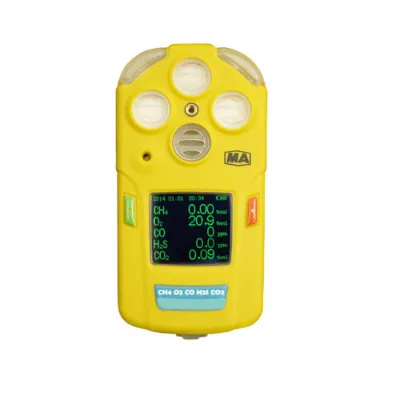

Portable Combustible Gas Detector Hydrogen Gas Detector Flammable Gas Detector
$1500.00 - $2000.00
MOQ: 1 sets


High Sensitivity Portable Single Hydrogen Sulfide (H2S) Gas Monitor Detector
$65.00 - $85.00
MOQ: 1 Pieces


Natural Gas Hydrogen Propane Acetone Ethanol Multi-Gas Detection Portable Gas Detector
$101.45 - $390.35
MOQ: 10 Pieces

Industrial and Commercial Combustible Gas Detector for Hydrogen Gas Leak Detection
$93.91 - $109.57
MOQ: 10 Pieces

Portable H2s Hydrogen Sulfide Gas Detector Durable Battery Leakage Detection
$99.00 - $200.00
MOQ: 1 Pieces

Fast Response Portable H2O2 Hydrogen Peroxide Gas Concentration Detector
$200.00 - $2500.00
MOQ: 1 Pieces

Portable Fast Response H2O2 Hydrogen Peroxide Gas Concentration Level Detector
$499.00 - $10000.00
MOQ: 1 Pieces


Comprehensive Sourcing Guide
Strategic Sourcing Guide for Portable Hydrogen Sulphide Gas Detectors
Understanding the Core Technology and Detection Principles
When sourcing a portable hydrogen sulphide (H2S) gas detector, the first critical step is to understand the underlying detection principles that define the device's accuracy and suitability for specific environments. The market offers several distinct technologies, each with unique strengths and limitations. The most prevalent methods for H2S detection include electrochemical sensors, which are highly specific to the target gas and offer excellent sensitivity at low concentrations. These sensors typically rely on a chemical reaction that generates an electrical current proportional to the gas concentration.
In addition to electrochemical options, some advanced portable units integrate multiple detection principles. A comprehensive device may combine electrochemical sensors with catalytic combustion sensors for flammable gases, infrared (IR) sensors for specific hydrocarbon detection, and photoionization detectors (PID) for volatile organic compounds. The selection of the detection principle directly impacts the device's ability to distinguish H2S from other interfering gases and its overall lifespan. Buyers must verify that the chosen unit specifically lists "Electrochemical" as the primary principle for H2S, as this is the industry standard for toxic gas monitoring. The presence of a built-in calibration program is also a vital feature, ensuring that the sensor remains accurate over time without requiring complex external equipment for routine maintenance.
Technical Specifications and Operational Capabilities
The technical specifications of a portable H2S detector dictate its performance in the field. Key attributes to evaluate include the sampling method, display interface, and power source. Diffusion-type sampling is the most common method for portable units, allowing the gas to naturally enter the sensor chamber without the need for a pump, which keeps the device compact and energy-efficient. However, for applications requiring remote sampling or detection in stagnant air, buyers should verify if the unit supports forced air sampling.
The display interface is another crucial specification. Most modern portable detectors feature an LCD screen that provides real-time concentration readings, battery status, and alarm indicators. The clarity of this display is essential for quick decision-making in high-stress environments. Power supply is equally important; rechargeable lithium batteries are the standard for portable units, offering a balance between weight, capacity, and longevity. Buyers should confirm the battery life and whether the device supports hot-swapping or extended battery packs for long-duration shifts.
Data transfer capabilities have become a standard expectation in modern procurement. Devices equipped with Bluetooth technology allow for wireless data transmission to smartphones or central monitoring systems, facilitating real-time tracking and historical data analysis. This feature is particularly valuable for compliance reporting and safety audits. Furthermore, the alarm system must be robust, typically comprising sound, vibration, and light signals to ensure the user is alerted even in noisy or visually obscured environments. The alarm volume should be verified to meet safety standards, often specified as being audible at a distance of at least one meter.
Compliance, Certification, and Safety Standards
Navigating the complex landscape of certifications is perhaps the most critical aspect of sourcing safety equipment. For a portable H2S detector to be legally compliant in many jurisdictions, it must carry specific certifications. The most common certifications observed in the market include CE (Conformité Européenne) and FCC (Federal Communications Commission), which indicate compliance with European and North American electromagnetic and safety standards, respectively.
In addition to general safety certifications, the device may require specific hazardous area certifications if it is to be used in explosive atmospheres. Look for markings such as "Ex" followed by specific codes like "Ex Ia II CT4 GB" or "Exdib II CT4 GB." These codes indicate the explosion-proof grade and the specific gas groups and temperature classes the device is rated for. The "Ex" designation is non-negotiable for use in oil and gas, chemical processing, or mining environments where flammable gases may be present alongside toxic H2S.
Other relevant certifications include ISO (International Organization for Standardization) and RoHS (Restriction of Hazardous Substances), which ensure the product meets international quality management standards and is free from specific hazardous materials. In some markets, the CCC (China Compulsory Certification) may also be required. Buyers must not assume that a device is certified based on visual inspection alone; the certification documents must be verified against the specific model number. The product origin, such as Qingdao or Nanjing in China, can influence the availability of these certifications, but the presence of the certification mark on the device and its documentation is the primary verification point.
Cost Drivers and Procurement Economics
The price of a portable H2S gas detector is influenced by several factors, including the complexity of the detection technology, the quality of the sensor, and the level of customization required. The observed market price range for these devices can vary significantly, spanning from approximately $59 to $10,000 USD. This wide range reflects the difference between basic single-gas detectors and sophisticated multi-gas units with advanced data logging and communication features.
The minimum order quantity (MOQ) is another economic factor to consider. Suppliers often offer flexible MOQs, ranging from a single unit to ten units, which allows small businesses and large enterprises alike to procure the necessary equipment without excessive inventory costs. However, buyers should be aware that customizations, such as OEM branding or specific software configurations like the "Allred Security Inspection Assistant," may incur additional costs or require higher MOQs.
The total cost of ownership extends beyond the initial purchase price. The sensor life is a major cost driver, with catalytic combustion sensors typically lasting 3 to 5 years and electrochemical sensors lasting 2 to 3 years. The replacement cost of sensors must be factored into the long-term budget. Additionally, the warranty period, often one year for the device and potentially one year for the sensor, provides a buffer against early failures. Buyers should evaluate the supplier's support for sensor replacement and calibration services, as these ongoing costs can significantly impact the overall procurement budget.
Typical Applications and Environmental Suitability
Portable H2S detectors are designed for a wide array of applications, primarily in environments where hydrogen sulphide poses a significant health risk. Common use cases include indoor and outdoor industrial settings, such as oil and gas refineries, chemical processing plants, wastewater treatment facilities, and mining operations. The device's ingress protection rating, such as IP66, indicates its resistance to dust and water jets, making it suitable for harsh outdoor conditions or wet indoor environments.
The explosion-proof grade is particularly relevant for applications involving flammable gases. Devices rated for "Ex Ia II CT4 GB" or similar standards are essential for areas where both toxic and flammable gases may be present. The ability to operate in both indoor and outdoor settings is a key requirement for many industrial buyers, ensuring that the same device can be used for confined space entry, pipeline inspection, and general area monitoring.
Customization is often necessary to meet specific operational needs. Features like the "Allred Security Inspection Assistant" software suggest that some units are tailored for specific security or inspection workflows. Buyers should assess whether the device's language options, such as English and Chinese, align with the operational language of their workforce. The portability of the device, confirmed by its compact dimensions (e.g., 63W x 64H x 43 mm or 66x127x46 mm), ensures that it can be easily carried by workers without hindering their mobility or safety gear.
Supplier Evaluation and Quality Assurance
Selecting the right supplier is as important as selecting the right product. Buyers should prioritize suppliers that offer transparent documentation regarding certifications, sensor life, and warranty terms. The presence of a "Built-in Calibration Program" indicates a supplier's commitment to maintaining device accuracy, which is a strong indicator of quality. Additionally, the availability of OEM support allows companies to brand the devices with their own logos, which can be important for corporate identity and asset tracking.
Quality control measures should be a central part of the supplier evaluation process. Buyers should inquire about the testing procedures used to verify the device's performance, including response time, alarm accuracy, and durability. The sensor warranty, typically one year, serves as a benchmark for the supplier's confidence in their product. It is also essential to verify the supplier's location and logistics capabilities. For instance, suppliers based in Shandong, Qingdao, or Nanjing, China, may offer different lead times and shipping options, which can impact the procurement timeline.
When evaluating suppliers, look for those that provide clear specifications on the detection principle, ensuring it matches the specific requirements for H2S. A supplier that offers a variety of models, such as the PGA01, PGA04, H1600, and H2000, demonstrates a broader product portfolio and the ability to cater to diverse needs. The ability to provide detailed technical data, including output signal types (e.g., Digital Type) and sensitivity levels, is a sign of a professional and reliable supplier.
Long-Term Procurement and Lifecycle Management
Long-term procurement success depends on a strategic approach to lifecycle management. This includes planning for sensor replacements, regular calibration, and eventual device retirement. Given that electrochemical sensors have a lifespan of 2 to 3 years, buyers must establish a schedule for proactive replacement to avoid gaps in safety monitoring. The availability of replacement sensors and calibration services from the supplier is critical for maintaining compliance and safety.
The integration of data transfer capabilities, such as Bluetooth, facilitates long-term data management. This feature allows for the accumulation of historical data, which can be used for trend analysis, regulatory reporting, and improving safety protocols. Buyers should ensure that the software associated with the device, such as the "Allred Security Inspection Assistant," is compatible with their existing IT infrastructure and can be updated as needed.
Finally, the warranty and support terms play a significant role in long-term planning. A one-year warranty on the device and sensor provides a baseline for support, but buyers should explore options for extended warranties or service contracts. The ability to customize the device for specific applications, such as adding specific alarm volumes or display languages, ensures that the equipment remains relevant as operational needs evolve. By focusing on these long-term considerations, buyers can ensure that their investment in portable H2S detectors delivers sustained value and safety.
FAQs
What detection principles are used for H2S?
Electrochemical sensors are the primary principle for H2S detection. Some units also integrate catalytic, infrared, or PID technologies for multi-gas monitoring capabilities.
Can the device be customized for my brand?
Yes, customization is available for these detectors. Suppliers offer OEM support to allow branding and specific software configurations like the Allred Security Inspection Assistant.
Which certifications are required for safety compliance?
Common certifications include CE, FCC, ISO, RoHS, and CCC. For explosive environments, look for specific explosion-proof grades like Ex Ia II CT4 GB or Exdib II CT4 GB.
How long do the sensors typically last?
Sensor life varies by technology type. Catalytic combustion sensors last 3 to 5 years, while electrochemical sensors generally last 2 to 3 years before needing replacement.
What is the minimum order quantity for purchase?
The minimum order quantity ranges from 1 to 10 units. This flexibility allows buyers to procure single items or small batches without excessive inventory costs.
Does the device support wireless data transfer?
Yes, Bluetooth data transfer is a standard feature on many models. This enables wireless transmission to smartphones or central systems for real-time tracking and reporting.
Where are these detectors manufactured?
Products originate from cities like Qingdao, Nanjing, and Shandong in China. These locations influence logistics and certification availability but do not guarantee specific market destinations.
What is the price range for these units?
The observed price range spans from 59 to 10000 USD. Costs vary based on detection complexity, sensor quality, and the level of customization required.