Source Portable Lemon Mouthwash Strip for Travel, Daily Use, and Gifts
Find and compare 30 Portable Lemon Mouthwash Strip options from verified manufacturers. Evaluate features like alcohol-free formulas, natural ingredients, and OEM customization for daily oral cleaning, travel convenience, and promotional gifting.
Key considerations
Products List
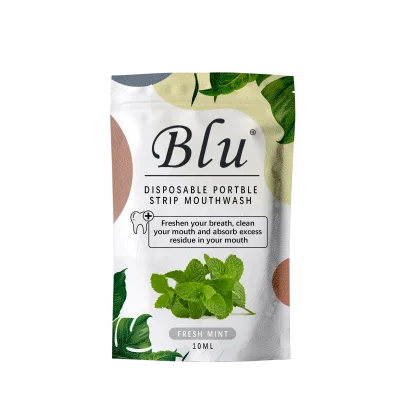
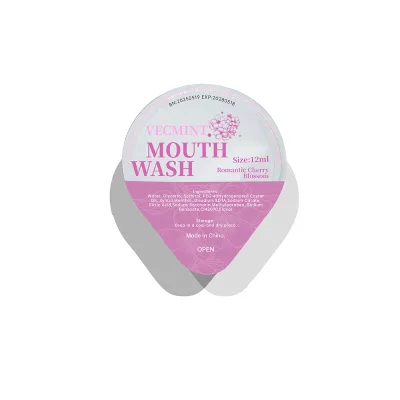
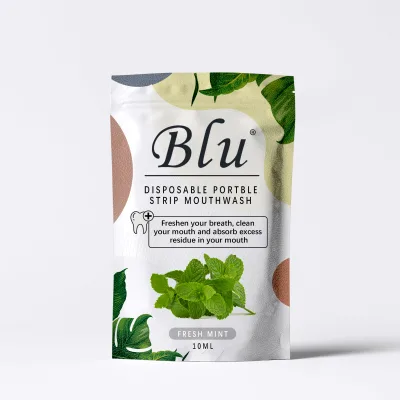


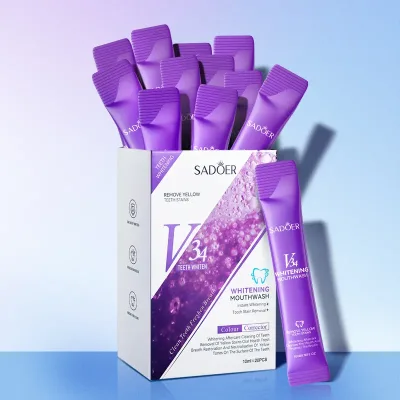
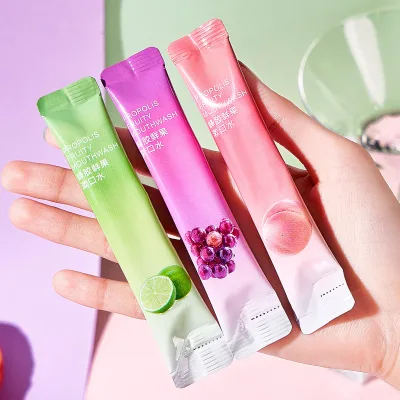
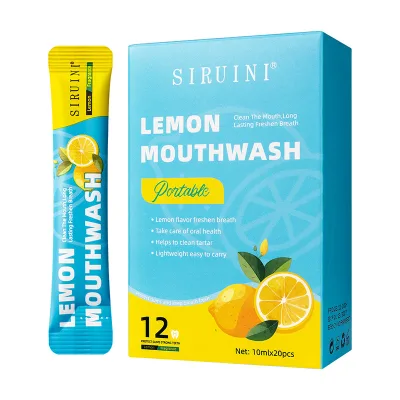
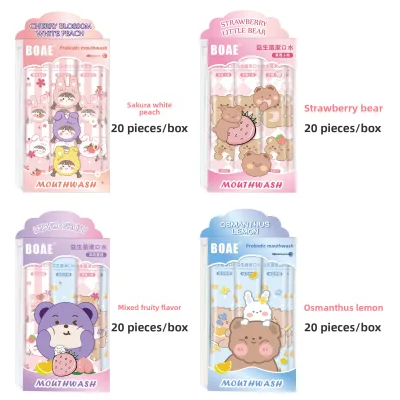
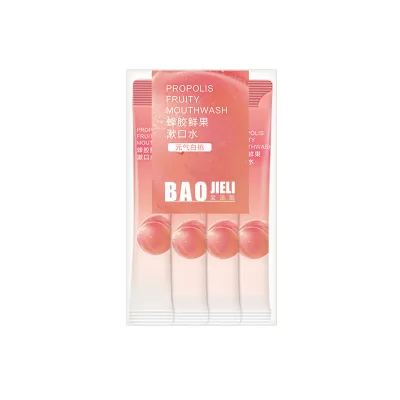


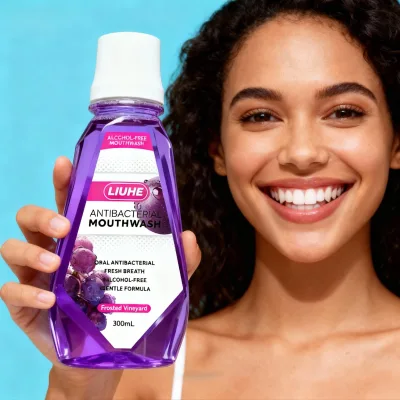
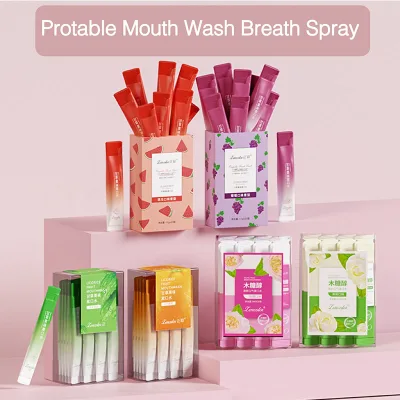

Portable Purple Whitening Alcohol Free Fresh Mint Oral Travel Daily Freshening Mouthwash
$0.67 - $0.75
MOQ: 1340 Pieces

Hot Sale Disposable Portable 10ml Refreshing Mint Flavors Whitening Mint Mouthwash
$0.31 - $0.34
MOQ: 2920 Pieces

Instant Teeth Whitening Mouthwash Remover Liquid Oral Care Wash Bleaching Mouthwash
$0.91 - $1.02
MOQ: 980 Pieces

Private Label Convenient Mint Bee Daily Cleaning Refreshing Convenient Dental Care Mouthwash
$1.03 - $1.15
MOQ: 870 Pieces

Disposable Fruit Flavored Portable Sterilization Fresh Breath Probiotics Wholesale Mouthwash
$0.13 - $0.14
MOQ: 6950 Pieces
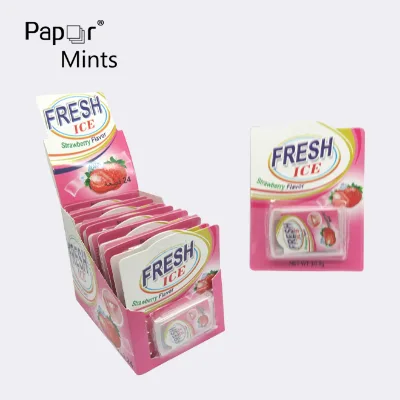
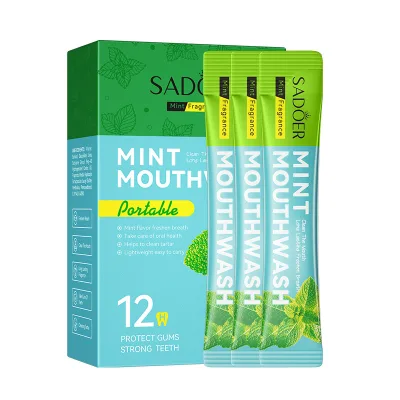
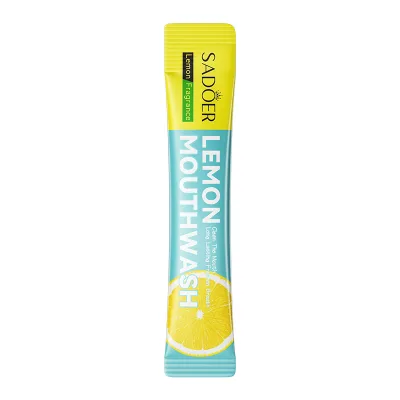


Comprehensive Sourcing Guide
Portable Lemon Mouthwash Strip Sourcing Guide
Sourcing portable lemon mouthwash strips requires a nuanced understanding of the oral care category, where convenience and targeted freshness are paramount. These products represent a specific sub-segment of the broader mouthwash market, focusing on single-use or small-volume formats designed for on-the-go usage. Buyers must distinguish between traditional liquid mouthwashes and these innovative strip or sachet formats, which often leverage different delivery mechanisms for active ingredients. The core appeal lies in the portability and the specific flavor profile, with lemon being a popular choice for its perceived cleansing and refreshing properties. However, the market is diverse, ranging from simple breath fresheners to products with added antibacterial or whitening claims, necessitating careful specification during the procurement process.
The procurement landscape for these items is characterized by a wide variance in product attributes, including volume, ingredient composition, and packaging formats. While the core keyword suggests a lemon-flavored strip, the actual market offerings often include variations such as sachets, small bottles, or even toothpaste-like strips. Buyers should be aware that "strip" may refer to a physical format or simply a unit of sale, such as a sachet containing liquid or gel. Understanding these distinctions is critical for aligning supplier capabilities with brand requirements. The following guide provides a structured approach to evaluating suppliers, verifying technical specifications, and ensuring compliance with safety standards, all while managing cost and commercial terms effectively.
Product Scope and Observed Listing Signals
The observed market signals indicate a broad range of product types under the portable mouthwash category, with volumes ranging from small single-use portions to larger retail sizes. Listings show volumes such as 10ml, 13ml, and 180ml, suggesting that the "strip" format may correspond to the smaller, travel-sized units often packaged in sachets or small bottles. The presence of features like "Disposable," "Portable," and "Alcohol Free" highlights the consumer demand for convenient and gentle oral care solutions. Buyers should note that while the core keyword specifies a lemon flavor, the observed data includes a variety of flavors such as mint, rose, peach, and strawberry, indicating that lemon may be a custom or specific variant rather than the only standard offering.
Furthermore, the ingredient profiles vary significantly, with some products listing natural ingredients, propolis, or chlorine dioxide as active components. This diversity underscores the importance of precise specification when sourcing lemon-flavored strips, as the functional benefits can differ based on the active ingredient. For instance, some products emphasize teeth whitening and plaque removal, while others focus solely on oral refreshing and breath freshening. The packaging details also vary, with options including bulk, bag, box, and sachet formats, which directly impact logistics and shelf-life considerations. Buyers must clearly define whether they require a liquid-filled sachet, a solid strip, or a small bottle to ensure they are evaluating the correct product type from suppliers.
Technical Specifications to Verify
When evaluating technical specifications, buyers should prioritize the verification of volume, ingredient composition, and functional claims. The observed data includes volumes of 10ml and 13ml for portable units, which are typical for single-use formats. It is essential to confirm the exact volume per unit, as this affects both the user experience and the cost per unit. Additionally, the ingredient list should be scrutinized, particularly for the presence of alcohol, which is often excluded in "alcohol-free" products, and the specific active ingredients such as chlorine dioxide or natural extracts. For lemon-flavored strips, the source of the lemon flavoring and the concentration of active ingredients should be clearly defined to ensure consistency and efficacy.
The functional claims associated with these products, such as teeth whitening, plaque removal, and antibacterial properties, must be verified against the actual product formulation. Some listings mention features like "Antiseptic" and "Oral Cleaning," which require specific ingredient concentrations to be effective. Buyers should request detailed product specifications that outline the concentration of active ingredients and the mechanism of action. Furthermore, the shelf life, observed to be around three years for some products, should be confirmed to ensure inventory management aligns with product stability. The model number and type, such as "Anti-Plaque Mouthwash" or "ID Stain Mouthwash," should also be verified to ensure the product meets the intended functional requirements.
Compliance and Safety Documentation
Compliance and safety are critical considerations when sourcing oral care products, particularly those with specific functional claims. Buyers should verify that suppliers hold relevant certifications such as CE, ISO, and GMP, which indicate adherence to quality management and manufacturing standards. These certifications are essential for ensuring that the production process meets international safety and quality benchmarks. Additionally, the product should comply with local regulations in the target market, which may require specific labeling, ingredient disclosures, and safety testing. Buyers should request copies of these certifications and verify their validity with the issuing bodies.
The ingredient list must also be reviewed for compliance with regulatory restrictions, particularly for ingredients like chlorine dioxide, which may have specific usage limits in oral care products. Buyers should ensure that the product formulation does not contain any prohibited substances and that all ingredients are approved for use in the target market. Furthermore, the product should undergo appropriate safety testing, including dermatological and oral safety tests, to ensure it is safe for consumer use. Buyers should request test reports and safety data sheets from suppliers to verify compliance with these requirements.
Cost Drivers and Commercial Terms
Cost drivers for portable mouthwash strips include the volume of the product, the complexity of the packaging, and the customization level. Smaller volumes, such as 10ml or 13ml, may have higher per-unit costs due to the packaging and handling requirements. Customization, such as private labeling or specific flavor formulations, can also increase costs. Buyers should negotiate clear pricing structures that account for these variables, including any setup fees for custom packaging or formulations. The observed MOQ ranges from 3 to 200,000 pieces, indicating that suppliers may offer flexible terms for smaller orders, albeit at higher per-unit costs.
Commercial terms should also include lead times, payment terms, and shipping arrangements. The observed lead time of "available at stock" suggests that some suppliers may have ready-to-ship inventory, which can reduce lead times for urgent orders. However, for customized products, lead times may be longer. Buyers should clarify these terms in the contract to avoid delays and ensure timely delivery. Additionally, the port of dispatch, observed to be Guangzhou, should be considered when calculating shipping costs and lead times. Buyers should also verify the supply ability, observed to be up to 32,000,000 pieces per month, to ensure the supplier can meet large-volume orders.
Supplier Qualification and Quality Control
Supplier qualification involves assessing the manufacturer's capabilities, quality control processes, and track record. Buyers should verify the supplier's production capacity, observed to be up to 3,200,000 pieces per month for some products, to ensure they can meet order volumes. Additionally, the supplier's quality control processes should be evaluated, including their testing procedures for raw materials, in-process checks, and final product inspections. Buyers should request information on the supplier's quality management system and any relevant audits or certifications.
Quality control should also extend to the packaging and labeling processes, ensuring that the final product meets all regulatory and brand requirements. Buyers should verify that the supplier has robust procedures for preventing contamination and ensuring product consistency. Furthermore, the supplier's ability to provide samples should be confirmed, as this allows buyers to evaluate the product quality before placing large orders. Buyers should also establish clear communication channels with the supplier to address any quality issues promptly and effectively.
Long-Term Procurement Checks
Long-term procurement checks involve monitoring supplier performance, product quality, and market trends. Buyers should establish key performance indicators (KPIs) to track supplier reliability, including on-time delivery rates, product quality metrics, and responsiveness to issues. Regular audits and reviews should be conducted to ensure ongoing compliance with quality and safety standards. Additionally, buyers should stay informed about market trends and regulatory changes that may impact the product, such as new ingredient restrictions or consumer preferences for specific flavors or formats.
Continuous improvement should be a priority, with buyers working closely with suppliers to optimize costs, enhance product quality, and introduce new innovations. This may include exploring new flavor profiles, packaging formats, or active ingredients that align with consumer demands. Buyers should also consider diversifying their supplier base to mitigate risks and ensure supply chain resilience. By maintaining a proactive approach to supplier management and market analysis, buyers can secure a competitive advantage in the portable mouthwash market.
FAQs
What is the typical volume for portable mouthwash strips?
The typical volume for portable mouthwash strips is 10ml per strip. Some listings also show 12ml or 13ml options available for travel sizes. These small volumes are designed for single-use convenience and easy portability.
Can I get custom labels for portable mouthwash strips?
Yes, custom labels are available through OEM and ODM private label services. Suppliers accept customized labels to meet specific brand requirements. This allows buyers to create unique products without manufacturing their own facilities.
What flavors are available for portable mouthwash strips?
Available flavors include mint, strawberry, rose, peach, and lemon. Some suppliers also offer aloe, lavender, honey, cucumber, and coconut options. Buyers can select from these diverse flavors to match target consumer preferences.
How fast can I receive portable mouthwash strip orders?
Orders are available at stock for immediate dispatch. The lead time is minimal when items are held in inventory. This ensures quick turnaround for urgent procurement needs without waiting for production cycles.
What certifications do portable mouthwash strip manufacturers hold?
Manufacturers hold CE, ISO, and GMP certifications for their products. These standards ensure quality and safety compliance for oral care items. Buyers can verify these credentials when selecting reliable suppliers for bulk orders.
What is the minimum order quantity for portable mouthwash strips?
Minimum order quantities range from 100,000 to 200,000 pieces depending on the supplier. Some vendors may accept lower MOQs for specific items. Buyers should confirm exact requirements before placing large volume orders.
Where are portable mouthwash strips manufactured?
Portable mouthwash strips are manufactured in Guangdong, China. The port of dispatch is typically Guangzhou for international shipments. This location supports a high supply ability of millions of pieces per month.