Source Portable Lead-Acid Battery Charging Tester for Maintenance
Find 30 portable lead-acid battery charging tester options for industrial maintenance, renewable energy storage, and backup power systems. Compare specifications including voltage ranges, communication interfaces, and safety standards to select the right equipment for your facility.
Key considerations
Products List


DC250-360V Battery Charging Tester Lead-Acid Battery Portable Charger
$1100.00 - $1900.00
MOQ: 1 Pieces

Wide Voltage Battery Charging&Discharging Tester Lead Acid Battery Capacity Tester
$3900.00 - $6200.00
MOQ: 1 Pieces


Storage Battery Charge Tester Lead Acid Battery Charger for DC System
$1000.00 - $6000.00
MOQ: 1 Pieces

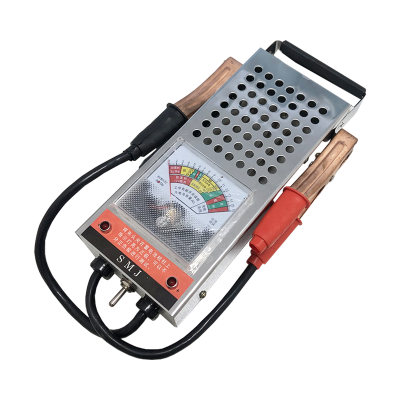


Charge and Discharge for Lead Acid Battery Portable Charging Machine
$1200.00 - $1500.00
MOQ: 1 Pieces


Portable Charge and Discharge Machine for Lead Acid Battery 100V/25A
$1200.00 - $1500.00
MOQ: 1 Pieces




Comprehensive Sourcing Guide
Strategic Sourcing Guide for Portable Lead-Acid Battery Charging Testers
Understanding the Core Product Category and Technical Variability
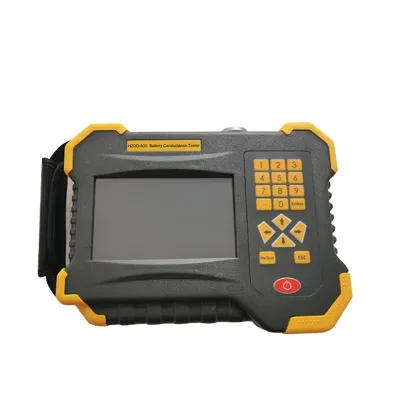
The market for portable lead-acid battery charging testers is characterized by significant technical diversity, driven by the specific operational requirements of different battery chemistries and voltage classes. When sourcing equipment under the core keyword of "portable lead-acid battery charging tester," buyers must recognize that the term encompasses a spectrum of devices ranging from handheld conductance analyzers to heavy-duty charge and discharge stations. The fundamental distinction lies in the intended application: whether the device is designed for rapid health assessment of individual cells or for comprehensive capacity testing of large battery banks.
Based on observed product attributes, the technical landscape includes devices specifically engineered for lead-acid batteries, with support for various voltage configurations including 2V, 6V, and 12V systems. Some units are optimized for specific voltage ranges, such as DC 1.5-16V or DC 88-132V, indicating that a single tester may not be universally applicable across all industrial voltage classes. The maximum measuring voltage for certain portable units can reach up to 1000V, suggesting that high-voltage testing capabilities are available but require careful selection based on the target battery bank voltage.
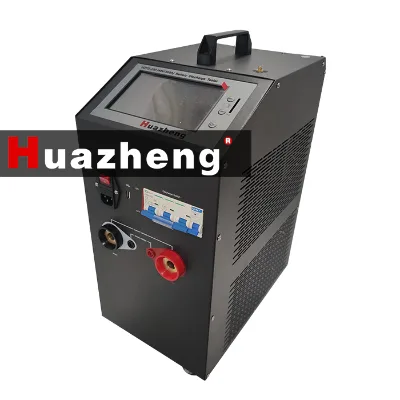
The physical form factor is another critical differentiator. While some units are compact, with dimensions around 220x170x52mm and a weight of 1.1kg, others are significantly larger, measuring 350x400x290mm or 485x230x400mm, with weights ranging from 13kg to 21kg. This variance implies a trade-off between portability and functionality; larger units often house more robust power supplies and cooling systems, such as air cooling, necessary for high-current discharge operations. The power supply requirements also vary, with some portable models utilizing 12V chargeable lithium batteries for true field independence, while others rely on standard 220V 45-65Hz mains power, limiting their mobility to locations with reliable grid access.
Critical Technical Specifications and Performance Metrics
When evaluating potential suppliers, buyers must scrutinize specific technical parameters that define the utility and reliability of the testing equipment. The display interface is a primary indicator of user experience and data accessibility. Modern units frequently feature 7-inch color LCD displays or 5-color touch screens, which facilitate intuitive operation and clear visualization of complex test data. The ability to view real-time graphs and historical data on a large, high-contrast screen is essential for technicians working in variable lighting conditions.
Data connectivity and storage are equally vital for modern procurement strategies. Advanced testers often include PC communication interfaces such as RS485 and USB, allowing for seamless integration with central management systems. The capacity for data storage is another key metric, with some units offering built-in SD card slots with 8GB capacity and support for 16GB USB drives. This ensures that test results can be archived locally without immediate reliance on external servers. Furthermore, the optional function of cell battery monitoring adds a layer of diagnostic depth, enabling the detection of individual cell failures within a battery string.
The discharge and charge capabilities define the tester's ability to simulate real-world load conditions. Discharge current ratings, such as 0-30A, indicate the maximum load the device can apply during a capacity test. The voltage range for charge and discharge operations must align with the specific battery types being tested, whether they are standard 12V storage batteries or specialized 2V cells. Temperature tolerance is another critical specification; operational ranges typically span from -5°C to 50°C, ensuring the device remains functional in diverse environmental conditions, from cold storage facilities to hot outdoor substations.
Compliance, Safety Standards, and Regulatory Verification
Ensuring that the selected equipment meets safety and regulatory standards is a non-negotiable aspect of the procurement process. The supplied data indicates that certain models comply with the EN610950 standard, a critical benchmark for the safety of information technology equipment. Buyers should verify that the specific unit under consideration carries this compliance certification, as it addresses electrical safety, fire hazards, and mechanical risks. It is important to note that while some sources may reference standards such as EN 60622, IEC 60896-21, or IEC 60095, these are background references regarding battery performance rather than direct equipment safety certifications. Therefore, procurement teams must focus on the equipment safety standards explicitly stated for the device, such as EN610950, rather than assuming compliance with battery-specific IEC standards applies to the tester hardware itself.
Safety features often include specific cooling mechanisms, such as air cooling, which prevent overheating during high-current discharge tests. The physical construction of the device, including the use of wooden boxes with foam inside or wooden cages for shipping, suggests that the manufacturer considers the robustness of the unit during transit. However, the operational safety relies heavily on the internal design and adherence to electrical safety norms. Buyers should request documentation confirming that the device has undergone rigorous testing for electrical isolation, over-voltage protection, and thermal management.
Cost Drivers and Economic Factors in Procurement
The pricing of portable lead-acid battery charging testers is influenced by a complex array of factors, including technical complexity, build quality, and the level of customization offered. The observed price range in the market spans from $0.15 to $6,200, a vast disparity that reflects the difference between basic diagnostic tools and sophisticated, high-capacity testing stations. The lower end of this spectrum likely corresponds to simple handheld conductance testers with limited functionality, while the higher end encompasses units with advanced PC communication, large storage capacities, and high-current discharge capabilities.
Minimum Order Quantity (MOQ) is another significant economic variable, with observed ranges from 1 to 10,000 units. This flexibility allows buyers to scale their procurement based on immediate needs, whether for a single pilot project or a large-scale fleet deployment. Customization is a key driver of cost; suppliers offering customized solutions may charge a premium for tailored features, specific branding, or unique interface requirements. The packaging also plays a role in the final cost, with options ranging from simple cartons to heavy-duty wooden cages or boxes with internal foam, which add to the overall unit price but ensure better protection during shipping.
Buyers should also consider the total cost of ownership, which includes maintenance, software updates, and potential calibration costs. Units with advanced communication interfaces and data storage capabilities may require ongoing software licensing or subscription fees, which should be factored into the budget. Additionally, the origin of the product, often cited as Hebei, China, or generally "Made in China," can influence shipping costs and lead times, which are critical variables in the overall procurement equation.
Typical Applications and Operational Scenarios
The versatility of portable lead-acid battery charging testers makes them suitable for a wide range of industrial and commercial applications. The primary application is the testing of lead-acid batteries, which are ubiquitous in telecommunications, data centers, and backup power systems. These devices are essential for maintaining the reliability of Uninterruptible Power Supply (UPS) systems, where the failure of a single battery cell can compromise the entire backup infrastructure.
The ability to test in both charge and discharge regions allows for comprehensive health assessments. In telecommunications, technicians use these testers to verify the capacity of battery banks that support remote base stations, ensuring that the system can withstand power outages. In the automotive and industrial sectors, the testers are used to evaluate storage batteries used in heavy machinery and electric vehicles. The specific support for 2V, 6V, and 12V batteries makes these tools adaptable to various battery configurations found in different industries.
Furthermore, the optional cell battery monitoring function is particularly valuable in large battery banks where individual cell degradation can lead to system-wide failures. By identifying weak cells early, maintenance teams can replace them before they cause a catastrophic failure. The portability of these devices, with weights ranging from 1.1kg to 21kg, allows technicians to move easily between different locations, whether in a confined server room or an outdoor substation.
Supplier Evaluation and Quality Control Protocols
Selecting a reliable supplier requires a rigorous evaluation process that goes beyond the basic product specifications. Buyers should prioritize suppliers who provide clear documentation regarding the safety standards their products meet, specifically looking for explicit mentions of EN610950 compliance. The origin of the product, such as Hebei, China, should be verified to ensure that the manufacturing facility adheres to international quality control standards.
Quality control protocols should be a central part of the supplier evaluation. Buyers should inquire about the testing procedures used during manufacturing, including thermal cycling, electrical stress testing, and durability assessments. The packaging method, such as the use of wooden cages or foam-lined boxes, can serve as an indicator of the manufacturer's attention to detail and commitment to product protection. However, the internal quality is paramount, and buyers should request test reports or certification documents that validate the performance claims of the device.
Communication capabilities are another area to scrutinize. Suppliers offering units with RS485 and USB interfaces should provide clear documentation on the software compatibility and data transfer protocols. The ability to integrate the tester with existing management systems is crucial for large-scale operations. Additionally, the availability of after-sales support, including technical assistance and spare parts, should be considered a key factor in supplier selection.
Long-Term Procurement Considerations and Strategic Planning
For organizations planning long-term procurement of portable lead-acid battery charging testers, strategic planning is essential to ensure sustained operational efficiency. The rapid evolution of battery technology and testing standards means that the equipment purchased today must be capable of adapting to future requirements. Buyers should prioritize devices with modular designs or upgradable software that can accommodate new testing protocols or expanded voltage ranges.
The scalability of the procurement strategy is also important. With MOQs ranging from 1 to 10,000 units, buyers can start with a small pilot program to validate the performance of the equipment before committing to a large-scale deployment. This approach minimizes risk and allows for the identification of any potential issues early in the process. Furthermore, the customization options available from suppliers can be leveraged to tailor the equipment to specific organizational needs, ensuring that the investment delivers maximum value.
Finally, buyers should consider the environmental impact of the equipment and its disposal. The use of durable materials and robust packaging can extend the lifespan of the device, reducing the frequency of replacement and the associated environmental footprint. By focusing on high-quality, compliant, and versatile testing equipment, organizations can ensure the reliability of their battery systems and maintain operational continuity in the face of power challenges.
FAQs
What is the maximum measuring voltage for portable lead-acid battery charging testers?
The maximum measuring voltage can reach up to 1000V for certain portable units. This high-voltage capability allows for testing large battery banks, but buyers must select models specifically rated for their target voltage class to ensure safety and accuracy.
Which power supply options are available for these battery testing devices?
Power supply options include 12V chargeable lithium batteries for field independence or 220V 45-65Hz mains power for stationary use. The choice depends on whether the user requires true mobility or can rely on a stable grid connection at the testing site.
How much data storage capacity do these testers typically offer?
Some units offer built-in SD card slots with 8GB capacity and support for 16GB USB drives. This local storage ensures test results can be archived without immediate reliance on external servers or continuous internet connectivity.
Can these testers operate in extreme temperature environments?
Yes, operational temperature ranges typically span from -5°C to 50°C. This tolerance ensures the device remains functional in diverse conditions, from cold storage facilities to hot outdoor substations, provided the unit is not subjected to temperatures outside this range.
What safety standards do these portable battery testers comply with?
Certain models comply with the EN610950 standard for information technology equipment safety. Buyers should verify this specific certification on the device to confirm it meets electrical safety and fire hazard requirements before deployment.
What communication interfaces are supported for PC connectivity?
Advanced testers often include RS485 and USB interfaces for seamless integration with central management systems. These connections allow for real-time data transfer and remote monitoring of battery health metrics during charge and discharge cycles.
Which battery types are supported by these portable testers?
The devices support lead-acid batteries, including 2V, 6V, and 12V configurations. Some units also handle specific voltage ranges like DC 1.5-16V or DC 88-132V, making them adaptable for various storage battery applications.