Source Portable Medicine Dispenser for Home, Travel, and Clinical Use
Compare 30 Portable Medicine Dispenser options from verified Chinese factories. Evaluate features like injection molding, waterproofing, and custom logo printing to find the right medication organizer for household or clinical needs; compare the available evidence and request quotations based on your requirements.
Key considerations
Products List


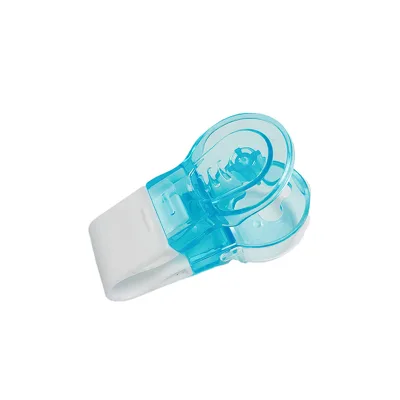
Mini Portable Medicine Dispensing Box a Week Dispenser Storage Box Medicine Box
$1.86 - $2.14
MOQ: 100 Pieces




Comprehensive Sourcing Guide
Portable Medicine Dispenser Sourcing Guide
The Portable Medicine Dispenser market offers diverse solutions ranging from rigid storage boxes to flexible organizers, primarily constructed from durable plastic materials. Buyers should note that observed listings indicate a wide price spectrum, with unit costs potentially ranging from $0.09 to $30,000 depending on complexity and customization levels. This variance suggests that procurement strategies must align closely with specific volume requirements, as minimum order quantities (MOQ) can fluctuate significantly between single units and bulk orders of up to 10,000 pieces.
When evaluating product listings, it is critical to distinguish between general household organizers and clinical-grade medical devices. While many items are designed for adult use in both household and clinical settings, specific models may carry certifications like FDA or ISOCE, which are essential for medical applications. Procurement teams must verify whether a specific listing supports the intended sterilization processes, as some products are marked as sterilizable while others are not, directly impacting their suitability for professional healthcare environments.
Product Scope and Observed Listing Signals
Buyers must carefully assess the physical dimensions and structural hardness of potential dispensers to ensure they meet logistical and usage requirements. Observed specifications include compact sizes such as 2252.6cm or 18x11.5x2.5cm, with hardness levels varying from partial hard to soft and fully hard configurations. These physical attributes dictate the dispenser's portability and durability, requiring buyers to match the product's flexibility and weight, which can range from 7 grams to over 200 grams, against the specific needs of their target user base.
The customization capabilities of these products offer significant flexibility for branding and functional adaptation, with many suppliers offering logo printing and color customization. However, the availability of these features often depends on the specific model and order volume, as some listings indicate logo printing is available while others specify it is not. Procurement teams should verify if the desired customization, such as offset printing or specific packaging like corrugated boxes or OPP bags, is feasible within the supplier's production capabilities and lead time constraints.
Technical Specifications to Verify
Technical verification should begin with the production process and material composition, as most listed items utilize injection molding with plastic materials to ensure consistency and durability. Buyers need to confirm that the manufacturing process supports the required hardness and waterproofing characteristics, as observed data shows a split between waterproof and non-waterproof models. Ensuring the material meets the intended application, whether for general household storage or specific medical usage, is vital for maintaining product integrity during transport and daily use.
Dimensional accuracy and packaging standards are equally critical, with observed models adhering to specific size standards like 11.63.23.5cm for internal dimensions or 23133cm for outer packaging. Procurement teams must verify that the listed specifications match the actual product samples, particularly regarding the weight and capacity, which can vary significantly between models like the JLY-PPB-053 and SL-628. Confirming these technical details prevents mismatches in inventory planning and ensures the final product fits the intended storage or dispensing requirements.
Compliance and Safety Documentation
Compliance verification is paramount when sourcing products intended for medical or clinical applications, as not all plastic dispensers are suitable for sterilization or direct medical use. Buyers must explicitly request documentation for certifications such as FDA or ISOCE, which are observed in some listings but may not apply to every product in the category. Relying on general product descriptions without verified certification documents can lead to regulatory non-compliance, especially when the product is marketed for clinical settings where safety standards are strictly enforced.
Safety documentation should also address the sterilization capabilities of the product, as observed listings indicate that some items are designed for sterilization while others are not. Procurement teams must ensure that the chosen dispenser can withstand the required sterilization methods without degrading the plastic material or compromising the structural integrity of the box. This verification step is essential to prevent product failure in sterile environments and to ensure that the device remains safe for repeated use by patients or healthcare professionals.
Cost Drivers and Commercial Terms
Cost structures for portable medicine dispensers are heavily influenced by customization levels, order volume, and the complexity of the injection molding process. While observed minimum order quantities can be as low as one unit, bulk pricing often requires orders of 1,000 pieces or more, which significantly impacts the per-unit cost. Buyers should analyze the trade-off between lower MOQs and higher unit prices against the benefits of bulk ordering, considering that customization features like logo printing and specific colors may incur additional charges.
Commercial terms regarding delivery and payment are equally critical, with observed lead times typically ranging from 25 to 30 days for production and sample dates often available within 3 to 5 days. Procurement teams must account for these timelines when planning inventory, as delays in production or shipping from ports like Ningbo or Shanghai can disrupt supply chains. Understanding the full scope of delivery dates and sample availability helps in negotiating realistic timelines and avoiding costly delays in product launches or restocking cycles.
Supplier Qualification and Quality Control
Supplier qualification should focus on verifying whether the entity is a direct factory or a trading company, as this distinction affects pricing, communication, and quality control capabilities. Observed data indicates that many suppliers operate as factories, which often allows for better control over the injection molding process and material selection. Buyers should prioritize direct manufacturers when possible to ensure transparency in production standards and to facilitate more effective communication regarding technical specifications and customization requests.
Quality control measures must be established early in the procurement process, particularly regarding the consistency of the injection molding and the accuracy of the final dimensions. Buyers should request pre-production samples to verify that the product matches the specified weight, hardness, and waterproofing characteristics before committing to a large order. Establishing clear quality benchmarks and inspection protocols ensures that the final delivered goods meet the required standards for both household and clinical applications.
Long-Term Procurement Checks
Long-term procurement strategies should include regular audits of supplier performance to ensure consistent adherence to lead times, quality standards, and customization capabilities. Buyers must monitor whether the supplier can consistently meet the 25-30 day delivery window and maintain the quality of the plastic material over multiple production runs. Continuous evaluation helps in identifying potential supply chain risks and ensures that the supplier remains capable of scaling production to meet fluctuating demand without compromising product integrity.
Sustainability and material sourcing are also becoming critical factors for long-term partnerships, with some observed products featuring recycled materials. Procurement teams should inquire about the supplier's commitment to using recycled plastics and their ability to maintain this practice over time. Verifying these sustainable practices not only aligns with corporate social responsibility goals but also ensures that the product remains compliant with evolving environmental regulations and market expectations for eco-friendly medical and household goods.
FAQs
Can I customize the color and logo on portable medicine dispensers?
Yes, customization is available for both color and logo printing. You can choose from customized colors and select between logo printing or no logo options. This flexibility allows you to tailor the product to your brand identity while maintaining the standard plastic construction and injection molding quality.
What certifications do these portable medicine dispensers hold?
These portable medicine dispensers hold ISOCE and FDA certifications. These credentials ensure that the products meet international standards for safety and quality. The plastic material used is suitable for both household and clinical applications, providing reliable storage for medications while adhering to regulatory requirements for medical accessories.
What is the typical lead time for production?
The typical delivery date is normally 25-30 days after order confirmation. Sample dates are normally 3-5 days. This timeline applies to factory production using injection molding processes. Buyers should account for this lead time when planning inventory, especially for bulk orders requiring specific customization or packaging arrangements.
What is the minimum order quantity for these products?
The minimum order quantity is 1000 pieces. This MOQ applies to standard production runs. However, observed ranges indicate that some suppliers may accept orders as low as 1 piece. Buyers should verify the specific MOQ with the manufacturer, as it can vary based on customization requirements and current production capacity.
How are the portable medicine dispensers packed for shipping?
The products are packed in OPP bags individually and then placed in corrugated boxes or cartons for bulk shipping. This packaging method protects the plastic dispensers during transit. The packing specifications ensure that the items remain clean and undamaged, which is essential for products intended for household or clinical use.
Where are these portable medicine dispensers manufactured?
These products are manufactured in China, with origins in Shanghai and Guangzhou. The Ningbo or Shanghai ports are used for shipping. As factory-direct products, they leverage local manufacturing capabilities for injection molding. Buyers can expect consistent quality and competitive pricing due to the direct factory sourcing from these Chinese industrial hubs.