Source Die Cast Alloy Motorcycle Emblem for Auto Parts, Gifts, and Decor
Find 30 Die Cast Alloy Motorcycle Emblem options from verified Chinese manufacturers. Buyers can compare specifications like material, plating, and customization for auto parts, souvenirs, and decorative applications.
Key considerations
Products List


New Design Custom Zinc Die Cast Hard Enamel Plating Gold Emblem Badge for Auto
$0.45 - $1.00
MOQ: 100 Pieces


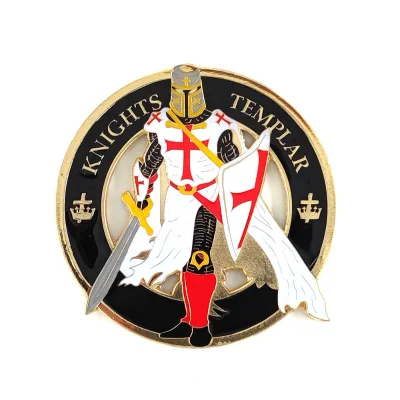
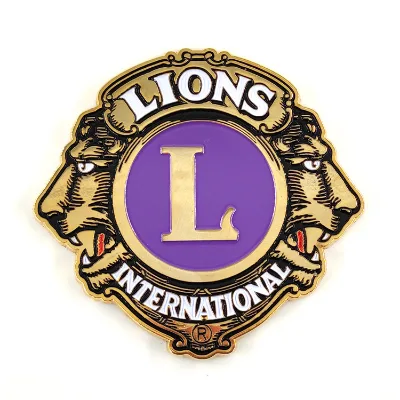
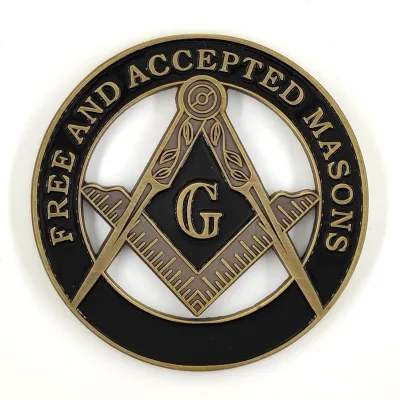
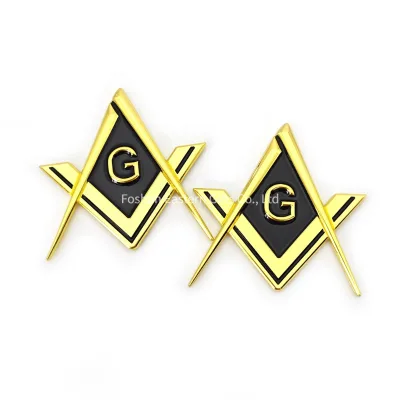
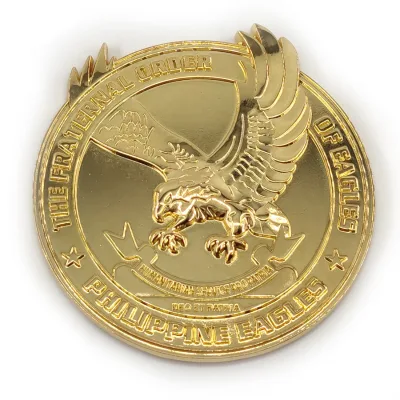
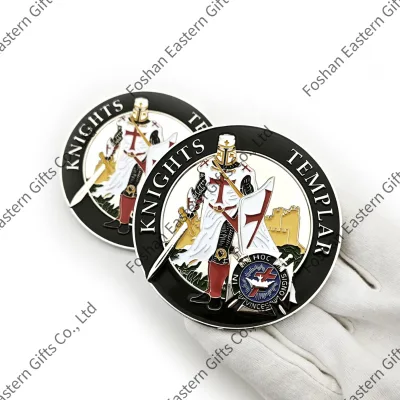

Customized Zinc Die Cast Hard Enamel Car Badge Fashion Zinc Alloy Diecasting Pin Badge
$0.50 - $2.00
MOQ: 1 Pieces


Comprehensive Sourcing Guide
Strategic Sourcing Guide for Die Cast Alloy Motorcycle Emblems
Understanding the Technical Landscape of Die Cast Alloy Components
When sourcing die cast alloy motorcycle emblems, buyers must first distinguish between the specific manufacturing processes and material compositions that define product viability. The core keyword "Die Cast Alloy Motorcycle Emblem" points to a niche where precision, aesthetic finish, and material durability intersect. Based on available industry data, the primary manufacturing technique identified is Precision Die Casting, often executed using Hot Chamber Die Casting Machines. This process is particularly suited for high-volume production of complex shapes, such as the vertical pressure chamber structures observed in specific product lines. The material composition is a critical differentiator; while some listings specify Zinc Alloy as the primary metal, others broadly categorize the material simply as Metal, indicating a potential variance in alloy formulations depending on the supplier's specific capability.
The dimensional tolerance of these components is a vital technical specification. Observed data indicates a Tolerance Grade of 6, which suggests a standard level of precision suitable for automotive applications where fitment is paramount. The physical dimensions of these emblems can vary significantly, with observed ranges spanning from 1mm to 1000mm. This wide spectrum implies that buyers must be precise in their requirements, as a 1mm component requires vastly different tooling and handling than a 1000mm piece. Furthermore, the surface treatment processes are essential for the final aesthetic and protective qualities. Common treatments include Plating Chrome, Plating Gold, Plating Brass, and finishes such as Antique Gold or Antique Nickel. The choice of plating directly impacts the visual appeal and corrosion resistance of the emblem, which is critical for motorcycle parts exposed to the elements.
Compliance, Certification, and Quality Standards
In the B2B procurement of automotive accessories, verifying compliance and certification is not merely a formality but a risk mitigation strategy. The supplied data highlights ISO 9001:2008 and ISO9001 as the primary quality management standards associated with these products. Buyers should verify that their potential suppliers hold current, valid certifications, as the specific year (2008) noted in some records may indicate legacy documentation that requires validation against newer ISO standards. Additionally, while some product descriptions mention "Customer Designs" as a standard, this typically refers to the flexibility of the design process rather than a regulatory compliance standard.
It is crucial to note that while some background information mentions EN71, this standard is generally associated with toy safety and is not typically a primary requirement for motorcycle emblems unless the product is marketed specifically as a children's toy or souvenir with specific safety constraints. Therefore, procurement teams should not assume EN71 compliance is inherent to motorcycle emblems without explicit confirmation from the supplier. Instead, the focus should remain on the ISO 9001 certification, which validates the supplier's quality management system. For automotive applications, buyers should also inquire about specific automotive industry standards (such as IATF 16949) that may not be explicitly listed in general product descriptions but are often held by reputable manufacturers. The absence of specific test results in the provided data means that buyers must request third-party test reports for material composition, salt spray resistance for plating, and tensile strength to ensure the emblem meets the rigorous demands of motorcycle environments.
Cost Drivers and Pricing Dynamics
The cost structure for die cast alloy motorcycle emblems is influenced by a complex interplay of material costs, tooling expenses, and production volume. The observed price range in the market spans from $0.10 to $100.00 USD. This wide disparity is not indicative of a single product type but rather reflects the variance in size, complexity, and finishing requirements. A small, simple zinc alloy badge may fall at the lower end of this spectrum, while a large, multi-faceted emblem with complex plating and custom tooling will command a price at the higher end.
Material costs are a primary driver. Zinc alloy is a common choice due to its fluidity and ability to capture fine details, but the specific alloy grade and the cost of the plating metals (chrome, gold, nickel) will fluctuate with global commodity markets. Tooling costs represent a significant upfront investment. Since the production method involves Precision Die Casting, the creation of the die (mold) is a specialized process. Buyers should anticipate that custom designs will incur higher initial tooling fees, which can be amortized over larger production runs. The Minimum Order Quantity (MOQ) observed ranges from 1 to 500 units, with specific listings showing an MOQ of 100 PCS. Higher MOQs generally result in a lower unit price due to the amortization of setup costs. However, buyers seeking small batches must be prepared for a higher per-unit cost or may need to source from suppliers offering "ready-to-ship" inventory of standard designs.
Typical Applications and Design Variations
Die cast alloy emblems serve diverse functions beyond simple branding. The data indicates applications ranging from "Auto Parts" and "Car Emblem" to "National Emblem" and "Souvenirs." For motorcycle enthusiasts, these components often function as decorative badges, brand identifiers, or commemorative items. The "Type" attribute lists "Car Emblem" and "National Emblem," suggesting that the same manufacturing process is used for various automotive and symbolic applications. The "Usage" field explicitly mentions "Gift, Decoration, Souvenirs," highlighting the dual nature of these products as both functional automotive parts and collectible items.
Design variations are extensive. The "Shape" is noted as "Round," but the "Feature" attribute includes "Magnetic, Flashing, 3D," indicating that modern emblems can incorporate advanced features. Some products are designed with a "Wearing Way" of "Breast" and an "Attachment" of "Butterfly Clutch," suggesting versatility in how the emblem is mounted or worn, which could be relevant for custom motorcycle gear or promotional merchandise. The "Technics" listed as "Die Casting & Stamping" imply that some emblems may combine casting for the base with stamping for finer details or text. The "Logo" options, including "Soft Enamel, Imitation Hard Enamel, Hard Enamel," show that the final aesthetic can be customized through different filling techniques, allowing for a wide range of color and texture options.
Supplier Evaluation and Production Capabilities
Evaluating a supplier for die cast alloy emblems requires a deep dive into their technical capabilities and operational transparency. The "prod_origin" is consistently listed as "China," which is a major hub for die casting but necessitates careful vetting of logistics and communication. Buyers should verify the supplier's specific machinery, such as the "Hot Chamber Die Casting Machine Type," to ensure they have the appropriate equipment for the desired alloy and part complexity. The "Casting Surface Quality Level" certification mentioned in the data suggests that some suppliers adhere to specific surface finish standards, which should be a point of verification.
Production timelines are another critical evaluation metric. The data shows a "Sample" time ranging from 8 to 10 days and "Mass Production" times between 14 and 16 days. These timelines are relatively tight, indicating efficient operations, but buyers must confirm if these times include shipping or are strictly manufacturing durations. The "Shipping Ways" listed as "FedEx/DHL/UPS, etc." suggest that suppliers are accustomed to international logistics, but buyers should clarify who bears the cost and responsibility for shipping. Additionally, the "Customization" attribute is marked as "Available" and "Customized," confirming that suppliers are capable of handling bespoke orders. However, the "prod_packing" varies from "Carton Box with Wooden Case" to "Plastic Bag" and "Bubble Bag," indicating that packaging standards are not uniform. Buyers must specify their packaging requirements to prevent damage during transit, especially for delicate plated surfaces.
Quality Control and Long-Term Procurement Considerations
Ensuring consistent quality in die cast alloy emblems requires a robust quality control (QC) framework. The "Tolerance Grade 6" is a specific metric that must be verified through dimensional inspection of sample parts. Buyers should request a detailed inspection report that includes measurements of critical dimensions against the 1mm-1000mm range specifications. The "Surface Treatment" of plating is a common point of failure; therefore, QC protocols must include salt spray testing to verify the durability of the Chrome, Gold, or Brass plating. The "Feature" attributes like "Magnetic" or "Flashing" require functional testing to ensure they operate as intended.
Long-term procurement considerations involve establishing a reliable supply chain that can scale with demand. The "Mass Production" lead times of 14-16 days suggest that suppliers can handle moderate volumes, but buyers should assess the supplier's capacity for larger orders. The "MOQ" of 100 PCS is a reasonable starting point for most businesses, but for long-term contracts, buyers should negotiate volume discounts and flexible MOQ adjustments. The "Brand" attribute listed as "Copper" in some contexts may refer to the material or a specific brand name; buyers should clarify this to avoid confusion with the actual material composition. Finally, the "Age" of the product being "Modern" indicates that the designs are current, but buyers should ensure that the supplier can maintain design consistency over time, especially if the emblem is a key part of a brand's identity.
Comparative Analysis of Product Attributes
To assist in decision-making, the following table summarizes key product attributes observed in the market for die cast alloy motorcycle emblems. This comparison highlights the variability in specifications that buyers must navigate.
| Attribute Category | Observed Specification A | Observed Specification B | Observation C |
|---|---|---|---|
| Material | Zinc Alloy | Metal (General) | Verify specific alloy grade |
| Process | Precision Die Casting | Die Casting & Stamping | Check for combined techniques |
| Surface Treatment | Plating Chrome | Plating Gold/Nickel | Confirm plating thickness |
| Dimension Range | 1mm - 1000mm | 25mm (Specific Standard) | Define exact size requirements |
| Tolerance | Grade 6 | Not Specified | Request tolerance report |
| Packaging | Carton Box with Wooden Case | Plastic Bag / Bubble Bag | Specify packaging needs |
| Certification | ISO 9001:2008 | ISO9001 | Verify current validity |
| Lead Time (Sample) | 8 - 10 Days | 10 Days | Confirm sample approval process |
| Lead Time (Production) | 14 - 16 Days | 15 Days | Check for rush order options |
| MOQ | 100 PCS | 1 - 500 PCS | Negotiate based on volume |
This table underscores the importance of clear communication. While some attributes like "ISO9001" appear consistently, others like packaging and specific dimensions vary widely. Buyers must use these observations as a checklist for supplier inquiries rather than assuming uniformity across all products. By rigorously applying these criteria, procurement teams can secure high-quality die cast alloy motorcycle emblems that meet both functional and aesthetic standards.
FAQs
What materials are used for die cast alloy motorcycle emblems?
Zinc alloy is the primary material used for these emblems, though some listings specify general metal. The choice of material impacts the fluidity and detail capture during the precision die casting process.
Which certifications do manufacturers typically hold for these parts?
Manufacturers commonly hold ISO 9001:2008 or ISO9001 certifications to validate their quality management systems. Buyers should verify current validity as some records may reference legacy documentation rather than the latest standards.
How long does it take to produce custom die cast emblems?
Sample production typically takes 8 to 10 days, while mass production requires 14 to 16 days. These timelines reflect efficient operations but exclude shipping duration and depend on order complexity.
Can I customize the size and surface finish of the emblem?
Yes, dimensions range from 1mm to 1000mm and surface treatments include chrome, gold, or nickel plating. Customization is available for specific shapes and finishes like antique gold or antique nickel.
What is the minimum order quantity for these motorcycle emblems?
The minimum order quantity ranges from 1 to 500 units, with some specific listings requiring 100 pieces. Higher volumes generally reduce the unit price by amortizing tooling costs over the production run.
How are these emblems packaged for international shipping?
Packaging varies from plastic bags and bubble bags to carton boxes with wooden cases. Buyers must specify packaging requirements to ensure delicate plated surfaces are protected during transit.