Source Portable Mini Stand Water Dispenser for Offices, Homes, and Events
Find and compare 30 Portable Mini Stand Water Dispenser options for offices, homes, and events. Review specifications like heating power, cooling capacity, and certifications to select the right unit for your needs.
Key considerations
Products List




Comprehensive Sourcing Guide
Portable Mini Stand Water Dispenser Sourcing Guide
Sourcing a Portable Mini Stand Water Dispenser requires a careful balance between compact design efficiency and reliable thermal performance. These units are typically designed for environments where space is at a premium, such as small offices, hotel rooms, or compact residential kitchens. The core challenge for buyers lies in distinguishing between simple passive cooling units and active electronic or compressor-based systems, as the operational mechanics significantly impact energy consumption, noise levels, and cooling capacity. Understanding these mechanical differences is the first step in aligning product selection with specific user expectations and facility constraints.
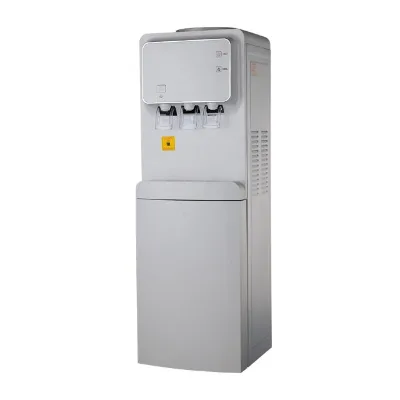
The market offers a variety of configurations, ranging from desktop models to floor-standing units, each serving distinct logistical and ergonomic needs. Buyers must evaluate whether the dispenser needs to handle both hot and cold water or if a single-temperature function suffices for the intended use case. Additionally, the physical footprint and installation method—whether it sits on a counter or stands independently—dictate the compatibility with existing furniture and workflow layouts. This guide provides a structured approach to evaluating these variables based on observed market data and technical realities.
Product Scope and Observed Listing Signals
The current market landscape for portable mini stand water dispensers reveals a wide spectrum of capabilities, primarily defined by their cooling mechanisms and thermal output. Listings indicate a price range from approximately $0.14 to $999, reflecting the disparity between basic plastic housing units and more complex systems with compressor cooling. A critical observation is the variation in heating and cooling power; for instance, some models feature a heating power of 500W, while cooling power can range from 65W for electronic cooling systems to 90W for compressor-based units. These power ratings are direct indicators of the unit’s ability to maintain temperature stability under load, which is a primary decision factor for procurement teams.
Cooling capacity further differentiates these products, with observed outputs ranging from 0.75L/H to 2L/H depending on the ambient temperature and cooling method. Electronic cooling units, often associated with lower power consumption and quieter operation, typically deliver around 0.75L/H with a capacity constraint of less than 15 degrees Celsius temperature drop. In contrast, compressor cooling models can achieve higher outputs, such as 2L/H, with a more robust temperature reduction range of 4-12 degrees Celsius. Buyers should note that these figures are observational data points from specific models and may vary based on environmental conditions; therefore, verifying the actual performance under real-world operating conditions is essential before finalizing orders.
Technical Specifications to Verify
When evaluating technical specifications, the first priority is confirming the installation type and physical dimensions to ensure compatibility with the deployment site. Observed models include both desktop and floor-standing installations, with standard dimensions varying significantly. For example, one observed floor-standing model measures 3353251005 mm, while a desktop variant might measure 310260430 mm. Another compact model is listed with dimensions of 29.13448 cm. These dimensional differences directly impact storage requirements and floor space utilization. Procurement teams must verify that the chosen model fits within the designated area, accounting for necessary clearance for ventilation and water bottle replacement.
The type of water dispensing and internal configuration is another critical technical aspect. Products are categorized by their type, such as "Hot & Cold" or "Cold" only, and their design purpose, such as storage or common usage. Some units are designed for food usage with a single layer, while others may support multiple layers or specialized packaging. It is also vital to check the net and gross weight, as observed data indicates weights around 13/14 kg for certain models, which affects shipping costs and ease of installation. Buyers should request detailed technical datasheets that confirm the internal plumbing materials, the type of water bottle compatibility (e.g., 5-gallon vs. smaller cartridges), and the specific electrical requirements for the target market.
Compliance and Safety Documentation
Compliance with regional safety and environmental standards is non-negotiable for electrical appliances, particularly those involving heating elements and high-voltage components. Observed listings frequently cite certifications such as CE, SASO, EMC, RoHS, and CB. The presence of CE marking indicates conformity with health, safety, and environmental protection standards for products sold within the European Economic Area. Similarly, RoHS certification ensures that the product is manufactured without specific hazardous materials, which is increasingly important for sustainable procurement policies. Buyers must verify that the certificates provided are valid, issued by accredited bodies, and applicable to the specific model and manufacturing location, as certifications are often model-specific rather than company-wide.
Beyond electrical safety, documentation should include evidence of electromagnetic compatibility (EMC) and, where applicable, regional standards like SASO for the Middle East. These certifications protect the buyer from liability issues and ensure that the product does not interfere with other electronic devices in the vicinity. It is crucial to request copies of the test reports associated with these certifications, not just the certificate itself, to verify that the testing was conducted on the exact product being sourced. Additionally, buyers should inquire about the warranty terms, with observed data suggesting a standard 12-month warranty for many models, and clarify the scope of coverage, including whether it covers parts, labor, and shipping costs for replacements.
Cost Drivers and Commercial Terms
The cost structure of portable mini stand water dispensers is influenced by several key factors, including the cooling technology, material quality, and customization options. Compressor-based units are generally more expensive due to the complexity of the refrigeration system and higher component costs, whereas electronic cooling units offer a more budget-friendly alternative with lower power consumption. The housing material, typically plastic, can vary in quality and thickness, affecting durability and aesthetic appeal. Customization options, such as OEM/ODM services, color variations, and logo printing, often incur additional setup fees and higher minimum order quantities (MOQs). Buyers should assess whether the benefits of customization justify the increased cost and logistical complexity.
Commercial terms, including MOQ and packaging, play a significant role in the total landed cost. Observed MOQs range from 1 to 10,000 pieces, with some models requiring a minimum of 100 PCS. Packaging details, such as "1 Piece Per Master Carton Package" or standard carton packaging, impact shipping efficiency and potential damage rates. Buyers should negotiate packaging solutions that optimize container space to reduce freight costs while ensuring adequate protection during transit. Furthermore, after-sales service provisions, such as the availability of free spare parts, can reduce long-term maintenance costs. It is advisable to clarify the lead times for production and shipping, as well as the payment terms, to manage cash flow and inventory levels effectively.
Supplier Qualification and Quality Control
Supplier qualification is a critical step in mitigating supply chain risks, particularly when sourcing from regions like Ningbo, China, which is a known hub for such manufacturing. Buyers should verify the supplier’s business license, manufacturing capabilities, and export history. Given that OEM/ODM services are commonly accepted, it is important to assess the supplier’s ability to maintain quality consistency across customized orders. Requesting samples before placing bulk orders is essential to evaluate build quality, operational noise, and cooling/heating performance. These samples should be tested under conditions that mimic the end-user environment to identify any potential issues early in the sourcing process.
Quality control protocols should be clearly defined in the purchase agreement. This includes specifying inspection points during production, such as raw material checks, assembly line inspections, and final random inspections (FRI). Buyers should consider hiring third-party inspection agencies to conduct these checks, ensuring that the products meet the agreed-upon specifications and quality standards. Additionally, suppliers should provide a clear process for handling defective units, including return policies and replacement procedures. Establishing a strong relationship with the supplier based on transparency and mutual accountability can lead to better pricing, priority production, and improved support for future orders.
Long-Term Procurement Checks
Long-term procurement success depends on establishing robust mechanisms for ongoing performance monitoring and supplier relationship management. Buyers should implement a system for tracking product performance in the field, including failure rates, customer feedback, and maintenance requirements. This data can be used to negotiate better terms with suppliers, request product improvements, or switch to alternative models if necessary. Regular communication with the supplier regarding market trends, new technologies, and regulatory changes ensures that the sourced products remain competitive and compliant over time.
It is also important to review and update the supplier qualification criteria periodically. This includes re-verifying certifications, assessing financial stability, and evaluating the supplier’s responsiveness to issues. Buyers should maintain a diversified supplier base to mitigate risks associated with single-source dependencies. Finally, staying informed about changes in international trade regulations, tariffs, and shipping logistics is crucial for managing costs and ensuring timely delivery. By adopting a proactive and data-driven approach to procurement, buyers can secure a reliable supply of high-quality portable mini stand water dispensers that meet their operational and strategic objectives.
FAQs
What certifications do portable mini stand water dispensers have?
These units typically carry CE, SASO, and EMC certifications. Some models also include RoHS and CB marks to ensure compliance with international safety and environmental standards for electrical appliances.
How is the cooling power specified for these dispensers?
Cooling power varies by model, ranging from 65W for electronic cooling to 90W for compressor cooling systems. The capacity also differs, with some units producing 0.75L/H while others reach 2L/H.
Can I customize the design and packaging of the product?
Yes, customization is available for both design and packaging. Manufacturers accept OEM and ODM requests, allowing buyers to specify features like color, size, and packing methods such as single cartons or master cartons.
What is the minimum order quantity for these dispensers?
The minimum order quantity ranges from 1 piece up to 10,000 pieces depending on the supplier and specific model. Some standard models may require a batch of 100 pieces to initiate production.
Where are these portable mini stand water dispensers manufactured?
The products originate from Ningbo, China. This location serves as the primary production hub for these units, ensuring efficient logistics and supply chain management for international buyers.
What warranty and after-sales service are provided?
A standard warranty of 12 months is typically offered for these units. After-sales support includes free spare parts to ensure long-term functionality and customer satisfaction with the purchased equipment.