Source Portable Mini Jewelry Setting Jig for Rings, Necklaces, and Bracelets
Compare 30 listings for the Portable Mini Jewelry Setting Jig, featuring stainless steel and alloy options with custom sizes and logo printing. Buyers can evaluate specifications like tolerance, packaging, and delivery times from suppliers in China and Taiwan.
Key considerations
Products List


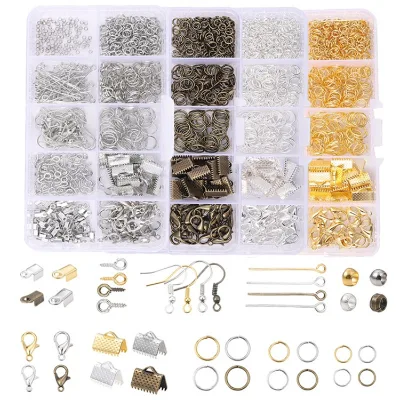
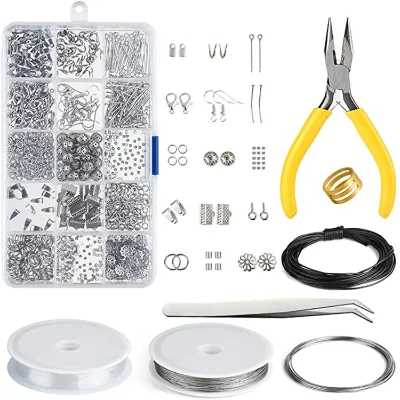
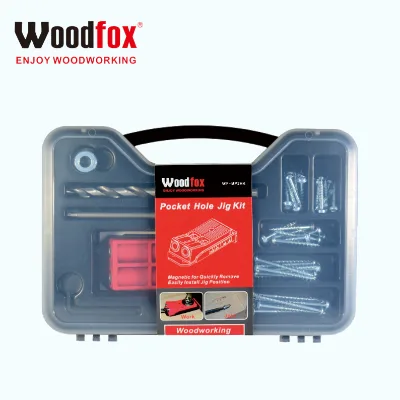
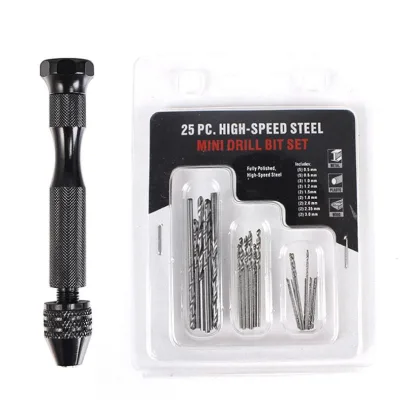
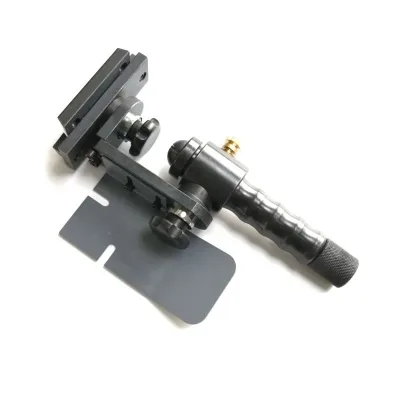
High Quality Jewelry Tools Universal Ring Holder Benchmate Setter Basic
$129.00 - $160.00
MOQ: 2 pieces
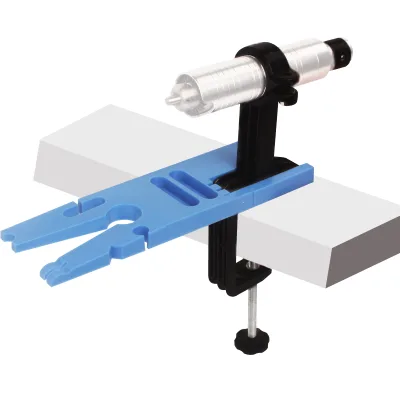
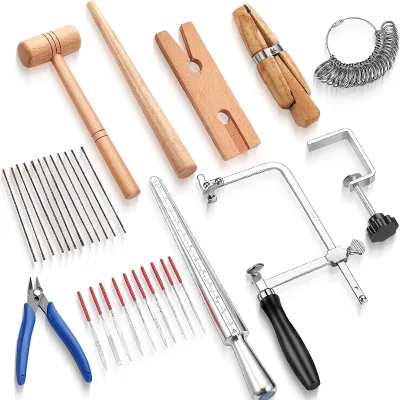
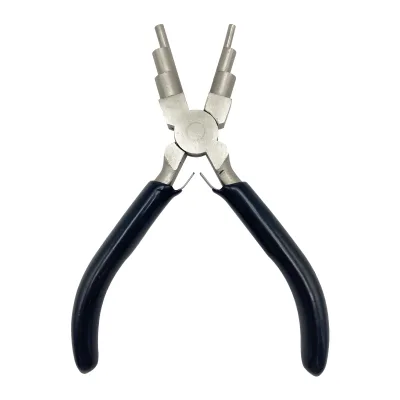
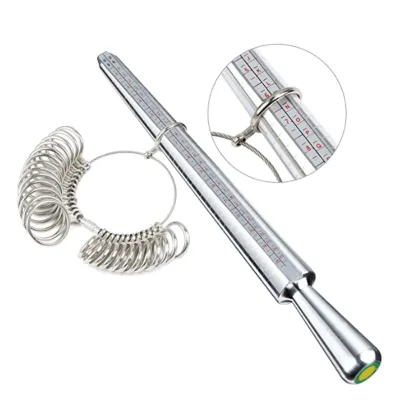
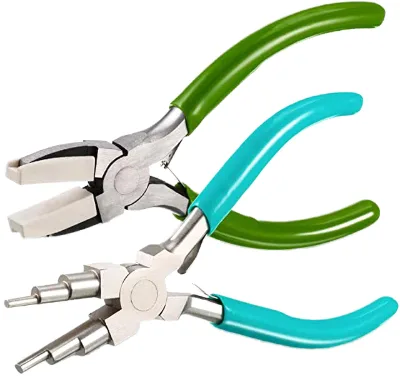
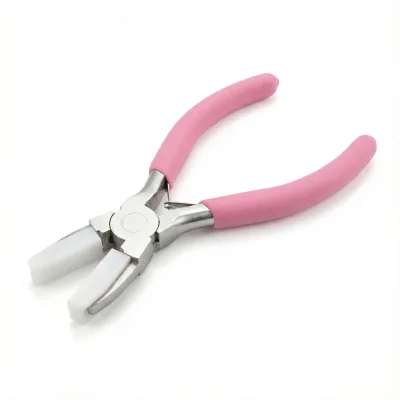

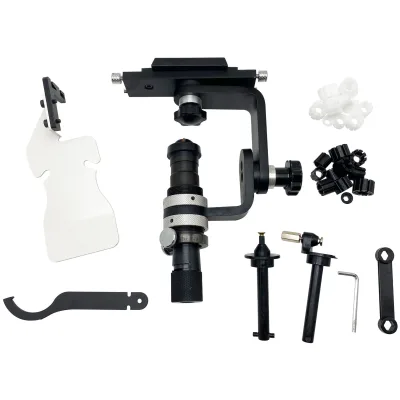
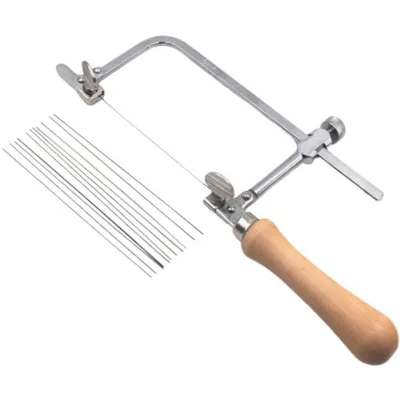
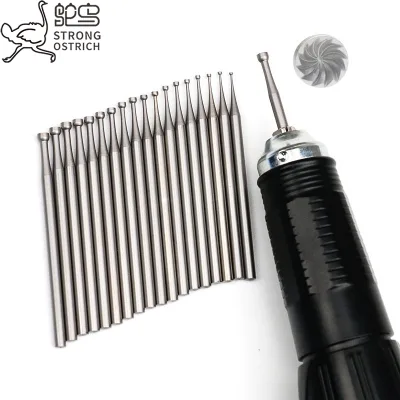
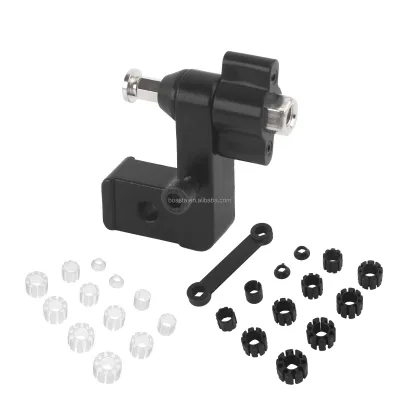
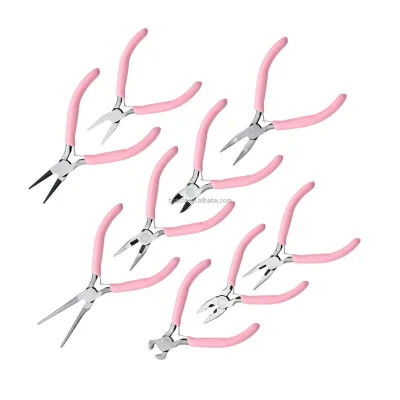
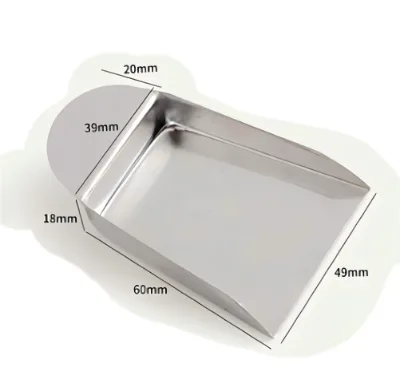
Comprehensive Sourcing Guide
Strategic Sourcing Guide for Portable Mini Jewelry Setting Jigs
Understanding the Product Category and Technical Specifications
When sourcing a Portable Mini Jewelry Setting Jig, buyers must first distinguish between general sheet metal fabrication tools and specialized jewelry findings or setting equipment. The market presents a diverse array of products under this keyword, ranging from heavy-duty industrial jigs to compact, DIY-oriented tool sets. Based on available product data, the term "Portable Mini Jewelry Setting Jig" often overlaps with categories such as "Jig & Fixture" and "DIY Jewelry Findings Tools Set." These items are frequently constructed from materials like stainless steel or alloy, selected for their durability and resistance to corrosion during repetitive use.
Technical specifications are critical when evaluating these tools. For industrial-grade jigs, tolerance levels are often specified with high precision, such as +/-0.2mm, ensuring that the setting process yields consistent results for metal components. In contrast, mini tool sets designed for hobbyists or small-batch production may prioritize versatility over extreme precision. The physical dimensions of these tools vary significantly; some compact sets measure approximately 15x8x3 cm, while others designed for larger components or specific assembly tasks may reach 30x10x4 cm. The weight is another key factor for portability, with some units weighing as little as 0.100 kg to 0.150 kg per box, making them highly transportable for on-site work or travel.
The application scope is equally varied. While some jigs are explicitly marketed for "various sheet metal fabrication," others are tailored for specific jewelry-making tasks such as necklace, bracelet, earring, and ring making. The "prod_model" identifiers in the market, such as SW-Jig or Wf-MP2HK, suggest a highly fragmented product landscape where models are often customized or region-specific. Buyers should verify whether the jig's intended use aligns with their specific manufacturing needs, as a tool designed for loose beads or crystal settings may not be suitable for heavy metal sheet work. The shape of the product, often described as "as shown in the picture" or "irregular," indicates that form follows function, and visual inspection or detailed dimensioning is essential before purchase.
Compliance, Certification, and Material Standards
Navigating the compliance landscape for portable mini jewelry setting jigs requires a careful review of the certifications and standards associated with the supplier. The supply chain for these tools is predominantly rooted in China, with specific manufacturing hubs identified in Zhejiang, Guangdong, and occasionally Taiwan. This geographic concentration influences the availability of specific certifications. High-confidence data indicates that many suppliers possess ISO 9001 certification, which is a standard for quality management systems. Additionally, ISO 14001, relating to environmental management, is frequently cited, suggesting that reputable manufacturers are increasingly addressing sustainability in their production processes.
Beyond general management certifications, product-specific certifications such as SGS are observed in the market. These third-party inspections provide a layer of assurance regarding the material composition and safety of the tools. For instance, the presence of an "EGL" certificate type suggests that specific gemstone or metal components, if included in the set, may have been graded or verified by a recognized body. However, buyers must exercise caution; the presence of a certification on a product listing does not guarantee that every unit in a batch meets that standard. It is imperative to verify the validity of these certificates with the issuing body and ensure they apply to the specific model being procured.
Material standards also play a pivotal role in compliance. While some products are described as having a "customized" standard, others adhere to established international or regional standards such as EN (European Norms) or GB (Chinese National Standards). The material composition, often listed as stainless steel or alloy, must be verified to ensure it meets the necessary hardness and corrosion resistance requirements for the intended application. For jewelry applications involving plating, such as 925 silver plating, the underlying material must support the plating process without degrading. Buyers should request material test reports or mill certificates to confirm that the stainless steel or alloy used matches the claimed specifications, particularly if the tools will be used in environments requiring strict hygiene or chemical resistance.
Cost Drivers and Pricing Structures
The pricing structure for portable mini jewelry setting jigs is influenced by a complex interplay of factors, including material costs, customization levels, and order volume. The observed price range in the market is exceptionally broad, spanning from $0.20 to $1,000 USD. This wide variance reflects the difference between simple, mass-produced DIY tool sets and complex, custom-engineered industrial fixtures. A basic set containing loose beads, jump rings, and a small jig might fall at the lower end of this spectrum, while a fully customized stainless steel jig with high-precision tolerances and specialized packaging could command a premium price.
Material selection is a primary cost driver. Stainless steel tools generally cost more than those made from standard alloys due to the higher raw material cost and the additional processing required to achieve the desired finish. Customization is another significant factor. Products listed with "customized" certification or standard options often incur higher unit costs compared to off-the-shelf items. The level of customization can range from simple logo printing to full-scale engineering modifications based on specific client requirements.
Order volume, defined by the Minimum Order Quantity (MOQ), also heavily impacts the final unit price. The observed MOQ range is extensive, from as low as 1 unit to as high as 1,500 units. For buyers seeking small quantities, the unit price will likely be higher due to the fixed costs of setup and production. Conversely, bulk orders can leverage economies of scale to reduce the per-unit cost. However, buyers must balance the cost savings of bulk purchasing against their storage capabilities and cash flow constraints. Some suppliers offer flexible packaging options, such as single boxes or custom cartons, which can also influence the total landed cost.
Typical Applications and Usage Scenarios
The utility of a Portable Mini Jewelry Setting Jig extends across various sectors, from small-scale artisan workshops to larger manufacturing facilities. The "application" field in product data highlights "various sheet metal fabrication" as a primary use case, indicating that these tools are versatile enough to handle different types of metalworking tasks. In the jewelry industry specifically, these jigs are essential for tasks such as setting stones, assembling jump rings, and constructing components for necklaces, bracelets, earrings, and rings.
For DIY enthusiasts and small businesses, the "DIY Jewelry Findings Tools Set" represents a complete solution for craft decoration and keychain accessories. These sets often include colorful beads made from crystal, lampwork, and glass, along with the necessary tools to assemble them. The portability of these mini jigs allows artisans to work in various locations, from home studios to trade shows. The "shape" of the tool, often described as irregular or specific to the task, ensures that it can handle unique design requirements that standard tools cannot.
In industrial settings, the focus shifts to efficiency and precision. Jigs with a tolerance of +/-0.2mm are critical for maintaining consistency in mass production. These tools are often used in conjunction with other equipment to streamline the manufacturing process. The "prod_packing" details, such as carton, wooden cases, or cardboard, suggest that these tools are designed for safe transport and storage, whether they are being shipped to a remote site or stored in a warehouse. The ability to customize the logo on the tool also serves a branding purpose for companies that want to present a professional image to their clients.
Supplier Evaluation and Verification
Evaluating suppliers for portable mini jewelry setting jigs requires a rigorous approach to verifying their capabilities and reliability. The supply base is concentrated in specific regions of China, with Zhejiang and Guangdong being prominent manufacturing hubs. When assessing a potential supplier, buyers should look for evidence of their production capacity and quality control processes. The presence of ISO 9001 and ISO 14001 certifications is a positive indicator, but it should be accompanied by a review of the supplier's audit history and customer references.
One of the most critical aspects of supplier evaluation is the verification of customization capabilities. Many suppliers offer "customized" products, but the extent of this customization varies. Buyers should request samples or detailed drawings to ensure that the supplier can meet their specific design requirements. The "customization" attribute in the product data suggests that logo printing and other modifications are available, but the buyer must confirm the lead time and cost implications of these customizations.
Sample support is another key factor in supplier selection. Suppliers that offer samples allow buyers to test the quality and functionality of the product before committing to a larger order. This is particularly important for tools where precision and material quality are paramount. Buyers should also inquire about the supplier's packaging capabilities, as the "packaging details" can affect the condition of the product upon arrival. A supplier that offers flexible packaging options, such as single boxes or custom cartons, demonstrates a commitment to meeting customer needs.
Quality Control and Inspection Protocols
Implementing a robust quality control (QC) protocol is essential when sourcing portable mini jewelry setting jigs. Given the wide range of products available, from basic DIY sets to high-precision industrial jigs, the QC process must be tailored to the specific requirements of the order. The first step is to verify the material composition. Buyers should request material certificates to confirm that the stainless steel or alloy used meets the specified standards. For tools requiring plating, such as 925 silver plating, the thickness and adhesion of the plating should be tested to ensure durability.
Dimensional accuracy is another critical quality metric. For jigs with a specified tolerance of +/-0.2mm, buyers should conduct random sampling and use precision measuring instruments to verify that the dimensions fall within the acceptable range. This is particularly important for tools used in mass production, where even minor deviations can lead to significant quality issues downstream. The "shape" and "size" of the product should also be inspected to ensure they match the provided specifications and the intended application.
Packaging integrity is often overlooked but is vital for protecting the tools during transit. Buyers should verify that the packaging, whether it is a carton, wooden case, or cardboard box, is sturdy enough to prevent damage. The "single gross weight" and "single package size" data provided by the supplier should be used to calculate the total shipping volume and ensure that the packaging is optimized for cost and safety. Additionally, buyers should check for any visible defects, such as scratches, dents, or corrosion, before accepting the shipment.
Long-Term Procurement and Relationship Management
Building a long-term relationship with a reliable supplier is crucial for the successful procurement of portable mini jewelry setting jigs. The market is dynamic, with new models and technologies emerging regularly. By establishing a partnership with a supplier, buyers can stay informed about the latest developments and access exclusive products. The "delivery time" of 15-30 days is a standard lead time, but buyers should negotiate terms that allow for flexibility in case of demand fluctuations or supply chain disruptions.
Customization is a key area for long-term collaboration. As the buyer's needs evolve, the supplier should be able to adapt their offerings to meet new requirements. This could involve changes to the product model, material, or packaging. The "customized" standard and certification options indicate that suppliers are willing to work with buyers to create tailored solutions. However, buyers should ensure that the supplier has the necessary resources and expertise to deliver these customizations consistently.
Finally, buyers should consider the total cost of ownership, not just the initial purchase price. This includes factors such as maintenance, replacement costs, and the potential for downtime if the tools fail. Investing in high-quality tools from a reputable supplier can reduce long-term costs by minimizing the need for repairs and replacements. By focusing on quality, reliability, and flexibility, buyers can build a sustainable procurement strategy that supports their business growth and operational efficiency.
FAQs
What certifications do Portable Mini Jewelry Setting Jig suppliers typically hold?
Many suppliers hold ISO 9001 and ISO 14001 certifications to ensure quality and environmental management. Some listings also mention SGS certificates for third-party inspection. Buyers should verify that these certifications apply to the specific model being procured.
How precise are the tolerances for stainless steel jigs in this category?
Industrial-grade jigs often feature a tolerance of plus or minus 0.2mm for high precision. This level of accuracy ensures consistent results during metal setting processes. Buyers requiring tighter tolerances should request specific material test reports.
Can suppliers provide samples before placing a bulk order?
Yes, sample support is available for many Portable Mini Jewelry Setting Jig products. This allows buyers to verify quality and functionality before committing to larger quantities. Lead times for samples typically range from 15 to 30 days depending on the supplier.
What is the typical minimum order quantity for these tools?
The minimum order quantity varies significantly, ranging from 1 unit to 1500 units depending on the supplier. Some specific listings indicate an MOQ of 6 boxes for certain sets. Bulk orders often leverage economies of scale to reduce unit costs.
Which materials are commonly used for manufacturing these jigs?
Stainless steel and alloy are the most common materials used for durability and corrosion resistance. Some sets include components made from crystal, lampwork, or glass for jewelry applications. Buyers should confirm material specifications to ensure suitability for their specific tasks.
How long does it take to receive an order from China?
The standard delivery time is typically between 15 and 30 days for orders originating from China. This lead time applies to locations in Zhejiang and Guangdong provinces. Buyers should confirm specific timelines with the supplier as customization may affect shipping.
Are customization options like logo printing available for these jigs?
Customization is available, including logo printing and specific packaging requirements. Suppliers can often modify the standard to meet client needs. Buyers should discuss the extent of customization and associated costs before finalizing the order.