Source Portable Professional LED Dental Light for clinics
Find a Portable Professional LED Dental Light suitable for oral surgery, neurosurgery, and microsurgery. Compare 30 available options with varying certifications, materials, and customization features to meet specific departmental needs.
Key considerations
Products List


Medical Light Dentist Headlight Dental Headlamp Oral Lamp Portable Light
$21.00 - $38.00
MOQ: 1 Pieces


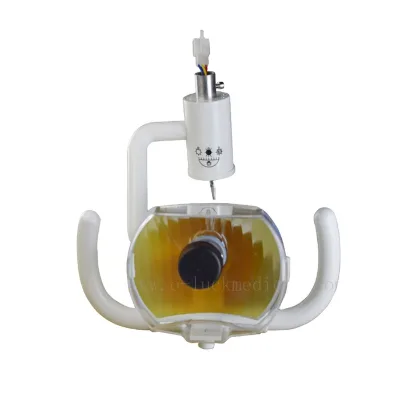


Strong Light 15W Wireless Dental LED Head Light Portable Ent Dental Operation
$698.00 - $890.00
MOQ: 1 Pieces


Wireless Plastic LED Curing Light 5W Portable Dental Cure Lamp Economic Dental Product
$10.00 - $11.50
MOQ: 20 Pieces


Comprehensive Sourcing Guide
Portable Professional LED Dental Light Sourcing Guide
Sourcing portable professional LED dental lights requires a careful balance between clinical performance, regulatory compliance, and commercial flexibility. These devices are critical for providing high-intensity, shadow-free illumination during various dental procedures, ranging from routine examinations to complex oral surgeries. Buyers must navigate a market where specifications vary significantly, particularly regarding light intensity, power sources, and customization options. The following guide outlines the essential verification steps and procurement strategies necessary to secure reliable equipment that meets clinical standards and operational needs.
Product Scope and Observed Listing Signals
The current market for portable dental lighting includes a diverse range of models designed for different clinical environments and budget constraints. Observed listings indicate a price range from approximately $10 to $5,000 USD, reflecting variations in build quality, technology, and included accessories. The minimum order quantity (MOQ) typically ranges from 1 to 20 units, offering flexibility for both individual clinics and larger procurement contracts. High-confidence data confirms that many suppliers offer customization options, including logo printing and custom packaging, which are essential for branding and institutional identity.
Materials and construction play a significant role in the durability and functionality of these lights. Common materials observed include metal, aluminum, and PVC, each offering different benefits in terms of weight, heat dissipation, and cost. For instance, aluminum components are often used for their lightweight nature and thermal conductivity, while PVC may be utilized for housing or protective covers. Buyers should verify the specific material composition for each model to ensure it aligns with hygiene requirements and long-term durability expectations in a high-traffic clinical setting.
Technical Specifications to Verify
Light intensity and type are primary technical factors that determine the efficacy of a dental light. Some models are specified with a light intensity of 1200-1500 mv/cm2, which is a critical metric for ensuring adequate visibility during detailed procedures. The bulb type is predominantly LED, with specific configurations such as 3W*3PCS bulbs observed in certain listings. Buyers must verify the actual luminous flux and color temperature to ensure the light provides clear, natural color rendering, which is vital for accurate diagnosis and treatment planning in oral surgery and other dental specialties.
Power supply and portability features are equally important for clinical workflow efficiency. Many portable models are equipped with lithium batteries, allowing for cordless operation and greater flexibility in positioning. Voltage specifications often support a wide range, such as 110-220V, ensuring compatibility with different electrical standards across regions. Additionally, features like guide rails or mobile bases may be available, enhancing the light's adaptability to various examination rooms. Buyers should confirm battery life, charging time, and interface compatibility to ensure seamless integration into existing clinical infrastructure.
Compliance and Safety Documentation
Regulatory compliance is non-negotiable for medical devices, and buyers must ensure that all sourced dental lights meet the necessary safety and quality standards. Certifications such as CE are commonly observed, indicating conformity with health, safety, and environmental protection standards for products sold within the European Economic Area. Some listings also mention ISOCE certification, which may refer to specific quality management or environmental standards. Buyers should request valid certification documents and verify their authenticity with the issuing bodies to mitigate regulatory risks.
Instrument classification and warranty terms provide additional layers of assurance regarding product reliability and manufacturer support. Certain models are classified as Class I instruments, which generally indicates a lower risk profile but still requires adherence to specific manufacturing and labeling standards. Warranty periods vary, with some suppliers offering 1-year coverage and others providing 6-month warranties. Buyers should carefully review the warranty terms, including coverage scope, claim procedures, and after-sales support, to ensure long-term protection for their investment.
Cost Drivers and Commercial Terms
Several factors influence the final cost of portable professional LED dental lights, including material quality, technological features, and customization requirements. Models with advanced features such as higher light intensity, longer battery life, or specialized mounting options typically command higher prices. Customization services, such as silk printing logos or custom packaging, may incur additional costs but can enhance brand visibility and professional presentation. Buyers should request detailed quotations that break down these costs to understand the value proposition of each model.
Packing and shipping logistics also impact the total cost of ownership. Standard export packing, safe carton packing, and specific carton dimensions are commonly observed, ensuring that products are protected during transit. For example, some models are packed in cartons measuring 572046cm or 600120260mm + 845215155mm, which affects shipping volume and costs. Buyers should consider these packaging details when calculating freight expenses and storage requirements, especially for bulk orders.
Supplier Qualification and Quality Control
Supplier location and manufacturing capabilities are key indicators of product quality and reliability. Many suppliers are located in regions such as Jiangsu and Guangdong in China, which are known for their robust manufacturing ecosystems. Buyers should verify the supplier's production capacity, quality control processes, and track record in the medical device industry. Requesting samples before placing bulk orders allows for hands-on evaluation of build quality, light performance, and ease of use.
Quality control measures should include checks for material integrity, electrical safety, and functional performance. Buyers should inquire about the supplier's testing protocols, including burn-in tests for LEDs and battery durability assessments. Additionally, verifying the supplier's ability to provide consistent product quality across batches is crucial for maintaining clinical standards. Establishing clear communication channels and defining quality expectations in the purchase agreement can help prevent discrepancies and ensure satisfaction.
Long-Term Procurement Checks
Sustainable procurement practices involve regular reviews of supplier performance and product lifecycle management. Buyers should monitor key performance indicators such as delivery times, defect rates, and customer support responsiveness. Establishing a long-term relationship with a reliable supplier can lead to better pricing, priority service, and access to new product innovations. Regular audits or site visits, if feasible, can provide deeper insights into the supplier's operational practices and commitment to quality.
Future-proofing procurement strategies includes staying informed about technological advancements and regulatory changes in the dental lighting sector. As LED technology evolves, newer models may offer improved energy efficiency, longer lifespans, and enhanced clinical features. Buyers should maintain a flexible procurement plan that allows for upgrades and replacements as needed. Additionally, keeping detailed records of product specifications, warranties, and service histories will facilitate efficient maintenance and troubleshooting, ensuring continuous clinical operations.
FAQs
What is the warranty period for the Portable Professional LED Dental Light?
The warranty period is typically 1 year for the exam lamp model. Some specific models like the DY-003-C may offer a 6-month warranty. Buyers should verify the specific warranty terms for the selected model before purchase.
Can I get custom packaging for the Portable Professional LED Dental Light?
Yes, custom package options are available for this product. The standard packing is safe carton packaging, but OEM services allow for tailored packaging solutions. This customization helps in branding and safe transport of the device.
What certifications does the Portable Professional LED Dental Light hold?
The product holds CE certification and ISOCE certification. These certifications indicate compliance with specific safety and quality standards required for medical devices. Buyers should confirm the specific certification documents for their regulatory needs.
How is the Portable Professional LED Dental Light powered?
The device operates on a power voltage of 110-220V. Some models also feature a lithium battery for portability. This dual power capability ensures the light can be used in various clinical settings without interruption.
What is the minimum order quantity for the Portable Professional LED Dental Light?
The minimum order quantity is 5 pieces for certain models. The observed MOQ range across products is between 1 and 20 pieces. Buyers should check the specific MOQ for the model they intend to source.
Which materials are used to construct the Portable Professional LED Dental Light?
The construction materials include metal, aluminum, and PVC depending on the specific model. These materials ensure durability and safety for medical environments. The choice of material affects the weight and longevity of the device.
Where is the Portable Professional LED Dental Light manufactured?
The products originate from China, specifically from Jiangsu and Guangdong provinces. This location is a major hub for medical equipment manufacturing. Buyers can expect competitive pricing due to the established supply chain in these regions.