Source Portable Projectors for Business, Teaching, and Home
Explore 30 Portable Projector options for business, teaching, and home theater use. Compare models like P30MAX and E450, featuring LCD technology, LED light sources, and resolutions up to 1080p. Evaluate brightness levels, connectivity, and customization options to find the right device for your needs.
Key considerations
Products List


Cr35 Mini Portable Projector Native 1080P Resolution Home Cinema Projector
$79.00 - $96.00
MOQ: 1 Pieces


Versatile Education Projector with 20000hrs Life and High Brightness
$1160.00 - $1190.00
MOQ: 5 Pieces

Versatile Business Projector with High Brightness for Effective Presentations
$881.00 - $911.00
MOQ: 5 Pieces

Reliable High Performance Projector for Professional Business Presentations
$881.00 - $911.00
MOQ: 5 Pieces


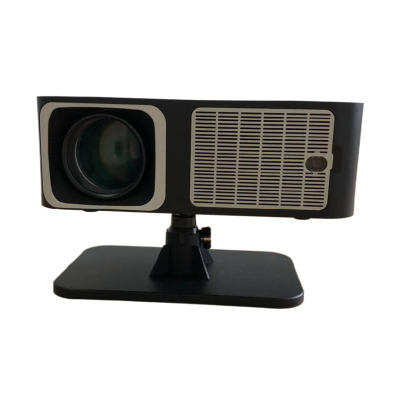


New Portable Mini Projector for Daylight Projection, Android OS 1080P Support
$278.00 - $300.00
MOQ: 10 Pieces


Projector 7500 Lumens with 100" Projector Screen 1080P Full HD Supported Portable Projector
$34.80 - $35.00
MOQ: 1000 Pieces

2022 Upgraded Portable Video-Projector Compatible with Full HD 1080P Mini Projector
$39.80 - $40.00
MOQ: 1000 Pieces

Comprehensive Sourcing Guide
Portable Projector Sourcing Guide
Sourcing portable projectors requires balancing compact form factors with sufficient optical performance for diverse environments. Buyers must evaluate whether the device suits business presentations, educational settings, or home theater use, as these applications dictate different feature priorities. The market offers models ranging from basic LCD units to more advanced systems with auto-focusing and keystone correction. Understanding the specific use case is the first step in defining technical requirements, ensuring that the selected projector aligns with the intended deployment scenario.
Procurement teams should also consider the versatility of connectivity and power options. Many modern units support wireless screen mirroring via protocols like Miracast, Airplay, and DLNA, which enhances usability in collaborative spaces. Additionally, verifying power supply compatibility, such as AC100-240V support, is crucial for global distribution. By focusing on these practical aspects, buyers can select devices that offer seamless integration into existing workflows while maintaining the portability that defines this product category.
Product Scope and Observed Listing Signals
The current market landscape for portable projectors includes a variety of models with distinct specifications and price points. Listings indicate a price range from approximately $2.50 to $3000, reflecting significant variation in build quality and feature sets. Minimum order quantities (MOQ) typically span from 1 to 1000 units, allowing flexibility for both small-scale trials and large-volume deployments. Buyers should note that observed attributes, such as brightness levels under 1500 lumens or specific memory configurations like 2GB RAM and 8GB storage, are model-dependent and not universal across all listings.
Key product attributes observed include LED light sources, which offer long lifespans up to 30,000 hours, and various resolution options ranging from 720p to native 1080p. Some models feature advanced capabilities like automatic focusing and trapezoidal correction, while others rely on manual adjustments. The physical dimensions and weight also vary, with some units weighing around 1.7kg and others having specific packaging standards. These signals help buyers narrow down options based on portability needs and performance expectations, ensuring the selected device meets operational demands.
Technical Specifications to Verify
When evaluating technical specifications, buyers must prioritize resolution and brightness metrics that directly impact image quality. Native resolutions of 1920x1080p provide sharper images for detailed content, while 720p models may suffice for basic presentations. Brightness is a critical factor, with some units offering up to 15,000 lumens (900 ANSI Lumens) for better visibility in ambient light. It is essential to verify the actual ANSI lumens rather than marketing claims, as this metric determines usability in different lighting conditions. Additionally, contrast ratios, such as 2500:1, influence the depth and clarity of the projected image.
Connectivity and display technology are equally important considerations. Buyers should confirm the presence of essential interfaces like HDMI, USB, and AV ports, as well as wireless capabilities such as Bluetooth 5.0 or 5.2 for audio and peripheral connections. The display technology, often single LCD in this category, affects color accuracy and longevity. Features like automatic keystone correction and vertical adjustment ranges of +/-50 degrees enhance setup flexibility. Verifying these specifications ensures the projector integrates smoothly with existing AV equipment and user devices.
Compliance and Safety Documentation
Compliance with regional safety and electromagnetic standards is mandatory for importing and selling portable projectors. Buyers must ensure that suppliers provide relevant certifications, such as CE, FCC, or RoHS, depending on the target market. These certifications confirm that the device meets electrical safety, emissions, and hazardous substance restrictions. Without proper documentation, shipments may face customs delays or rejection. It is crucial to request valid test reports from accredited laboratories to verify compliance, rather than relying solely on supplier declarations.
Power supply specifications also play a role in compliance, particularly regarding voltage and frequency compatibility. Units supporting AC100-240V/50/60Hz are more versatile for global distribution. Buyers should also check for plug specifications, such as UK, US, EU, or Australian plugs, to ensure compatibility with local infrastructure. Additionally, verifying that the product origin is clearly stated, such as China, helps in assessing supply chain risks and potential tariffs. Proper documentation not only ensures legal compliance but also builds trust with end-users regarding product safety and reliability.
Cost Drivers and Commercial Terms
Several factors influence the total cost of ownership for portable projectors, including component quality, feature sets, and order volume. Higher brightness levels, native 1080p resolution, and advanced features like auto-focusing typically command higher prices. Buyers should analyze the cost per unit against the expected lifespan, which can reach 30,000 hours for LED sources. Economies of scale may apply for larger orders, but MOQs can vary significantly. Understanding these cost drivers helps in budgeting accurately and negotiating favorable terms with suppliers.
Commercial terms such as payment methods, shipping options, and warranty policies also impact overall costs. Buyers should clarify lead times and production schedules to avoid delays. Packaging standards, like box packaging, affect shipping efficiency and protection during transit. Additionally, customization options may incur extra fees but can enhance brand alignment for corporate clients. By carefully reviewing these commercial aspects, buyers can optimize their procurement strategy, balancing cost efficiency with quality and service requirements.
Supplier Qualification and Quality Control
Supplier qualification is critical to ensuring consistent product quality and reliable delivery. Buyers should assess suppliers based on their manufacturing capabilities, quality management systems, and past performance. Requesting samples for thorough testing is a best practice to verify specifications before placing bulk orders. Quality control processes should include inspections for optical clarity, connectivity functionality, and physical durability. Suppliers with established QC protocols are more likely to deliver products that meet stated specifications and reduce the risk of defects.
Building a strong relationship with suppliers involves clear communication and mutual expectations. Buyers should define quality standards and acceptance criteria upfront, including acceptable defect rates and return policies. Regular audits or third-party inspections can provide additional assurance of manufacturing standards. Additionally, verifying the supplier’s ability to handle customization requests, if needed, ensures flexibility in product offerings. By prioritizing supplier qualification and robust quality control, buyers can mitigate risks and secure a steady supply of high-quality portable projectors.
Long-Term Procurement Checks
Long-term procurement success depends on continuous monitoring of product performance and supplier reliability. Buyers should track warranty claims, customer feedback, and after-sales support quality to identify potential issues early. Regularly reviewing supplier performance metrics, such as on-time delivery and defect rates, helps in maintaining high standards. It is also important to stay updated on technological advancements in the Portable Projector market, such as improvements in display technology or connectivity options, to ensure the product line remains competitive.
Sustainability and end-of-life considerations are increasingly important in procurement decisions. Buyers should inquire about the recyclability of components and the availability of spare parts for repairs. Verifying that suppliers adhere to environmental standards and responsible sourcing practices aligns with corporate sustainability goals. Additionally, maintaining a diversified supplier base can reduce dependency risks and provide flexibility in sourcing. By implementing these long-term checks, buyers can ensure a resilient and sustainable procurement strategy for portable projectors.
FAQs
What resolution options are available for portable projectors?
Portable projectors typically offer 720p or 1080p native resolutions. The P30PRO model provides 720p clarity, while the 888982479224 unit delivers 1920x1080p Full HD. Buyers should select based on their specific display needs and budget constraints for optimal image quality.
Can portable projectors be customized for business use?
Yes, customization is available for many Portable Projector models. This allows businesses to tailor features for teaching, theater, or home office environments. Buyers can request specific configurations to meet unique operational requirements, ensuring the device fits seamlessly into professional or educational workflows.
How long does the LED light source last?
The LED light source generally offers a lifespan of 30,000 hours. This durability ensures long-term reliability for frequent use in home cinema or business presentations. Buyers benefit from reduced maintenance costs and consistent brightness output over the extended operational life of the device.
What connectivity features do these projectors support?
Modern portable projectors support Wi-Fi and Bluetooth 5.0 or 5.2 for wireless connectivity. They also include USB, HDMI, and AV interfaces for wired connections. This versatility allows seamless screen mirroring from smartphones and laptops, enhancing usability for presentations and entertainment purposes.
Which models are suitable for gaming projects?
The P30MAX is specifically categorized as a gaming project Portable Projector. It features a compact design and sufficient brightness for immersive experiences. Buyers seeking entertainment-focused devices should consider this model for its optimized performance in gaming scenarios and home theater setups.
What are the standard packaging dimensions for these units?
Packaging standards vary by model, with dimensions like 25x31x24 cm or 25x15x13 cm. The 107.8x157x119.7 mm standard applies to specific units. Buyers should verify exact packing sizes for logistics planning, as dimensions impact shipping costs and storage requirements for bulk orders.