Source Portable Soft Tissue Dental Laser for clinics, hospitals, and surgeries
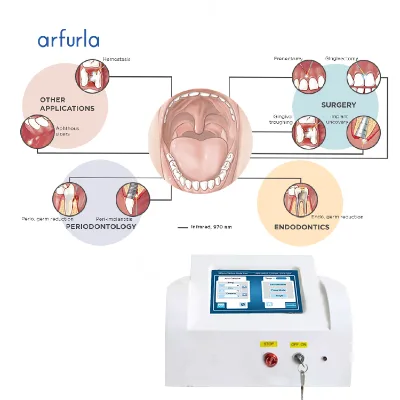
Compare 30 listings for the Portable Soft Tissue Dental Laser designed for periodontics, endodontics, and soft tissue surgery. Buyers can review specifications, certifications, and pricing to select the right equipment for dental clinics and hospitals.
Key considerations
Products List

Rechargeable Breakthrough Portable 980nm Dental Soft Tissue Laser for Neuropathic Pain
$1380.00 - $1980.00
MOQ: 1 Pieces

OEM Quick Portable Pediatric 980nm Dental Soft Tissue Laser for Bactericidal Effect
$2190.00 - $2980.00
MOQ: 1 Pieces


Millisecond Pulse Precise Mobile 980nm Dental Soft Tissue Laser for Hospital Dentistry
$2190.00 - $2980.00
MOQ: 1 Pieces

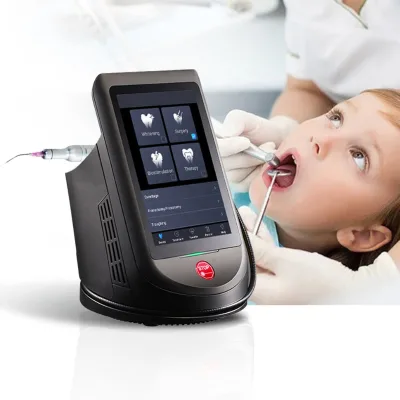
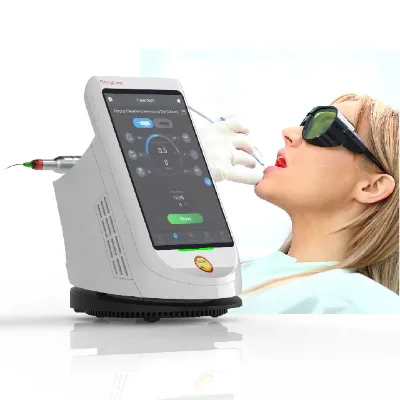
Class 4 Dental Diode Laser Soft Tissue Treatment for Periodontal Deseases
$2000.00 - $5000.00
MOQ: 1 Minimum
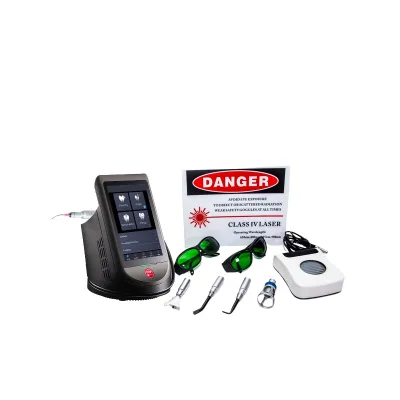
Portable Odontologia Laser for Soft Tissue Cutting Dental Laser with Android System
$2043.92 - $20439.21
MOQ: 1 Minimum
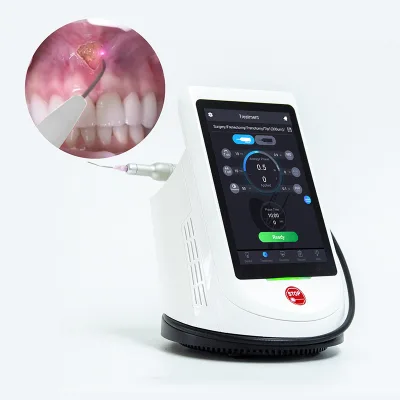
Dental Diode Laser with Three Wavelength 450nm 650nm 980nm for Odontologia Treatment
$2043.92 - $5109.80
MOQ: 1 Minimum

Dental Soft Tissue Laser Pen Disinfection Wireless Handheld Laser Weak Cutting
$2064.00 - $2302.00
MOQ: 1 Pieces


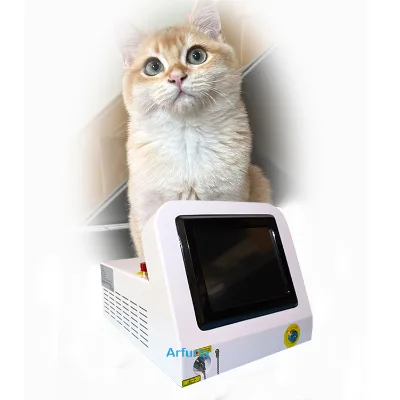
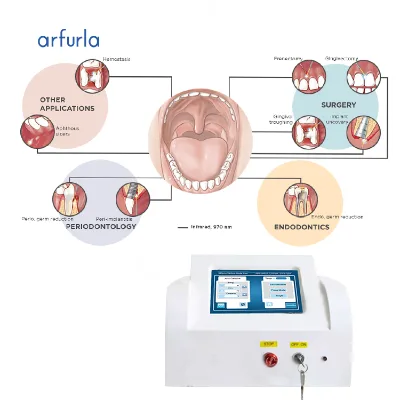

Portable Laser in Dentistry 450nm 650nm 980nm Diode Dental Laser for Odontologia Teeth Treat
$2080.00 - $2480.00
MOQ: 1 Pieces

High Quality Portable Dental Diode Laser Equipment Teeth Whitening Laser
$2080.00 - $2480.00
MOQ: 1 Pieces

810nm 980nm Teeth Diode Laser in Dentistry for Periodontics Endodontics Soft Tissue Surgery
$2080.00 - $2480.00
MOQ: 1 Pieces

Portable White 980nm Teeth Pain Relief Physical Therapy Laser Dental Laser 650nm
$1580.00 - $2480.00
MOQ: 1 Pieces

High Quality Portable 980nm Low Level Laser Therapy Dental Dental Diode Laser Equipment
$1780.00 - $2480.00
MOQ: 1 Pieces

Latest Mass Production New Portable 980nm 650nm Teeth Inflammation Care Laser
$1580.00 - $2480.00
MOQ: 1 Pieces


450nm Blue Dental Laser Machine for Teeth Whitening and Soft Tissue Surgery
$4500.00 - $9000.00
MOQ: 1 Pieces

450nm Blue Laser Dental Device for Soft Tissue Surgery and Teeth Whitening
$4500.00 - $9000.00
MOQ: 1 Pieces

450nm 650nm 980nm Dental Laser System for Comprehensive Dental Applications
$4500.00 - $9000.00
MOQ: 1 Pieces

Professional Triple-Wavelength Dental Laser for Implant Dentistry and Endodontics
$4500.00 - $9000.00
MOQ: 1 Pieces
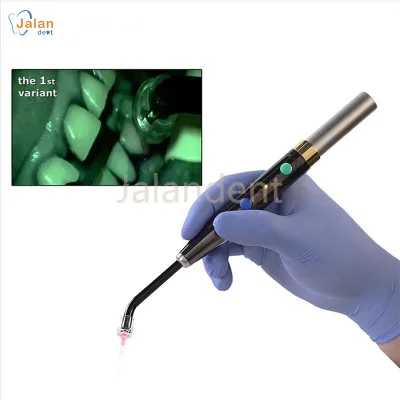
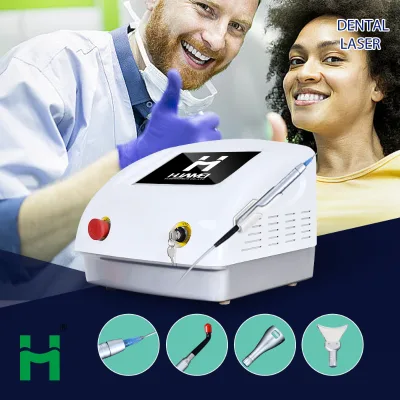
Comprehensive Sourcing Guide
Strategic Sourcing Guide for Portable Soft Tissue Dental Lasers
Technical Specifications and Operational Capabilities
When evaluating portable soft tissue dental lasers, the primary focus must be on the specific wavelength configurations and power outputs that align with clinical requirements. The market offers devices with varying spectral capabilities, often centered around the 980nm diode laser, which is highly effective for soft tissue procedures. Buyers should verify if the unit supports single-wavelength operation or multi-wavelength systems that integrate 980nm with auxiliary beams such as 450nm and 650nm. The 650nm wavelength is frequently utilized as an aiming beam to ensure precise targeting during surgery, while the 450nm component may serve specific therapeutic functions depending on the manufacturer's design.
Power output is a critical differentiator among portable units. Specifications observed in the current market indicate configurations ranging from lower power outputs suitable for minor procedures to high-power systems capable of delivering combined outputs such as 12W, 5W, and 1W simultaneously. Some units are rated with a total power of 10W, 4W, or 500mW, necessitating a clear understanding of the maximum continuous wave (CW) power versus pulsed power capabilities. The operational modes are equally significant; advanced systems support Continuous Wave (CW), single pulse, and repeat pulse operations. This flexibility allows clinicians to adjust the energy delivery based on the tissue type and the specific procedure, such as periodontics, endodontics, or soft tissue surgery.
The physical dimensions and weight of the device are paramount for "portable" classification. While some larger systems may measure 360x300x60mm, truly portable units are often designed with compact footprints, such as 160(W) x 180(L) x 235(H)mm, and weights as low as 2.1kg. This portability is essential for clinics that require mobility between treatment rooms or for practitioners who may need to transport the equipment to different locations. The housing material typically consists of a combination of metal and plastic, balancing durability with weight reduction. Buyers must ensure that the "portable" designation does not compromise the structural integrity required for a Class II or Class III medical instrument, as the classification dictates the level of safety and performance assurance expected.
Compliance, Certification, and Safety Standards
Navigating the regulatory landscape is a non-negotiable aspect of sourcing medical devices. The safety and efficacy of dental lasers are governed by strict international standards. A critical benchmark for laser safety is the EN60601-2-22:2013 standard, which specifically addresses the safety requirements for medical electrical equipment. When evaluating potential suppliers, procurement teams must request documentation confirming that the specific model has been tested and certified against this standard. This certification ensures that the device meets rigorous requirements regarding electrical safety, laser radiation protection, and electromagnetic compatibility.
Quality management systems are another vital component of compliance. Reputable manufacturers typically hold ISO 9001 certification for general quality management and ISO 13485 for medical device quality management. These certifications indicate that the supplier maintains a systematic approach to design, production, and service. Additionally, the CE mark is a mandatory conformity marking for products sold within the European Economic Area, signifying that the device meets EU safety, health, and environmental protection requirements. Some suppliers may also list specific quality certifications such as "Ce" or "CE/ISO 9001/ISO 13485," but buyers should verify the validity of these claims through official databases rather than relying solely on product listings.
Instrument classification is a key indicator of regulatory risk and intended use. The market contains devices classified as both Class II and Class III instruments. Class III devices generally involve higher risk and more stringent regulatory controls, often requiring pre-market approval in jurisdictions like the United States. Class II devices are subject to moderate controls. Buyers must confirm the classification of the specific model they intend to purchase, as this affects the import procedures, insurance requirements, and clinical liability in their specific region. The "Instrument Classification" should be explicitly stated in the product documentation to avoid confusion regarding the regulatory pathway required for deployment.
Cost Drivers and Pricing Structures
The pricing of portable soft tissue dental lasers is influenced by a complex interplay of technical specifications, certification status, and supply chain factors. The observed price range in the market is substantial, spanning from approximately $153.19 to over $20,000. This wide variance reflects differences in power output, wavelength complexity, build quality, and the inclusion of advanced features such as multi-wavelength capabilities or integrated software. Lower-priced units may offer basic single-wavelength functionality with standard aiming beams, while higher-priced models likely include comprehensive power settings, advanced pulse modulation, and robust safety features compliant with multiple international standards.
Manufacturing costs are a primary driver of the final price. Units originating from regions with established medical device manufacturing ecosystems, such as Beijing or Hubei in China, may offer competitive pricing due to economies of scale and supply chain efficiencies. However, the cost is not solely determined by the origin. The inclusion of certifications like ISO 9001 and ISO 13485 adds to the overhead, as maintaining these standards requires significant investment in quality control processes and documentation. Furthermore, the "Customized" nature of some product standards suggests that bespoke configurations or OEM branding options can significantly increase the unit cost.
Minimum Order Quantity (MOQ) and packaging also impact the total cost of ownership. In the current market, many suppliers operate with an MOQ of 1 unit, allowing for single-item purchases which is ideal for clinics starting their inventory or replacing a single unit. The packaging standards, described as "Standard Export Packaging," are designed to protect the device during transit, but the dimensions of the single package (e.g., 50x40x25 cm or 50x40x26 cm) and the gross weight (up to 9.7 kg) will influence shipping costs. Buyers should calculate the landed cost, including freight and insurance, as these can be significant for heavy or bulky medical equipment. The "Selling Units" being listed as "Single item" suggests flexibility in purchasing, but bulk orders might offer different pricing tiers that are not immediately visible in standard listings.
Typical Clinical Applications and Functional Versatility
Portable soft tissue dental lasers are designed to address a wide spectrum of dental procedures, making them versatile tools for modern clinics. The primary applications include soft tissue surgery, periodontics, endodontics, and toothache therapy. The ability to perform soft tissue surgery with precision is a key benefit, allowing for incisions, excisions, and coagulation with minimal bleeding and reduced post-operative discomfort. In periodontics, these lasers are used for pocket decontamination and gum reshaping, offering a less invasive alternative to traditional scalpel methods.
Endodontic procedures also benefit from laser technology, where the device can be used for canal disinfection and the removal of organic debris. The specific wavelength of 980nm is particularly effective for these applications due to its absorption characteristics in pigmented tissues. Additionally, some units are marketed for toothache therapy and whitening, expanding their utility beyond surgical applications. The "Function" attributes often listed include "soft-tissue surgery, periodontics, endodontics, whitening etc," indicating a broad scope of clinical use.
The aiming beam, typically a 650nm diode laser, plays a crucial role in ensuring the accuracy of these applications. It allows the clinician to visualize the treatment area clearly before activating the therapeutic laser, which is essential for delicate procedures in the oral cavity. The operation modes, including CW, single, or repeat pulse, provide the necessary control to adapt to different tissue responses. For instance, a repeat pulse mode might be preferred for coagulation to minimize thermal damage to surrounding tissues, while CW mode might be used for cutting. This versatility makes the portable laser a valuable asset for general dentists, periodontists, and endodontists alike.
Supplier Evaluation and Quality Assurance
Selecting a reliable supplier is critical for ensuring the long-term performance and safety of the dental laser. Buyers should prioritize suppliers who provide transparent information about their product origin, with many units originating from Beijing or Hubei, China. The "Place of Origin" and "prod_origin" fields should be verified to ensure the device is manufactured in a facility that adheres to international quality standards. A reputable supplier will clearly state their brand name, such as "Dimed," and provide detailed specifications for the model number, such as "DW101S" or "YWD201."
Quality assurance extends beyond the initial purchase. After-sales service is a major consideration, with many suppliers offering "Online Technical Support" and "Return and Replacement" policies. These services are essential for troubleshooting technical issues that may arise during clinical use. The warranty period, often cited as 2 years, should be reviewed carefully to understand the coverage limits and the process for claiming repairs or replacements. Buyers should also inquire about the availability of spare parts and consumables, as the long-term viability of the device depends on the supply chain for these components.
The "Product Name" and "Key word" fields in supplier listings can sometimes be generic, so buyers must cross-reference these with specific technical data. For example, a product named "dental diode laser soft tissue treatment for periodontal deseases" should be scrutinized to ensure it matches the specific clinical needs of the buyer. The "Style" being "Portable" should be confirmed through physical dimensions and weight specifications. Additionally, the "Language" option, which may be English or OEM, is important for user interface accessibility and training materials. A supplier that offers comprehensive documentation in the buyer's preferred language demonstrates a commitment to customer support and ease of use.
Long-Term Procurement and Lifecycle Management
Sourcing a Portable Soft Tissue Dental Laser is an investment that extends beyond the initial transaction. Buyers must consider the shelf life of the device, which is often specified as 5 years. This timeframe dictates the planning for equipment replacement and budget allocation. The "Shelf Life" should be distinguished from the warranty period; while the warranty covers defects, the shelf life indicates the expected operational lifespan of the device before performance degradation or obsolescence becomes a concern.
Maintenance and calibration are ongoing requirements for medical devices. The "Instrument Classification" and "Safety standard" compliance imply that regular maintenance checks are necessary to ensure continued adherence to safety regulations. Buyers should establish a maintenance schedule that includes calibration of the laser output and inspection of the aiming beam. The "Operation Model" and "Frequency" settings (1-50Hz) may require periodic verification to ensure the device is delivering the correct energy levels.
Future-proofing the procurement decision involves considering the "Customization" options available. Some suppliers offer "Customized" product standards, which may allow for branding or specific feature modifications. This flexibility can be valuable for clinics looking to differentiate their services or integrate the device into a specific workflow. However, customization may also impact the lead time and the availability of future support. Buyers should weigh the benefits of customization against the potential risks of relying on non-standard configurations.
Finally, the "Power Source" being electricity and the "Color option" of White or Black are practical considerations for clinic aesthetics and infrastructure. While these may seem minor, they affect the integration of the device into the clinical environment. The "Single package size" and "Single gross weight" are also relevant for logistics, especially if the clinic is located in an area with limited access or if the device needs to be moved frequently. By considering these long-term factors, buyers can ensure that their investment in a Portable Soft Tissue Dental Laser remains a valuable asset for years to come.
FAQs
What warranty and after-sales support are provided?
The device includes a 2-year warranty and offers online technical support. Some listings also mention return and replacement services, ensuring long-term operational reliability for dental clinics and hospitals.
Which laser wavelengths and power outputs are available?
Units typically feature 980nm, 450nm, and 650nm wavelengths with power outputs like 12W+5W+1W or 10W/4W. These configurations support soft tissue surgery, periodontics, and endodontics with flexible continuous or pulsed modes.
How portable are these dental laser devices physically?
Portable models often weigh around 2.1kg with compact dimensions like 160x180x235mm. Larger units may measure 360x300x60mm, but all are designed for mobility within clinics or between treatment rooms.
What safety certifications and standards do these lasers meet?
Devices must comply with EN60601-2-22:2013 for laser safety and hold CE, ISO 9001, or ISO 13485 certifications. These standards ensure electrical safety and quality management for Class II or Class III instruments.
Can I customize the language and branding of the unit?
Yes, the product language can be set to English or OEM, and the standard is often customized. This allows clinics to tailor the interface and branding to their specific operational requirements and local preferences.
What are the typical packaging and shipping dimensions?
Standard export packaging is used with single package sizes around 50x40x25cm. The gross weight can reach 9.7kg, which impacts shipping costs and logistics planning for international buyers.
Where are these portable dental lasers manufactured?
Manufacturing origins include Beijing and Hubei in China. Buyers should verify the specific place of origin to ensure compliance with local import regulations and to assess the supply chain reliability.