Source Portable Stainless Steel Coffee Grinder for Travel, Home, and Business
Explore 30 listings for the Portable Stainless Steel Coffee Grinder designed for travel, home kitchens, and business gifts. Buyers can compare manual power sources, grind settings, and eco-friendly features across verified manufacturers in China.
Key considerations
Products List
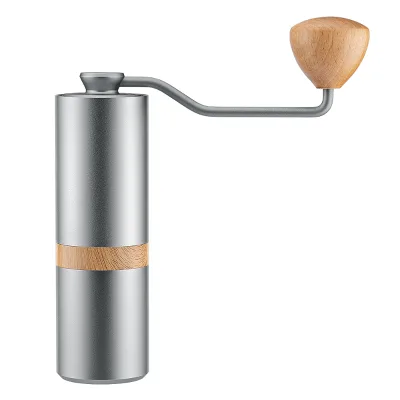


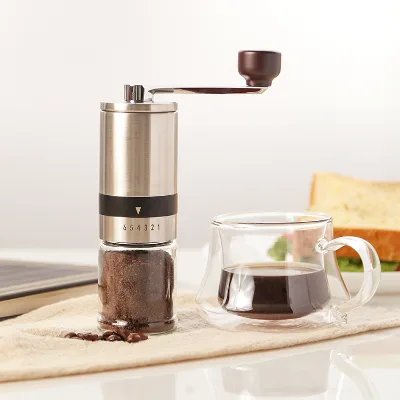
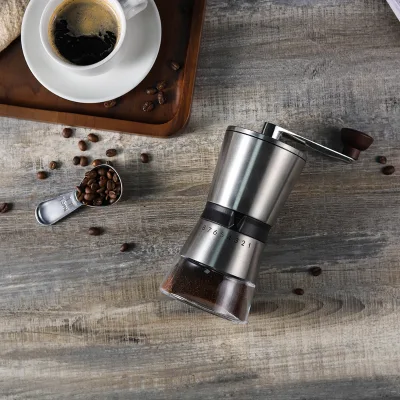


Electric Coffee Grinder with Stainless Steel Blades Automatic Coffee Bean Grinder
$13.78 - $14.36
MOQ: 1000 Pieces

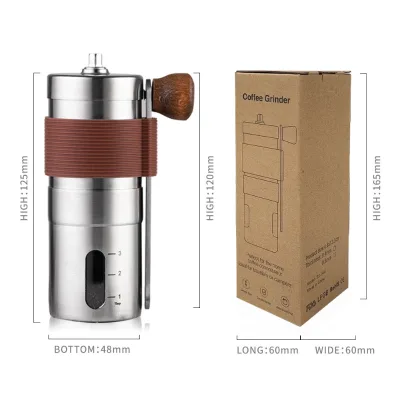


Portable Stainless Steel Manual Coffee Grinder for Espresso and Filter
$28.40 - $30.80
MOQ: 100 Pieces


High Quality Coffee Grinder Machine Automatic Stainless Steel Electric Coffee Grinder
$860.00 - $1050.00
MOQ: 100 Pieces

Coffee Grinder Stainless Steel Electric Coffee Bean Grinder Industrial Grinder
$860.00 - $1050.00
MOQ: 100 Pieces

Stainless Steel Coffee Grinder for Perfect Espresso Coffee Experience
$860.00 - $1050.00
MOQ: 100 Pieces

Stainless Steel Coffee Grinder with 1 Year Warranty and English Manual
$860.00 - $1050.00
MOQ: 100 Pieces

OEM High Quality Manual Stainless Steel Coffee Grinder for Business
$860.00 - $1050.00
MOQ: 100 Pieces

New Design Portable Electric Coffee Grinder 220V/120V Coffee Machine
$141.00 - $171.00
MOQ: 200 Pieces
Comprehensive Sourcing Guide
Strategic Sourcing Guide for Portable Stainless Steel Coffee Grinders
Understanding the Product Category and Core Specifications
The Portable Stainless Steel Coffee Grinder represents a specialized segment within the broader coffee and tea tools market, designed specifically for users who require high-quality grinding capabilities outside of a fixed kitchen environment. Based on current market observations, these units are predominantly manual in operation, relying on mechanical force rather than electrical power sources. This manual power source is a defining characteristic that ensures the device remains functional in remote locations, during travel, or in settings where electricity is unavailable. The primary construction material for these grinders is stainless steel, often combined with plastic components for the housing or handle to reduce overall weight while maintaining structural integrity. The observed material composition frequently includes a mix of plastic and stainless steel, balancing durability with portability.
The physical dimensions of these grinders vary, but typical single package sizes observed in the market range from compact profiles suitable for travel to slightly larger units for home use. Specific dimensions noted in product listings include sizes such as 8x8x25 cm and 20x8x8 cm, indicating a design philosophy focused on space efficiency. The capacity of these units is generally limited to under five cups, making them ideal for individual servings or small groups rather than commercial bulk preparation. The degree of grind achievable is typically categorized as medium, which is suitable for a wide range of brewing methods including French press, pour-over, and drip coffee makers. The product type is consistently classified under coffee and tea tools, with specific sub-categories focusing on manual coffee grinders and small coffee bean grinders.
Technical Performance and Design Attributes
When evaluating the technical specifications of a Portable Stainless Steel Coffee Grinder, buyers must look beyond the basic material composition to understand the mechanical design. The core mechanism involves burr or blade systems, though the specific internal mechanism is often determined by the model number, such as the 6606 or 6610 models observed in current listings. The standard dimensions for the grinding mechanism itself are critical; for instance, specific product standards indicate dimensions like 52x203 mm or 50x100 mm, which dictate the internal volume and the efficiency of the grinding process. The single gross weight of these units is typically around 1.000 kg, a figure that buyers should verify as it directly impacts the portability and ease of transport.
The design also incorporates specific features that enhance user experience and product longevity. Eco-friendly attributes are frequently highlighted, suggesting that manufacturers are utilizing sustainable materials or manufacturing processes. The housing material is predominantly stainless steel, which offers resistance to corrosion and wear, essential for a device that may be exposed to moisture and coffee oils. The application scope for these grinders extends beyond the home kitchen to include hotel rooms, business gifts, and general houseware. The ability to customize the product, including the acceptance of customized logos and OEM/ODM services, is a significant technical and commercial factor. This customization capability allows buyers to tailor the product to specific brand identities or corporate gifting needs.
Compliance, Certification, and Regulatory Standards
Navigating the regulatory landscape is a critical component of sourcing portable coffee grinders, particularly when importing from regions like Guangdong or Anhui in China. Buyers must verify that the products meet the necessary safety and material standards for their target markets. Observed certifications for these grinders include CE, RoHS, LFGB, FDA, and EU compliance. The CE mark indicates conformity with health, safety, and environmental protection standards for products sold within the European Economic Area. RoHS (Restriction of Hazardous Substances) ensures that the electronic components, if any, or materials used do not contain specific hazardous substances. LFGB is a German food safety standard that is highly relevant for products that come into direct contact with food, such as coffee beans.
FDA certification is particularly important for products intended for the United States market, ensuring that the materials used in the grinder are safe for food contact. The presence of these certifications should be verified through official documentation rather than relying solely on supplier claims. Buyers should also check for specific product standards, such as the 52x203 mm or 50x100 mm dimensions mentioned in technical specifications, which may relate to internal component tolerances or safety clearances. It is essential to ensure that the supplier can provide valid test reports and certificates that are up to date and applicable to the specific model being purchased. The absence of these certifications can lead to customs delays, product recalls, or legal liabilities in the destination market.
Cost Drivers and Minimum Order Quantity Analysis
The pricing structure for portable stainless steel coffee grinders is influenced by several key factors, including material costs, manufacturing complexity, and order volume. The observed price range in the market spans from $1.20 to $1,050 USD, a wide variance that reflects differences in quality, brand positioning, and customization levels. The lower end of the spectrum typically corresponds to basic models with standard packaging and minimal customization, while the higher end may include premium materials, complex designs, or bulk orders with significant branding.
Minimum Order Quantity (MOQ) is another critical cost driver. Current market data indicates MOQs ranging from 50 to 1,000 pieces, with specific models requiring orders of 500, 200, or 100 pieces. These variations depend on the supplier's production capacity and the level of customization required. For buyers looking to test the market, suppliers offering lower MOQs of 100 or 200 pieces may be more suitable. However, larger orders often result in a lower unit cost due to economies of scale. The packaging method, whether white box, color box, or carton, also impacts the final cost. Customized packaging and logos add to the overall expense but are often necessary for brand differentiation. Buyers should negotiate based on the total landed cost, including shipping and duties, rather than focusing solely on the unit price.
Supplier Evaluation and Commercial Viability
Selecting the right supplier requires a thorough evaluation of their commercial capabilities and reliability. The origin of the products is a significant factor, with major manufacturing hubs located in Guangdong and Anhui, China. These regions are known for their robust manufacturing ecosystems and expertise in metal and plastic processing. Buyers should verify the supplier's ability to handle customization requests, such as logo printing and packaging design, as these are common requirements for B2B procurement. The availability of samples is another crucial indicator of supplier reliability; many suppliers offer sample times ranging from 3 to 7 days, allowing buyers to assess product quality before committing to a large order.
Commercial buyers, such as caterers and retailers, should also consider the supplier's track record in handling business gifts and kitchenware applications. The product's versatility, suitable for home use, hotels, and business gifts, suggests a broad market appeal. Buyers should inquire about the supplier's capacity to meet demand spikes and their ability to maintain consistent quality across batches. The "Stocked" status of some products indicates that certain models are readily available for immediate shipment, which can be advantageous for urgent orders. However, for customized orders, lead times may vary, and buyers should establish clear communication channels to manage expectations regarding production and delivery schedules.
Quality Control and Long-Term Procurement Strategy
Implementing a robust quality control (QC) strategy is essential to ensure that the portable stainless steel coffee grinders meet the required standards. Given the manual nature of the product, the mechanical integrity of the grinding mechanism is paramount. Buyers should conduct pre-shipment inspections to verify that the stainless steel housing is free from defects, the grinding mechanism operates smoothly, and the overall assembly is secure. The use of eco-friendly materials and the adherence to certifications like LFGB and FDA should be confirmed through third-party testing if necessary.
For long-term procurement, buyers should focus on building a strategic relationship with suppliers who demonstrate flexibility and a commitment to quality. The ability to customize products, such as accepting customized logos and packaging, allows for continuous brand development. Buyers should also consider the lifecycle of the product, ensuring that the materials used are durable and resistant to wear and tear. The single package size and gross weight are important logistical factors that affect shipping costs and storage efficiency. By maintaining a clear understanding of these specifications, buyers can optimize their supply chain and reduce overall procurement costs.
Comparative Analysis of Product Options
To facilitate informed decision-making, buyers should compare different product options based on key attributes. The following table summarizes the observed variations in specifications, certifications, and commercial terms for portable stainless steel coffee grinders.
| Attribute | Option A (Model 6606) | Option B (Model 6610) | Option C (General) |
|---|---|---|---|
| Material | Plastic + Stainless Steel | Plastic + Stainless Steel | Metal / Stainless Steel |
| Power Source | Manual | Manual | Manual |
| MOQ | 500 Pieces | 100 Pieces | 50 - 1000 Pieces |
| Certification | CE, RoHS, LFGB | FDA, CE / EU | CE, RoHS, LFGB, FDA |
| Package Size | 8x8x25 cm | 20x8x8 cm | Varies |
| Gross Weight | 1.000 kg | 1.000 kg | Varies |
| Customization | Available | Highly Welcomed | Available |
| Origin | Guangdong, China | Anhui, China | Guangdong/Anhui |
| Sample Time | Not Specified | 3~7 days | Not Specified |
This comparison highlights the diversity in the market, allowing buyers to select the option that best aligns with their specific needs regarding volume, certification requirements, and logistical constraints. By carefully analyzing these factors, buyers can ensure they source high-quality portable stainless steel coffee grinders that meet both functional and commercial objectives.
FAQs
What certifications do portable stainless steel coffee grinders have?
These grinders typically hold CE, RoHS, LFGB, and FDA certifications. Buyers should verify specific documents for each model, as some listings show CE and RoHS while others include FDA or EU compliance for food safety.
Can I customize the logo on these manual coffee grinders?
Yes, customized logos are widely accepted for these products. Suppliers often offer OEM and ODM services, allowing buyers to add branding to the stainless steel housing or packaging for business gifts and retail use.
Which minimum order quantity applies to portable coffee grinders?
Minimum order quantities vary between 100 and 500 pieces depending on the supplier. Some models require 100 pieces, while others may mandate 200 or 500 pieces, so buyers must check specific product listings before ordering.
How large is the capacity of these manual coffee grinders?
Most units are designed for under five cups of coffee. This compact capacity makes them ideal for individual servings or small groups rather than commercial bulk preparation in hotel rooms or home kitchens.
What is the typical price range for these grinders?
Prices range from 1.20 to 1050 USD based on features and customization. Basic models with standard packaging are cheaper, while premium options with complex designs or bulk branding commands higher unit costs.
Where are these coffee grinders manufactured?
Manufacturing primarily occurs in Guangdong and Anhui, China. These regions are known for metal and plastic processing, offering a robust ecosystem for producing portable stainless steel grinders with eco-friendly attributes.
Can I get samples before placing a large order?
Suppliers generally provide samples with a lead time of 3 to 7 days. This allows buyers to assess the mechanical integrity and material quality before committing to larger quantities for business or retail purposes.