Source Portable Spot Remover Plasma Pen for Face, Neck, and Body
Compare 30 verified listings for the Portable Spot Remover Plasma Pen designed for facial, neck, and body applications. Buyers can evaluate features like 9-level power settings, USB rechargeable options, and waterproof capabilities across different models.
Key considerations
Products List
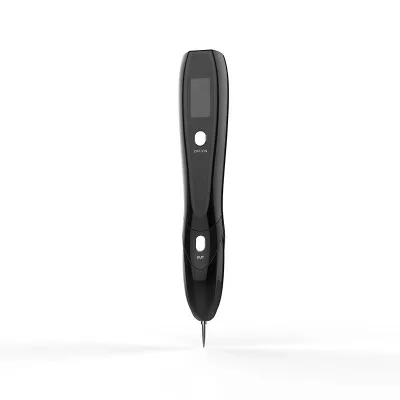
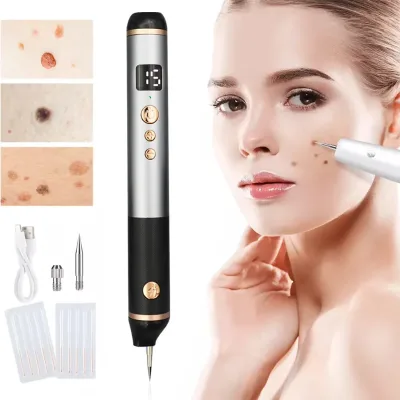
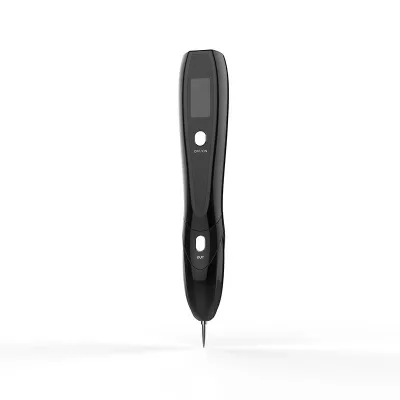
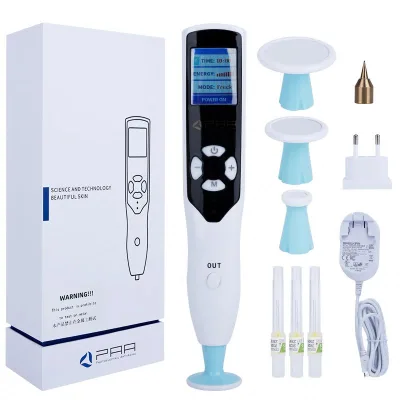


2026 Hot Selling Multi Functional Portable Spot Removal Plasma Lift Pen
$10.74 - $13.50
MOQ: 20 Pieces

Factory Directly Professional Skin Spot Wart Tattoo Mole Remover Cleaning Plasma Pen
$10.74 - $13.50
MOQ: 20 Pieces



Comprehensive Sourcing Guide
Strategic Sourcing Guide for Portable Spot Remover Plasma Pens
Understanding the Core Technology and Functional Scope
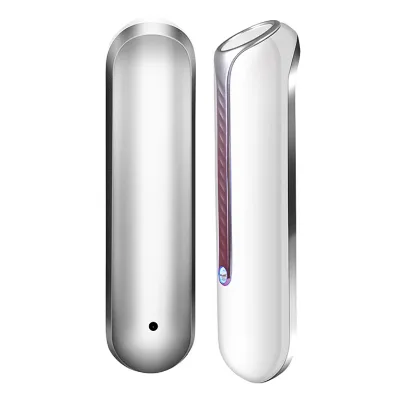
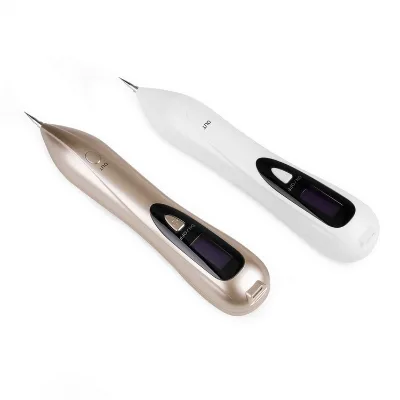
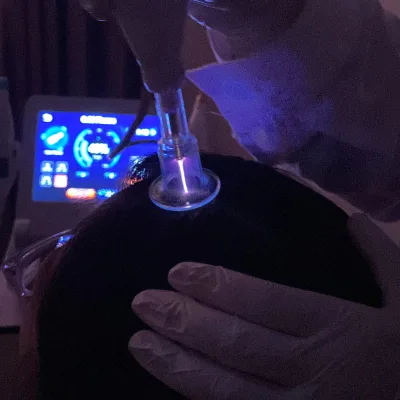
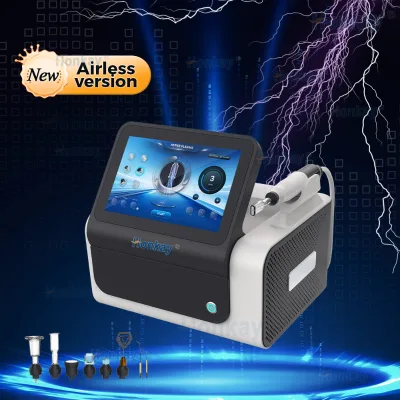
The Portable Spot Remover Plasma Pen represents a specialized category of aesthetic devices designed for non-invasive skin treatments. Based on observed product attributes, these devices function primarily through plasma energy to address various dermatological concerns. The core functionality observed in the market includes spot removal, pigment removal, and mole removal. Advanced models also integrate features for wrinkle reduction, skin tightening, acne treatment, and tattoo removal. The technology is marketed under various descriptors, including "2 in 1 Plasma Ozone Pen" and "Portable Ozone Plasma Pen," indicating a convergence of plasma and ozone technologies in some units.
These devices are engineered for versatility across multiple body areas. While the primary target area is often the face, including specific applications for eyelid lifting and wrinkle reduction, the observed application scope extends to the neck, throat, hands, and body. The operational mechanism typically involves a handheld or standing unit that delivers controlled plasma arcs to the skin surface. The power supply mode is predominantly USB rechargeable, with specific units featuring a battery capacity of 650mAh, allowing for portability and use without immediate tethering to a wall outlet. However, some industrial or commercial variants may rely on direct electric power sources.
Technical Specifications and Operational Parameters
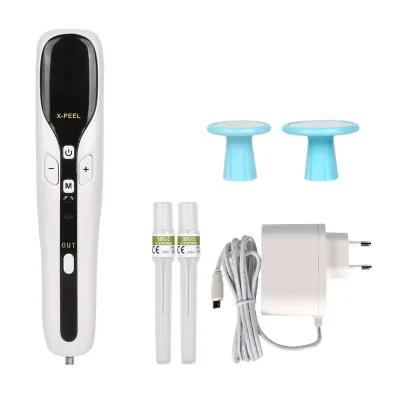
When evaluating the technical specifications of these devices, buyers must distinguish between the varying configurations available in the supply chain. The voltage requirements are a critical compatibility factor, with observed units supporting a dual voltage range of 110V/220V at 50-60Hz. This flexibility is essential for international procurement, ensuring the device can operate in different regional power grids without immediate need for transformers. The power supply interface is frequently USB-based, with specific models supporting USB charging plugs. In contrast, other units may offer a broader range of plug types, including CN, JP, US, EU, AU, UK, ZA, and IT configurations, which directly impacts the accessory requirements for the end-user.
The physical construction of these pens varies significantly. Materials commonly cited include ABS plastic and stainless steel, ensuring durability and resistance to corrosion during repeated sterilization or cleaning. The device weight and dimensions are also key logistical considerations. Observed single package sizes range from 21.5x12x6 cm to 35x18x20 cm, with corresponding gross weights varying from 0.600 kg to 2.000 kg. These dimensions influence shipping costs and storage requirements. Furthermore, the operational settings often include adjustable intensity levels. A specific observation notes a "Gear" setting of 9 levels, allowing users to modulate the plasma output for different skin types and treatment depths. Some advanced models feature an LCD display type, providing visual feedback on settings, while others rely on physical switches.
Application Areas and User Segmentation
The intended application of portable spot remover plasma pens dictates the procurement strategy. The market observes a clear segmentation between home-use and commercial-use devices. Units designated for home use often prioritize compactness, ease of operation, and safety features suitable for non-professionals. These devices frequently target specific areas like the face, eyelids, and hands for cosmetic improvements such as wrinkle removal and spot correction. The "2 in 1" branding often suggests a dual-functionality, combining plasma treatment with ozone therapy for enhanced skin rejuvenation and whitening effects.
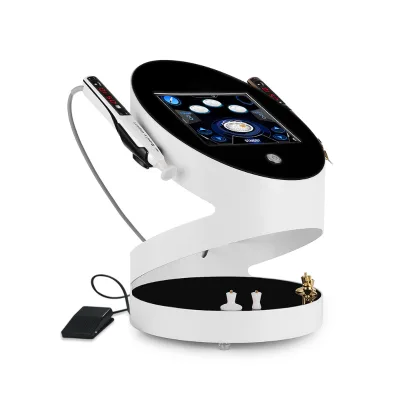
Conversely, commercial-grade units are designed for higher throughput and durability. These devices may feature a "Standing" type configuration rather than a handheld one, or they may be heavy-duty handheld units with extended battery life and robust cooling systems. The application area for commercial units is broader, explicitly listing legs, bodies, and other areas beyond the face. The warranty period observed is consistently 1 year, which serves as a baseline expectation for product reliability. Buyers must verify if the specific model supports the intended application area, as some units are strictly limited to facial treatments while others are marketed for full-body applications.
Cost Drivers and Pricing Dynamics
The pricing structure for portable spot remover plasma pens is influenced by several technical and logistical factors. The observed price range in the market spans from $5.7 to $2,399 USD. This vast disparity is not merely a reflection of brand prestige but is driven by the complexity of the device, the materials used, and the included accessories. Lower-priced units typically feature basic ABS construction, standard USB charging, and limited gear settings. These are often single-item selling units with minimal packaging.
Higher-priced units, conversely, tend to incorporate advanced features such as LCD displays, higher battery capacities, and more comprehensive plug type options. The inclusion of OEM and ODM capabilities also affects the cost structure. Suppliers offering custom branding and design modifications often command higher prices due to the additional engineering and tooling costs involved. Additionally, the single gross weight and package size contribute to the final landed cost. Heavier units with larger packaging dimensions incur higher shipping fees, which can significantly impact the total cost of ownership for bulk buyers. Buyers should analyze the price-to-feature ratio carefully, ensuring that the cost aligns with the required technical specifications for their specific use case.
Supplier Evaluation and Manufacturing Capabilities
Selecting a reliable supplier requires a rigorous evaluation of their manufacturing capabilities and business practices. The place of origin for the majority of these devices is China, with specific regions like Guangdong identified as manufacturing hubs. This concentration suggests a mature supply chain with access to specialized components for electronics and medical-grade plastics. When evaluating suppliers, buyers should verify their capacity for OEM and ODM services. The acceptance of OEM and ODM orders indicates a supplier's flexibility in customizing products for specific market needs, such as branding, packaging, or technical modifications.
The model number is a critical identifier for supplier verification. Observed model numbers include H753, H651, and generic "other" designations. These identifiers help in tracking the specific production line and quality standards associated with a batch. Buyers should request detailed product datasheets that match the model number to the claimed specifications, such as voltage, battery capacity, and material composition. Furthermore, the supplier's ability to provide consistent quality across different color options—ranging from Black, Yellow, White, to Pink—demonstrates their production maturity. It is essential to confirm that the supplier can maintain the integrity of the stainless steel and ABS materials across all color variants without compromising the device's structural integrity or safety.
Quality Control and Compliance Verification
Quality control is paramount when sourcing devices that interact directly with human skin. While specific certification statuses like CE are noted in background data, buyers must treat these as observations rather than guaranteed claims for every listed product. The procurement process must include a verification step where the buyer requests current, valid certification documents from the supplier. The device's waterproof rating is another critical quality metric, with observations showing both "Yes" and "No" ratings. Buyers must explicitly confirm the waterproof status of the specific model they intend to purchase, as this affects the cleaning protocols and the device's suitability for different environments.
The warranty period of 1 year is a standard industry offering, but buyers should scrutinize the terms of this warranty. Does it cover battery degradation, electronic failure, or only manufacturing defects? The single package size and gross weight should be verified against the supplier's shipping documentation to ensure that the product received matches the ordered specifications. Additionally, the power supply mode, whether USB rechargeable or direct electric, must be tested to ensure it meets the safety standards of the destination country. For devices claiming to be suitable for commercial use, buyers should request test results or performance data that validate the device's ability to handle continuous operation without overheating or performance degradation.
Long-Term Procurement and Operational Considerations
Long-term procurement success depends on establishing a sustainable supply chain that can adapt to market changes and regulatory updates. The observed selling units are typically single items, but buyers planning for bulk operations should negotiate packaging and shipping terms that optimize space and reduce damage risks. The variability in single package sizes, from 21.5 cm to 35 cm in length, requires careful logistics planning to minimize shipping costs.
Buyers should also consider the lifecycle of the device. The 650mAh battery capacity observed in some models suggests a finite operational life, and the availability of replacement batteries or charging accessories should be confirmed. The 9-level gear setting offers versatility, but the longevity of the control mechanisms and the stability of the plasma output over time are critical factors. Suppliers that offer comprehensive after-sales support, including technical troubleshooting and spare parts availability, are preferable for long-term partnerships. Finally, buyers must stay informed about evolving regulations regarding aesthetic devices in their target markets, ensuring that the imported units remain compliant with local safety and performance standards throughout the product's lifecycle.
FAQs
How is the Portable Spot Remover Plasma Pen powered?
The device operates via USB rechargeable power with a 650mAh battery capacity. Some commercial models may also support direct electric power supply for continuous operation in professional settings.
What areas of the body can this plasma pen treat?
Target areas include the face, neck, hands, and body for spot and mole removal. Specific models are designed for eyelid lifting and general skin tightening across multiple zones.
Which voltage standards does the device support for international use?
The unit supports dual voltage of 110V and 220V at 50-60Hz frequencies. This allows compatibility with power grids in most countries without requiring a transformer.
Can I customize the product with my own brand name?
Yes, the supplier accepts OEM and ODM orders for custom branding and design. This allows buyers to create unique products tailored to their specific market requirements.
What materials are used to construct the handheld unit?
The device is built from ABS plastic and stainless steel for durability. These materials ensure resistance to corrosion and provide a sturdy structure for repeated use.
How many intensity levels are available for treatment settings?
The pen features 9 adjustable gear levels to control plasma output intensity. Users can select the appropriate level based on skin type and the specific treatment depth required.
What is the standard warranty period for this device?
The product comes with a standard 1-year warranty covering manufacturing defects. Buyers should verify specific terms regarding battery degradation or electronic failures with the supplier.