Source Portable Tactical Belt Hook for Outdoor, Casual, and Tactical Use
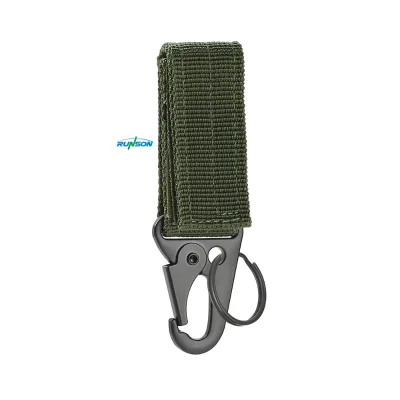
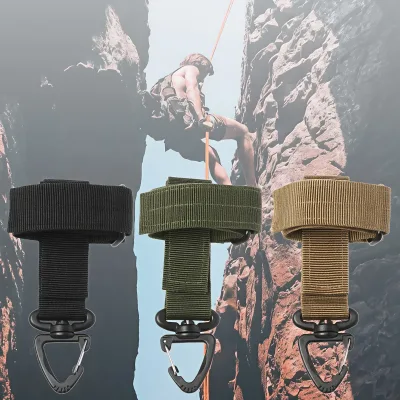
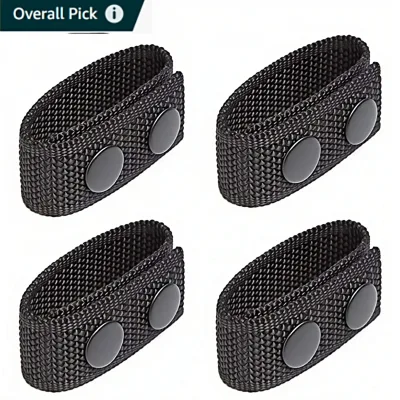
Compare 30 listings for the Portable Tactical Belt Hook featuring steel, nylon, and alloy materials with customization options. Buyers can review specifications like buckle types, dimensions, and packing details from Dongguan and China suppliers.
Key considerations
Products List


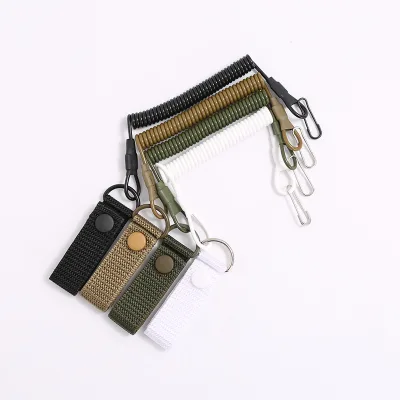
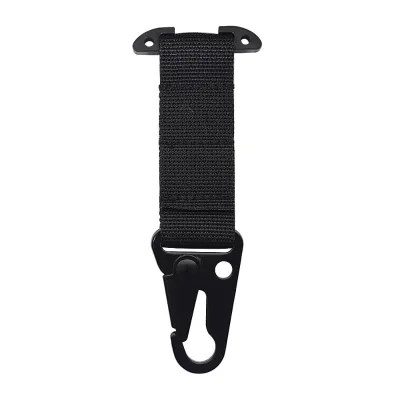


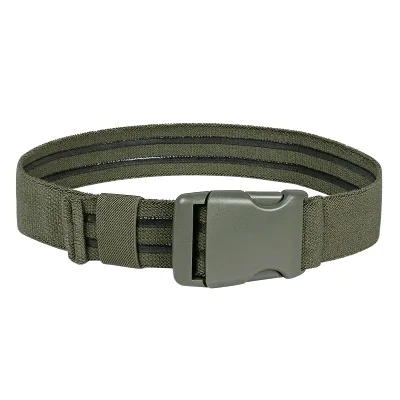





Comprehensive Sourcing Guide
Portable Tactical Belt Hook Sourcing Guide
Sourcing high-performance belt hardware requires a disciplined approach that balances mechanical reliability with supply chain transparency. Buyers must recognize that "tactical" is a functional descriptor rather than a regulated standard, meaning performance claims vary significantly between manufacturers. This guide provides a structured framework for evaluating suppliers, verifying technical specifications, and managing commercial risks associated with belt accessories and complete belt systems.
The procurement process begins with defining the specific use case, whether for casual wear, outdoor activities, or heavy-duty tactical operations. Observed market data indicates a wide range of product configurations, from simple nylon straps with alloy buckles to complex modular systems with cobra-style fasteners. Understanding these distinctions is critical for selecting the right supplier, as capabilities in metal stamping differ vastly from textile weaving and assembly operations.
Product Scope and Observed Listing Signals
The current market landscape for belt accessories reveals a diverse array of product types, including standard fashion belts, tactical webbing, and specialized hardware components. Listings frequently highlight materials such as steel, nylon, and polyester, with buckle options ranging from traditional alloy pins to advanced cobra mechanisms. Buyers should note that product models like B020902 and LQ1022B03 represent distinct manufacturing lines, each with unique packing dimensions and standard lengths that impact logistics planning.
Observations of listing signals show that customization is a prevalent service offering, with many suppliers accepting OEM and ODM requests for logos and specific hardware configurations. However, not all suppliers offer logo customization; some listings explicitly state that customized logos are not accepted, which may indicate a focus on white-label distribution or standardized inventory. Additionally, product attributes such as "Unisex" gender classification and "Casual" or "Outdoor" application tags help narrow the search to relevant supplier portfolios, ensuring alignment with the end-user’s intended environment.
Technical Specifications to Verify
Technical verification must begin with the buckle mechanism, as this is the primary point of failure in belt systems. Buyers should confirm the buckle material, with alloy being a common specification, and assess the buckle type, such as cobra buckles or needle-style fasteners, based on the required strength and ease of use. The belt width is another critical dimension; specifications indicate widths greater than 4cm for certain tactical models, which requires different tooling and material sourcing compared to standard 3cm fashion belts.
Material composition and dimensional standards require precise validation to ensure compatibility with existing inventory or end-user expectations. Nylon and polyester are frequently cited materials, each offering different tensile strengths and water resistance properties. Buyers must verify standard lengths, which can range from 30-46cm for smaller sizes to 130cm for full-length tactical belts, and confirm packing dimensions, such as 28cm x 20cm x 5cm, to calculate accurate freight costs and warehouse storage requirements.
Compliance and Safety Documentation
Compliance documentation serves as a baseline indicator of a supplier’s operational maturity and commitment to quality management systems. Many observed suppliers list certifications such as ISO 9001, BSCI, and Sedex, which demonstrate adherence to international standards for quality management, social responsibility, and ethical labor practices. These certifications are particularly important for buyers in regulated markets or those with strict corporate social responsibility policies, as they provide third-party verification of manufacturing conditions.
However, buyers should treat certification claims as starting points for due diligence rather than absolute guarantees of product safety. It is essential to request current, valid certificates and verify their authenticity through the issuing bodies. Additionally, while general quality standards are often referenced, specific product safety tests for buckle tensile strength or material toxicity should be requested separately, as general ISO certification does not automatically cover product-specific performance metrics.
Cost Drivers and Commercial Terms
Cost structures for belt accessories are influenced by material selection, hardware complexity, and order volume. The observed price range of $0.01 to $10 USD reflects the disparity between simple plastic or basic metal components and fully assembled, branded tactical belts with premium hardware. Buyers must analyze the Bill of Materials (BOM) to understand how much of the cost is attributed to the buckle versus the webbing, as alloy buckles and cobra mechanisms typically command higher prices than standard pin buckles.
Minimum Order Quantities (MOQs) and lead times are significant commercial factors that impact cash flow and inventory management. MOQs range from 2 to 1000 units, allowing for both small-scale sampling and large-volume production runs. Lead times vary considerably, with some suppliers offering arrival times of 30-35 days, while others may require up to 50 days for production, particularly for customized orders involving logo printing or unique packaging. Buyers should negotiate clear terms regarding production schedules and penalties for delays to mitigate supply chain disruptions.
Supplier Qualification and Quality Control
Supplier qualification requires a multi-layered assessment that goes beyond initial product samples. Buyers should evaluate the supplier’s production capacity, specifically their ability to handle both metal stamping for buckles and textile weaving for belts, as integrated manufacturing often ensures better quality control and faster turnaround times. The origin of production, such as Dongguan or broader China-based facilities, can provide insights into the local supply chain ecosystem and the availability of skilled labor and raw materials.
Quality control protocols must be explicitly defined in the purchase agreement. Buyers should request detailed inspection criteria, including checks for buckle functionality, stitching integrity, and material consistency. Since some products are folded or packed in polybags, packaging standards must also be verified to prevent damage during transit. Implementing a pre-shipment inspection (PSI) process is recommended to catch defects before goods leave the factory, reducing the risk of receiving non-conforming inventory.
Long-Term Procurement Checks
Long-term procurement success depends on establishing a robust supplier relationship and continuous performance monitoring. Buyers should track key performance indicators (KPIs) such as on-time delivery rates, defect rates, and responsiveness to quality issues. Regular audits, whether remote or on-site, can help maintain compliance with agreed-upon standards and identify potential improvements in the manufacturing process.
As market demands evolve, suppliers must be able to adapt to new trends, such as changes in buckle styles or material preferences. Buyers should maintain open communication channels to discuss future product developments and potential customization needs. By fostering a collaborative partnership, buyers can secure better pricing, priority production slots, and access to innovative designs, ensuring a competitive advantage in the long run.
FAQs
Can I get a customized logo on the belt?
Yes, customized logos are available for some products, but not all. While one listing accepts customized logos, another explicitly states it does not accept them, so you must verify the specific model requirements before ordering.
What is the typical arrival time for these belts?
The arrival time typically ranges from 30 to 35 days depending on the specific product model. Some items list a 30-day arrival time, while others indicate a 30-35 day window, so confirm the exact timeline with the supplier.
Which certifications do the manufacturers hold?
Manufacturers often hold ISO 9001, BSCI, and Sedex certifications for quality and compliance. These standards ensure the production processes meet international requirements for safety and ethical manufacturing practices in the belt industry.
What materials are used for the belt and buckle?
Belts are commonly made from steel, nylon, or polyester, while buckles are typically alloy. Specific models may feature alloy buckles with needle hardware or cobra buckles, offering durability and a smooth finish for various uses.
How is the product packed for shipping?
Packaging varies by model, ranging from OPP bags to specific polybag configurations. Some items are packed as two pieces in one polybag, while others use larger cartons containing ten pieces, ensuring safe transport during delivery.
What is the minimum order quantity for these belts?
The minimum order quantity ranges from 2 to 1000 units depending on the supplier and product type. Buyers should check the specific listing details as MOQs vary significantly across different tactical belt models and customization options.
Where are these tactical belts manufactured?
Most products originate from Dongguan, China, with some listings specifying China as the general origin. This location is a known hub for manufacturing belts and accessories, ensuring efficient production and logistics for international buyers.