Source Portable Thermal Heat Patch for Neck, Stomach, and Back
Find 30 Portable Thermal Heat Patch options for neck, stomach, and back relief. Compare air-activated self-heating models with varying durability and sizes from Qingdao suppliers to match your sourcing needs; compare the available evidence and request quotations based on your requirements.
Key considerations
Products List


12hours OEM Self Heating Thermal Body Warmer Patch Adhesive Heat Pad Pack
$0.06 - $0.12
MOQ: 20000 Pieces


OEM Warming Sticker - Customized Body Heat Pad for Neck & Shoulder Warmer Patch
$0.21 - $0.23
MOQ: 50000 Pieces


200*135mm Back Meilan Jiangsu, China Pad Portable Patch Heat Hot Pack Ty0602
$0.26 - $0.29
MOQ: 10000 piece

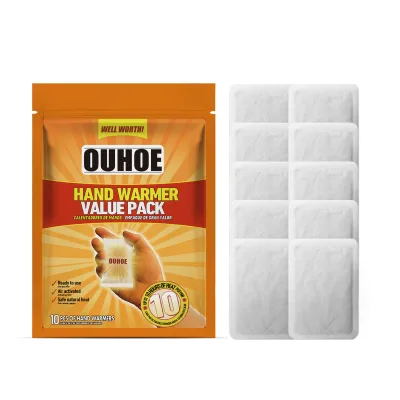
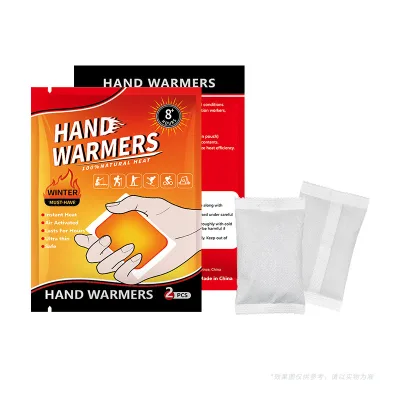
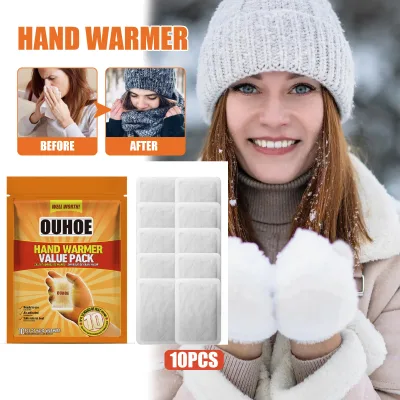
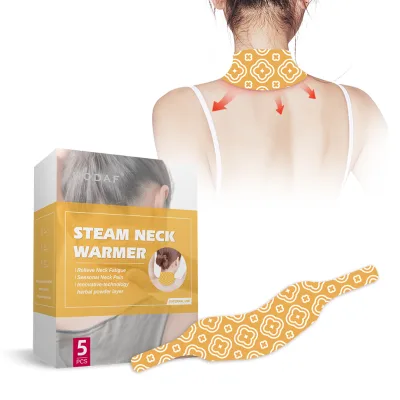
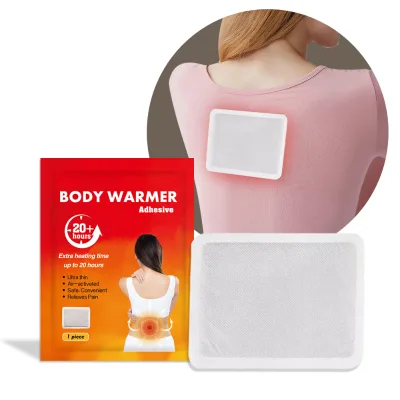


Hot Sale Instant Self Heating Patch Heat Pads Instant Waist Self Warmer
$0.67 - $0.75
MOQ: 10000 Pieces


Air Activated Infrared Portable Heating Patch for Pain Relief & Cramps
$0.10 - $0.20
MOQ: 20000 Pieces


Comprehensive Sourcing Guide
Portable Thermal Heat Patch Sourcing Guide
Sourcing portable thermal heat patches requires a nuanced understanding of air-activated self-heating technologies that rely on iron powder oxidation. These disposable products offer a convenient, chemical-free heating solution for localized pain relief, making them ideal for both personal care and professional rehabilitation settings. Buyers must distinguish between simple adhesive patches and more complex packaging formats, as the latter often influence logistics and shelf-life management. The core mechanism involves exposing the active material to oxygen, which triggers an exothermic reaction lasting between eight and fourteen hours depending on the specific formulation.
Procurement teams should prioritize suppliers who demonstrate consistency in heating duration and temperature stability, as these factors directly impact user satisfaction and clinical efficacy. The observed market data indicates a wide range of customization options, from standard square shapes to irregular forms tailored for specific body parts like the neck, shoulder, or abdomen. Understanding the material composition, which typically includes iron powder, vermiculite, carbon, and water, is essential for evaluating product safety and environmental impact. This guide outlines the critical verification steps needed to secure reliable supply chains for these therapeutic devices.
Product Scope and Observed Listing Signals
The current market landscape for portable thermal heat patches reveals a diverse array of product models, each tailored to specific therapeutic needs and packaging requirements. Listings indicate models such as CP080805-02, BW020722, and BW080518, suggesting a broad portfolio that caters to different size and durability expectations. Buyers will encounter variations in dimensions, ranging from compact 10x13cm patches to larger 85x200mm sheets, allowing for targeted application on areas like the knee, back, or stomach. The presence of multiple model numbers signals that suppliers offer modular solutions, enabling buyers to mix and match products to create comprehensive pain management kits.
Packaging configurations vary significantly, with options including 2PCS per bag, 500PCS per carton, or individual 1PC packs, which directly impacts storage efficiency and distribution costs. The observed shelf life of three years for unopened products provides a substantial window for inventory management, reducing the risk of spoilage for large-scale procurement. Additionally, the use of Kpet+PE packaging materials suggests a focus on moisture barrier protection, which is critical for maintaining the integrity of the air-activated heating elements. These structural details highlight the importance of aligning packaging choices with the intended end-user environment, whether it be retail shelves or clinical storage facilities.
Technical Specifications to Verify
Verifying the technical specifications of thermal heat patches is crucial for ensuring consistent performance and user safety. Buyers must confirm the heating principle, which is typically air-activated self-heating, and validate the durability claims, which range from eight to fourteen hours depending on the specific model. The material composition, often consisting of iron powder, vermiculite, carbon powder, and salt, should be scrutinized to ensure it meets quality standards for thermal output and skin compatibility. Additionally, the weight of individual patches, observed around 40g, influences portability and user comfort, making it a key factor for products marketed as travel-friendly or discreet.
Dimensional accuracy is another critical specification, with standard sizes like 50x120mm and 130x95mm being common, though customized dimensions are frequently available. Buyers should request detailed size charts to ensure the patches fit the intended anatomical areas, such as the neck, shoulder, or waist, without slipping or causing discomfort. The heating time variability, which can be customized to 8-10 hours, 10-12 hours, or 12-14 hours, requires clear communication with suppliers to match product capabilities with customer expectations. Confirming these technical parameters helps prevent discrepancies between ordered specifications and delivered goods, ensuring a seamless procurement process.
Compliance and Safety Documentation
Compliance with international safety standards is non-negotiable when sourcing medical or therapeutic heat patches. Buyers must verify that suppliers hold relevant certifications, such as CE and Mhra, which indicate adherence to European and international regulatory requirements for medical devices and health products. These certifications ensure that the products have undergone rigorous testing for electrical safety, chemical stability, and biocompatibility, although the latter is particularly relevant for adhesive components. Procurement teams should request copies of these certificates and validate their authenticity through official regulatory databases to mitigate legal and reputational risks.
Beyond certifications, buyers should inquire about the specific standards governing the production of iron-based heating elements, such as ISO 13485 for medical device quality management. Understanding the regulatory framework in the target market is essential, as requirements may vary significantly between regions. Additionally, suppliers should provide detailed material safety data sheets (MSDS) to confirm that the ingredients, including iron powder and vermiculite, are safe for skin contact and do not pose inhalation or ingestion hazards. This documentation serves as a critical safeguard, ensuring that the products meet all legal and ethical obligations for consumer health and safety.
Cost Drivers and Commercial Terms
The cost structure of portable thermal heat patches is influenced by several key factors, including raw material prices, packaging complexity, and order volume. Iron powder and carbon, which are primary ingredients, are subject to market fluctuations that can impact production costs. Buyers should negotiate pricing based on tiered quantity discounts, as observed MOQ ranges from 10 to 50,000 units, allowing for flexibility in initial trial orders and large-scale deployments. Customization options, such as unique sizes or packaging designs, may incur additional setup fees, so it is important to clarify these costs upfront to avoid budget overruns.
Commercial terms also play a significant role in the total cost of ownership, with lead times and shipping methods affecting overall expenses. Suppliers located in Qingdao, a major manufacturing hub, may offer competitive logistics advantages, but buyers should still compare freight costs and delivery schedules. Payment terms, such as letters of credit or advance payments, should be aligned with the supplier’s reputation and the order value to ensure financial security. Additionally, the shelf life of three years provides a buffer for inventory management, reducing the financial risk associated with unsold stock and allowing for more strategic purchasing decisions.
Supplier Qualification and Quality Control
Qualifying suppliers for thermal heat patches requires a thorough assessment of their manufacturing capabilities and quality control processes. Buyers should verify the supplier’s production capacity, ensuring they can meet demand without compromising on product consistency or safety standards. Factory audits, whether conducted in person or through third-party agencies, are essential to evaluate the cleanliness of the production environment and the precision of the packaging machinery. Suppliers with a history of producing medical or rehabilitation therapy supplies are often more reliable, as they are likely to have established protocols for quality assurance and regulatory compliance.
Quality control measures should include routine testing of heating duration, temperature stability, and adhesive strength to ensure each batch meets specifications. Buyers should request sample batches for independent testing before committing to large orders, allowing for a direct comparison of performance across different suppliers. Additionally, suppliers should provide clear traceability systems, enabling the identification of any defects or inconsistencies in the supply chain. Establishing a robust quality control framework helps minimize the risk of product failures and ensures that the final products deliver the expected therapeutic benefits to end-users.
Long-Term Procurement Checks
Long-term procurement success depends on continuous monitoring of supplier performance and market trends. Buyers should establish key performance indicators (KPIs) to track delivery times, product quality, and customer feedback, using this data to drive negotiations and improve supply chain efficiency. Regular reviews of supplier certifications and compliance status are necessary to ensure ongoing adherence to regulatory requirements, especially as standards evolve. Building a strong relationship with suppliers can lead to better pricing, priority production slots, and access to new product innovations, providing a competitive advantage in the market.
Additionally, buyers should stay informed about advancements in thermal patch technology, such as improved materials or longer heating durations, to remain competitive. Diversifying the supplier base can mitigate risks associated with single-source dependencies, ensuring business continuity in case of disruptions. Finally, gathering feedback from end-users can provide valuable insights into product performance and areas for improvement, guiding future procurement decisions. By maintaining a proactive approach to supplier management and market analysis, buyers can secure a reliable and cost-effective supply of portable thermal heat patches.
FAQs
How long does the heating time last for these patches?
The heating time lasts between 8 to 14 hours depending on the specific model selected. Some variants provide 8 to 10 hours, while others offer 10 to 12 hours or even 12 to 14 hours of continuous warmth. Customized heating durations are also available to meet specific buyer requirements for extended therapy sessions.
What materials are used to make these thermal patches?
These patches are constructed using iron powder, vermiculite, carbon powder, salt, and water as primary ingredients. The packaging material consists of Kpet and PE layers to ensure safety and durability during storage. This composition enables the air-activated self-heating principle without requiring external power sources.
Which body parts can these patches be applied to safely?
These patches are designed for use on the neck, shoulder, waist, stomach, abdomen, back, and knee areas. Specific models may target the stomach or abdomen exclusively, while others support broader application across multiple body regions. The square or irregular shapes allow for flexible placement on various anatomical contours.
Can I customize the size and packaging for bulk orders?
Yes, customization is available for both product dimensions and packaging configurations. Buyers can select from standard sizes like 50 by 120mm or request custom dimensions. Packaging options include 2 pieces per bag or 500 pieces per carton, allowing flexibility for different distribution and retail needs.
What certifications do these thermal patches hold for safety?
The products hold CE and MHRA certifications, ensuring compliance with international safety and quality standards. These certifications verify that the manufacturing processes meet rigorous regulatory requirements for medical and therapeutic devices. Buyers can rely on these documented standards when sourcing for regulated markets.
How long is the shelf life of unopened thermal patches?
Unopened patches maintain their validity for three years from the date of manufacture. This shelf life ensures that the self-heating mechanism remains effective until the product is ready for use. Proper storage in the original carton packaging helps preserve the integrity of the internal chemical components.
What is the minimum order quantity for these thermal patches?
The minimum order quantity ranges from 10 units up to 50,000 units depending on the supplier and specific product model. This wide range accommodates both small trial orders and large-scale commercial procurement needs. Buyers should verify the exact MOQ with the manufacturer before finalizing their purchase agreement.