Source Portable Waterproof Outdoor Fire Pit for Garden Patio Backyard
Compare 30 listings of portable waterproof outdoor fire pits from verified Chinese manufacturers. Buyers can evaluate stainless steel models suitable for backyard warming and BBQ with customizable folding designs and fuel options.
Key considerations
Products List
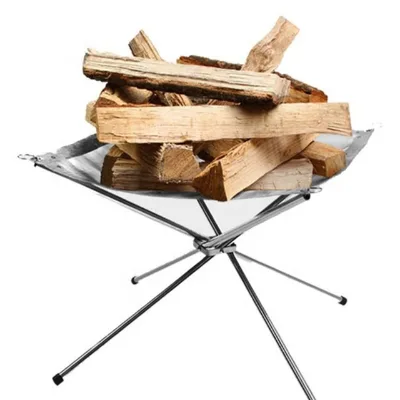


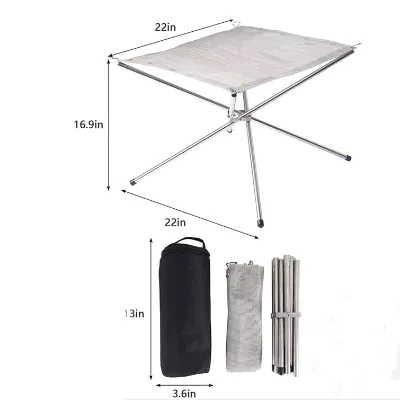


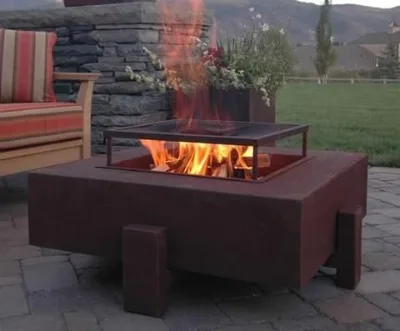
Electric Fire Pit/Customized Large Outdoor Gas Fire Pits With Cheap Price
$50.89 - $305.35
MOQ: 1 Minimum
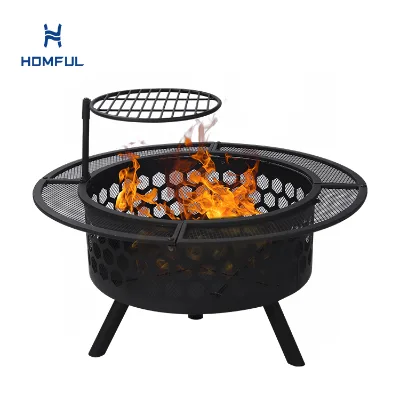
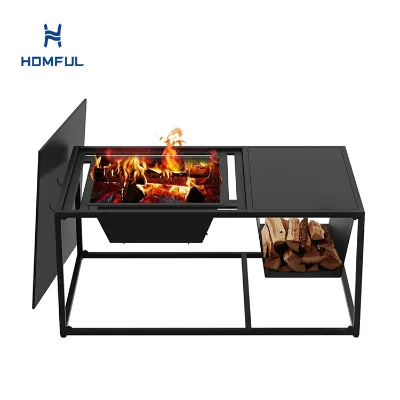
Metal Portable Outdoor Fire Pit Table Wood Burning Fire Pits With Firewood Rack
$54.70 - $55.71
MOQ: 150 pieces

Smokeless Outdoor Aluminum Fire Pit Portable Wood Burning Carbon Fire Pit
$13.80 - $14.50
MOQ: 8 Pieces


Large Outdoor Stainless Steel Fire Pit Portable Wood Burning Smokeless Fire Pit
$38.00 - $50.00
MOQ: 1 Pieces


9 Inch Accept Customization Outdoor Stainless Steel Portable Smokeless Fire Pits
$13.80 - $14.50
MOQ: 1 Pieces

Stainless Steel Portable 19inch Smokeless Fire Pit for Outdoor Wood Burning
$67.00 - $72.00
MOQ: 1 Pieces

Comprehensive Sourcing Guide
Strategic Sourcing Guide for Portable Waterproof Outdoor Fire Pits
Understanding Product Definitions and Core Specifications
When initiating a procurement strategy for a Portable Waterproof Outdoor Fire Pit, buyers must first distinguish between the broad category of outdoor heating and the specific attributes required for portability and weather resistance. The market offers a variety of configurations, but the core keyword implies a unit that is not only mobile but also constructed to withstand exposure to the elements without immediate degradation. Based on available product data, the primary material composition for these units often involves stainless steel, carbon steel, or alloy steel. Stainless steel is frequently cited for its resistance to rust and corrosion, a critical factor for "waterproof" claims in outdoor environments. The structural design typically features a three-legged configuration, which provides inherent stability on uneven ground, a common requirement for backyard and patio settings.
The physical dimensions and weight are significant determinants of portability. Observed specifications indicate a weight around 9.9 kg for certain models, which suggests a balance between durability and manual transportability. The thickness of the steel used in construction is a variable that buyers must scrutinize, with documented ranges extending from 2 mm to 8 mm. Thicker gauges generally offer better heat retention and longevity but increase the overall weight, potentially compromising the "portable" aspect if not engineered correctly. The color finish is another specification to note; units are often available in a silvery natural finish or powder-coated black, which can influence both aesthetic integration and heat absorption properties.
Technical Configuration and Functional Versatility
The functional versatility of a portable fire pit is a major driver in B2B purchasing decisions. The product data highlights a dual-function capability, serving as both a warming station and a grilling surface. This is achieved through specific fuel compatibility, with units designed to burn wood, charcoal, or logs. The inclusion of a grill type, specifically charcoal grills, indicates that the design often incorporates a grate or a specific upper section to support cooking activities. The shape is consistently described as having three legs, which facilitates a compact footprint and easy folding mechanisms.
Assembly and disassembly are critical for the "portable" classification. Features such as "easy to assemble" and "foldable" are standard attributes observed in this category. The folding mechanism often relies on a hinge system or a telescoping leg design, allowing the unit to be packed into a case for transport. The packaging itself is noted to be either a case or a wooden case, suggesting that the manufacturer considers the product fragile enough to require protective shipping containers. The absence of remote controls, automatic thermostats, or overheating protection in the observed data indicates that these are manual, passive heating devices. Buyers should verify if the specific model they are sourcing includes any active safety features, as the baseline data suggests a purely mechanical operation.
Compliance, Certification, and Safety Standards
In the realm of outdoor heating equipment, compliance and certification are non-negotiable elements of a risk-mitigated procurement strategy. While the observed data mentions ISO certifications, specifically ISO 9001:2008, and general ISO standards, buyers must understand that these typically refer to the manufacturer's quality management systems rather than specific product safety certifications for fire pits. The presence of an ISO 9001:2008 certificate suggests that the supplier has a documented process for maintaining quality consistency, which is a positive indicator for supply chain reliability. However, buyers should not assume that this certification automatically covers product safety standards like CE or specific fire safety ratings unless explicitly verified.
The origin of the product is another compliance factor. The data points to origins in Jiangsu, Shandong, and Suzhou, all located in China. Procuring from these regions requires a thorough understanding of the export regulations and the specific standards applied in the destination market. For instance, if the target market is the European Union, the CE marking, though mentioned in background notes, must be verified as a current, valid certification for the specific product batch. Similarly, if the product is intended for industrial applications, as some data suggests, the standards may differ from those for residential backyard use. Buyers must request current test reports and certificates of conformity that align with the regulations of their specific jurisdiction. Relying on generic "customized" standards without concrete documentation can lead to compliance failures at customs or during safety inspections.
Cost Drivers and Pricing Dynamics
The pricing structure for portable waterproof outdoor fire pits is influenced by several key variables, including material grade, manufacturing complexity, and order volume. The observed price range in the market spans from $1 to $399, a wide spectrum that reflects the diversity of product quality and specifications. The lower end of this range likely corresponds to basic carbon steel models with thinner gauges and minimal finishing, while the higher end may include premium stainless steel units with advanced folding mechanisms and thicker construction.
The Minimum Order Quantity (MOQ) is a significant cost driver in B2B transactions. Data indicates an MOQ range of 1 to 500 pieces, with a specific high-confidence observation of 50 pieces. This variability allows buyers to scale their orders based on their immediate needs and cash flow constraints. However, the unit price is inversely related to the order volume; purchasing at the 50-piece threshold will yield a different per-unit cost compared to a bulk order of 500. Additionally, customization is listed as an available feature. Customization, such as altering the dimensions, adding specific logos, or modifying the fuel type compatibility, invariably adds to the production cost and may increase the MOQ. Buyers should factor in the cost of tooling or setup fees when requesting custom specifications, as these are often amortized over the order quantity.
Supplier Evaluation and Manufacturing Capabilities
Evaluating a supplier for portable fire pits requires a deep dive into their manufacturing capabilities and operational history. The observed data lists various processing techniques, including stamping, spinning, and welding. These processes are fundamental to creating the structural integrity of the fire pit. A supplier utilizing both stamping and welding demonstrates a capability to handle complex geometries, which is essential for the three-legged, foldable designs. The mention of "Weiding" (likely a typo for Welding) and "Stamping or Spinning" in the process descriptions suggests a mix of manual and automated production lines.
When assessing potential suppliers, buyers should verify the consistency of their production output. The data mentions "Customized" as a standard, which implies flexibility, but this flexibility must be balanced with quality control. A supplier that offers extensive customization without a robust quality assurance framework may deliver inconsistent products. Buyers should inquire about the supplier's experience with specific materials like stainless steel versus carbon steel, as the welding and finishing techniques differ significantly. Furthermore, the location of the supplier, whether in Jiangsu, Shandong, or Suzhou, can impact logistics and communication. Proximity to major ports and established industrial clusters in these regions often correlates with efficient supply chains, but buyers must still validate the specific factory's capacity to meet their lead time requirements.
Quality Control and Long-Term Procurement Considerations
Ensuring the long-term viability of the product requires a rigorous quality control (QC) protocol. Given the exposure to high temperatures and outdoor elements, the primary QC focus should be on the integrity of the welds and the durability of the finish. The observed thickness range of 2 mm to 8 mm is a critical specification to verify during the inspection phase. Thinner gauges may warp under high heat, compromising the structural stability of the fire pit. Buyers should request third-party inspection reports that specifically test for material thickness, weld strength, and heat resistance.
The "waterproof" claim, while central to the keyword, requires careful interpretation. In the context of fire pits, this usually refers to the ability of the unit to withstand rain and humidity without rapid corrosion, rather than being submersible. The use of stainless steel is the most reliable indicator of this capability, but the quality of the steel grade (e.g., 304 vs. 430) is often not specified in general product listings. Buyers must explicitly request the grade of the stainless steel used to ensure it meets the environmental demands of their target market. Additionally, the packaging method, whether a case or a wooden crate, plays a role in protecting the product during transit. A robust packaging solution prevents damage to the folding mechanisms and the finish, ensuring the product arrives in sellable condition.
Comparative Analysis of Product Attributes
To facilitate decision-making, the following table summarizes the key attributes observed in the market for portable waterproof outdoor fire pits. This comparison highlights the variance in specifications that buyers must navigate.
| Attribute | Observed Specification A | Observed Specification B | Procurement Consideration |
|---|---|---|---|
| Material | Stainless Steel | Carbon Steel, Alloy Steel | Stainless steel offers superior corrosion resistance; Carbon steel is often more cost-effective but requires protective coating. |
| Fuel Type | Charcoal/Wood/Log | Coal, Wood, Charcoal | Verify compatibility with local fuel availability and safety regulations regarding coal usage. |
| Shape/Structure | 3 Legs | Foldable, 3 Legs | Three legs provide stability; folding capability is essential for portability claims. |
| Finish/Color | Silvery | Sliver or Powder Coated Black | Powder coating adds a layer of protection against rust; color affects heat absorption. |
| Thickness | 2 mm - 8 mm (Customizable) | 2 mm - 8 mm | Thicker gauges (closer to 8 mm) offer better durability but increase weight and cost. |
| Certification | ISO 9001:2008 | ISO (General) | Verify if ISO 9001 applies to the specific product line and check for additional safety certifications. |
| MOQ | 50 Pcs | 1 - 500 Pcs | Lower MOQs offer flexibility; higher MOQs reduce unit cost but increase inventory risk. |
| Origin | Jiangsu, China | Shandong, Suzhou, China | Different regions may have varying labor costs and logistical efficiencies. |
Final Procurement Recommendations
In conclusion, sourcing a Portable Waterproof Outdoor Fire Pit requires a balanced approach that weighs technical specifications against compliance and cost factors. The market offers a diverse range of options, from basic carbon steel units to premium stainless steel models with advanced folding mechanisms. Buyers must prioritize the verification of material grades, specifically the stainless steel composition, to ensure the "waterproof" claim holds true in real-world conditions. The absence of automated safety features in the observed data suggests that these are manual devices, and buyers should ensure that the target market accepts this level of operation.
Furthermore, the variability in MOQ and pricing necessitates a clear understanding of the buyer's volume requirements. Engaging with suppliers who demonstrate a clear understanding of the manufacturing processes, such as stamping and welding, will help ensure product consistency. Finally, while the observed data provides a solid foundation for understanding the product landscape, buyers must conduct their own due diligence regarding specific certifications and safety standards relevant to their destination market. By focusing on these critical areas, buyers can secure a supply chain that delivers high-quality, reliable, and compliant portable fire pits for their customers.
FAQs
What materials are used for portable waterproof outdoor fire pits?
Stainless steel is the primary material used for these units to ensure rust resistance. Some models also incorporate carbon steel or alloy steel, often with powder coating for added protection against outdoor elements.
Can these fire pits be used for both warming and cooking?
Yes, the units serve a dual function as both outdoor warming stations and grilling surfaces. They are designed to burn wood, charcoal, or logs, often including a grill type for cooking activities.
How stable are the three-legged fire pit designs on uneven ground?
The three-legged configuration provides inherent stability on uneven ground, which is common in backyard and patio settings. This shape facilitates a compact footprint and supports the folding mechanism for portability.
What is the typical thickness range for the steel construction?
The steel thickness typically ranges from 2 mm to 8 mm and can be customized. Thicker gauges offer better heat retention and longevity but may increase the overall weight of the unit.
Are these fire pits foldable and easy to assemble?
Yes, the products feature easy assembly and foldable designs for convenient transport and storage. They are often packed in cases or wooden crates to protect the folding mechanisms during shipping.
What certifications do the manufacturers typically hold?
Manufacturers often hold ISO certifications, such as ISO 9001:2008, which indicate a quality management system. Buyers should verify if these apply to specific product lines and request current test reports for safety.
What is the minimum order quantity for these fire pits?
The minimum order quantity ranges from 1 to 500 pieces, with a specific observation of 50 pieces. Lower MOQs offer flexibility, while higher volumes generally reduce the per-unit cost.