Source Portable Waterproof Usb-C Juice Extractor for Travel, Gym, and Home
Find and compare 30 portable waterproof usb-c juice extractor options from verified manufacturers. Evaluate features like USB charging, blade materials, and cup capacities to select the right unit for travel, gym, or home use.
Key considerations
Products List


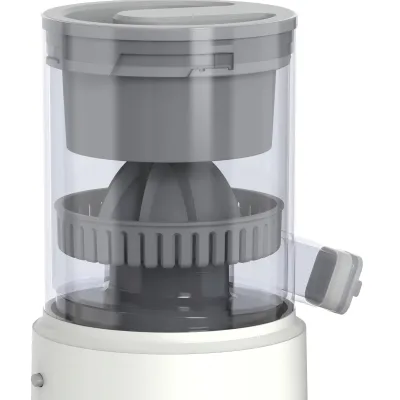
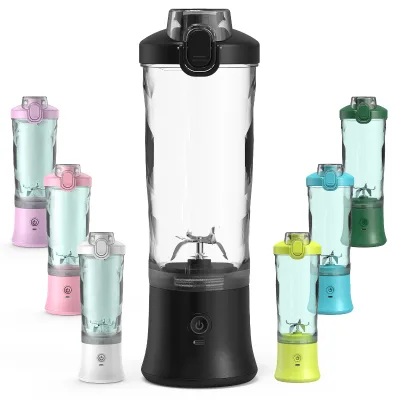


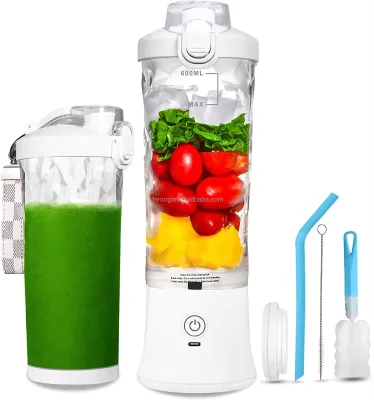
Automatic Multi-Functional USB Fruit Juicer Machines Rechargeable Portable Extractor
$5.70 - $6.30
MOQ: 100 Pieces
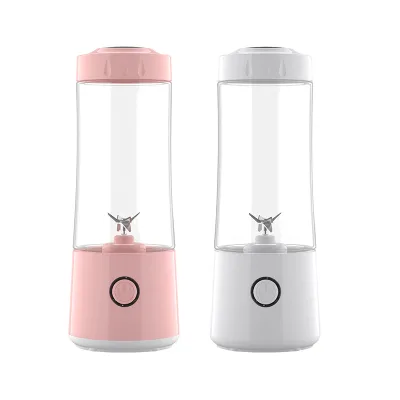


High Quality Berry Juice Extractor/Professional Juice Extractor/Fruit Press Juicer
$1000.00 - $1500.00
MOQ: 1 Pieces
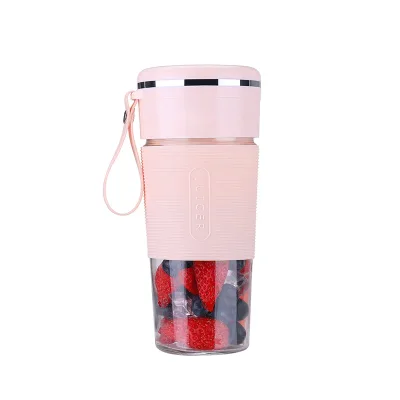


Wholesale Custom Logo 200W Portable Automatic Cold Press Juice Extractor
$18.00 - $20.00
MOQ: 500 Pieces


High Efficiency Belt Fruit Juice Extractor Fruit Belt Extraction Juicer
$150000.00 - $200000.00
MOQ: 1 Sets


Versatile Juice Extractor with Adjustable Speed for Healthier Drinks
$18000.00 - $25000.00
MOQ: 1 Pieces



Vegetables Orange Juice Onion Grape Juice Watermelon Blueberry Juice Extractor
$1560.00 - $2400.00
MOQ: 1 Sets

Vegetables Orange Juice Onion Fresh Fruits, Vegetables, Herbs Juice Extractor
$1560.00 - $2400.00
MOQ: 1 Sets

Lemon Juice Extractor/Orange Juice Extractor/Pineapple Juice Extractor
$44000.00 - $693000.00
MOQ: 1 Sets
Comprehensive Sourcing Guide
Portable Waterproof USB-C Juice Extractor Sourcing Guide
Sourcing portable juice extractors requires a careful balance between compact design, power efficiency, and safety compliance. Buyers must distinguish between true waterproof capabilities and basic splash resistance, as this distinction heavily influences material selection and electronic sealing methods. The market offers a wide range of devices, from simple single-gear citrus squeezers to more complex multi-blade blending units, each serving different operational needs. Understanding these variations is critical for aligning product selection with specific use cases, whether for household convenience, outdoor activities, or automotive use.
This guide focuses on evidence-based procurement strategies for portable USB-C juice extractors, leveraging observed market data and trusted category knowledge. It addresses technical verification, compliance documentation, cost structures, and supplier qualification. By adhering to these guidelines, buyers can mitigate risks associated with inconsistent product quality, unclear certification status, and unreliable supply chains. The objective is to provide a structured approach to evaluating suppliers and products, ensuring that procurement decisions are grounded in verifiable facts rather than marketing claims.
Product Scope and Observed Listing Signals
The current market landscape for portable juice extractors reveals a diverse range of product types, including mini portable USB blenders, single-gear juicers, and citrus-specific devices. Observed listings indicate a price range from $3.01 to $693,000, reflecting significant variation in product complexity, material quality, and packaging options. Minimum Order Quantities (MOQs) typically range from 1 to 1000 units, offering flexibility for both small-scale testing and large-volume procurement. Buyers should note that these figures represent observed market signals and may vary based on supplier capacity, customization requirements, and order volume.
Product attributes observed in listings include various blade materials, such as stainless steel, and housing materials like plastic. Capacities vary, with some models offering 340ml or 400ml cup volumes, while others focus on specific functions like non-drip spouts or automatic pulp ejection. Colors available include white, green, pink, and blue, allowing for customization based on brand identity. It is essential to treat these attributes as observations of specific listings rather than universal standards for all portable juice extractors. Buyers must verify each attribute against their specific requirements, as not every listed product satisfies all potential use cases or design preferences.
Technical Specifications to Verify
Technical verification begins with power source and voltage compatibility. Observed data indicates that many portable units operate on USB power, with some models featuring rechargeable batteries with capacities around 1200mAh and rated voltages of 7.4V. Other models may support a broader voltage range, such as 110-240V, indicating compatibility with various global power standards. Buyers must confirm whether the device is truly USB-C compatible or relies on older USB-A interfaces, as this impacts user convenience and charging infrastructure. Additionally, rated power outputs, observed around 50W to 55W, should be matched against the intended blending or juicing intensity to ensure adequate performance.
Blade configuration and motor specifications are critical for determining extraction efficiency and durability. Listings show variations in blade counts, ranging from 4 to 6 stainless steel blades, and motor types, such as the 7618 model. Buyers should verify the material grade of the blades and housing, ensuring they meet food safety standards and resist corrosion. The presence of features like non-drip spouts, squeezing modes, and automatic pulp ejection should be confirmed through product samples or detailed technical datasheets. It is also important to check the dimensions and weight, as observed models range from compact sizes like 8.58.521.5cm to larger units, impacting portability and storage requirements.
Compliance and Safety Documentation
Compliance with regional safety and environmental standards is non-negotiable for portable electronic devices. Observed certifications include CE, RoHS, and EMC, which are essential for market access in many regions. Buyers must request valid certification documents from suppliers and verify their authenticity through recognized testing bodies. The presence of these certifications indicates that the product meets specific electrical safety, electromagnetic compatibility, and restriction of hazardous substances requirements. However, buyers should not assume that all listed products hold these certifications; verification is a critical step in the procurement process.
Warranty and after-sales service provisions are also key components of compliance and risk management. Observed listings mention a 1-year warranty and free spare parts availability, which can significantly reduce long-term operational costs. Buyers should clarify the terms of the warranty, including coverage for battery degradation, motor failure, and blade damage. Additionally, understanding the supplier’s process for handling defective units and providing replacement parts is crucial for maintaining customer satisfaction. Documentation should clearly outline the scope of coverage, claim procedures, and response times to ensure that support is reliable and accessible.
Cost Drivers and Commercial Terms
Cost structures for portable juice extractors are influenced by material choices, customization options, and packaging requirements. Stainless steel blades and plastic housings are common, but the grade of materials and the complexity of the design can significantly impact the unit price. Customization, such as logo printing, color variations, and packaging design, adds to the overall cost but can enhance brand value. Buyers should request detailed cost breakdowns to understand the contribution of each component to the final price, enabling more informed negotiation and budgeting.
Commercial terms, including MOQs, lead times, and payment conditions, vary widely among suppliers. Observed MOQs range from 1 to 1000 units, offering flexibility for different procurement strategies. Lead times are not explicitly stated in the observed data but are typically influenced by order volume and customization complexity. Buyers should negotiate clear terms for delivery schedules, quality acceptance criteria, and penalties for delays. Payment terms should be structured to balance risk, with options like partial upfront payment and balance upon shipment or inspection being common practices. Understanding these commercial dynamics is essential for establishing a sustainable and profitable supply chain.
Supplier Qualification and Quality Control
Supplier qualification involves assessing manufacturing capabilities, quality management systems, and past performance. Buyers should verify the supplier’s production facilities, including equipment for molding, assembly, and testing. Quality control processes, such as incoming material inspection, in-process checks, and final product testing, should be clearly defined and documented. Suppliers with robust quality management systems are more likely to deliver consistent product quality and meet compliance requirements. Buyers may request audits or third-party inspections to validate these processes, especially for large-volume orders.
Quality control extends to product sampling and performance testing. Buyers should request samples to evaluate build quality, functionality, and user experience. Testing should include battery life, charging efficiency, blade sharpness, and ease of cleaning. Observations from the market indicate that some models feature specific functions like USB rechargeability and non-drip spouts, which should be verified during sampling. Establishing clear quality acceptance criteria and conducting regular inspections during production can help identify and address issues early, reducing the risk of defective products reaching the market.
Long-Term Procurement Checks
Long-term procurement success depends on continuous monitoring of supplier performance and market trends. Buyers should establish key performance indicators (KPIs) for quality, delivery, and service, reviewing them regularly with suppliers. Feedback from end-users and market analysis can provide insights into product improvements and emerging trends, such as new battery technologies or design innovations. Maintaining open communication with suppliers and fostering collaborative relationships can lead to better product development and cost optimization.
Risk management strategies should include diversifying the supplier base and maintaining safety stock for critical components. Buyers should also stay informed about regulatory changes and certification requirements in target markets, ensuring ongoing compliance. Regular reviews of commercial terms and contract conditions can help adapt to changing market dynamics and protect against potential disruptions. By implementing these long-term checks, buyers can build a resilient and efficient supply chain that supports sustainable growth and customer satisfaction.
FAQs
What certifications do these portable USB juice extractors have?
These portable USB juice extractors carry CE, RoHS, and EMC certifications. The product specifications confirm compliance with these standards, ensuring safety and regulatory adherence for international markets without requiring additional testing.
Can I customize the packaging for these mini portable blenders?
Yes, customization is available for the packaging of these mini portable blenders. Buyers can choose between standard packages or customized options to meet specific branding or logistical requirements for their distribution channels.
What is the rated voltage and power for these USB rechargeable units?
The rated voltage is 7.4V with a rated power of 50W for the USB rechargeable units. Some models support a broader voltage range of 110-240V, ensuring compatibility with various power sources during operation.
Which blade materials are used in these stainless steel blade juicers?
These juicers utilize stainless steel blades, with some models featuring six pieces of stainless steel blades. The housing material is plastic, combining durability with lightweight portability for effective blending and juicing tasks.
How much capacity do the cup bodies hold for these portable devices?
The cup bodies hold capacities ranging from 340ml to 400ml depending on the specific model. This volume is suitable for single servings, making the devices ideal for personal use in cars, outdoors, or households.
What is the origin location for these portable USB juice extractors?
The products originate from China, with specific manufacturing locations noted in Shanghai and Zhejiang. This origin information helps buyers assess logistics and potential lead times when sourcing these items for their supply chains.