Source Portable Western Style Photobooth Tripod for events, videos, and photos
Find and compare 30 listings for a Portable Western Style Photobooth Tripod suitable for digital cameras and video recording. Buyers can review specifications, materials, and customization options from multiple suppliers.
Key considerations
Products List


Customized Portable Inflatable Photo Booth Photobooth Dual Camera Shooting
$866.00 - $2066.00
MOQ: 1 pieces


Tripod DSLR Photobooth Machine Compatible Camera Portable Selfie Photo Booth for Wedding
$900.00 - $1050.00
MOQ: 1 Pieces



Comprehensive Sourcing Guide
Strategic Sourcing Guide for Portable Western Style Photobooth Tripods
Understanding the Product Category and Core Attributes
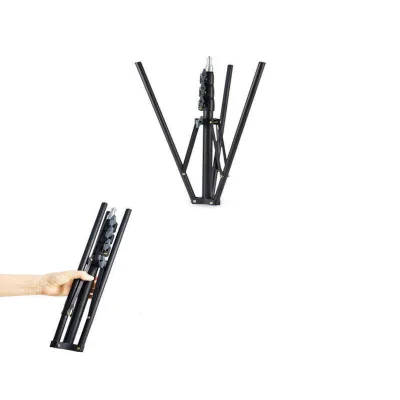
When sourcing a Portable Western Style Photobooth Tripod, buyers must first distinguish between general camera support systems and equipment specifically engineered for event-based, high-volume photography environments. The "western style" designation in this context typically implies a design optimized for stability, rapid deployment, and aesthetic versatility required for weddings, corporate events, and parties. Based on the available product data, the market offers a diverse range of tripods categorized primarily by their structural type and material composition.
The supply chain presents two distinct categories of tripod types: Professional Tripods and Flexible Tripods. Professional models are generally designed for heavy-duty digital and video camera support, offering rigid stability essential for long-exposure photography or heavy lens setups. In contrast, Flexible Tripods provide adaptability for uneven surfaces or unique angles, a feature often valued in dynamic photobooth environments where space is constrained. The material composition is a critical differentiator, with the market offering both Aluminum and Carbon Fiber options. Aluminum tripods provide a balance of durability and cost, while Carbon Fiber variants offer superior weight reduction and vibration dampening, which is crucial for maintaining image sharpness in portable setups.
The compatibility of these tripods is universally broad, with many listings indicating "All" as the compatible brand, ensuring they can support various camera makes and models. This universality is a key factor for photobooth operators who may rotate equipment frequently. Furthermore, the inclusion of mobile holders in certain configurations suggests a convergence of traditional photography and mobile device usage, allowing for hybrid setups that cater to modern social media trends.
Technical Specifications and Configuration Standards
A detailed analysis of technical specifications reveals significant variation in model numbers and physical dimensions, which directly impacts the suitability of a tripod for specific photobooth applications. The product data lists numerous model identifiers, including PE-2213, PE-2216, SAB203-SC, SAB264-SC, and various CAMBOFOTO series models like SAB233-#5877 and CBM264-#0082. These alphanumeric codes often correspond to specific load capacities, height ranges, or leg configurations, though the exact metrics for each model must be verified against the supplier's technical datasheet.
Physical dimensions are a primary concern for portability. The supply data indicates a wide range of carton sizes, reflecting the collapsed dimensions of the tripods. For instance, one standard is listed as 42.536.533cm/ctn, while others vary significantly to 49.521.350.5cm or even larger configurations like 20010050cm. These dimensions dictate the logistics of shipping and storage. A photobooth operator must ensure that the collapsed size fits within their transport vehicle and storage facility. The "Small Orders: Accepted" attribute suggests that suppliers are flexible with initial purchase volumes, which is beneficial for testing different models before committing to large inventory.
The lens and filter compatibility also plays a role in the overall system specification. While the tripod itself is the primary focus, the ecosystem includes accessories such as UV Filters and Polarizer Filters, with specific calibers like 58mm noted in the data. Additionally, lens types ranging from Normal Lenses to Macro Lenses and Zoom Lenses are supported, indicating that these tripods are versatile enough to handle various photographic requirements. The "Neutral Packing" and "Carton" packaging options suggest that branding is often customizable, allowing buyers to rebrand the product for their specific business needs.
Cost Drivers and Pricing Dynamics
The pricing structure for portable photobooth tripods is influenced by material choice, brand reputation, and order volume. The observed listed price range in the market spans from $2.18 to $2,066 USD. This vast disparity highlights the difference between entry-level consumer-grade tripods and high-end professional systems. The lower end of the spectrum likely corresponds to basic aluminum models or flexible tripods with minimal features, while the upper end represents premium Carbon Fiber tripods with advanced engineering, such as integrated fluid heads or specialized locking mechanisms.
The Minimum Order Quantity (MOQ) is another significant cost driver, with observed ranges from 1 to 500 units. Suppliers offering an MOQ of 1 allow for low-risk sampling, which is essential for buyers evaluating product quality before scaling. Conversely, an MOQ of 500 suggests a focus on bulk distribution, where unit costs are likely lower due to economies of scale. The "OEM: Yes" attribute confirms that suppliers are willing to customize products, which can affect the final price. Customization efforts, such as adding specific branding or modifying structural components, typically incur additional costs but can enhance the perceived value of the product for the end-user.
Packaging and logistics also contribute to the total cost of ownership. The data indicates varying quantities per carton, such as 10, 16, or 20 pieces per carton. This variation affects shipping efficiency; higher density packing reduces per-unit shipping costs. Buyers should calculate the total landed cost, including freight, by considering the carton dimensions and weight, which are often tied to the specific model's standard, such as 42.536.547cm/ctn or 45X41X32 cm/ctn.
Supplier Evaluation and Verification Protocols
Evaluating suppliers for photobooth tripods requires a rigorous verification process to ensure reliability and product consistency. The "Cambofoto" brand is explicitly mentioned in the product data, serving as a reference point for brand-specific inquiries. However, buyers should not limit their search to a single brand but rather evaluate the supplier's capacity to meet specific technical requirements. The "Small Orders: Accepted" and "OEM: Yes" attributes are strong indicators of a supplier's flexibility and willingness to engage in a partnership rather than a simple transaction.
When assessing a supplier, buyers should verify the origin of the products. The data confirms that the products originate from China, a major manufacturing hub for camera accessories. Buyers must ensure that the supplier has a robust quality control system in place to maintain consistency across batches. The "Warranty: 1 Year" and "Warranty: One Year" attributes suggest that reputable suppliers offer standard warranty coverage, which is a critical safety net for B2B buyers. However, the terms of this warranty, including what constitutes a defect and the process for claims, must be clearly defined in the contract.
The "Customization: Available" attribute is particularly relevant for photobooth operators who may require specific color schemes, logo placements, or structural modifications. Buyers should request samples of customized products to verify that the quality remains consistent with the standard offerings. Additionally, the "Compatible Brand: All" claim should be validated through practical testing to ensure that the tripod head and mounting mechanisms work seamlessly with the buyer's existing camera inventory.
Quality Control and Compliance Considerations
Quality control in the tripod manufacturing sector involves verifying structural integrity, material consistency, and finish quality. The distinction between Aluminum and Carbon Fiber materials is paramount; Carbon Fiber is generally more expensive but offers better performance in terms of weight and stability. Buyers should request material certificates or test reports to confirm the grade of Carbon Fiber used, as lower-grade materials can lead to premature failure under load.
Compliance and certification checks are essential, although the provided data lists "CE" and "Rohs" with low confidence. This means buyers cannot assume these certifications are present without explicit verification from the supplier. In the B2B context, compliance with international safety and environmental standards is often a prerequisite for selling in certain markets. Buyers should explicitly request proof of CE and RoHS compliance if their target market requires it. The absence of confirmed certification status in the source data necessitates a proactive approach where the buyer includes certification verification as a mandatory step in the supplier qualification process.
The "Standard: Small" and specific carton size standards (e.g., 42.536.533cm/ctn) indicate that packaging is standardized, but the physical robustness of the packaging must be tested to ensure it protects the tripods during transit. The "Qty/CTN" values (10, 16, 20) suggest that the packaging is designed for bulk handling, but the internal cushioning and structural integrity of the carton must be sufficient to prevent damage to the delicate tripod legs and heads.
Typical Applications and Operational Scenarios
Portable western style photobooth tripods are primarily utilized in scenarios requiring high mobility and rapid setup. The "Tripods Use: Digital Camera, Video Camera" attribute confirms their suitability for both still photography and video recording, making them ideal for wedding photobooths, corporate events, and trade shows. The "Flexible Tripod" type is particularly useful in environments with limited space or uneven terrain, such as outdoor festivals or crowded indoor venues.
The inclusion of mobile holders in some models expands the application scope to include social media live streaming and mobile photography, which are increasingly popular at events. The "Camera Filters Type: UV Filter" and "Polarizer Filter" compatibility further enhances the utility of these tripods for professional photographers who need to manage light and reflections. The "Lens Focus Type: Macro Lens" support indicates that these tripods can also be used for detailed product photography or close-up shots, adding versatility to the photobooth setup.
The "Warranty: 1 Year" provides peace of mind for high-frequency users, as photobooth equipment often undergoes significant wear and tear. Buyers should consider the operational environment when selecting a model; for instance, Carbon Fiber tripods are better suited for outdoor use due to their resistance to temperature changes and corrosion, while Aluminum tripods may be more cost-effective for indoor, controlled environments.
Long-Term Procurement and Inventory Management
Long-term procurement strategies for photobooth tripods should focus on building a resilient supply chain that can adapt to changing market demands. The "OEM: Yes" and "Customization: Available" attributes suggest that suppliers can scale production and adapt products to specific needs, which is crucial for businesses looking to grow. Buyers should establish a long-term relationship with suppliers who demonstrate flexibility and a commitment to quality, rather than simply seeking the lowest price.
Inventory management is another critical aspect. The "Small Orders: Accepted" feature allows buyers to maintain a lean inventory, reducing the risk of overstocking. However, for popular models, maintaining a buffer stock is advisable to prevent stockouts during peak seasons. The varying "Qty/CTN" values (10, 16, 20) should be factored into inventory planning to optimize storage space and shipping efficiency.
Finally, buyers should monitor the market for new models and technological advancements. The diverse range of model numbers (e.g., PE-2213, SAB203-SC, 360N) indicates a dynamic product landscape. Staying informed about new releases and updates can help buyers maintain a competitive edge by offering the latest and most efficient equipment to their clients. Regular review of supplier performance and product quality will ensure that the procurement strategy remains aligned with business goals and customer expectations.
FAQs
What tripod types are available for photobooth use?
The market offers Professional Tripods and Flexible Tripods for photobooth applications. Professional models provide rigid stability for digital and video cameras, while flexible options adapt to uneven surfaces. Both types support various camera brands and are available in Aluminum or Carbon Fiber materials.
Can I customize the product packaging and branding?
Yes, customization is available for branding and packaging needs. Suppliers offer Neutral Packing or standard Carton options with varying quantities per carton. Buyers can request OEM services to add specific logos or modify structural components to meet their business requirements.
What warranty coverage is provided for these tripods?
Reputable suppliers typically offer a one-year warranty for their tripod products. This coverage applies to defects in materials and workmanship under normal use conditions. Buyers should verify specific warranty terms regarding claim processes and coverage limits before placing large orders.
Which materials are used for tripod construction?
Tripods are constructed from Aluminum or Carbon Fiber materials. Aluminum offers a balance of durability and cost, while Carbon Fiber provides superior weight reduction and vibration dampening. The choice of material significantly impacts the final price and performance characteristics of the equipment.
What is the minimum order quantity for sourcing?
The minimum order quantity ranges from 1 to 500 units depending on the supplier and product model. Some vendors accept small orders for sampling, while others focus on bulk distribution with higher MOQs. Buyers can select suppliers based on their specific inventory and testing needs.
Are mobile holders included with the tripod systems?
Mobile holders are included in certain tripod configurations to support hybrid setups. This feature allows the equipment to accommodate both traditional cameras and mobile devices for social media live streaming. The inclusion of these holders expands the versatility of the photobooth system for modern events.
What lens and filter types are compatible with these tripods?
These tripods support Normal, Macro, and Zoom lenses along with UV and Polarizer filters. Specific filter calibers like 58mm are available to match various camera requirements. The universal compatibility ensures the tripods work seamlessly with a wide range of photographic equipment and accessories.