Source Portable Wearproof Soccer Rebounder for Training, Practice, and Entertainment
Compare 30 Portable Wearproof Soccer Rebounder options from verified Chinese manufacturers. Buyers can evaluate specifications like thickness, material, and dimensions for indoor and outdoor soccer training applications. These units feature self-lubricating surfaces, waterproof properties, and customizable sizes to suit various entertainment and engineering needs.
Key considerations
Products List


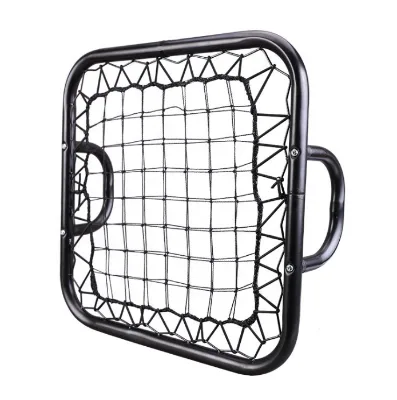
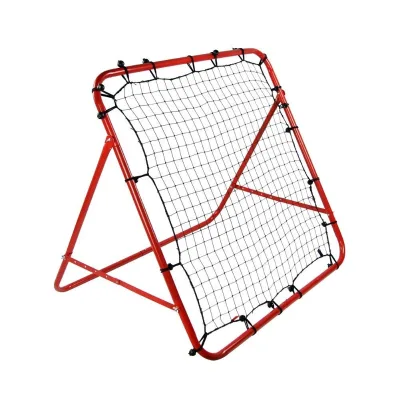
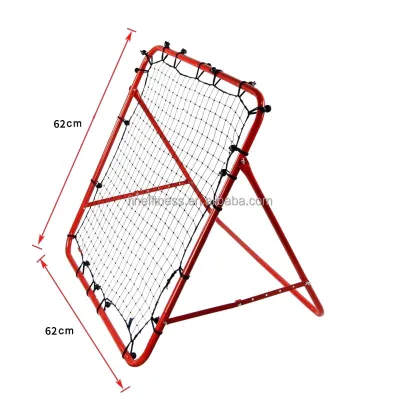
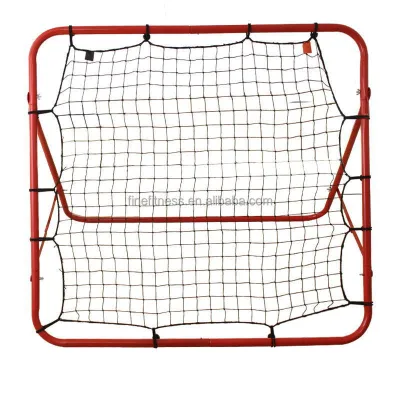
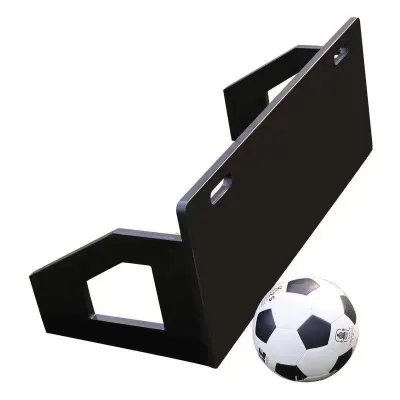


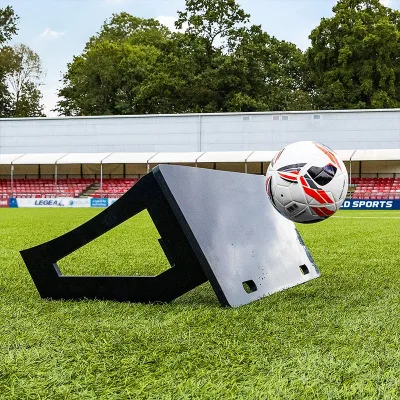


Portable Football Sport Rebounder Board Soccer Training Equipmentrebounder Wall
$20.00 - $49.00
MOQ: 10 Pieces

Comprehensive Sourcing Guide
Portable Wearproof Soccer Rebounder Sourcing Guide
Sourcing portable wearproof soccer rebounders requires a clear understanding of the material science behind high-density polyethylene (HDPE) and ultra-high-molecular-weight polyethylene (UHMWPE) sheets. These engineering plastic sheets are selected for their exceptional durability, low water absorption, and self-lubricating properties, which are critical for maintaining performance in both indoor and outdoor environments. Buyers must recognize that the "wearproof" attribute is directly linked to the material's tensile strength and elongation at break, ensuring the board can withstand repeated high-impact ball strikes without cracking or deforming.
The procurement process involves verifying specific physical attributes such as density, coefficient of friction, and surface texture. Observed listings indicate that these rebounders often feature anti-slip patterns and are available in various colors, including black, white, red, and yellow, to suit different facility aesthetics. Understanding these technical nuances allows procurement teams to distinguish between standard plastic boards and true engineering-grade rebounders that offer consistent ball return angles and long-term structural integrity under heavy usage conditions.
Product Scope and Observed Listing Signals
The current market for portable soccer rebounders displays a wide range of specifications, with observed prices varying significantly based on material quality and customization options. Listings indicate that products are available in customized sizes, with thicknesses commonly observed at 15mm, 20mm, or 2cm, and standard models often measuring 100x40cm or 150x40cm. Buyers should note that while some suppliers offer generic sizes, many provide fully customized dimensions to fit specific training facilities, requiring careful verification of the final product dimensions against the facility's spatial constraints.
Commercial signals also reveal variations in packaging and shipping metrics, with net weights around 12kg and gross weights near 15kg for standard units. Packaging methods range from wooden or iron pallets for bulk shipments to individual carton boxes for smaller orders, which impacts logistics planning and storage requirements. The presence of handles with specific dimensions, such as 10x4.5cm, suggests a focus on portability, allowing coaches and athletes to easily transport the equipment between different training locations, a key feature for mobile training programs.
Technical Specifications to Verify
When evaluating technical specifications, buyers must prioritize the material type, as listings distinguish between PE, UHMWPE, and HDPE variants, each offering different performance characteristics. Key metrics to verify include tensile strength, which can range from 30-40MPa for certain engineering plastics to 81-130MPa for higher-grade boards, directly influencing the board's resistance to impact damage. Additionally, the coefficient of friction, typically observed between 0.12 and 0.15, plays a crucial role in determining how the ball interacts with the surface, affecting the speed and angle of the rebound during training drills.
Other critical technical parameters include water absorption rates, which should be minimal (less than 0.01%) to prevent swelling or degradation in outdoor conditions, and contraction percentages, which vary between 0.4% and 5.0% depending on the material formulation. Buyers should also inspect the surface finish, looking for self-lubricating and anti-slip patterns that enhance grip and safety. Verifying these specifications ensures that the selected rebounder meets the rigorous demands of professional training, providing consistent performance regardless of environmental conditions or frequency of use.
Compliance and Safety Documentation
Safety compliance is paramount when sourcing equipment used in athletic training, particularly for rebounders that involve high-velocity ball impacts. Buyers should request documentation confirming that the materials used are free from harmful substances and meet relevant safety standards for sports equipment. While specific certification names may vary by region, it is essential to verify that the product has undergone appropriate testing for structural integrity and surface safety to prevent injuries during intense training sessions.
Additionally, procurement teams should ensure that the rebounder's design includes safety features such as rounded edges or secure mounting options to prevent tipping or accidental movement. Documentation regarding the product's origin, particularly from regions like Dezhou or Shandong in China, should be reviewed to understand the manufacturing quality controls in place. Buyers must also confirm that the packaging and labeling comply with international shipping regulations, ensuring that the product arrives in good condition and with all necessary safety warnings and usage instructions clearly displayed.
Cost Drivers and Commercial Terms
Several factors influence the final cost of portable soccer rebounders, with material type and customization being the primary drivers. UHMWPE and HDPE materials generally command higher prices due to their superior durability and performance characteristics compared to standard PE sheets. Customization options, such as specific sizes, colors, or thicknesses, can also increase costs, as they require additional manufacturing steps and tooling adjustments. Buyers should carefully evaluate whether these customizations are necessary for their specific training needs or if standard sizes offer sufficient flexibility.
Commercial terms, including minimum order quantities (MOQ) and payment conditions, vary among suppliers, with observed MOQs ranging from single units to bulk orders of 50 sets or more. Lead times and shipping costs are also significant considerations, especially for international procurement, as the weight and dimensions of the rebounders impact freight charges. Buyers should negotiate clear terms regarding warranty, return policies, and after-sales support to mitigate risks associated with potential defects or damage during transit, ensuring a smooth procurement experience.
Supplier Qualification and Quality Control
Selecting a reliable supplier involves rigorous qualification processes to ensure consistent product quality and timely delivery. Buyers should verify the supplier's manufacturing capabilities, including their experience with engineering plastic sheets and their ability to produce customized rebounders to exact specifications. Requesting samples before placing bulk orders is a critical step, allowing procurement teams to physically inspect the material quality, surface finish, and overall construction of the rebounder.
Quality control measures should be clearly defined in the purchase agreement, including inspection protocols for tensile strength, water absorption, and dimensional accuracy. Buyers should also assess the supplier's track record for consistency, ensuring that each batch of products meets the same high standards. Establishing a clear communication channel for addressing any quality issues or discrepancies is essential, as it enables quick resolution and maintains the integrity of the training equipment supply chain.
Long-Term Procurement Checks
Long-term procurement success depends on establishing ongoing quality assurance and performance monitoring protocols for soccer rebounders. Buyers should implement regular inspections of the equipment in use, checking for signs of wear, cracking, or surface degradation that could affect performance or safety. Tracking the lifespan of different material types and suppliers helps in making informed decisions about future purchases, ensuring that the chosen products continue to meet the evolving needs of the training program.
Additionally, maintaining open lines of communication with suppliers for feedback on product performance can lead to continuous improvement and better product offerings. Buyers should also stay informed about advancements in materials science and manufacturing techniques that could enhance the durability and functionality of soccer rebounders. By proactively managing the procurement lifecycle, organizations can ensure that their training facilities are equipped with reliable, high-performance rebounders that support athlete development and safety over the long term.
FAQs
What materials are used for portable wearproof soccer rebounders?
Portable wearproof soccer rebounders are typically constructed from high-density polyethylene or ultra-high-molecular-weight polyethylene sheets. These engineering plastic materials provide exceptional durability and wear resistance for both indoor and outdoor use. The sheets often feature a self-lubricating and anti-slip surface pattern to enhance ball rebound consistency and safety during training sessions.
Can I customize the size and color of the rebounder board?
Yes, customization is available for both size and color. Buyers can select from standard dimensions like 100x40cm or 150x40cm, or request other sizes. Standard colors include black, white, red, yellow, blue, and green. The product standard allows for any size, color, and thickness to meet specific training requirements or branding needs.
What is the minimum order quantity for these soccer rebounders?
The minimum order quantity is generally 50 sets for standard configurations. However, some suppliers may accept lower quantities starting from one unit for sample orders. Buyers should verify specific MOQ requirements with manufacturers, as policies vary based on customization levels and production capacity. Bulk orders often benefit from more flexible terms.
How thick are the plastic sheets used in the rebounder?
The plastic sheets used in these rebounders typically have a thickness of 15mm, 20mm, or 2cm. Customized thickness options are also available to suit different impact requirements. The material density ranges from 0.93 to 0.96, ensuring the board remains lightweight yet sturdy enough for repeated high-impact soccer ball collisions.
Where are these soccer rebounder boards manufactured?
These soccer rebounder boards are manufactured in China, with specific production origins noted in Dezhou and Shandong provinces. Buyers can source directly from these regions to leverage established manufacturing hubs. The products are packed on wooden or iron pallets for secure international shipping, ensuring the boards arrive in optimal condition for immediate deployment.
What are the physical properties of the rebounder material?
The rebounder material exhibits a tensile strength of 30 to 130 MPa and an elongation at break of 300 to 500 percent. It has a very low water absorption rate of less than 0.01 percent and a coefficient of friction between 0.12 and 0.15. These properties ensure the board remains stable and effective in various weather conditions.