Source Powder Calcium Phosphate Monobasic for leavening, buffering, and dough conditioning
Compare 30 listings of Powder Calcium Phosphate Monobasic from verified Chinese manufacturers. Buyers can evaluate specifications, certifications, and pricing for food grade and feed grade applications.
Key considerations
Products List


Factory Supply Food Grade Monocalcium Phosphate/Mcp/Calcium Phosphate Monobasic
$1210.00 - $1250.00
MOQ: 1 Tons


Monocalcium Phosphate/ Calcium Biphosphate/ Acid Calcium Phosphate/ Mcp
$1500.00 - $1700.00
MOQ: 25 Tons




Comprehensive Sourcing Guide
Strategic Sourcing Guide for Powder Calcium Phosphate Monobasic
Understanding Product Specifications and Variability
When sourcing Powder Calcium Phosphate Monobasic, buyers must first navigate a landscape of diverse technical specifications that often vary significantly between suppliers. The core keyword implies a specific chemical compound, yet the market data reveals a broader spectrum of calcium phosphate products, including food grade, feed grade, and industrial grade variants. The observed product attributes indicate that purity levels are a critical differentiator, with documented ranges spanning from 90% to 100%. Some listings specify a purity of 98-100%, while others cite an assay of 99.0% or a range of ≥99%. This variability necessitates that procurement teams do not assume a single standard purity for all "monobasic" products but rather verify the exact assay percentage required for their specific application.
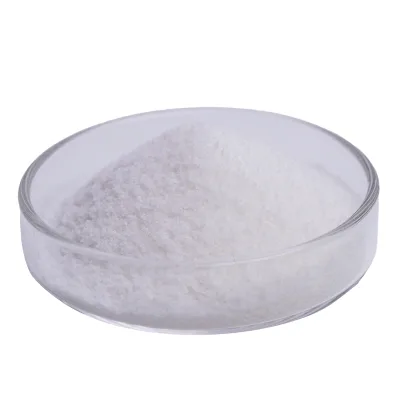
Color is another consistent attribute, with the majority of listed products described as a white powder. However, physical characteristics such as mesh size also play a vital role in processing efficiency. One specific application note mentions a requirement for >95% pass through a 325 mesh sieve, indicating that particle size distribution is a non-negotiable quality parameter for certain manufacturing processes. Furthermore, the calcium content itself varies, with some specifications noting a range of 34%-40%, which is essential for formulators calculating the exact nutrient density of their final products. Buyers must treat these numerical values as specific observations of individual listings rather than universal standards for the entire category.
The physical form and packaging also require careful attention. While the primary form is a powder, the packaging methods differ. Common configurations include 25kg bags, 25kg kraft paper bags with PE liners, and generic bag formats. The choice of packaging directly impacts logistics costs and product integrity during transit. Additionally, the shelf life is a critical operational factor, with observed durations ranging from greater than 12 months to 2 years. These variations influence inventory management strategies and the feasibility of long-term supply contracts.
Compliance Framework and Certification Verification
Navigating the regulatory landscape for calcium phosphate monobasic requires a rigorous verification of certifications and grade standards. The product data highlights a complex mix of certifications, including ISO, CIQ, BRC, HACCP, GMP, and specific food safety standards like FSSC, Halal, and Kosher. It is crucial for buyers to understand that not every supplier possesses every certification. For instance, while ISO is frequently mentioned, specific combinations like BRC and HACCP appear in distinct listings. Similarly, the grade standard is not uniform; products are categorized as Food Grade, Feed Grade, or Industrial Grade.
The regulatory compliance of the product is often tied to its intended application. Food-grade products must adhere to standards such as FCC (Food Chemical Codex), EU Law, and USP (United States Pharmacopeia). Feed-grade products, conversely, may be subject to different regulatory frameworks focused on animal nutrition. The presence of a "Certificate: Brc Fssc Halal Kosher" in some listings suggests that suppliers catering to the global food market often bundle multiple certifications to meet diverse regional requirements. However, buyers must not assume that a product labeled as food grade automatically holds all these certifications. Each certification represents a specific audit of the manufacturing facility and quality control processes.
Standard verification is equally important. The product data lists standards such as FCC, EU LAW, and USP, alongside specific assay standards like >95% or 99.0%. When evaluating a supplier, procurement professionals must request the specific certificate of analysis (CoA) that aligns with the standard claimed. For example, if a buyer requires a product compliant with USP, they must verify that the supplier's documentation explicitly references this standard, rather than relying on a general "Food Grade" label. The origin of the product, primarily from regions like Jiangsu and Lianyungang in China, also influences the regulatory context, as local export standards may differ from destination country requirements.
Cost Drivers and Economic Factors
The economic landscape for sourcing Powder Calcium Phosphate Monobasic is characterized by a wide range of pricing and minimum order quantities (MOQs). The observed price range in the market spans from $1 to $1,700, a disparity that likely reflects differences in product purity, packaging, order volume, and the specific grade of the material. A price of $1 might correspond to a bulk industrial grade or a very small sample unit, whereas $1,700 could represent a high-purity food-grade batch with specialized packaging. Buyers should approach these figures as market observations rather than fixed benchmarks, understanding that the final cost is heavily dependent on the specific technical requirements of the purchase.
MOQs present another significant variable, ranging from 1 unit to 2,000 units. This wide range offers flexibility for different types of buyers. Small-scale manufacturers or R&D departments may benefit from suppliers offering an MOQ of 1, allowing for trial runs without significant capital commitment. Conversely, large-scale industrial buyers can leverage higher volume orders to negotiate better unit economics, potentially targeting the lower end of the price spectrum. The ability to customize orders is also noted as an available attribute, which can influence cost structures. Customization often involves additional processing steps or specific packaging requirements, which may increase the unit price but reduce downstream handling costs for the buyer.
Logistics and origin play a subtle but important role in the total cost of ownership. With the primary production origin being China, specifically Jiangsu and Lianyungang, buyers must factor in international shipping costs, import duties, and potential currency fluctuations. The lead time, while not explicitly quantified in the provided data, is a critical component of the cost calculation. Longer lead times may necessitate higher safety stock levels, increasing holding costs. Therefore, a comprehensive cost analysis must look beyond the unit price to include the total landed cost, considering the MOQ flexibility, customization options, and the reliability of the supply chain from the point of origin.
Typical Applications and Functional Roles
The functional versatility of Powder Calcium Phosphate Monobasic is evident in the diverse applications listed across the product data. The material serves multiple roles depending on the industry and the specific formulation. In the food and beverage sector, it acts as a leavening agent, buffering agent, dough conditioner, and nutritional supplement. The specific mention of "Double Reaction of Baking Powder" highlights its critical role in the baking industry, where it interacts with other ingredients to produce carbon dioxide for dough rising. Additionally, its function as a calcium intensifier and phosphorus intensifier makes it valuable for fortifying food products to meet nutritional labeling requirements.
Beyond food processing, the material finds application in the feed industry as a functional feed and a digestive enhancer. This dual-use capability requires buyers to clearly distinguish between food-grade and feed-grade specifications to ensure regulatory compliance. The industrial applications are also significant, with the product being utilized in the glass and plastic manufacturing sectors. In these contexts, the material likely serves as a flux or a stabilizer, contributing to the structural integrity or chemical properties of the final product. The attribute "Composite Bulking Agents" further suggests its use in formulations where volume and texture are critical.
The specific application dictates the required purity and grade. For instance, a product intended for nutritional supplements or flour products may require a higher purity level (e.g., 98-100%) and specific certifications like Halal or Kosher. In contrast, a product for industrial glass manufacturing might prioritize different physical properties over food safety certifications. Buyers must align their procurement strategy with the end-use application, ensuring that the selected product meets the functional demands of their specific process. The versatility of the material means that a single supplier may offer different grades for different applications, requiring careful selection to avoid cross-contamination or regulatory issues.
Supplier Evaluation and Quality Assurance
Evaluating suppliers for Powder Calcium Phosphate Monobasic requires a multi-dimensional approach that goes beyond price and basic specifications. The presence of certifications such as ISO, BRC, HACCP, and GMP indicates a commitment to quality management systems, but buyers must verify the validity and scope of these certifications. A supplier claiming ISO certification should provide evidence of the specific standard (e.g., ISO 9001) and the scope of the certification. Similarly, food safety certifications like BRC and HACCP are critical for suppliers serving the food industry, as they demonstrate adherence to rigorous safety protocols.
Quality control processes are paramount in ensuring product consistency. The observed variations in purity, from 90% to 100%, underscore the need for robust quality assurance measures. Buyers should request detailed certificates of analysis (CoA) for each batch, verifying parameters such as assay, mesh size, and heavy metal content. The specification of "Assay >95%" or "99.0%" in the product data highlights the importance of batch-to-batch consistency. A reliable supplier will have a documented quality control system that ensures every shipment meets the agreed-upon specifications.
Supplier reliability is also assessed through their ability to meet lead times and handle customization requests. The data indicates that customization is available, which suggests that suppliers are capable of adapting to specific buyer needs. However, the ability to deliver on these customizations consistently is a key differentiator. Buyers should evaluate the supplier's production capacity, inventory management, and logistics capabilities. The origin of the product, primarily from Jiangsu and Lianyungang, should be verified to ensure that the supplier is indeed the manufacturer or an authorized distributor with direct access to the production facility. This transparency reduces the risk of supply chain disruptions and ensures traceability.
Long-Term Procurement and Supply Chain Resilience
Establishing a long-term procurement strategy for Powder Calcium Phosphate Monobasic involves more than just securing a one-time purchase. It requires building a resilient supply chain that can adapt to market fluctuations and changing regulatory requirements. The observed shelf life of 12 months to 2 years allows for strategic inventory planning, but buyers must consider the stability of the product over time. Proper storage conditions are essential to maintain the integrity of the powder, especially given its hygroscopic nature and potential reactivity.
The variability in MOQs and pricing suggests that buyers should consider a tiered sourcing strategy. For high-volume, consistent needs, securing a contract with a supplier offering lower MOQs and competitive pricing for bulk orders can optimize costs. For smaller, variable needs, maintaining relationships with suppliers who offer flexible MOQs and customization options can provide agility. The availability of certifications like Halal and Kosher also indicates that buyers serving global markets should prioritize suppliers with a track record of international compliance.
Long-term success also depends on the supplier's ability to innovate and adapt. The product data shows a range of applications, from food additives to industrial materials. A supplier that can offer technical support and guidance on the application of calcium phosphate monobasic can add significant value to the buyer's operations. This partnership approach ensures that the buyer stays informed about new developments in the field and can leverage the supplier's expertise to optimize their formulations. Ultimately, a successful procurement strategy balances cost, quality, and reliability, ensuring a steady supply of high-quality Powder Calcium Phosphate Monobasic to meet the evolving needs of the market.
FAQs
What certifications are available for Powder Calcium Phosphate Monobasic?
Available certifications include ISO, BRC, HACCP, GMP, CIQ, FSSC, Halal, and Kosher. Buyers must verify that specific listings hold the exact combination required for their target market, as not every supplier possesses all listed credentials.
Which purity levels are observed for this product?
Observed purity levels range from 90% to 100%, with specific listings citing 98-100%, 99.0%, or ≥99%. Procurement teams should request batch-specific certificates of analysis to confirm the exact assay percentage for their application.
Can suppliers customize packaging for this material?
Customization is available for packaging and specifications. Common configurations include 25kg bags, 25kg kraft paper bags with PE liners, or generic bag formats, allowing buyers to align logistics needs with product integrity requirements.
What are the typical shelf life durations for this product?
Shelf life durations observed in the market range from greater than 12 months up to 2 years. Inventory management strategies should account for these variations to ensure product quality throughout the supply chain.
How does the product grade affect its application?
The product is available in Food Grade, Feed Grade, and Industrial Grade variants. Food grade items suit flour products and supplements, while feed grade serves as functional feed, and industrial grade applies to glass and plastic manufacturing.
Where are the primary manufacturing origins for this product?
Primary production origins are located in Jiangsu and Lianyungang, China. Buyers should verify the specific origin to understand local export standards and factor in international shipping costs and import duties for total landed cost calculations.